Gold plated jewelry offers the luxurious look of solid gold at a fraction of the cost. However, without proper care, the delicate layer of gold can wear away, leaving behind a dull or tarnished base metal. Unlike solid gold, which maintains its luster indefinitely, gold plated pieces require intentional maintenance to preserve their beauty. With the right habits and knowledge, you can significantly extend the life of your favorite accessories and keep them shining like new for years.
Understanding Gold Plated Jewelry
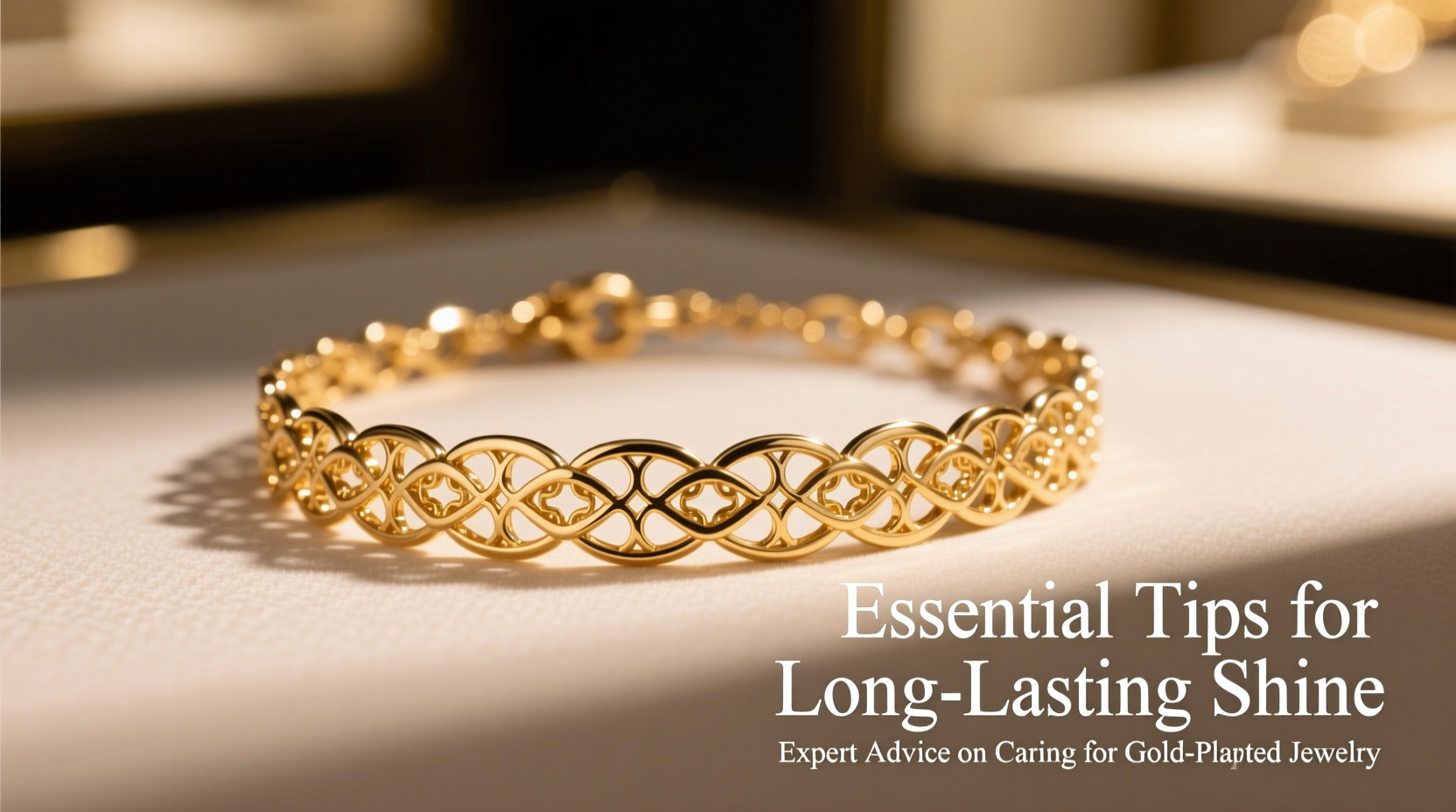
Gold plating involves bonding a thin layer of real gold—typically 0.5 to 2.5 microns thick—onto a base metal such as brass, copper, or stainless steel. The process, known as electroplating, gives the piece a radiant finish that mimics solid gold. However, because the gold layer is so thin, it’s vulnerable to friction, moisture, and chemical exposure.
The longevity of gold plating depends on several factors: thickness of the plating (measured in microns), frequency of wear, exposure to elements, and how well it’s maintained. High-quality pieces with thicker plating—often labeled “heavy gold plate” or “vermeil” (gold over sterling silver)—tend to last longer and resist wear better than standard plated items.
“Many people assume gold plated jewelry isn’t worth the effort, but with consistent care, it can retain its shine for three to five years or more.” — Lena Torres, Jewelry Preservation Specialist
Daily Care Habits for Maximum Longevity
Your daily routine plays a major role in preserving the integrity of gold plated jewelry. Simple choices—like when and where you wear your pieces—can dramatically affect their lifespan.
Tip: Always put on gold plated jewelry after applying makeup, perfume, hairspray, and lotions. These products contain chemicals that accelerate tarnishing and degrade the gold layer.- Avoid water exposure: Remove rings and bracelets before washing hands, showering, or swimming. Chlorine and saltwater are especially damaging.
- Limit physical contact: Take off necklaces and earrings before working out or sleeping. Sweat contains acids that react with metals.
- Rotate your pieces: Wearing the same item every day increases friction and wear. Rotate between multiple pieces to give each time to rest.
- Keep it dry: Moisture promotes oxidation of the base metal underneath, leading to discoloration and peeling.
Proper Storage Techniques
How you store your jewelry when not in use is just as important as how you wear it. Poor storage leads to scratches, tangling, and premature fading.
| Storage Method | Recommended For | Why It Works |
|---|---|---|
| Individual soft pouches | All gold plated items | Prevents scratching and minimizes air exposure |
| Jewelry box with compartments | Necklaces, earrings, rings | Keeps pieces separated and reduces tangles |
| Anti-tarnish strips inside container | Frequent-wear items | Neutralizes sulfur compounds in the air that cause tarnish |
| Hanging hooks for necklaces | Delicate chains | Prevents kinking and breakage |
| Avoid plastic bags or open trays | All pieces | Plastic traps moisture; open trays expose to air and dust |
Mini Case Study: Reviving a Faded Heirloom Necklace
Sophie inherited a delicate gold plated pendant from her grandmother. She wore it weekly but stored it loosely in a drawer with other jewelry. After two years, the chain dulled and the pendant began showing copper tones. She consulted a local jeweler who advised immediate re-plating wasn’t necessary. Instead, he recommended gentle cleaning and proper storage. Sophie began using a microfiber-lined box, removed the necklace before bathing, and cleaned it monthly with a dry cloth. Within six months, the piece regained much of its original luster—not through restoration, but through disciplined care.
Step-by-Step Cleaning Guide
Cleaning gold plated jewelry requires a light touch. Harsh scrubbing or abrasive cleaners will strip the gold layer permanently. Follow this safe, effective routine:
- Remove the jewelry and place it on a clean, soft surface like a microfiber towel.
- Dampen a lint-free cloth with distilled water only—never tap water, which may contain minerals.
- Gently wipe the surface of the piece, focusing on areas that contact skin or clothing.
- Dry immediately with a second dry, soft cloth to prevent water spots.
- Buff lightly with a polishing cloth designed for plated metals (not silver polish).
- Inspect for damage such as flaking or exposed base metal. If visible, stop wearing and consider professional re-plating.
When to Re-Plate and How to Choose a Service
Even with excellent care, gold plating eventually wears thin—especially on high-contact areas like ring bands or earring posts. Re-plating (also called re-dipping) restores the gold layer and can revive older pieces.
Look for jewelers who specialize in electroplating and offer rhodium undercoating for added durability. Ask about plating thickness—opt for at least 2 microns for everyday wear. Vermeil pieces should be re-plated with gold over sterling silver to maintain quality.
Cost varies by region and complexity, but expect $20–$60 for a simple chain or ring. While not all pieces are worth re-plating, sentimental or high-design items often justify the investment.
Common Myths About Gold Plated Jewelry
Misinformation leads many people to discard perfectly salvageable pieces. Here are some widespread myths debunked:
- Myth: Gold plated jewelry will always turn green.
Truth: Skin reactions occur only if the base metal oxidizes due to moisture or poor sealing. Proper care prevents this. - Myth: You can’t wear gold plated jewelry every day.
Truth: You can—but rotate pieces and avoid harsh conditions to minimize wear. - Myth: All gold plating is the same.
Truth: Quality varies widely. Look for items labeled “14k gold over brass” or “vermeil” for better durability.
FAQ
Can I wear gold plated jewelry in the shower?
No. Water, soap, and steam accelerate the breakdown of the gold layer and promote tarnishing of the base metal. Always remove plated jewelry before showering.
How often should I clean my gold plated pieces?
Wipe them gently with a dry microfiber cloth after each wear. Perform a deeper clean with a damp cloth once every 2–4 weeks, depending on usage.
Is gold filled the same as gold plated?
No. Gold filled jewelry has a much thicker layer of gold (at least 5% of total weight) bonded to the base metal. It lasts significantly longer and is more resistant to wear than standard gold plating.
Checklist: Gold Plated Jewelry Care Routine
- ✅ Put on jewelry last, after cosmetics and hair products
- ✅ Remove before swimming, showering, or exercising
- ✅ Store in individual soft pouches or lined compartments
- ✅ Clean monthly with a dry or slightly damp microfiber cloth
- ✅ Avoid exposure to perfumes, lotions, and cleaning agents
- ✅ Inspect regularly for signs of wear or lifting
- ✅ Rotate pieces to reduce daily friction
- ✅ Consider professional re-plating when fading becomes noticeable
Conclusion
Gold plated jewelry doesn’t have to be disposable. With mindful handling, consistent cleaning, and smart storage, your pieces can maintain their radiant glow for years. The key is understanding that this type of jewelry demands respect—not because it’s fragile, but because its beauty lies in a delicate balance of craftsmanship and care. Every swipe of a soft cloth, every moment spent storing it properly, adds to its story and extends its life.
💬 Start today: Pull out your favorite gold plated piece, inspect it, and give it a gentle wipe. Then store it correctly. Small actions create lasting results. Share your care routine or ask questions in the comments—let’s build a community that values beauty and sustainability together.