
Designer splicing handbags represent a fusion of artistry, innovation, and luxury. With their intricate construction combining multiple materials—such as leather, fabric, metal, or exotic skins—these bags demand specialized care. Unlike standard handbags, spliced designs are more vulnerable to uneven wear, material separation, and discoloration if improperly maintained. Preserving such a piece isn’t just about aesthetics; it’s about protecting your investment and honoring the craftsmanship behind it.
A single misstep—like using the wrong cleaner or storing the bag in direct sunlight—can compromise structural integrity and finish. But with the right knowledge, you can keep your splicing handbag looking pristine for years. This guide delivers actionable, expert-backed strategies tailored to the unique needs of multi-material luxury bags.
Understand Your Bag’s Materials and Construction
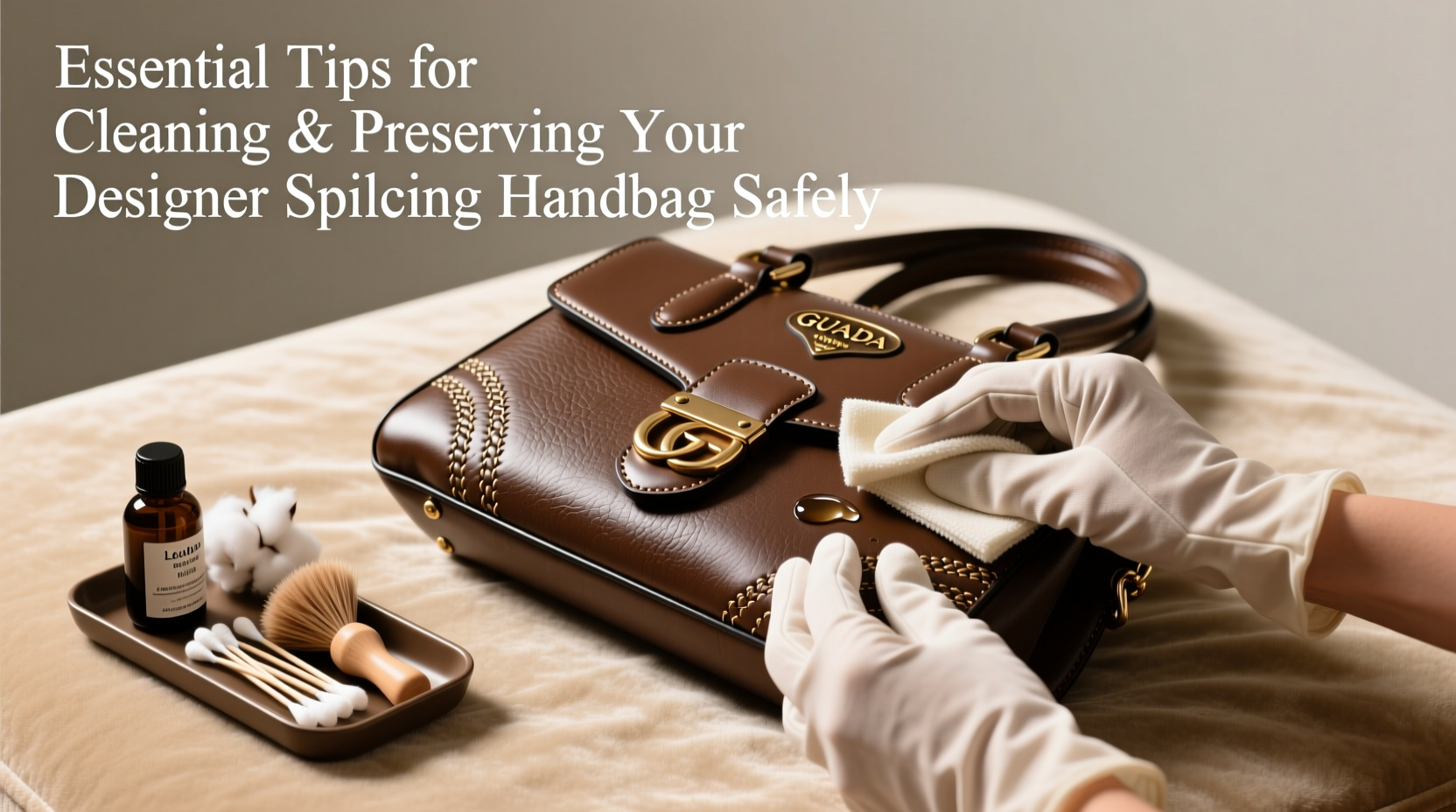
Splicing involves joining two or more distinct materials into a seamless design. Common combinations include smooth calfskin with textured canvas, patent leather with suede accents, or metallic trims fused with nubuck. Each material reacts differently to moisture, heat, and cleaning agents. Treating them uniformly risks damage.
Begin by identifying every component of your handbag. Check the care label (if available), consult the brand’s official website, or contact customer service for specifications. Knowing whether a panel is genuine leather, coated fabric, or synthetic blend determines your cleaning approach.
“Splicing bags are like architectural masterpieces—every material has its own behavior. You wouldn’t clean marble the same way as wood. The same logic applies here.” — Lena Moreau, Luxury Accessory Conservator at Paris Atelier Cuir
For example, water may darken raw leather but warp bonded fabrics. Metal hardware can tarnish when exposed to acidic cleaners. Understanding these nuances prevents irreversible harm.
Tip: Keep a small notebook with each luxury bag detailing its materials, purchase date, and care history. This helps track changes and informs future maintenance.Step-by-Step Cleaning Process for Spliced Surfaces
Cleaning a spliced handbag requires precision and patience. Rushing leads to cross-contamination between materials. Follow this timeline for safe, effective results:
- Dry Dusting (Weekly): Use a microfiber cloth to gently wipe all surfaces. Pay attention to seams where dust accumulates.
- Spot Test (Before Any Deep Clean): Apply a tiny amount of cleaner on an inconspicuous area (e.g., inside pocket flap). Wait 10 minutes. Check for discoloration or texture change.
- Select Material-Specific Cleaners:
- Leather: pH-balanced leather wipes or cream
- Suede/Nubuck: Suede brush and eraser
- Fabric Panels: Mild detergent diluted in water (use cotton swab)
- Hardware: Jewelry polishing cloth for metal; avoid liquids
- Clean Section by Section: Work on one material at a time. Never let liquid migrate from leather to fabric.
- Dry Naturally: Air-dry away from heaters or sunlight. Stuff the bag with acid-free tissue to retain shape.
- Condition (Every 3–4 Months): Apply leather conditioner only to leather zones. Avoid getting it on fabric or stitching.
Never immerse a spliced handbag in water or use household cleaners like Windex or vinegar solutions. These can dissolve adhesives used in splicing, leading to delamination.
Do’s and Don’ts: A Quick Reference Table
| Action | Do | Don’t |
|---|---|---|
| Cleaning Leather | Use pH-neutral leather cleaner and soft cloth | Apply baby wipes or alcohol-based sprays |
| Handling Fabric Panels | Blot stains with damp microfiber cloth | Scrub aggressively or soak with water |
| Storing the Bag | Use breathable cotton dust bag with stuffing | Keep in plastic bin or vacuum-sealed cover |
| Hardware Care | Polish gently with dry jewelry cloth | Expose to perfume, lotion, or saltwater |
| Weather Protection | Apply manufacturer-approved protectant spray per material | Spray waterproofing agents universally across all panels |
Real Example: How Improper Storage Damaged a Limited-Edition Spliced Tote
In 2022, a collector in Milan purchased a limited-edition spliced tote featuring crocodile trim and silk-blend body panels. She loved the bag but stored it upright in a cedar-lined closet, wrapped in a plastic garment bag to “keep dust out.” Within eight months, she noticed warping along the splice lines and mildew spots on the inner lining.
Upon inspection, a conservator found that the plastic trapped humidity, causing the silk-blend material to degrade while the crocodile leather dried and cracked due to lack of airflow. The adhesive at splice joints had weakened. The repair cost exceeded €400—nearly half the bag’s original value.
The fix? Switching to a breathable cotton dust bag, inserting archival tissue paper, and moving the bag to a climate-stable shelf reduced further damage. This case underscores how well-intentioned habits can backfire without proper knowledge.
Tip: Rotate your handbags regularly. Even luxury pieces need occasional air circulation to prevent stiffness and mold.Preservation Checklist for Long-Term Value
To ensure your splicing handbag remains in collectible condition, follow this monthly preservation checklist:
- ✅ Inspect stitching along splice lines for fraying or lifting
- ✅ Wipe hardware with a dry polishing cloth to prevent tarnishing
- ✅ Replace stuffing with fresh acid-free tissue paper
- ✅ Check for odor development—mustiness indicates moisture buildup
- ✅ Verify that no color transfer has occurred between materials
- ✅ Store flat or upright with support—never hang by straps
- ✅ Keep away from perfumes, hairsprays, and skincare products
If you notice any glue seepage, bubbling at seams, or stiffness in movement, discontinue use and consult a professional restorer. Early intervention often prevents costly repairs.
Frequently Asked Questions
Can I use a universal cleaner on my spliced handbag?
No. Universal cleaners often contain solvents that may react poorly with certain materials in a spliced design. Always use cleaners formulated for specific materials—leather, fabric, or suede—and apply them only to designated zones.
How often should I deep clean a designer splicing handbag?
Deep cleaning is recommended every 3–4 months for regular use. If the bag is worn weekly in urban environments with pollution and handling, consider light surface cleaning weekly and conditioning quarterly. Over-cleaning strips natural oils and accelerates aging.
Is it safe to use a protective spray on a spliced bag?
Only if applied selectively. Use a fabric protector on textile sections and a leather guard on leather portions—never spray the entire bag. Avoid overspray near seams and hardware. Test first, and allow full drying before storage.
“Luxury bags aren’t disposable fashion. They’re heirlooms. Treating them with ritual care honors both the maker and the wearer.” — Rafael Nguyen, Founder of The Handbag Archive, London
Final Thoughts: Make Care a Ritual, Not a Chore
Your designer splicing handbag is more than an accessory—it’s a statement of taste, dedication, and discernment. Its longevity depends not on luck, but on consistent, informed care. By understanding material sensitivities, following structured cleaning routines, and storing with intention, you preserve not just appearance but intrinsic value.
Start today: pull your bag from storage, inspect it closely, and perform a gentle dusting. Update your care log. Share your experience with others who appreciate fine craftsmanship. Small actions compound into lasting protection.
💬 Have a tip that saved your favorite spliced bag? Share your story in the comments—your insight could help another collector avoid disaster.








