Natural abalone shell jewelry captivates with its shimmering, rainbow-like surface—a result of light refracting through microscopic layers of calcium carbonate. Found in oceanic mollusks, this organic gemstone is both delicate and durable when cared for properly. Unlike synthetic or harder stones, abalone reacts to environmental stressors such as moisture, heat, and chemicals. Without consistent maintenance, its luster can fade, and the shell may crack or delaminate over time. Understanding how to clean and protect your abalone pieces ensures they remain vibrant and structurally sound for years.
Understanding Abalone Shell Composition
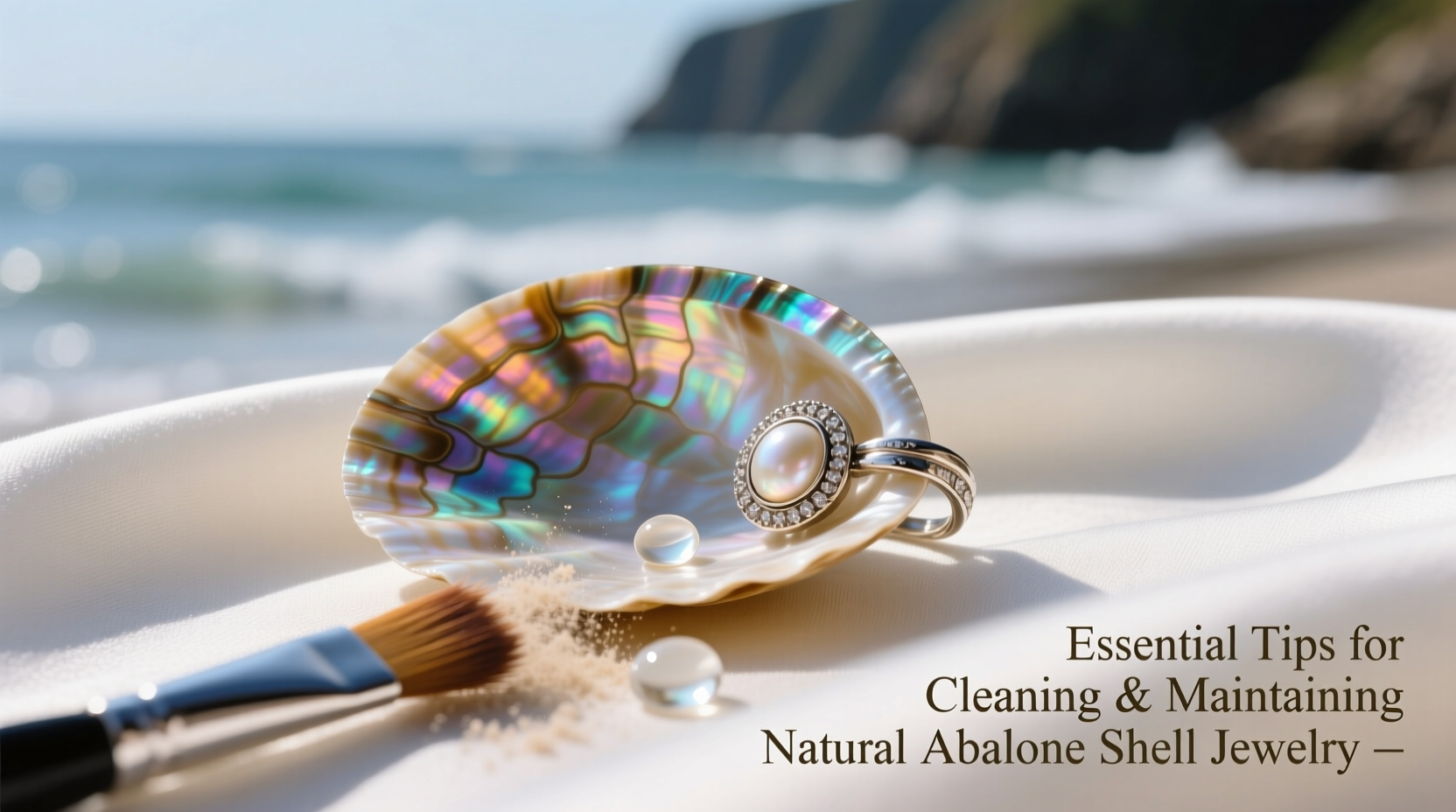
Abalone shell is composed primarily of aragonite, a crystalline form of calcium carbonate, layered in a structure known as nacre. This micro-layering gives abalone its signature play-of-color, similar to mother-of-pearl. However, because it’s an organic material derived from living organisms, it lacks the hardness of minerals like quartz or sapphire. On the Mohs scale, abalone registers between 3 and 4—making it prone to scratches, etching, and degradation from acidic substances.
The porous nature of the shell also means it absorbs oils, lotions, and perfumes. Over time, these substances can dull the surface or cause discoloration. Additionally, sudden temperature changes can lead to thermal shock, resulting in cracks. Recognizing these inherent properties is the first step toward effective care.
“Abalone is not just a stone—it’s a biological artifact. Its beauty comes from life processes, and it requires living-material sensitivity in handling.” — Dr. Lena Torres, Marine Biomineralization Researcher
Step-by-Step Guide to Cleaning Abalone Jewelry
Cleaning abalone jewelry demands gentleness and precision. Harsh tools or cleaners can strip away its iridescence or create microfractures. Follow this methodical approach to preserve both appearance and integrity:
- Remove jewelry before activities: Take off abalone pieces before swimming, showering, applying cosmetics, or doing household chores.
- Prepare a mild cleaning solution: Mix lukewarm water with a single drop of non-ammonia, phosphate-free dish soap. Avoid detergents with citrus, alcohol, or bleach.
- Soak briefly: Submerge the jewelry for no more than 2–3 minutes. Prolonged soaking risks water penetration into crevices or adhesive joints.
- Use a soft brush: Gently scrub the surface with a clean, soft-bristled toothbrush (preferably new). Focus on grooves and metal settings without pressing hard.
- Rinse thoroughly: Hold under a gentle stream of lukewarm water to remove all soap residue.
- Air-dry naturally: Lay flat on a lint-free cloth in a shaded area. Do not use towels that may snag or rub the surface.
- Polish lightly: Once fully dry, buff gently with a microfiber cloth using circular motions to enhance shine.
Do’s and Don’ts of Abalone Care
| Do’s | Don’ts |
|---|---|
| Store in a fabric-lined box away from other jewelry | Store loosely in a drawer where it can scratch |
| Wipe with a damp cloth after wearing | Expose to chlorine, saltwater, or vinegar |
| Apply makeup and perfume before putting on jewelry | Wear while cleaning, gardening, or exercising |
| Inspect metal settings monthly for looseness | Use commercial jewelry dips or polishing cloths |
| Condition occasionally with mineral oil (sparingly) | Submerge in oils or solvents |
Storage Strategies to Prevent Damage
Improper storage is one of the leading causes of abalone deterioration. Even minor contact with harder materials can leave visible scratches. Because abalone often features in earrings, pendants, and bracelets, each piece needs individualized protection.
Wrap each item in acid-free tissue paper or place it in a soft pouch made of silk or microfiber. Store in a dedicated compartment within a padded jewelry box. Avoid plastic bags, which can trap moisture and promote mold growth—especially in humid climates.
If your abalone piece includes silver or other metals, consider including anti-tarnish strips in the storage area, but ensure they do not touch the shell directly. Humidity levels above 60% can encourage warping or fungal development, so climate-controlled environments are ideal.
Tip: Rotate your abalone jewelry—wear it occasionally but not daily—to minimize cumulative exposure to wear and environmental stress.Maintaining Luster: Real Example from a Collector
Sophie M., a jewelry collector from San Diego, inherited a pair of abalone inlay earrings from her grandmother. Initially radiant, they began to look cloudy after two years of regular wear. She admitted to wearing them while gardening and beachcombing, exposing them to soil, salt spray, and sweat.
After consulting a local artisan, she learned that salt had seeped into micro-gaps in the setting, accelerating erosion. She stopped wearing the earrings outdoors, began wiping them with a damp cloth post-wear, and stored them in a sealed box with silica gel packets. Within months, their brilliance returned after a careful hand-cleaning. Today, she only wears them for evening events and inspects them quarterly.
Her experience underscores a vital truth: abalone jewelry thrives on preventive care, not reactive restoration.
Checklist for Monthly Abalone Jewelry Maintenance
- ✔ Visually inspect for cracks, chips, or cloudiness
- ✔ Check metal prongs or bezels for looseness
- ✔ Clean gently with mild soapy water and soft brush
- ✔ Dry completely before storing
- ✔ Store in a padded, enclosed container
- ✔ Avoid contact with cosmetics, hairspray, and cleaning agents
- ✔ Assess overall condition and rotate usage if needed
Frequently Asked Questions
Can I get my abalone jewelry wet?
Limited, brief exposure to fresh water is acceptable during cleaning, but prolonged immersion—especially in chlorinated or salt water—should be avoided. Water can weaken adhesives and penetrate fissures, leading to internal damage.
How do I restore faded abalone?
Gentle cleaning often restores surface luster. For deeper dullness, a professional jeweler may carefully polish the surface. Home remedies like lemon juice or vinegar should never be used, as acidity erodes calcium carbonate.
Is it safe to repair broken abalone at home?
No. Attempting DIY repairs with household glues can permanently damage the shell and surrounding materials. Epoxy resins may yellow and fail under stress. Always consult a specialist in organic gemstone restoration.
Conclusion: Honor the Ocean’s Artistry
Abalone shell jewelry carries the essence of the sea—an ever-shifting dance of color born from nature’s quiet craftsmanship. To wear it is to carry a fragment of marine wonder. But with that beauty comes responsibility. Simple habits—like wiping after wear, storing with care, and avoiding chemical exposure—compound into lasting preservation.
These pieces are not indestructible, but they are enduring when treated with respect. Whether passed down through generations or newly acquired, every abalone jewel deserves mindful stewardship. By following these essential practices, you honor both the artistry of the craft and the living source from which it came.
💬 Have a cherished abalone piece you’ve maintained for years? Share your story or tip in the comments—your experience could inspire others to care deeper.