Silk scarves are timeless accessories—elegant, lightweight, and versatile enough to elevate any outfit. But their beauty comes with a caveat: silk is a natural protein fiber that demands careful handling. Improper care can lead to discoloration, shrinkage, or permanent damage. Whether you own a vintage Hermès or a hand-dyed artisan piece, maintaining its luster requires knowledge and consistency. This guide delivers practical, expert-backed advice on how to clean, store, and preserve your silk scarves so they remain as radiant as the day you bought them.
Understanding Silk: Why It Needs Special Care
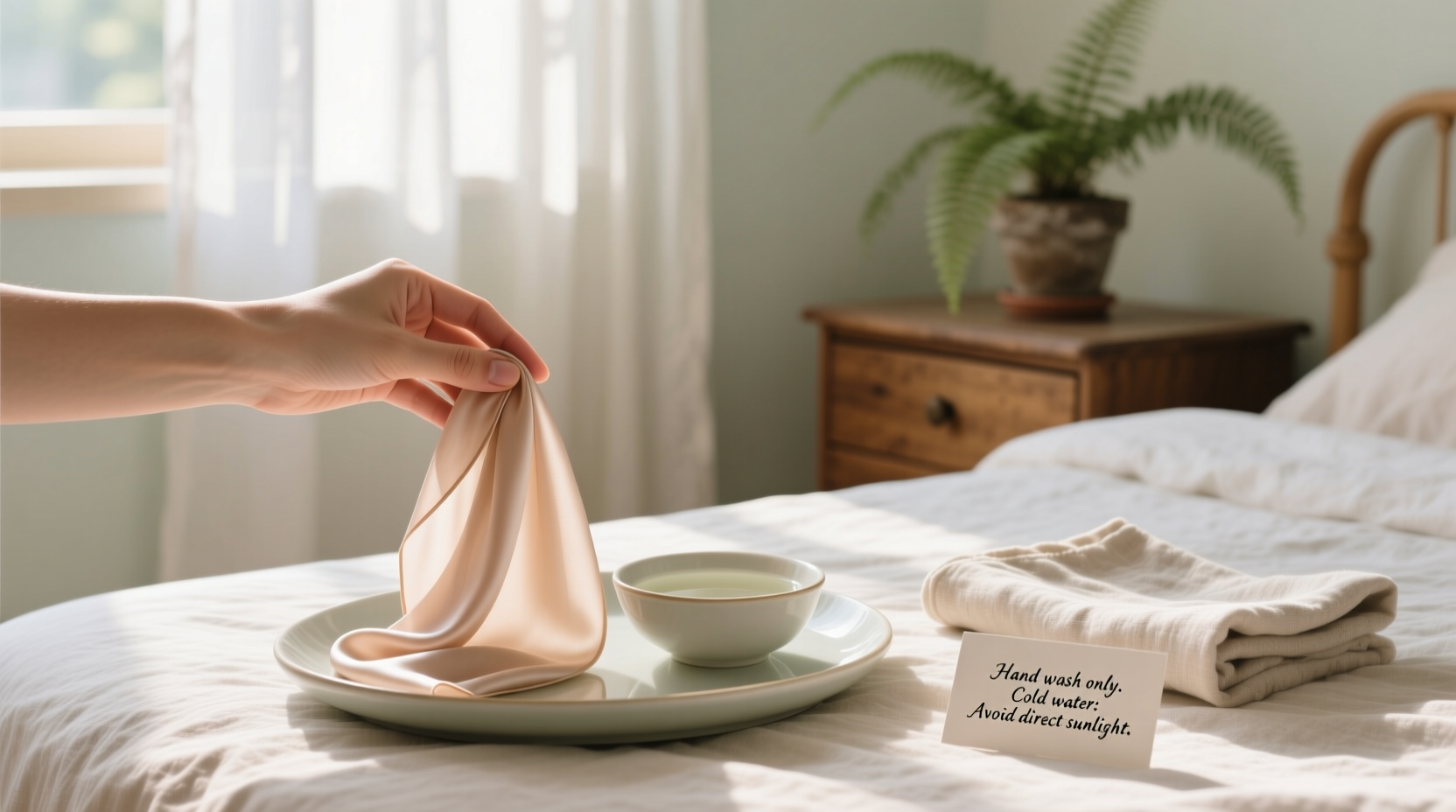
Silk is made from fibroin, a protein secreted by silkworms during cocoon formation. This structure gives silk its signature sheen and softness but also makes it vulnerable to heat, moisture, and chemical exposure. Unlike synthetic fabrics, silk reacts strongly to alkaline substances, high temperatures, and prolonged sunlight. Water can weaken the fibers if not managed correctly, and improper drying often leads to warping or stiffness.
Dyes used in silk scarves, especially natural or hand-applied ones, may bleed or fade when exposed to harsh detergents or agitation. The weave—often lightweight and open—can snag easily, and fraying at the edges is common without proper handling. Recognizing these sensitivities is the first step toward effective maintenance.
“Silk isn’t fragile, but it’s responsive. Treat it with respect, and it will last decades.” — Clara Nguyen, Textile Conservator at the Museum of Fashion Art
Step-by-Step Guide to Hand Washing Your Silk Scarf
Most silk scarves should be hand washed unless the care label specifies dry cleaning only. Machine washing—even on gentle cycles—is generally too abrasive. Follow this timeline for safe, effective cleaning:
- Check the label: Confirm whether the scarf is washable. If “dry clean only,” do not attempt hand washing.
- Pre-treat stains (if needed): Dab a tiny amount of diluted silk-safe detergent on a cotton swab and gently blot the stain. Never rub.
- Prepare the bath: Fill a clean basin with cold water (never above 30°C/86°F). Add a small amount of pH-neutral, silk-specific detergent.
- Submerge gently: Place the scarf in the water and let it soak for 3–5 minutes. Swirl lightly with fingertips—no wringing or twisting.
- Rinse thoroughly: Drain the soapy water and refill the basin with cold water. Rinse until no suds remain.
- Remove excess water: Press the scarf against the side of the basin to release water. Never wring.
- Blot and dry: Lay a clean towel flat, place the scarf on top, roll the towel gently, and press to absorb moisture.
- Air dry flat: Unroll and lay the scarf on a fresh, dry towel away from direct sunlight or heat sources. Reshape if needed.
Do’s and Don’ts: Common Mistakes to Avoid
Mistakes in silk care are often irreversible. Use this table as a quick reference to prevent damage:
| Do’s | Don’ts |
|---|---|
| Use cold water and silk-specific detergent | Use hot water or bleach |
| Wash separately to avoid dye transfer | Wash with rough fabrics like denim |
| Dry flat on a clean towel | Tumble dry or hang while wet (causes stretching) |
| Iron inside out on low heat with a pressing cloth | Iron directly on silk or use high heat |
| Store folded in acid-free tissue paper | Store in plastic bags (traps moisture) |
Storing Silk Scarves to Prevent Damage Over Time
Long-term storage is just as critical as cleaning. Exposure to light, humidity, and pests can degrade silk even when unused. Moths and silverfish are attracted to protein-based fibers, so untreated storage invites disaster.
Fold your scarf neatly and wrap it in acid-free tissue paper to prevent creases from setting. Store in a breathable cotton bag or drawer liner, never in plastic. Cedar blocks or lavender sachets can deter insects naturally—avoid mothballs, which leave a strong odor and may damage dyes.
If hanging, use padded hangers and ensure the scarf is fully dry. However, folding is generally safer than hanging, which can distort the shape over time. Rotate stored scarves occasionally to prevent permanent fold lines.
Tip: Keep silk scarves away from perfumes, hairsprays, and deodorants, which contain alcohol and oils that can stain or weaken fibers.Mini Case Study: Reviving a Heirloom Silk Scarf
Marie, a collector in Lyon, inherited a 1950s silk scarf from her grandmother. Stored in a cedar chest for years, it emerged yellowed and slightly stiff. She avoided washing it immediately, instead consulting a textile conservator. After a spot test confirmed the dye was stable, she hand-washed it using a mild silk shampoo in cool water. She rinsed twice and laid it flat on a microfiber towel, reshaping the corners. After two days of drying, the scarf regained much of its original softness. To prevent future issues, she now stores it wrapped in archival tissue and rotates it seasonally. The scarf, once feared lost, is now worn proudly at family events.
This case underscores patience and precision: rushing into cleaning could have ruined the piece. A methodical approach preserved both fabric and memory.
FAQ: Frequently Asked Questions About Silk Scarf Care
Can I steam my silk scarf instead of ironing?
Yes, steaming is often safer than ironing. Hold a handheld steamer 15–20 cm away from the fabric and allow the scarf to hang freely. Steam removes wrinkles without direct contact, reducing the risk of scorching or shine marks.
What should I do if my silk scarf gets perfume or makeup on it?
Blot immediately with a clean, dry cloth. For makeup, apply a small amount of cornstarch or talc to absorb oils, wait 15 minutes, then brush off gently. Spot-clean only if necessary using diluted silk detergent and a cotton swab.
How often should I clean my silk scarf?
Clean after 3–5 wears, or sooner if stained. Frequent wear exposes silk to body oils and pollutants. However, over-washing can degrade fibers, so limit full washes to when visibly soiled or smelling stale.
Care Checklist: Maintain Your Silk Scarf Like a Pro
- ✔️ Check the care label before cleaning
- ✔️ Use cold water and silk-specific detergent
- ✔️ Wash by hand—never machine wash or wring
- ✔️ Dry flat on a clean towel, away from sunlight
- ✔️ Iron on low heat with a pressing cloth, or steam instead
- ✔️ Store folded in acid-free tissue, in a breathable container
- ✔️ Avoid contact with perfumes, lotions, and hairspray
- ✔️ Inspect periodically for signs of pests or discoloration
Conclusion: Honor the Craft, Preserve the Beauty
A silk scarf is more than an accessory—it’s a blend of craftsmanship, history, and personal expression. Treating it with care ensures it remains a cherished part of your wardrobe for years. By mastering the basics of gentle washing, mindful drying, and intelligent storage, you protect not just the fabric but the stories woven into it. These habits take little time but yield lasting rewards.
💬 Have a silk care tip or story to share? Join the conversation—your experience could help others preserve their treasures with confidence.