
Carrying the right gear every day isn’t just about convenience—it’s about efficiency, preparedness, and personal confidence. The everyday carry (EDC) bag has evolved from a simple messenger or backpack into a purpose-built tool that supports modern lifestyles. Whether you're commuting, traveling locally, or navigating a hybrid work schedule, your EDC bag should enhance—not hinder—your routine. Choosing the best one requires more than aesthetic preference; it demands attention to function, materials, ergonomics, and long-term usability.
Understanding Your Everyday Carry Needs
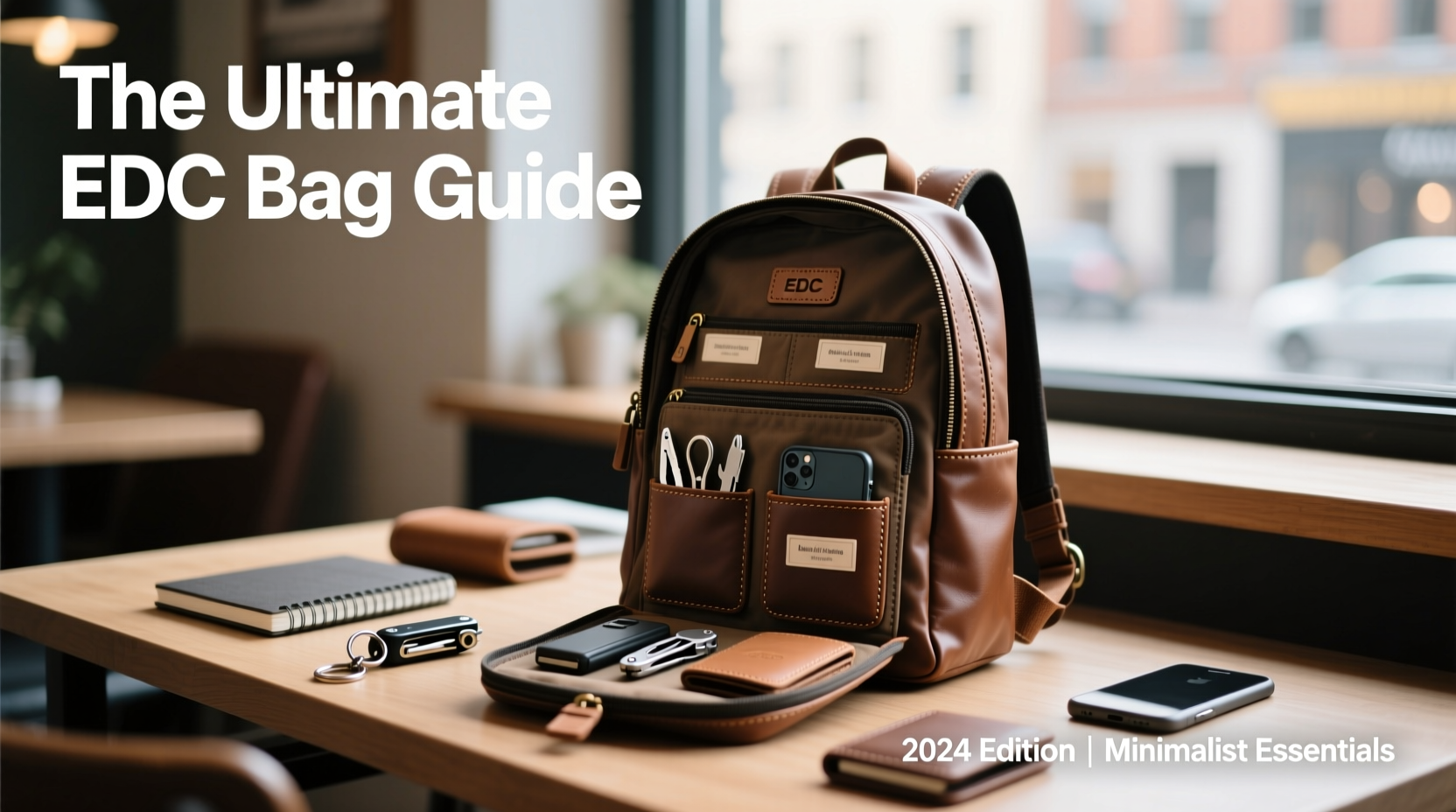
Before evaluating bags, define what you actually carry. A minimalist might only need space for a phone, wallet, keys, and a pocket notebook. Others may require room for a laptop, power bank, water bottle, sunglasses, and even gym clothes. Your loadout determines size, compartment layout, and structural support.
Start by laying out everything you take with you daily. Group items into categories: electronics, documents, personal care, tools, hydration, and extras. This inventory reveals patterns in usage and helps identify non-negotiables. For example, if you transport a 15-inch laptop daily, padded internal sleeves become essential. If you frequently access your phone or transit card, quick-access pockets are a must.
Tip: Rotate seasonal items monthly to avoid overpacking. Store rarely used gear at home.Key Features of a High-Performance EDC Bag
The best EDC bags balance form and function. While design matters, performance under real conditions separates adequate from exceptional. Focus on these core attributes when comparing options:
- Durability: Materials like 1050D Cordura, ballistic nylon, or full-grain leather resist abrasion, moisture, and wear.
- Organization: Internal dividers, pen slots, zippered compartments, and RFID-blocking pockets keep items secure and easy to locate.
- Comfort: Padded shoulder straps, breathable back panels, and weight distribution systems reduce strain during extended wear.
- Security: Lockable zippers, hidden pockets, slash-resistant fabrics, and anti-theft designs add peace of mind in crowded environments.
- Weather Resistance: Water-repellent coatings or roll-top closures protect contents during unexpected downpours.
“An EDC bag isn’t just storage—it’s an extension of your workflow. The best ones disappear into your routine because they’re intuitive.” — Jordan Lee, Urban Gear Designer
Material Comparison: Pros and Cons
| Material | Pros | Cons |
|---|---|---|
| Ballistic Nylon | Extremely durable, abrasion-resistant, lightweight | Can feel stiff initially; limited breathability |
| Cordura | High tensile strength, fade-resistant, excellent for heavy loads | Slightly heavier than other synthetics |
| Full-Grain Leather | Ages beautifully, naturally water-resistant, premium look | Heavy when wet; requires maintenance; higher cost |
| Polyester (Recycled) | Eco-friendly, affordable, colorfast | Less durable than nylon; prone to pilling |
Choosing the Right Style for Your Lifestyle
Form follows function—and lifestyle. The ideal EDC silhouette depends on how you move through your day. Consider these common styles:
- Backpacks: Ideal for balanced weight distribution, especially with laptops or heavier loads. Look for sternum straps and ventilated backs for comfort.
- Messenger Bags: Offer one-shoulder carry and quick access while seated. Best for urban commutes but can cause shoulder fatigue over time.
- Shoulder/Slings: Compact and agile, perfect for minimalists. Limited capacity but highly maneuverable in tight spaces.
- Tote/Briefcases: Professional appearance, often preferred in office settings. Less ergonomic for long walks unless equipped with padding.
No single style fits all. Some users maintain multiple bags—a slim sling for errands and a larger backpack for workdays. Modular systems, like those from brands such as Pacsafe or Peak Design, allow customization based on daily needs.
Mini Case Study: Alex, Remote Worker & Urban Cyclist
Alex works remotely but meets clients across the city. He cycles 45 minutes each way and carries a MacBook Pro, noise-canceling headphones, lunch container, rain jacket, and portable charger. His previous canvas tote wore out within six months due to road vibration and weather exposure.
He switched to a 20L waterproof backpack made from recycled ocean-bound plastic with reinforced stitching, a lockable main compartment, and a dedicated laptop sleeve. After nine months of daily use—including three weeks of bike touring—the bag shows minimal wear. “It survived puddle splashes, coffee spills, and being stuffed under bus seats,” he says. “Now I don’t worry about my gear. I just go.”
Step-by-Step Guide to Selecting Your EDC Bag
Follow this practical sequence to make a confident decision:
- Inventory Your Daily Load: List every item you carry regularly. Weigh the total if possible.
- Determine Primary Use Case: Will you walk, cycle, drive, or use public transit? How far do you typically travel?
- Select a Silhouette: Match your mobility pattern to a bag type—backpack, sling, etc.
- Set a Realistic Budget: Quality EDC bags range from $80–$300. Invest where it counts: materials and construction.
- Test Ergonomics: If buying in person, wear the bag loaded with similar weight. Check strap comfort and ease of access.
- Research Brand Reputation: Read verified user reviews focusing on longevity, not just first impressions.
- Check Warranty & Repair Policy: Brands like Osprey, Fjällräven, and Bellroy offer lifetime repairs, which speaks to build confidence.
Frequently Asked Questions
How big should my EDC bag be?
Most users find 15–22 liters sufficient. Anything over 25L encourages overpacking. If you’re carrying only essentials, a 10–14L sling or crossbody may suffice.
Are expensive EDC bags worth it?
Not always—but higher-priced bags often use superior materials, better ergonomics, and come with repair programs. A $200 bag lasting five years is cheaper per year than replacing two $80 bags in the same period.
Can I use a hiking backpack as my EDC?
You can, but hiking packs prioritize outdoor performance over urban subtlety. They’re often bulkier, noisier (due to webbing), and lack sleek organization. Dedicated EDC models integrate better into city life.
Final Checklist Before Purchase
- ✅ Holds all essential items without overstuffing
- ✅ Made from durable, weather-resistant fabric
- ✅ Comfortable to carry for 1+ hours
- ✅ Offers secure, organized compartments
- ✅ Fits under airplane seats or on crowded transit
- ✅ Has a reputable warranty or repair option
- ✅ Matches your personal style and professional environment
Conclusion
Your EDC bag is more than an accessory—it’s a daily partner in productivity, readiness, and personal expression. The right choice reduces friction, protects valuable gear, and adapts seamlessly to your rhythm. Take the time to assess your true needs, test options thoroughly, and invest in quality construction. When your bag feels invisible—reliable, comfortable, and intuitive—you’ve found the right one.
🚀 Ready to upgrade your carry? Reassess your current bag using the checklist above. Share your setup or ask questions in the comments—your insight could help someone else find their perfect match.