Loose fitting women’s jackets are a wardrobe staple for their comfort, versatility, and fashion-forward appeal. From oversized blazers to slouchy trench coats, these pieces offer breathability and movement while making a strong style statement. However, their relaxed silhouette can pose challenges when layering—without thoughtful coordination, outfits risk looking shapeless or bulky.
The key lies in mastering the art of effortless layering: balancing volume, texture, and proportion to create polished, intentional looks. Whether dressing for work, weekend errands, or evening outings, understanding how to build layers under and over loose jackets ensures you stay warm, stylish, and confident year-round.
Understanding Jacket Silhouettes and Proportions
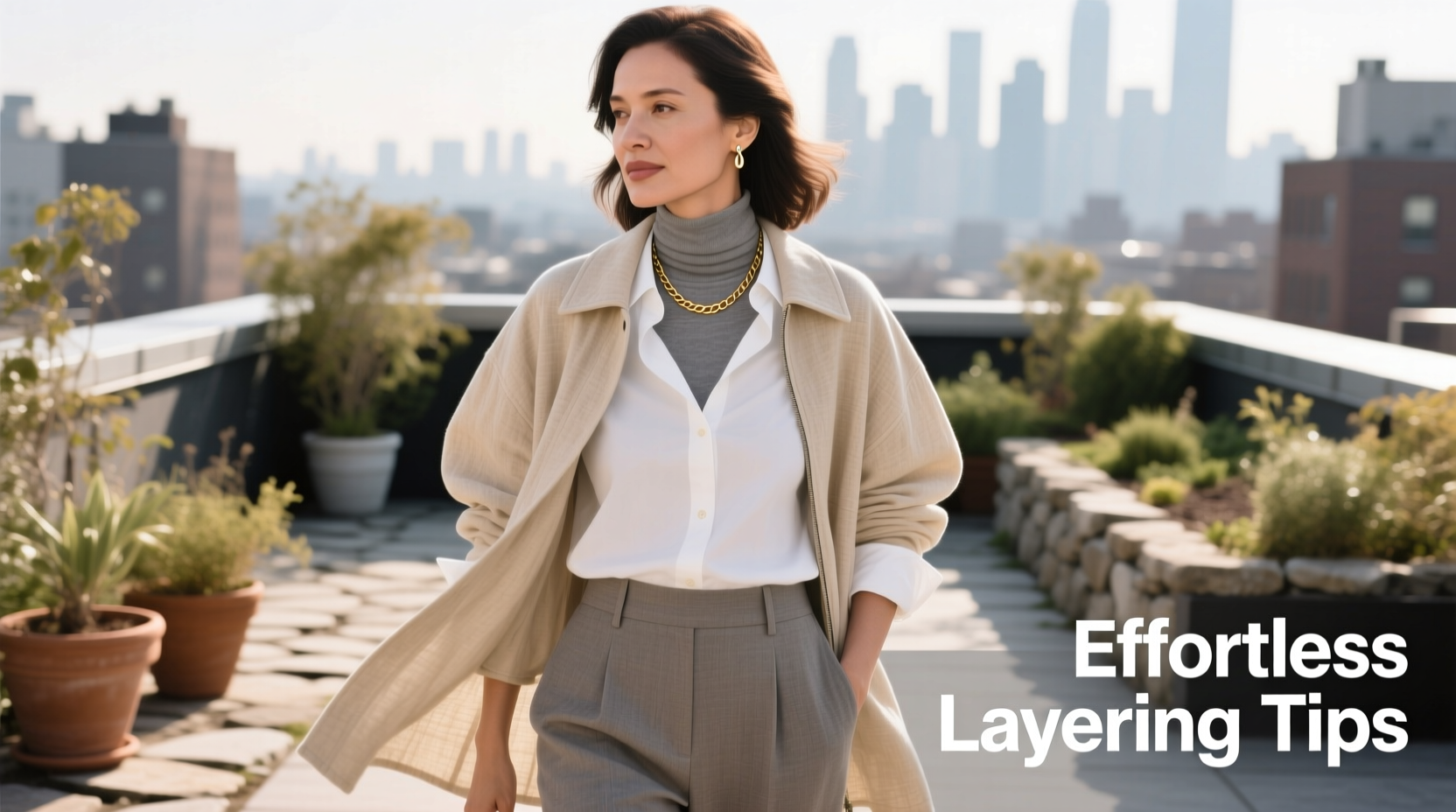
Not all loose jackets are created equal. The success of your layering strategy depends on recognizing the jacket’s cut, length, and intended use. A boxy wool coat behaves differently than a drapey linen kimono-style jacket. Understanding these distinctions helps avoid visual imbalance.
- Oversized Blazers: Structured shoulders with extended sleeves; ideal for professional settings when layered over tailored pieces.
- Longline Dusters: Flowy, knee-length or longer; pair best with streamlined underlayers to maintain definition.
- Bomber or Utility Jackets: Slightly cropped with elastic hems; allow room for thicker mid-layers without overwhelming the frame.
- Trench Coats: Classic double-breasted styles with belted waists; use the belt to cinch and define shape over multiple layers.
“Volume needs counterbalance. When the outer layer is loose, anchor it with something fitted underneath.” — Lena Torres, Fashion Stylist & Editorial ContributorTip: Always consider where the jacket hits on your body. Longer lengths benefit from vertical layering (e.g., long cardigans under coats) to elongate the silhouette.
Layering by Season: Adapting for Comfort and Style
Effortless layering isn’t static—it evolves with temperature and occasion. Smart dressing means selecting fabrics and structures that respond to seasonal demands without sacrificing aesthetics.
Spring and Fall: Lightweight Transitions
In transitional months, focus on breathable fabrics like cotton, silk, and fine knits. Start with a well-fitted base layer—a long-sleeve tee or lightweight turtleneck—then add a mid-layer such as a button-down shirt worn open or a slim vest. Top with a loose denim or chore jacket for an elevated casual look.
Winter: Strategic Warmth Without Bulk
Cold weather calls for insulation, but heavy sweaters under voluminous jackets can create unflattering puffiness. Instead, opt for thermal base layers made from merino wool or modal. Add a mid-weight cashmere blend sweater, then finish with a wool-blend cocoon coat. This sequence traps heat efficiently while preserving clean lines.
| Season | Base Layer | Mid-Layer | Jacket Type |
|---|---|---|---|
| Spring | Silk camisole or cotton tee | Denim shirt, open | Canvas trucker jacket |
| Summer (evenings) | Light tank top | Chiffon blouse | Kaftan-style duster |
| Fall | Turtleneck (fine knit) | Waist-length sweater | Oversized blazer |
| Winter | Merino wool long-sleeve | Cashmere crewneck | Wool trench or cocoon coat |
Creating Visual Balance: Do’s and Don’ts
Avoid the common pitfalls of layering with loose outerwear by following simple structural principles. The goal is harmony between form and function.
| Do | Don't |
|---|---|
| Cinch loose jackets with belts to define the waist | Wear multiple oversized layers at once |
| Use contrasting textures (e.g., silk under wool) for depth | Allow hems to align at the same level (creates horizontal chopping) |
| Roll or push up sleeves to reveal underlayers | Hide all layering details—show intentionality |
| Choose one statement piece per outfit | Combine overly busy patterns across layers |
Step-by-Step Guide: Building a Three-Layer Outfit
Follow this practical sequence to assemble a cohesive, weather-appropriate ensemble using a loose fitting jacket.
- Start with a Base Layer: Select a snug but comfortable piece that follows your body line—such as a ribbed turtleneck or sleeveless mock neck. Neutral tones work best for versatility.
- Add a Mid-Layer: Introduce structure or warmth. A tailored shirt, cropped sweater, or sleeveless puffer vest adds dimension without competing for space.
- Select Your Jacket: Choose a loose fitting style that complements the previous layers. Ensure shoulder seams align naturally with your own.
- Adjust Lengths: Make sure each layer varies in length—base shorter, mid-layer medium, jacket longest—for a cascading effect.
- Define the Waist (Optional): Use a slim belt over the jacket or tie a scarf at the hips to reintroduce shape.
- Final Touches: Roll sleeves, leave top buttons undone, or let a pocket square peek out for subtle flair.
Real-Life Example: Olivia’s Workweek Wardrobe
Olivia, a project manager in Portland, needed a cold-weather office wardrobe that transitioned seamlessly from meetings to after-work coffee. Her solution? A charcoal gray oversized wool-blend blazer paired with strategic layering.
She began with a black merino long-sleeve top, added a heather gray V-neck sweater in a slightly cropped cut, and topped it with the blazer—left open. To define her silhouette, she wore high-waisted trousers and a thin leather belt over the blazer at hip level. On colder days, she swapped the sweater for a lightweight down vest.
The result: a professional yet approachable look that maintained warmth and avoided boxiness. Colleagues frequently complimented her “put-together ease,” unaware of the calculated layering beneath.
Essential Checklist for Effortless Layering
- ✓ Assess the jacket’s volume before choosing underlayers
- ✓ Prioritize fabric weight: lighter near skin, heavier outward
- ✓ Vary hem lengths to create visual flow
- ✓ Use belts or scarves to reclaim shape when needed
- ✓ Limit bold patterns to one layer only
- ✓ Test mobility—raise arms, sit down, walk across the room
- ✓ Expose some skin or neckline to break up fabric density
Frequently Asked Questions
Can I wear a loose jacket over another loose layer?
Yes, but with caution. Pairing two voluminous pieces works only if there’s contrast in length or texture. For example, a long, fluid duster over a short, boxy cardigan creates dynamic layering. Avoid doubling up similar silhouettes, which can overwhelm the frame.
How do I keep from looking bulky in winter?
Focus on intelligent layering rather than sheer quantity. Thermal base layers provide warmth without thickness. Opt for mid-layers with loft but minimal weight, like quilted vests or fine-gauge knits. Keep outerwear structured enough to drape cleanly over the layers beneath.
What shoes work best with layered loose jackets?
Footwear anchors the look. Chunky boots or platform loafers balance oversized tops and add groundedness. In warmer months, minimalist sandals or pointed flats keep the aesthetic light. The key is ensuring your shoes match the outfit’s overall volume and mood.
Making It Your Own: Confidence Through Intentional Dressing
Effortless layering isn’t about rigid rules—it’s about cultivating awareness. Once you understand how proportions interact, you can experiment freely. Tuck in a blouse asymmetrically, drape a lightweight scarf inside the collar, or layer unexpected textures like velvet under denim.
The most stylish women don’t just wear clothes—they curate experiences through them. A loose jacket becomes more than coverage; it’s a canvas for personal expression. With practice, layering becomes intuitive, allowing you to move comfortably through seasons and schedules without compromising elegance.
💬 Ready to refresh your outerwear game? Try one new layering technique this week and share your look in the comments—we’d love to hear what works for you!