
Walking barefoot on warm sand is one of life’s simple pleasures, but many beachgoers rely on clip toe sandals for convenience, style, or protection from hot surfaces. While these sandals offer breathability and ease, they come with a hidden risk: foot injuries. The open design, minimal support, and frequent slipping can lead to stubbed toes, blisters, sprains, and even long-term biomechanical strain. Understanding how to mitigate these risks ensures you enjoy the shore safely without compromising comfort or mobility.
Why Clip Toe Sandals Pose a Risk on the Beach
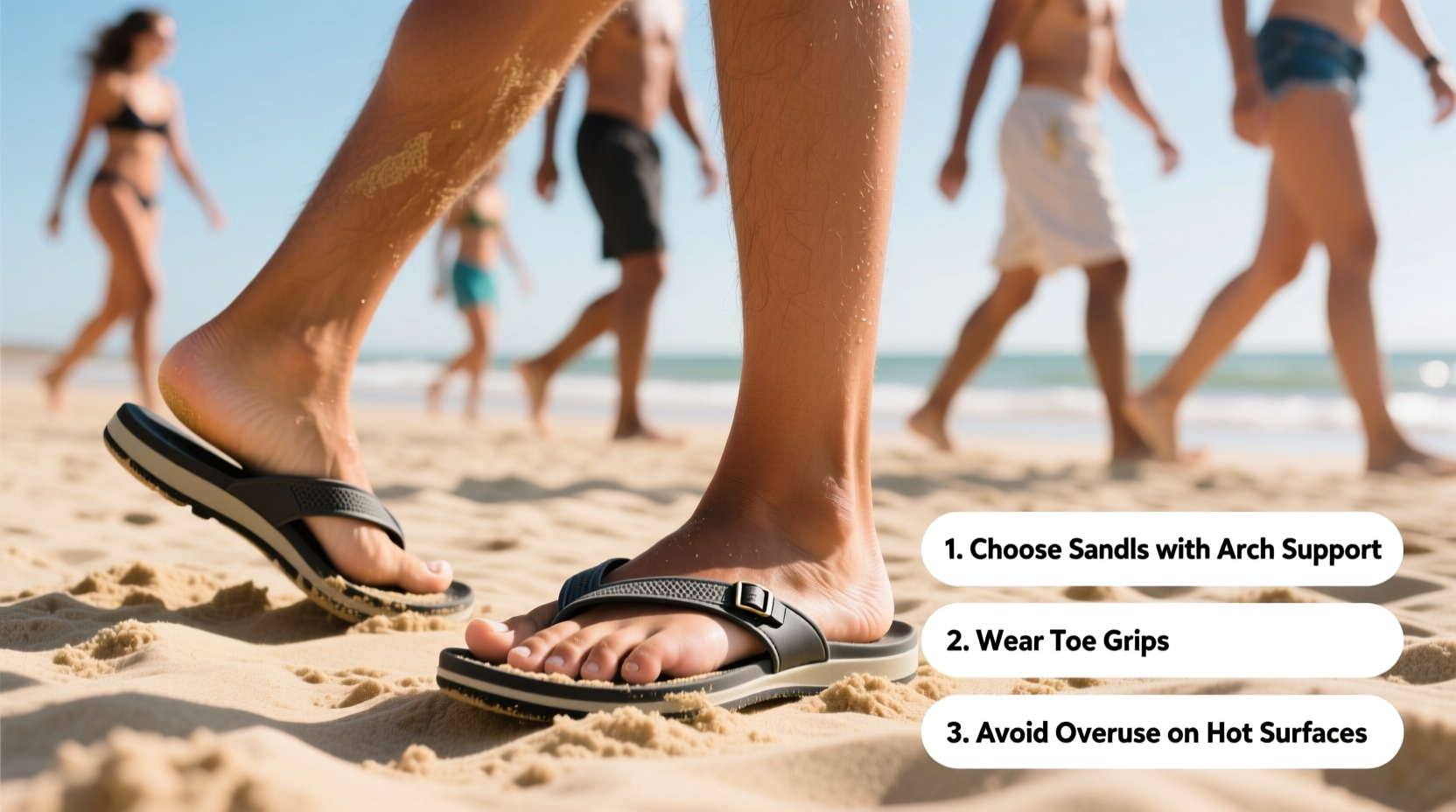
Clip toe sandals—commonly known as flip-flops or thong-style footwear—are designed for casual wear, not rugged terrain. On the beach, unstable surfaces like soft sand, scattered shells, and uneven boardwalks amplify their shortcomings. The lack of heel retention forces toes to grip with each step, increasing pressure on tendons and joints. Over time, this repetitive motion can contribute to plantar fasciitis, metatarsalgia, or stress fractures.
Additionally, sudden movements—such as stepping on a sharp shell or losing balance while walking uphill in sand—can cause the foot to slide forward, resulting in stubbed or crushed toes against the front strap. The absence of arch support also alters gait, leading to overpronation and strain in the ankles and knees.
“Patients often don’t realize that footwear choices directly impact lower limb mechanics. Wearing unsupportive sandals for extended periods on unstable ground increases injury risk significantly.” — Dr. Lena Torres, Podiatrist & Biomechanics Specialist
Choosing the Right Sandal for Beach Conditions
Not all clip toe sandals are created equal. Selecting a pair engineered for performance—not just fashion—can dramatically reduce injury potential. Look for models with:
- Contoured footbeds that cradle the arch and heel
- Wide, cushioned toe posts made from soft rubber or EVA foam
- Secure straps with adjustable closures (e.g., hook-and-loop or buckles)
- Non-slip outsoles with deep treads for traction on wet surfaces
- Durable materials resistant to saltwater and UV degradation
Do’s and Don’ts When Selecting Beach Footwear
| Do’s | Don’ts |
|---|---|
| Choose sandals with heel straps or ankle support | Avoid completely flat soles with no arch contour |
| Prioritize lightweight, quick-drying materials | Don’t buy oversized sandals “to allow for swelling” |
| Test fit at the end of the day when feet are slightly swollen | Never wear new sandals for a full beach day without breaking them in |
| Look for brands with orthopedic certifications | Ignore customer reviews about toe irritation or slipping |
Practical Strategies to Prevent Injury During Use
Even the best sandals require mindful usage. Implement these field-tested strategies to protect your feet while enjoying the shoreline.
Walk with Intention, Not Habit
Most people shorten their stride and shuffle when wearing flip-flops, which increases instability. Instead, maintain a natural gait by placing your entire foot down with each step. Avoid “toe-gripping”—the instinctive curling of toes to hold the sandal in place—as it strains the flexor tendons and leads to fatigue.
Limit Continuous Wear Time
Wear supportive shoes when traveling to and from the beach. Reserve clip toe sandals only for short walks along the shore or lounging near your towel. Experts recommend limiting continuous use to under two hours to prevent cumulative strain.
Inspect the Terrain Before Walking
Scan the sand for hazards: broken shells, bottle caps, jellyfish remnants, or hot pavement. Step cautiously over rocky areas or wooden ramps. When crossing heated surfaces like asphalt or metal decks, consider carrying your sandals briefly to avoid burns or rushing due to discomfort.
Tip: Carry a small mesh bag to store sandals when transitioning between zones—keeps them clean and prevents loss.Step-by-Step Guide: Preparing for a Safe Beach Day
- Week Before: Evaluate your current sandals. Are they worn? Do they cause discomfort after 30 minutes? Replace if necessary.
- Two Days Before: Break in new sandals with short indoor walks to identify pressure points.
- Morning of Visit: Apply moisturizer to heels and ball of foot to reduce friction; avoid oily products that may cause slippage.
- Arrival at Beach: Walk the first 5–10 minutes slowly, adjusting stride and posture.
- During Stay: Alternate between sand walking and sitting barefoot. Reassess comfort every hour.
- Leaving: Switch back to closed, supportive shoes for the drive home to relieve foot tension.
Real-Life Example: A Preventable Injury Turned Lesson
Sophia, a 34-year-old teacher from Miami, spent a full day at South Beach wearing fashionable but flimsy clip toe sandals. She walked from her car across scorching pavement, then traversed dunes and tidal zones throughout the afternoon. By evening, she experienced sharp pain in her left big toe and limped during her return walk. At urgent care, she was diagnosed with a bruised toenail and micro-tears in the toe webbing—both caused by repeated impact and friction from ill-fitting straps.
After switching to a supportive sandal with padded toe posts and using moleskin padding during recovery, Sophia now follows a strict beach footwear protocol. “I didn’t think a $15 sandal could cost me a week of pain,” she said. “Now I invest in quality and listen to my feet earlier.”
Essential Checklist for Safe Sandal Use on the Beach
- ✅ Choose sandals with anatomical footbeds and secure straps
- ✅ Break in new sandals before beach use
- ✅ Limit continuous wear to 2 hours or less
- ✅ Avoid toe-gripping by adjusting walking technique
- ✅ Carry supportive shoes for transit to and from the beach
- ✅ Inspect sand and walkways for debris and hazards
- ✅ Bring blister pads or moleskin as emergency protection
- ✅ Hydrate well—dehydration can increase muscle cramping and foot fatigue
Frequently Asked Questions
Can clip toe sandals cause long-term foot damage?
Yes. Prolonged use of unsupportive clip toe sandals can lead to chronic conditions such as plantar fasciitis, tendonitis, and altered gait patterns that affect the knees and lower back. Occasional, limited use with proper form poses minimal risk.
Are there medical-grade sandals suitable for beach use?
Yes. Brands like OluKai, Birkenstock, Chaco, and Vionic offer styles with podiatrist-approved support, durable water-resistant materials, and non-slip soles ideal for beach environments.
How do I treat a minor foot injury from sandals?
Clean the area gently with mild soap and water. For blisters, leave intact if possible and cover with a hydrocolloid bandage. Apply ice for swelling and rest the foot. Seek medical attention if signs of infection appear (redness, pus, fever).
Protect Your Feet, Enhance Your Experience
Your feet carry you through every adventure—don’t let a simple choice of footwear turn a relaxing beach day into a painful memory. By selecting better-designed sandals, modifying your walking habits, and respecting the physical demands of sandy terrain, you can significantly reduce the likelihood of injury. Prevention is always more effective than treatment.
💬 Have a tip for staying safe in beach sandals? Share your experience below and help others enjoy the shore with confidence and comfort.