
When temperatures drop, protecting your dog from the cold becomes a top priority—especially for small breeds, short-haired dogs, or those with health conditions. Pet owners often turn to winter clothing like dog dresses and jumpsuits, but not all options offer equal protection. While both may look stylish, their functional differences in warmth, coverage, and fit can significantly impact your dog’s comfort and safety. Understanding which garment provides superior insulation helps you make an informed decision based on your pet’s needs.
Understanding Winter Exposure Risks for Dogs
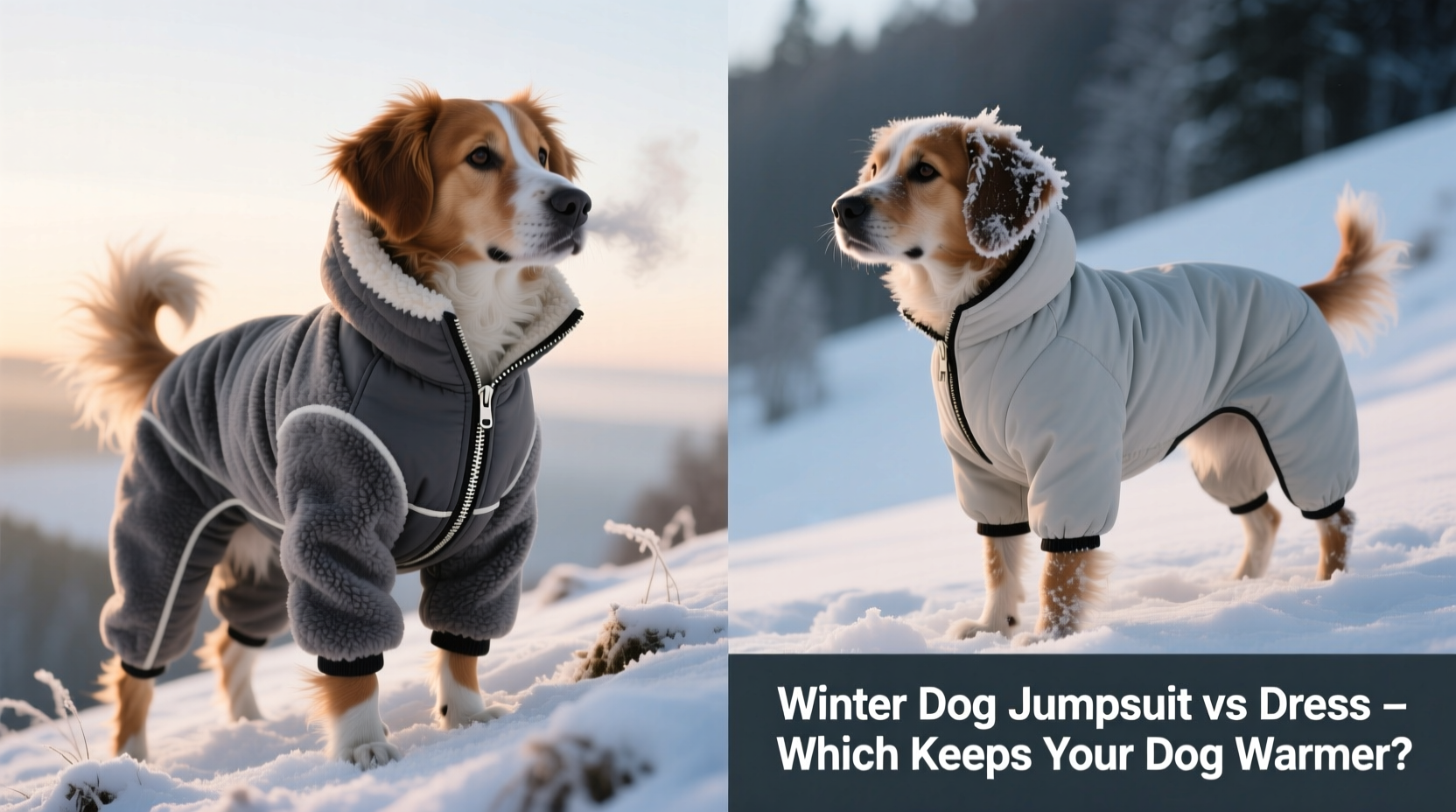
Dogs, despite their fur, are not immune to cold stress. Hypothermia and frostbite are real risks in freezing conditions, particularly when wet or windy weather is involved. Breeds like Chihuahuas, Greyhounds, and senior dogs lose body heat quickly due to low body fat and thin coats. Even cold-adapted breeds can suffer in extreme conditions if exposed for prolonged periods.
Clothing helps by creating a microclimate around the dog’s body, trapping warm air close to the skin. However, effectiveness depends on three factors: coverage area, material quality, and fit. A poorly chosen garment might give a false sense of security while failing to protect vital areas like the chest, belly, or limbs.
“Just because a dog is wearing something doesn’t mean it’s adequately protected. Coverage and fabric matter more than style.” — Dr. Lena Torres, DVM, Small Animal Wellness Specialist
Dog Dresses vs. Jumpsuits: Key Design Differences
At first glance, dog dresses and jumpsuits may seem interchangeable, but their structural design leads to significant performance gaps in cold weather.
- Dog dresses typically cover the back and torso, often ending just behind the front legs. They usually leave the belly, hind legs, and neck exposed. Many are made from lighter fabrics like cotton blends or knits, prioritizing aesthetics over insulation.
- Dog jumpsuits, also known as full-body suits or thermal onesies, extend from neck to tail, covering the chest, abdomen, back, and all four legs. They’re commonly constructed from fleece, neoprene, or wind-resistant synthetic layers designed for thermal retention.
The extended coverage of jumpsuits creates a continuous barrier against wind and moisture, minimizing heat loss through convection. In contrast, dresses often have open undersides, allowing cold air to circulate under the fabric—reducing their insulating value even if made from thick material.
Tip: If you can see your dog’s belly or legs through the garment, it’s unlikely to provide meaningful winter protection.Comparing Warmth: A Side-by-Side Analysis
| Feature | Dog Dress | Dog Jumpsuit |
|---|---|---|
| Coverage Area | Back and upper torso only | Full body, including legs and belly |
| Insulation Level | Low to moderate | Moderate to high (depending on material) |
| Wind Resistance | Poor – open underside | Good – sealed construction |
| Moisture Protection | Limited – absorbs water easily | Better – many are water-resistant |
| Mobility Impact | Minimal restriction | Slight adjustment needed; most allow normal gait |
| Best For | Indoor wear, photo sessions, mild climates | Outdoor walks, snow exposure, cold climates |
This comparison shows that jumpsuits outperform dresses in nearly every category related to thermal protection. The critical advantage lies in full coverage—particularly shielding the abdomen, where dogs lose heat rapidly due to thinner fur and proximity to cold ground.
Choosing the Right Material for Maximum Warmth
Even within jumpsuits, not all fabrics are created equal. The material directly influences how well the garment retains heat and manages moisture.
- Fleece: Lightweight and highly insulating, especially when brushed or polar fleece. Retains warmth even when damp and dries quickly.
- Neoprene: Often used in outdoor pet gear, it provides excellent wind and water resistance. Heavier than fleece but ideal for snowy or rainy conditions.
- Wool blends: Naturally temperature-regulating and breathable. Less common but effective for dogs sensitive to synthetics.
- Cotton or knit fabrics: Common in dresses; absorb moisture and lose insulation when wet. Avoid for outdoor winter use.
Look for garments labeled “thermal,” “water-resistant,” or “windproof.” Multi-layer designs with inner fleece and outer shell fabric offer the best defense against harsh elements.
Real Example: Winter Walks in Chicago
Sophie, a 7-year-old Pomeranian living in Chicago, struggled during winter walks. Her owner initially used a floral knit dress for brief outings, assuming the thick wool blend would suffice. After two weeks of shivering, reluctance to walk, and hunched posture, Sophie was diagnosed with mild hypothermia after a vet visit.
Her owner switched to a full-body fleece jumpsuit with leg sleeves and a high collar. Within days, Sophie walked confidently in 25°F (-4°C) weather, maintaining normal breathing and posture. The vet noted her core temperature remained stable during outdoor activity—a direct result of improved insulation and coverage.
Step-by-Step Guide: Choosing the Best Winter Gear for Your Dog
- Assess your dog’s breed and needs: Small, short-haired, young, or elderly dogs need more protection than large, double-coated breeds.
- Evaluate typical winter conditions: Frequent snow, rain, or sub-40°F (4°C) temperatures require full coverage and weather-resistant materials.
- Measure your dog accurately: Use a soft tape measure for neck, chest, length from base of neck to tail, and leg length. Refer to size charts before purchasing.
- Select a jumpsuit with full limb coverage: Ensure leg holes are snug but not tight, and the suit extends over the abdomen.
- Check for mobility: Let your dog walk, sit, and squat in the garment. It should not restrict movement or rub excessively.
- Test in short outdoor sessions: Monitor behavior and body temperature during brief walks before relying on it in extreme cold.
Frequently Asked Questions
Can my dog pee or poop while wearing a jumpsuit?
Most well-designed jumpsuits include a rear opening or snap closure near the tail to allow elimination without removal. Check the design before purchase and supervise your dog during bathroom breaks to ensure hygiene and comfort.
Is a dog dress ever suitable for winter?
Only in very limited scenarios—such as indoor events, quick trips between car and building, or as a layer under a waterproof coat. Never rely on a dress alone in freezing or wet conditions.
How do I clean a dog jumpsuit?
Follow care labels, but most fleece and synthetic jumpsuits can be machine washed in cold water on a gentle cycle. Air dry to preserve elasticity and avoid shrinkage. Avoid fabric softeners, which can degrade moisture-wicking properties.
Final Checklist Before Buying Winter Dog Clothing
- ✅ Full coverage of chest, belly, and back
- ✅ Leg sleeves or openings for secure fit
- ✅ Made from thermal or weather-resistant fabric (fleece, neoprene)
- ✅ Snug but not restrictive fit—allows full range of motion
- ✅ Easy to put on and take off
- ✅ Includes reflective strips for nighttime visibility
- ✅ Machine washable and durable for frequent use
Conclusion
When it comes to keeping your dog warm in winter, function must outweigh fashion. While dog dresses may charm at holiday parties, they fall short in genuine cold protection. Dog jumpsuits, with their comprehensive coverage and advanced materials, are the superior choice for maintaining body heat, resisting wind and moisture, and ensuring comfort during outdoor activities.
Your dog depends on you to make smart choices when the mercury drops. By choosing a high-quality jumpsuit tailored to their size and lifestyle, you’re not just dressing them up—you’re safeguarding their health and well-being. Don’t let cuteness compromise warmth. Equip your pet properly, and enjoy safe, joyful winter adventures together.
💬 Have experience with dog winter clothing? Share your story or tips in the comments—your insight could help another pet parent make the right choice!