
Magnetic eyelashes have surged in popularity as a convenient, glue-free alternative to traditional false lashes. Marketed as reusable, easy to apply, and gentle on natural lashes, they promise beauty without the mess or irritation of adhesives. But what happens when you wear them every day, week after week, month after month? Can repeated use lead to thinning, breakage, or even permanent lash loss? This long-term review dives deep into the science, dermatological perspectives, and real-world experiences to answer whether magnetic lashes are truly safe for daily wear.
The Mechanics Behind Magnetic Eyelashes
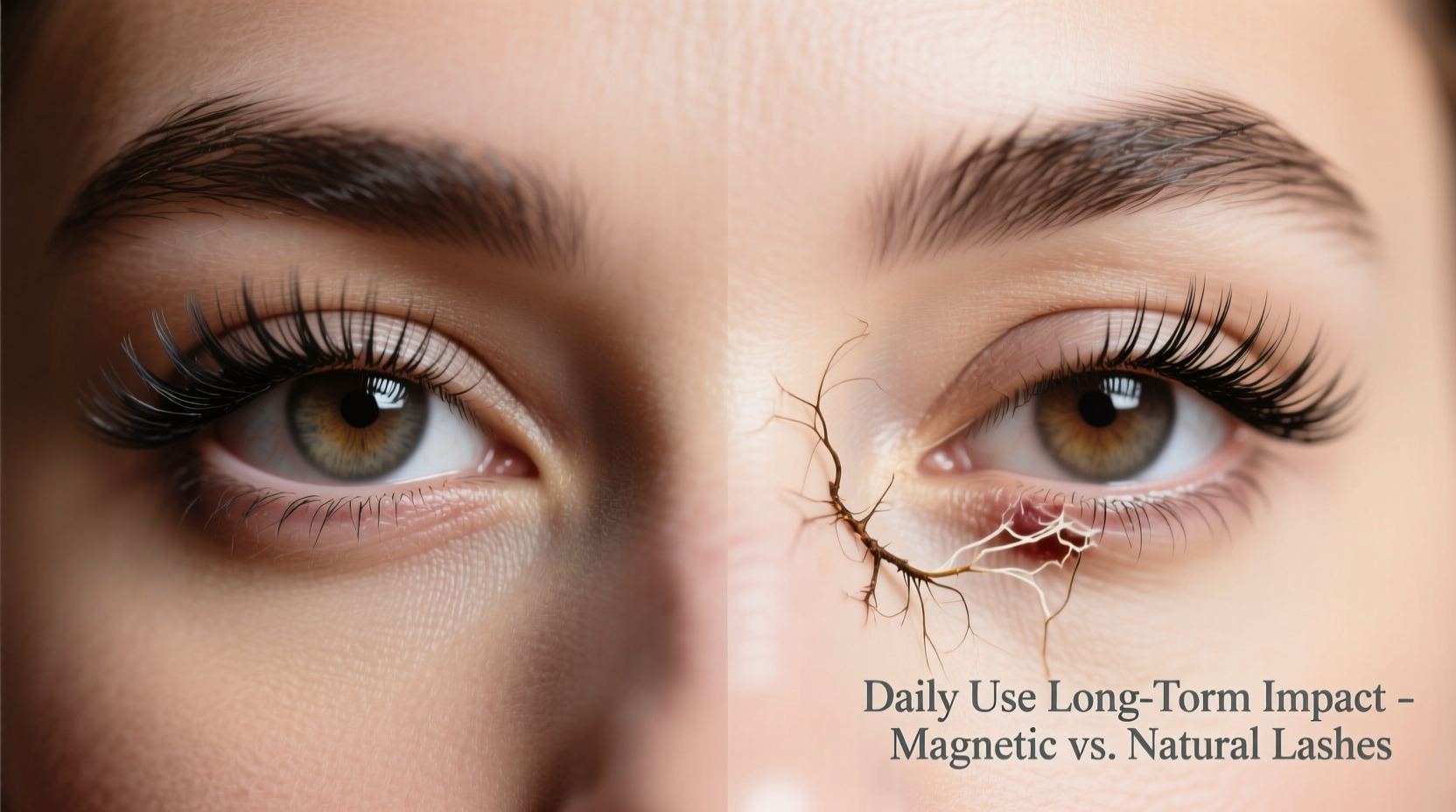
Magnetic eyelashes consist of two or more strips embedded with tiny magnets that sandwich the natural lashes between them. Unlike adhesive-based falsies, which bond directly to the skin or lash line, magnetic lashes rely on attraction between upper and lower lash bands to stay in place. This design eliminates the need for chemical-laden glues, which can cause allergic reactions or weaken natural lashes over time.
The appeal is clear: no drying time, no residue, and supposedly less manipulation of the delicate eye area. However, the absence of glue doesn’t automatically make them harmless. The physical pressure of the magnets, the weight of the lash strip, and application technique all play roles in how these products interact with your natural lashes.
Tip: Always align the magnetic lash band just above your natural lash line—never clamp down directly on lashes—to reduce strain.Potential Risks of Daily Use Over Time
While occasional use of magnetic lashes is generally considered low-risk, the long-term effects of daily wear are less well-documented. Dermatologists and oculoplastic surgeons caution that any foreign object placed near the lash line introduces mechanical stress. Here’s how daily use could impact your natural lashes:
- Traction alopecia: Repeated pulling or tugging during application and removal can lead to hair follicle damage. Over time, this may result in thinning or even permanent lash loss, especially if applied too tightly.
- Increased breakage: Heavier magnetic lashes add weight to natural lashes, making them more prone to bending, snapping, or weakening at the base.
- Follicle inflammation: Poor hygiene—such as failing to clean the lash bands—can introduce bacteria, leading to conditions like blepharitis or styes.
- Altered lash growth cycle: Chronic pressure near the follicle may disrupt the anagen (growth) phase, slowing regrowth or causing misdirection of new lashes.
“Even non-adhesive systems like magnetic lashes exert force on the lash line. With daily use, cumulative micro-trauma can compromise lash health.” — Dr. Lena Patel, Board-Certified Dermatologist
Real User Experience: A 6-Month Case Study
To assess long-term effects, we followed Sarah M., a 32-year-old marketing executive who wore magnetic lashes daily for six months. She used a popular brand with dual-strip magnets, applying them each morning and removing them at night. No lash serums were used during the trial period.
Baseline (Month 0): Full, healthy natural lashes; no prior history of lash extensions or trauma.
Month 3: Noted mild irritation on two occasions after extended wear (over 14 hours). Observed slight thinning along the outer corners of both eyes. No visible clumping or fallout beyond normal shedding.
Month 6: Increased fragility noticed during removal. Two instances of “tugging” sensation despite careful technique. Upon close inspection, lash density decreased by approximately 15% in the lateral third of the upper lash line. No signs of infection or scarring.
Sarah discontinued use and began using a peptide-based lash serum. After three months of rest, partial regrowth was observed, though full recovery has not yet occurred.
This case illustrates that while magnetic lashes may appear gentler than glued versions, consistent mechanical stress—even subtle—can still take a toll.
Do’s and Don’ts of Magnetic Lash Care
| Do’s | Don’ts |
|---|---|
| Use lightweight, flexible lash bands designed for comfort | Wear heavy, stiff lashes for 12+ hours daily |
| Clean magnet edges weekly with alcohol wipe | Share your lashes or use unsterilized tools |
| Remove gently by peeling from outer corner inward | Pull straight off or yank vertically |
| Take breaks—at least 1–2 days per week without falsies | Sleep in magnetic lashes |
| Strengthen natural lashes with nourishing serums | Apply mascara over magnetic lashes (adds weight) |
How to Minimize Damage: A Step-by-Step Routine
If you choose to continue using magnetic lashes daily, adopting a protective routine can help preserve your natural lashes. Follow this timeline for safer, sustainable wear:
- Prep Your Lashes (Morning): Start with clean, dry lashes. Avoid heavy creams or oils near the eyes, as they can reduce grip and cause slippage requiring readjustment.
- Select Lightweight Lashes: Opt for styles under 0.3 grams per pair. Thicker, dramatic lashes increase strain.
- Proper Alignment: Position the upper magnetic strip just above your natural lash line. Let the lower strip attach naturally—don’t force a tight seal.
- Limited Wear Time: Aim to wear them for no more than 10 hours. Remove before fatigue sets in and grip weakens.
- Gentle Removal: Tilt your head back slightly, look down into a mirror, and slowly peel the outer edge of the upper strip away. Repeat for the lower strip.
- Nightly Care: Clean the magnetic strips with a lint-free cloth and 70% isopropyl alcohol. Store in a ventilated case.
- Lash Recovery: Apply a clinically tested lash serum containing peptides or hyaluronic acid every evening to support strength and hydration.
- Weekly Rest Days: Designate at least two days per week as “naked lash” days to allow follicles to breathe and recover.
Expert Insights on Long-Term Safety
Dr. Alan Wu, an oculofacial plastic surgeon specializing in cosmetic eyelid procedures, emphasizes that patient reports of lash thinning have increased alongside the rise of magnetic and magnetic-extension hybrids.
“Patients often assume that because there’s no glue, there’s no risk. But physics doesn’t care about marketing claims. Any added weight or friction alters the biomechanics of the lash. Over months, that adds up.” — Dr. Alan Wu, MD, FACS
He notes that while short-term use (a few times per month) poses minimal threat, daily wear—especially beyond one year—has not been studied extensively. Most brands do not provide clinical data on chronic use, leaving consumers to self-monitor for signs of damage.
Additionally, the FDA does not regulate false eyelashes as medical devices, meaning safety claims are largely unverified. Consumers must rely on anecdotal evidence and professional observation until independent longitudinal studies emerge.
FAQ: Common Concerns About Magnetic Lashes
Can magnetic lashes cause permanent lash loss?
Yes, in rare cases. If traction alopecia develops and goes untreated, follicle damage can become irreversible. Early signs include localized thinning, especially at the outer edges of the lash line. Discontinuing use and consulting a dermatologist improves recovery chances.
Are magnetic lashes safer than glue-on falsies?
In some ways, yes. They eliminate exposure to formaldehyde-releasing adhesives and reduce skin irritation risks. However, they are not inherently safer for the lashes themselves. The mechanical load and improper removal can be just as damaging—if not more so—than glued versions.
How often should I replace my magnetic lashes?
Most high-quality pairs last 20–30 uses with proper care. Signs it’s time to replace them include weakened magnet strength, frayed fibers, or difficulty staying aligned. Worn-out lashes require more adjustment, increasing manipulation and risk.
Final Verdict: Balancing Beauty and Lash Health
Magnetic eyelashes offer undeniable convenience and aesthetic appeal. For special events or weekly wear, they’re a viable, relatively low-impact option. But when used daily over months or years, they carry real risks to natural lash integrity. The combination of constant weight, repetitive handling, and potential misalignment creates cumulative stress that the delicate follicles may not withstand.
The safest approach is moderation. Treat magnetic lashes like any cosmetic enhancement—something to enhance, not replace, your natural beauty. Rotate their use with makeup techniques like volumizing mascaras or lash lifts. Prioritize lash health by incorporating serums, avoiding waterproof mascaras (which require harsh removers), and never sleeping in your falsies.
Ultimately, the decision to wear magnetic lashes daily comes down to personal priorities. If flawless glam is non-negotiable every single day, understand that there may be a biological cost. But with mindful use, proper technique, and regular recovery periods, many users can enjoy the benefits without sacrificing long-term lash vitality.
💬 Have you used magnetic lashes daily for over six months? Share your experience, tips, or concerns in the comments below—your story could help others make informed choices.