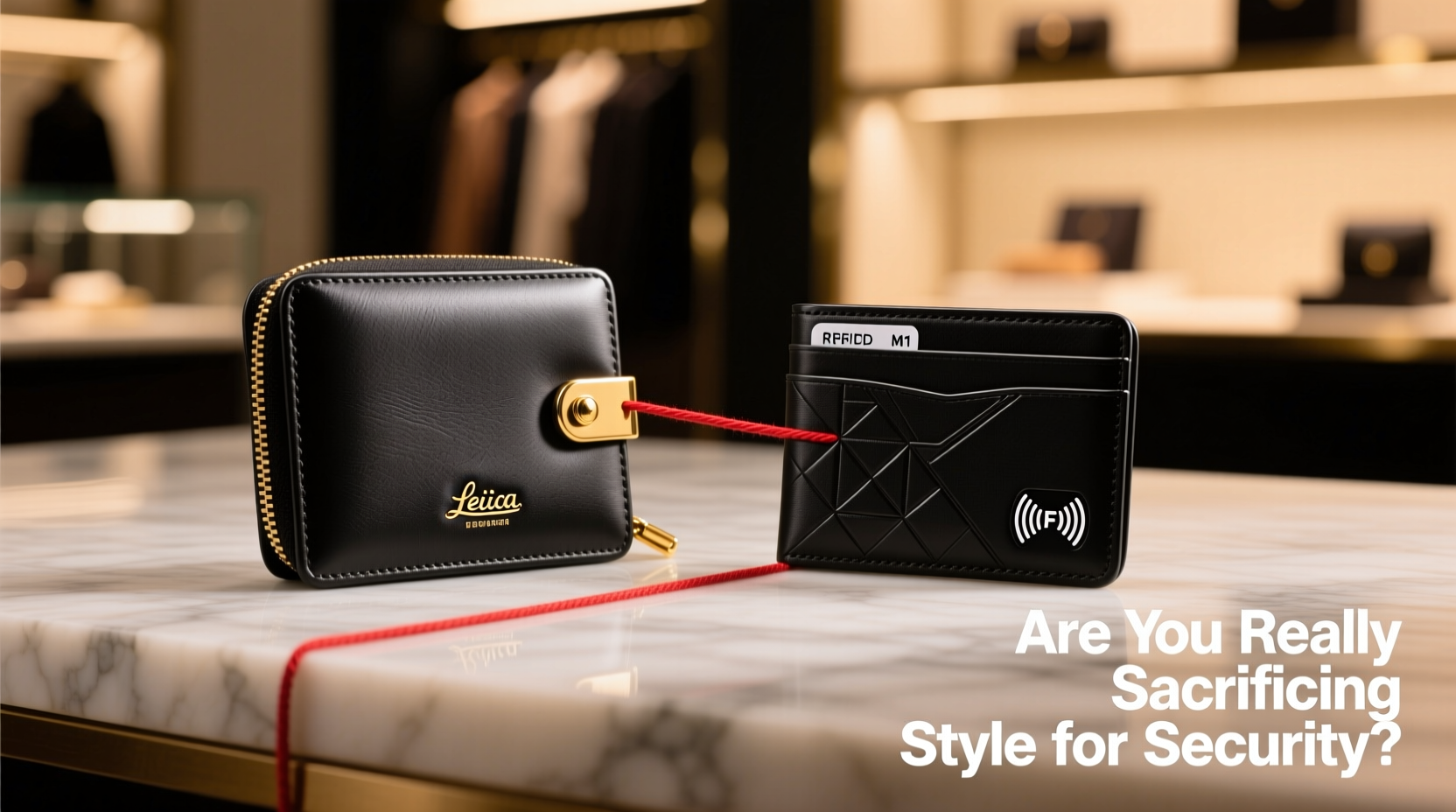
In an age where digital threats loom as large as physical ones, the humble wallet has evolved. What was once a simple leather pouch for cash and cards now sits at the crossroads of fashion and function. The rise of RFID-blocking wallets—engineered to protect against wireless skimming—has sparked debate: do these tech-savvy accessories come at the cost of elegance? Meanwhile, luxury designer wallets continue to dominate style-driven markets, often ignoring built-in security features. So, are you really forced to choose between looking good and staying safe?
The truth is more nuanced than marketing would have you believe. With advancements in materials and design, the gap between security and sophistication is narrowing. But understanding the real trade-offs requires a closer look at technology, aesthetics, consumer behavior, and long-term value.
The Evolution of the Wallet: From Status Symbol to Security Device
Historically, a wallet was a personal statement. A slim Gucci bi-fold or a buttery soft Louis Vuitton cardholder signaled taste, success, and attention to detail. These were crafted not just for utility, but as heirloom-quality accessories meant to age gracefully.
Fast forward to today. Contactless payments, embedded chips, and near-field communication (NFC) have made transactions faster—but also more vulnerable. RFID skimming, where thieves use handheld readers to steal card data through pockets or bags, is no longer science fiction. While actual incidents remain relatively rare, the risk is real enough to prompt action.
Enter the RFID wallet. Initially clunky and utilitarian, early models prioritized shielding over style. Wrapped in metallic linings and bulky layers, they looked more like Faraday cages than fashion items. But as demand grew, so did innovation. Today’s RFID wallets blend minimalist silhouettes with sleek finishes, challenging the notion that protection must come at the expense of polish.
Breaking Down the Myths: Security vs. Style
One persistent myth is that all RFID wallets are inherently unattractive. This stems from outdated perceptions. Modern brands like Secrid, Bellroy, and Ekster produce RFID-protected wallets with clean lines, premium leathers, and thoughtful ergonomics. Some even rival high-end designer pieces in craftsmanship.
Conversely, another myth suggests that designer wallets offer superior quality across the board. While many do use excellent materials, several major fashion houses still omit RFID protection entirely. In some cases, their wallets are thinner not because of refined engineering, but due to minimal internal structure—making them prone to wear and tear under daily use.
Tip: Don’t assume luxury branding equals better functionality. Always check whether a designer wallet includes RFID shielding if security matters to you.Comparing Key Features: Designer vs RFID Wallets
| Feature | Designer Wallets | RFID Wallets |
|---|---|---|
| Primary Focus | Brand prestige, visual appeal | Data protection, durability |
| Security Features | Rarely include RFID blocking | Standard RFID/NFC shielding |
| Materials | Premium leather, exotic skins | Leather, aluminum, polycarbonate |
| Price Range | $200–$600+ | $70–$200 |
| Lifespan | 3–7 years (with care) | 5–10+ years (reinforced builds) |
| Ease of Access | Traditional flip-open designs | Slide-out mechanisms, quick-access trays |
This comparison reveals a shift: while designer brands excel in image, many RFID-focused brands outperform them in practical longevity and technological relevance.
A Real-World Scenario: James’ Cross-City Commute
James, a financial analyst in London, used a black Saint Laurent leather wallet for years. It looked sharp in his suit pocket and earned compliments during client meetings. But after reading about RFID theft on public transport, he grew uneasy. He dismissed early RFID options as “geeky” until trying a Bellroy Note Sleeve.
To his surprise, the minimalist design matched his aesthetic. The aluminum shell protected both cards and phone, and the slim profile fit comfortably in his front pocket. After six months, he hadn’t missed the designer logo—not when his peace of mind had increased so dramatically.
“I realized I wasn’t carrying a status symbol anymore,” James said. “I was carrying my identity. That changes what you prioritize.”
“We’re seeing a generational shift. Young professionals care about discretion, efficiency, and digital safety—not just logos.” — Lena Torres, Product Strategist at Urban Gear Labs
How to Choose Without Compromise
You don’t have to sacrifice style for security—if you know what to look for. Here’s a step-by-step guide to making a balanced decision:
- Assess Your Risk Exposure: Frequent traveler? Use contactless cards? Live in a dense urban area? Higher exposure may justify stronger protection.
- Define Your Style Non-Negotiables: Slim profile? Leather finish? Color preference? List your top three aesthetic priorities.
- Test for Functionality: Can you access your most-used card quickly? Does it hold folded bills without bulging?
- Verify Shielding Standards: Look for wallets tested to block 13.56 MHz (standard for NFC/RFID). Reputable brands publish lab results.
- Consider Long-Term Value: A $150 RFID wallet lasting a decade costs less per year than a $400 designer piece replaced every four years.
Checklist: Choosing the Right Wallet for You
- ☐ Prioritizes RFID protection if you use contactless cards
- ☐ Matches your daily carry needs (cards, cash, ID)
- ☐ Fits comfortably in your preferred pocket (front/back)
- ☐ Uses high-quality, durable materials (not just branded leather)
- ☐ Offers easy access without compromising security
- ☐ Aligns with your personal style—minimalist, classic, or bold
- ☐ Backed by warranty or satisfaction guarantee
FAQ: Common Questions About Designer vs RFID Wallets
Is RFID skimming actually a common threat?
While widespread panic is unwarranted, verified cases exist—especially in crowded areas like airports and subways. The risk is low but non-zero. For frequent travelers or those with multiple contactless cards, protection is a reasonable precaution.
Do all designer brands ignore RFID protection?
No, but it’s inconsistent. Some niche luxury labels like Montblanc and Saddleback offer RFID versions, but major fashion houses rarely include it as standard. Always verify product specs before assuming protection.
Can I add RFID protection to my existing designer wallet?
Yes—though not ideal. You can insert RFID-blocking sleeves or cardholders into your current wallet. However, this often increases bulk and disrupts the clean design you likely paid for.
Conclusion: Style and Security Are No Longer Mutually Exclusive
The idea that you must choose between looking polished and staying protected belongs to the past. Today’s best wallets merge intelligent design with robust defense. Whether you lean toward heritage craftsmanship or cutting-edge functionality, the market offers options that honor both principles.
The real question isn’t whether you can have style and security—it’s whether you’re willing to rethink what a wallet should do. It’s no longer just a container for money. It’s a guardian of your digital footprint, your travel access, and your daily confidence.
💬 Have you switched from a designer wallet to an RFID model—or kept both? Share your experience and help others find balance between form and function.








