Spring brings unpredictable weather—chilly mornings, breezy afternoons, and the occasional surprise shower. As temperatures fluctuate, layering becomes essential. For women who love pairing dresses with outerwear, two classic choices stand out: the denim jacket and the chore coat. Both are timeless, functional, and effortlessly stylish, but they serve different purposes when worn over a dress. Understanding their distinct silhouettes, materials, and styling potential can help you make smarter wardrobe decisions during transitional seasons.
Understanding the Core Differences
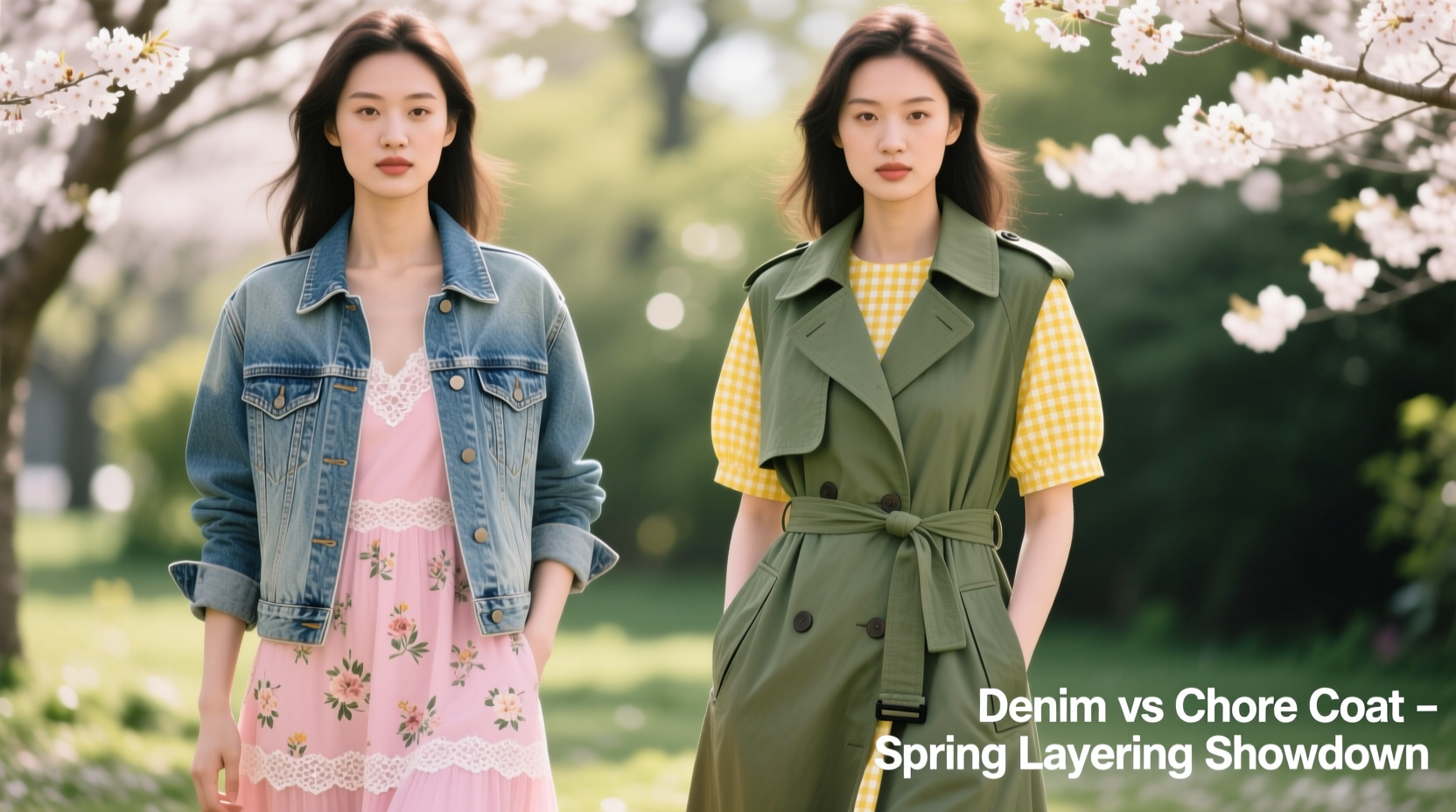
The denim jacket and the chore coat originate from workwear traditions but have evolved into fashion staples. The denim jacket emerged in the late 19th century as durable outerwear for laborers and miners. Made from sturdy cotton twill dyed with indigo, it was designed to withstand hard use. Over time, it became a symbol of rebellion, youth culture, and casual cool.
In contrast, the chore coat originated in early 20th-century France, worn by manual workers on farms and factories. Traditionally crafted from heavy cotton canvas or moleskin, it features multiple large pockets, a straight cut, and often button-front closures. Its utilitarian roots translate into practicality and rugged charm.
When layered over a dress, these jackets perform differently—not just in function, but in how they shape your silhouette and influence your overall aesthetic.
Tip: Always consider the weight and drape of your dress fabric before choosing an outer layer—lighter fabrics pair better with softer jackets.Style & Silhouette: How Each Jacket Shapes Your Look
The visual impact of a jacket over a dress depends heavily on proportion, cut, and volume. A denim jacket typically has a more structured yet fitted shape. It cinches slightly at the waist (especially vintage or tailored styles), creating definition when worn over flowy or body-conscious dresses. This makes it ideal for balancing loose silhouettes like smocks, shirt dresses, or tiered midi styles.
Chore coats, by comparison, tend to be boxier and looser. Their relaxed fit adds volume through the shoulders and hips, giving off a more editorial, lived-in vibe. When layered over a slip dress or a minimalist shift, the chore coat introduces contrast—soft femininity meets utilitarian edge. However, if not styled carefully, the bulkiness can overwhelm petite frames or delicate fabrics.
Fabric texture also plays a role. Denim’s slight stiffness gives structure, while chore coats—especially those in brushed cotton or moleskin—offer a softer hand feel and drape more fluidly over curves.
“Layering is about balance. A denim jacket sharpens the look; a chore coat softens and grounds it.” — Lena Torres, Fashion Stylist & Wardrobe Consultant
Material & Weather Performance
Spring weather demands adaptability. Mornings might call for warmth, while midday sun requires breathability. Here’s how each jacket performs:
- Denim Jackets: Typically made from 100% cotton denim, they offer moderate insulation but lack wind resistance unless lined. Lightweight versions (9–12 oz) are best for spring, preventing overheating. Unlined denim breathes reasonably well, though darker washes absorb more heat under direct sunlight.
- Chore Coats: Often constructed from heavier cotton canvas (12–14 oz) or water-resistant finishes, they provide better protection against wind and light rain. Some modern versions include linen-cotton blends for improved airflow, making them suitable for milder days. Their dense weave blocks drafts more effectively than standard denim.
If your spring routine includes outdoor markets, bike rides, or urban walks with variable exposure, the chore coat may offer superior comfort. But if you're transitioning from indoors to mild outdoor temps—like café visits or daytime events—the denim jacket provides a lighter, more polished layer.
Weather Suitability Comparison
| Feature | Denim Jacket | Chore Coat |
|---|---|---|
| Wind Resistance | Moderate (better if lined) | High (dense fabric) |
| Breathability | Good (lightweight denim) | Fair to Good (varies by blend) |
| Rain Protection | Poor (absorbs moisture) | Fair (some treated fabrics) |
| Thermal Insulation | Low to Moderate | Moderate to High |
| Drying Time | Slow (holds dampness) | Moderate (depends on finish) |
Styling Flexibility Across Dress Types
Not all dresses respond equally to outerwear. The success of a denim jacket or chore coat depends on the dress's length, neckline, and formality.
With Midi and Maxi Dresses
Flowing midi or maxi dresses benefit from the cropped length of most denim jackets, which preserve the hemline visibility and maintain vertical balance. A black or medium-wash denim jacket pairs seamlessly with floral prints or solid linens. In contrast, a long chore coat (hip to thigh-length) can visually shorten taller frames unless belted or left open to reveal movement.
With Shirt Dresses
A chore coat layered over a tucked-in shirt dress creates a double-duty workwear look—ideal for creative offices or weekend errands. Roll up the sleeves slightly to emphasize texture contrast. Denim-on-denim works here too, but only if washes differ significantly (e.g., light top, dark bottom).
With Slip and Bodycon Dresses
For sleek, body-hugging styles, the denim jacket adds casual contrast without overwhelming the form. Choose a slim-cut version with minimal distressing. Chore coats, however, risk clashing due to volume mismatch—unless you go for an oversized slip dress to accommodate the bulk.
With Puff-Sleeve or Romantic Styles
Lace-trimmed or puff-sleeved dresses gain edgy contrast when topped with a rugged chore coat. This juxtaposition is a favorite among fashion editors for editorial shoots. Denim jackets work here too, especially in faded or vintage-inspired cuts that echo retro romance.
“The key is tension—between soft and hard, delicate and durable. That’s where true style emerges.” — Marcus Reed, Fashion Editor at *Urban Edit*
Real-Life Example: A Week of Spring Layering
Sophie, a 32-year-old graphic designer based in Portland, Oregon, tested both jackets over seven spring days. Her goal: find the most versatile layer for her capsule wardrobe.
On Monday and Tuesday, she wore a navy shirtdress with white piping. With the denim jacket, she felt put-together but chilly during her morning commute. The chore coat blocked the coastal breeze far better, though she unbuttoned it once indoors due to warmth retention.
Wednesday brought sunshine. She paired a gingham midi dress with the denim jacket—perfect for a picnic. The lighter fabric didn’t trap heat, and the look photographed beautifully. The chore coat felt too heavy and drew unwanted attention.
Thursday through Saturday, variable clouds and wind made the chore coat her go-to. She discovered that cinching it with a thin belt kept the silhouette flattering over a jersey knit dress. By Sunday, after washing both, she noted the denim required more effort to dry and maintain color, while the chore coat (cotton-linen blend) air-dried quickly and resisted wrinkles.
Verdict? She rotated both depending on conditions—but found the chore coat more reliable for unpredictable climates.
Step-by-Step Guide: Choosing the Right Layer for Your Spring Dress
- Assess your daily environment. Do you spend time outdoors, walk frequently, or face temperature swings? Prioritize protection if yes.
- Inventory your dresses. Note lengths, fabrics, and dominant styles. Flowy cottons suit denim; structured knits handle chore coats.
- Try both jackets over each dress. Observe how the shoulder line aligns, whether the waist is obscured, and if movement feels restricted.
- Test mobility and comfort. Sit, walk, and raise your arms. Does the jacket ride up or pull across the back?
- Evaluate ease of care. Denim may fade or shrink; chore coats in natural fibers need ironing. Choose based on your laundry habits.
- Finalize based on frequency of use. If you wear dresses 3+ times a week, owning both may be worth it. Otherwise, pick the one that complements your most common dress type.
Frequently Asked Questions
Can I wear a chore coat over a formal dress?
Yes, but choose carefully. A tailored chore coat in a neutral tone (khaki, olive, or charcoal) over a simple silk or satin sheath dress creates a modern, fashion-forward look. Avoid overly distressed or bulky versions for evening events.
Is a denim jacket too casual for work settings?
Not necessarily. Paired with a tailored shirt dress and ankle boots, a dark-wash, clean-cut denim jacket reads as smart-casual. Stick to minimal hardware and avoid rips or patches in professional environments.
How do I prevent my denim jacket from wrinkling my dress?
Put on the dress first, then the jacket. Avoid tight sleeves or stiff collars that rub against delicate fabrics. Store the jacket flat or on a padded hanger to maintain shape.
Checklist: Denim Jacket vs Chore Coat Decision Tool
- ☐ I prioritize lightweight layering → Lean toward denim
- ☐ I face windy or damp conditions → Choose chore coat
- ☐ My dresses are mostly flowy or romantic → Denim enhances contrast
- ☐ I prefer low-maintenance outerwear → Chore coat (if cotton-linen)
- ☐ I want a rugged, editorial look → Chore coat wins
- ☐ I value vintage appeal and pop culture resonance → Denim jacket
- ☐ I need one jacket for multiple dress types → Test both; consider hybrid styles
Conclusion: Make the Choice That Serves Your Life
The debate between a denim jacket and a chore coat isn’t about which is objectively better—it’s about alignment with your lifestyle, climate, and personal expression. For effortless cool and nostalgic charm, the denim jacket remains unmatched. But for resilience, coverage, and textural depth, the chore coat rises to the occasion, especially when spring weather refuses to settle.
Many women find value in owning both. Rotate them based on the day’s demands: denim for sunny brunches and casual outings, chore coats for blustery walks and transitional weeks. The most stylish wardrobes aren’t built on trends alone, but on thoughtful curation—where every piece earns its place.
💬 Which jacket do you reach for when dressing up a spring dress? Share your go-to combo and help others discover new ways to layer with confidence!








