When shopping for zirconia-studded necklaces, two common base metals appear: copper and sterling silver. At first glance, the difference in price seems to tell the whole story—sterling silver costs more, so it must be better. But is that always true? For budget-conscious buyers, fashion-forward shoppers, or those building a jewelry collection over time, understanding what you're actually paying for can make a significant difference in both satisfaction and long-term value.
The truth is more nuanced than a simple “you get what you pay for.” While material composition plays a major role, factors like plating, craftsmanship, skin sensitivity, and personal style also influence whether the higher price of a sterling silver zircon necklace justifies the investment—or if a copper-based alternative offers smarter value.
Material Breakdown: Copper vs Sterling Silver
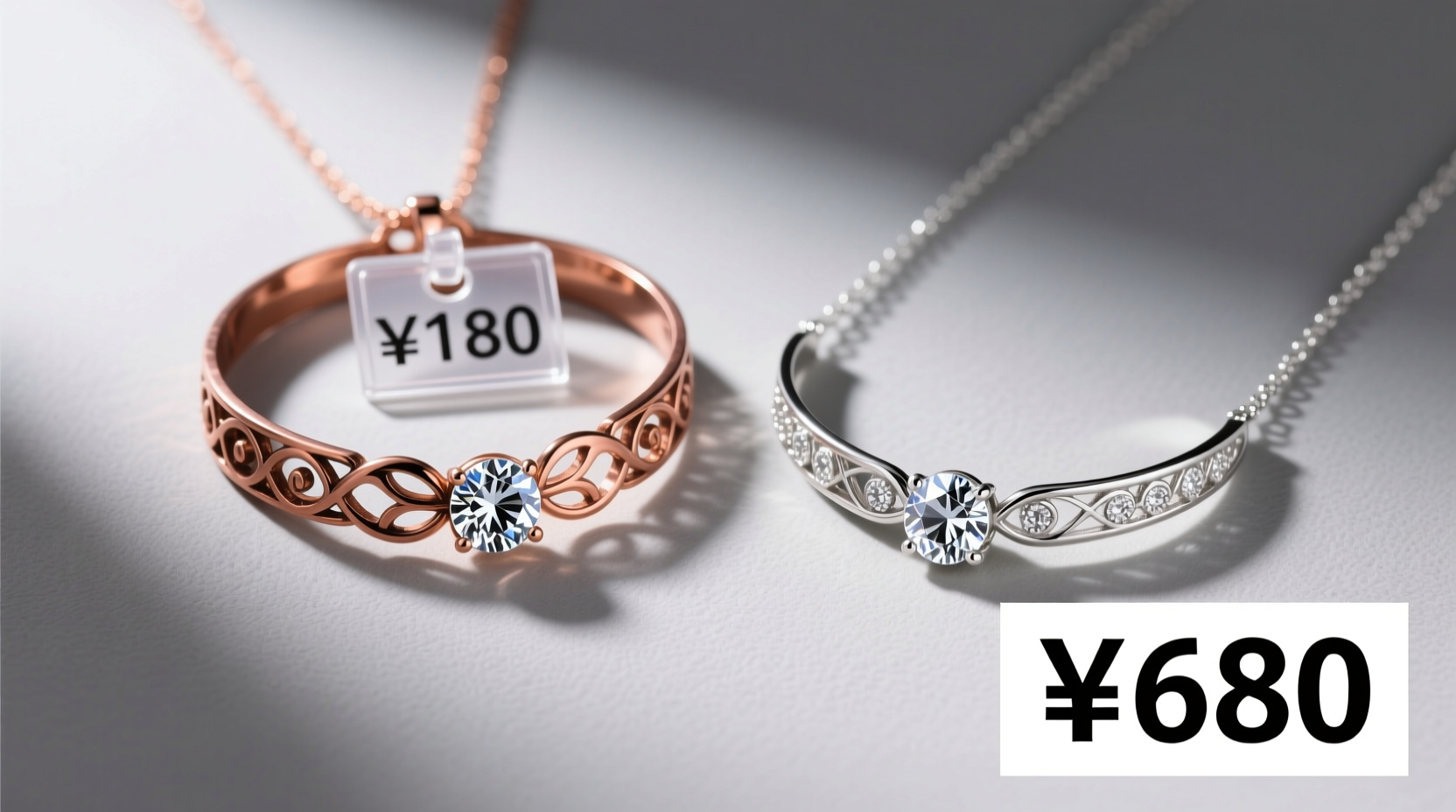
Copper and sterling silver are both used as base metals in costume and semi-fine jewelry, often plated with rhodium, gold, or anti-tarnish coatings to enhance shine and longevity. However, their inherent properties differ significantly.
Copper is a reddish-brown metal known for its excellent conductivity and malleability. It’s widely used in industrial applications but has a long history in jewelry as well. Pure copper oxidizes quickly when exposed to moisture and air, forming a green patina (think the Statue of Liberty). In jewelry, this reaction can lead to tarnishing and even temporary skin discoloration—often a green or black ring around the neck or fingers.
Sterling silver, on the other hand, is an alloy composed of 92.5% silver and 7.5% other metals (usually copper). This blend maintains the luster and hypoallergenic qualities of pure silver while improving durability. It resists corrosion better than pure copper and develops a softer, grayish tarnish over time—easier to clean and less likely to stain the skin.
Tip: If you're prone to skin reactions, look for copper pieces with a protective coating like enamel or rhodium plating to minimize direct contact.Appearance and Longevity Comparison
Aesthetically, both metals can achieve a bright, reflective finish when properly plated. Cubic zirconia stones look equally brilliant regardless of the base metal—what matters most is cut, clarity, and setting precision. However, how each metal holds up over time reveals key differences.
Copper, even when plated, tends to degrade faster under daily wear. Sweat, lotions, and humidity accelerate oxidation. Without careful maintenance, a copper zircon necklace may begin to dull within weeks and show visible tarnish or discoloration in a few months.
Sterling silver lasts longer under similar conditions. Though it will tarnish eventually, especially in humid environments, it generally retains its shine for several months with occasional wear. With proper care—such as regular polishing and storage in anti-tarnish pouches—it can remain beautiful for years.
“Sterling silver isn’t just about prestige—it’s about performance. Its resistance to corrosion and superior finish retention makes it a more sustainable choice for everyday jewelry.” — Lena Torres, Jewelry Designer & Materials Consultant
Price vs. Value: What Are You Really Paying For?
The price gap between copper and sterling silver zircon necklaces can range from 30% to over 200%, depending on brand, design complexity, and retailer markup. But does this disparity reflect real value?
In many cases, yes—but not always. A $45 sterling silver piece may offer twice the lifespan of a $15 copper version, making it more cost-effective per wear. However, some brands inflate prices based on branding rather than material integrity. Conversely, certain ethical artisans use high-quality copper with thick plating and durable settings, offering excellent value at mid-range prices.
The critical factor is transparency. Reputable sellers disclose metal content, plating thickness (e.g., 1-micron rhodium plating), and care instructions. Be wary of vague terms like “silver tone” or “metal alloy,” which often mask copper bases disguised as silver.
Comparison Table: Copper vs Sterling Silver Zircon Necklaces
| Feature | Copper Zircon Necklace | Sterling Silver Zircon Necklace |
|---|---|---|
| Base Metal | Copper (may include alloy) | 92.5% Silver + 7.5% Alloy |
| Tarnish Resistance | Low – oxidizes quickly | Moderate – tarnishes slowly |
| Skin Reaction Risk | Higher – may cause green marks | Lower – generally hypoallergenic |
| Average Price Range | $10–$30 | $35–$120 |
| Lifespan (with care) | 6–18 months | 2–5 years |
| Maintenance Needs | Frequent wiping, dry storage | Occasional polishing, anti-tarnish cloth |
Real-World Example: Two Buyers, Two Choices
Consider Sarah and Mia, both shopping for a dainty pendant necklace with a round cubic zirconia stone. Sarah chooses a copper-based model for $18 from an online marketplace. Mia opts for a sterling silver version from a local boutique, priced at $65.
After three months, Sarah notices her necklace darkening slightly and leaving a faint green line on her collarbone after wearing it during a humid summer day. She stops wearing it regularly. By month six, the plating has worn off near the clasp, exposing raw copper.
Mia’s necklace shows minor tarnish by month four but regains its shine with a quick polish using a silver cloth. After a year, hers still looks nearly new, worn weekly with minimal upkeep.
In this case, Mia paid more upfront but gained over three times the usable life. Her cost per wear ends up lower—and she avoids the frustration of premature deterioration.
How to Make the Right Choice for Your Lifestyle
Your ideal choice depends on how you plan to use the necklace. Ask yourself the following questions:
- Will I wear this daily or occasionally?
- Do I live in a humid climate or work out frequently?
- Am I sensitive to metals or prone to skin discoloration?
- Is this a long-term staple or a trendy seasonal piece?
If you’re buying a statement piece for special events, a well-made copper zircon necklace with protective plating might suffice. But for everyday elegance, heirloom potential, or sensitive skin, sterling silver is worth the investment.
Checklist: Choosing Between Copper and Sterling Silver
- ✔ Check product description for exact metal content (“sterling silver” vs “copper base”)
- ✔ Look for rhodium or gold plating to enhance durability <3>✔ Read customer reviews focusing on longevity and skin reactions
- ✔ Consider your typical wear environment (humidity, sweat, chemicals)
- ✔ Factor in cleaning tools—you’ll need a silver polishing cloth for sterling silver
- ✔ Compare warranties or return policies; reputable sellers stand behind their materials
Frequently Asked Questions
Can I wear a copper zircon necklace every day?
You can, but frequent wear accelerates tarnishing and increases the risk of skin discoloration. For daily wear, choose one with a protective coating and remove it before showering or exercising.
Does sterling silver zircon jewelry lose its sparkle over time?
Yes, but slowly. Sterling silver tarnishes due to sulfur exposure in air and moisture. Regular wiping with a soft cloth and periodic polishing maintain its brilliance. The cubic zirconia stones themselves do not degrade under normal conditions.
Is copper jewelry bad for your skin?
Not inherently. Some people believe copper has health benefits, such as reducing joint pain. However, acidic skin reacts with copper, causing green stains. These are harmless but cosmetically unappealing. Coated copper minimizes this effect.
Conclusion: Price Matters—But So Does Purpose
The price tag on a zircon necklace reflects more than just the metal—it signals expected lifespan, comfort, and overall value. While copper zircon options offer affordability and accessibility, they come with trade-offs in durability and maintenance. Sterling silver commands a higher price for good reason: it performs better over time, ages gracefully, and suits a wider range of lifestyles.
That said, smart shopping means matching the material to your needs. For fleeting trends or experimental styles, copper can be a practical entry point. For timeless pieces you want to wear for years, sterling silver is the clear winner.
💬 Have you compared copper and sterling silver zircon necklaces firsthand? Share your experience���what lasted longer, looked better, or surprised you—in the comments below.