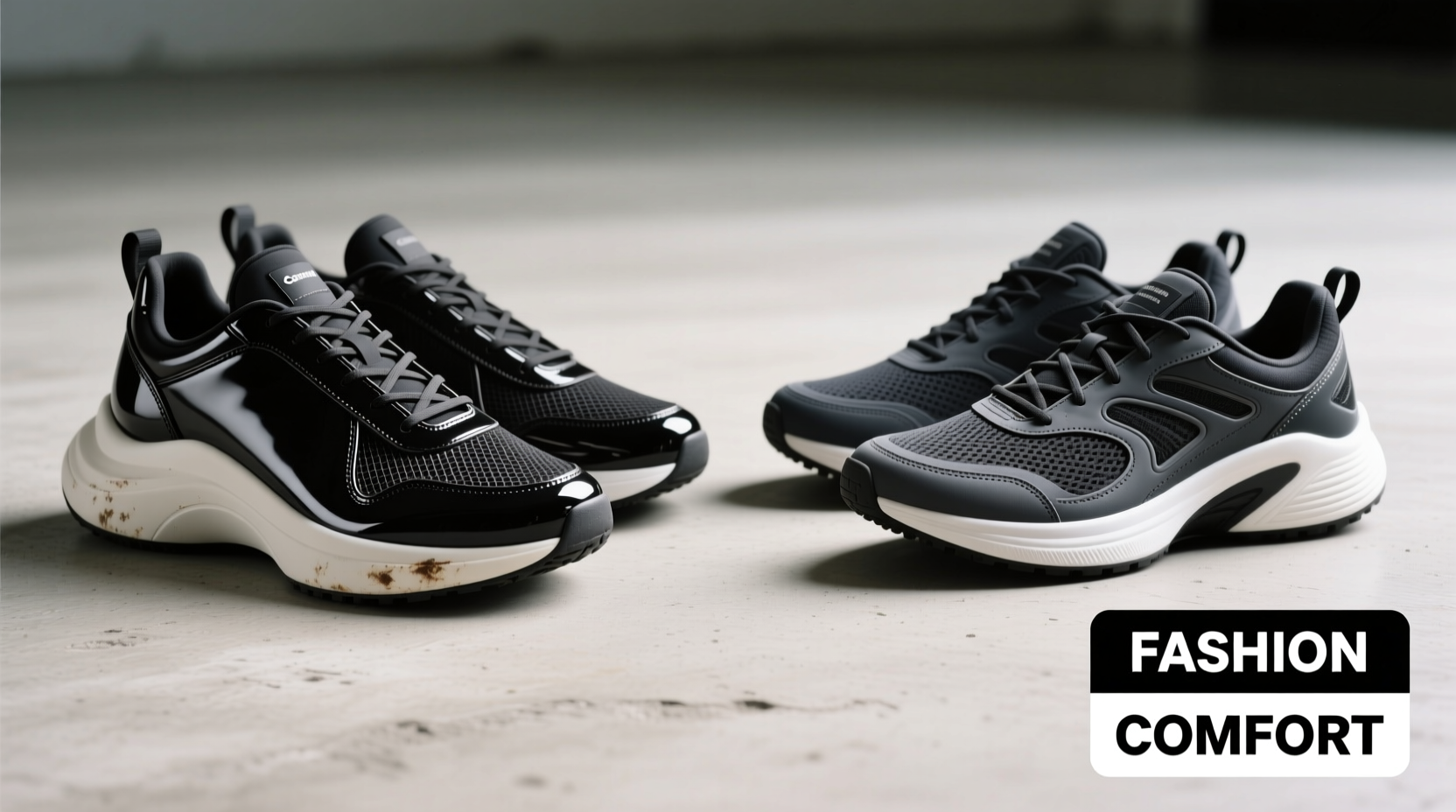
Fashion moves fast, and sneakers have become a cornerstone of modern style—worn on runways, city streets, and social media feeds alike. But as aesthetics evolve, so does a growing concern: do fashionable sneakers sacrifice comfort for looks? Many wearers love the sleek silhouette of a minimalist white sneaker or the bold statement of an avant-garde platform, only to end up with sore feet by midday. The debate between comfort and fashion isn’t new, but it’s reaching a tipping point as consumers demand both.
This tension stems from fundamental differences in design philosophy. Comfort-driven sneakers prioritize biomechanics, cushioning, and fit. Fashion-forward models often emphasize visual appeal, materials, and trend alignment—even if that means tighter fits, flatter soles, or rigid uppers. So, are fashion sneakers actually uncomfortable? The answer isn’t binary. It depends on design choices, brand priorities, and individual foot needs.
The Anatomy of Comfort in Sneakers
True comfort in footwear isn't just about softness—it's a combination of structural support, flexibility, breathability, and proper fit. Key components include:
- Midsole cushioning: Materials like EVA foam or polyurethane absorb impact and reduce strain on joints.
- Arch support: Proper contouring supports natural foot mechanics, especially during extended wear.
- Heel counter stability: A firm backstay prevents heel slippage and improves gait efficiency.
- Toe box room: Enough width allows toes to splay naturally, preventing bunions and discomfort.
- Upper material: Breathable fabrics like mesh reduce heat and moisture buildup.
Brands like New Balance, Hoka, and Brooks excel in these areas because their primary focus is performance and ergonomics. They invest heavily in podiatric research and motion analysis. Meanwhile, many fashion labels—despite using premium leathers or innovative textiles—often skip deep biomechanical testing, assuming style will outweigh functional shortcomings.
Tip: When trying on fashion sneakers, walk around on a hard surface for at least five minutes. Pay attention to pressure points near the toes or heels.Why Fashion Sneakers Often Fall Short on Comfort
Several factors contribute to the discomfort commonly associated with fashion-focused designs:
- Prioritizing slim profiles: Narrow toe boxes look sleek but can compress forefoot structures, leading to numbness or long-term issues like hammertoes.
- Flat insoles: Minimalist styling often omits cushioned footbeds, transferring full impact to the wearer’s feet.
- Rigid materials: Stiff leather or synthetic overlays limit flexibility, making shoes feel “board-like” during movement.
- High platforms or exaggerated heels: While trendy, elevated soles disrupt natural posture and increase ankle instability.
- Lack of ergonomic testing: Unlike athletic brands, many fashion houses don’t conduct gait studies or pressure mapping.
A telling example is the resurgence of ballet flats and retro-inspired court shoes reimagined as “fashion sneakers.” These may feature rubber soles and laces, but lack essential shock absorption. Wearing them all day often results in plantar fatigue—especially on concrete or tile floors.
“Many high-fashion sneakers are designed to be photographed, not walked in.” — Dr. Lena Torres, Podiatrist & Footwear Consultant
Comfort vs. Fashion: A Comparative Overview
| Feature | Comfort-Focused Sneakers | Fashion-Focused Sneakers |
|---|---|---|
| Midsole Cushioning | Advanced foams (e.g., Boost, React, DNA LOFT) | Minimal or flat padding |
| Arch Support | Anatomically contoured insoles | Generic flat footbeds |
| Toe Box Width | Generous, foot-shaped | Narrow, tapered |
| Flexibility | Bend easily at forefoot | Stiff due to structure or materials |
| Weight | Light to moderate, balanced | Can be heavy (platforms) or overly light (lacking structure) |
| Primary Goal | Support and endurance | Visual impact and trend relevance |
How to Choose Sneakers That Are Both Stylish and Comfortable
It’s possible to enjoy fashion without sacrificing foot health. The key is being intentional about selection and understanding your non-negotiables. Follow this checklist when shopping:
📋 **Sneaker Selection Checklist**- ✅ Try them on later in the day when feet are slightly swollen
- ✅ Walk on different surfaces (tile, carpet, incline)
- ✅ Check for heel slippage and toe crowding
- ✅ Press the sole—does it give slightly under thumb pressure?
- ✅ Look for removable insoles (allows orthotic replacement)
- ✅ Prioritize brands blending fashion and function (e.g., Axel Arigato, Common Projects with upgrades, Nike Air Max series)
Some designers are now bridging the gap. For instance, the Adidas Samba has surged in popularity not just for its vintage aesthetic but also for its vulcanized sole and snug-yet-forgiving fit. Similarly, Veja’s Campo model uses eco-materials while maintaining decent arch contouring. These represent a shift toward \"stealth comfort\"—designs that look fashion-forward but incorporate subtle ergonomic features.
Real-World Example: Emma’s Workweek Dilemma
Emma, a graphic designer in Berlin, needed sneakers that looked good for client meetings yet could handle her 30-minute bike commute and hours standing at her desk. She initially bought a pair of ultra-sleek Italian leather sneakers praised by influencers. After two days, she developed blisters and sharp pain under her left arch.
She switched to a hybrid model—Allbirds Tree Dashers in a neutral tone. Though less \"trendy,\" they offered breathable eucalyptus fiber uppers, responsive SweetFoam™ midsoles, and a supportive heel cup. Colleagues still complimented her clean look, and she no longer dreaded walking across the office. Her experience highlights a growing trend: professionals prioritizing livable style over fleeting trends.
Improving the Comfort of Fashion Sneakers You Already Own
If you’ve already invested in a pair of stylish but painful sneakers, don’t relegate them to the closet. Several modifications can enhance wearability:
- Add custom insoles: Brands like Superfeet or Currex offer slim orthotics that fit into tighter shoes without altering appearance.
- Use moleskin or blister pads: Apply to friction-prone areas like heels or pinky toes before wearing.
- Break them in gradually: Wear for short durations with thick socks to gently stretch tight zones.
- Consider professional stretching: Cobblers can widen specific areas using steam and clamps.
- Rotate pairs: Avoid wearing the same fashion sneakers two days in a row to prevent repetitive strain.
Frequently Asked Questions
Can fashion sneakers ever be truly comfortable?
Yes—but it depends on the brand and model. Some luxury and contemporary labels now collaborate with performance engineers. Look for hidden tech like memory foam collars, flexible grooves in the outsole, or adaptive knits. Always check reviews from long-term wearers, not just style bloggers.
Why do some expensive sneakers hurt more than cheap ones?
Price doesn’t guarantee comfort. High-cost fashion sneakers may use rare materials or hand-stitching that compromise flexibility. A $250 designer sneaker might prioritize craftsmanship over ergonomics, while a $100 performance model from a sportswear brand uses data-driven design for all-day wear.
Are there any fashion-forward brands known for comfort?
Yes. Consider:
- On Cloud: Swiss-engineered runners with a minimalist aesthetic.
- Greats: Premium materials with sneaker construction inspired by athletic lasts.
- Nike Court Legacy Lift: A fashion update on a classic with added platform cushioning.
- Reebok Club C 85: Retro style with a padded heel and soft suede upper.
Conclusion: Style Shouldn’t Mean Suffering
The idea that fashion sneakers must be uncomfortable is outdated—and increasingly unnecessary. Consumers today expect more: footwear that reflects personal style while supporting active lifestyles. As demand grows, more brands are responding with intelligent design that marries form and function.
You don’t have to choose between looking good and feeling good. With informed choices, smart accessories, and realistic expectations, it’s entirely possible to build a sneaker wardrobe that excels in both categories. Start by assessing your daily needs, trying shoes mindfully, and never letting aesthetics override anatomy. Your feet—and your confidence—will thank you.
💬 Have a favorite pair of stylish yet comfortable sneakers? Share your go-to model and why it works for you—we’re all looking for that perfect blend.