In recent months, a quiet but powerful shift has taken place in accessory fashion—small, delicate hair clips shaped like clovers and flowers have surged in popularity across social media, fashion runways, and everyday streetwear. More than just decorative pieces, they’re being embraced as modern-day talismans, worn not only for style but also for symbolic meaning. Whether it’s a dainty four-leaf clover nestled in a half-updo or a blooming cherry blossom clip framing the face, these tiny charms carry weight far beyond their size. But what sets them apart? And why are people choosing one over the other?
The answer lies at the intersection of tradition, personal belief, and contemporary design. As minimalist jewelry continues to dominate wardrobes, hair clips have become a subtle yet expressive way to convey identity, hope, and even superstition. This article dives deep into the rise of clover and flower hair clips as lucky charms, compares their cultural significance, and offers practical advice on how to wear and choose between them.
The Symbolism Behind the Styles
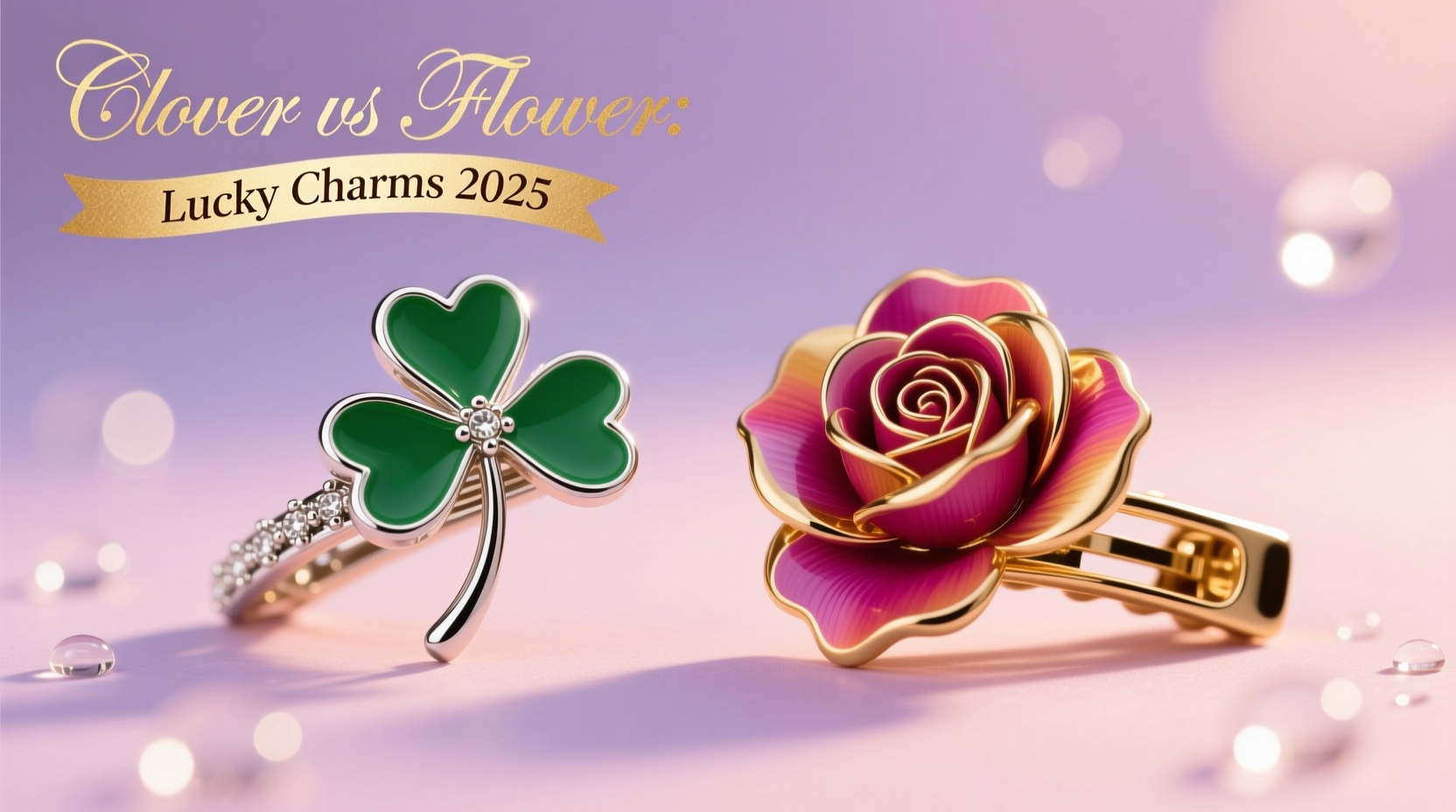
Clovers and flowers both carry rich symbolic histories, but their meanings diverge in important ways. Understanding these can help you decide which charm aligns more closely with your intentions.
The clover, particularly the four-leaf variety, is globally recognized as a symbol of good fortune. Each leaf represents something different: hope, faith, love, and luck. The rarity of finding a four-leaf clover in nature amplifies its mystique—fewer than 1 in 10,000 three-leaf clovers produce a fourth leaf. Wearing a clover hair clip isn’t just a nod to whimsy; it’s an intentional act of inviting serendipity into daily life.
Flowers, on the other hand, offer a broader emotional palette. A rose signifies romance, a lotus denotes rebirth, and a cherry blossom speaks to the fleeting beauty of life. Unlike the clover’s singular association with luck, floral clips allow for personal storytelling. Choosing a specific bloom becomes a way to express mood, memory, or aspiration.
“Accessories are the punctuation marks of personal style. A clover says ‘I believe in luck.’ A flower says ‘This is who I am today.’” — Lila Monroe, Fashion Anthropologist
Clover vs Flower Hair Clips: A Practical Comparison
To better understand the differences in function, appeal, and symbolism, here’s a detailed comparison:
| Feature | Clover Hair Clips | Flower Hair Clips |
|---|---|---|
| Primary Meaning | Luck, protection, optimism | Beauty, emotion, seasonality |
| Versatility | High – works year-round | Moderate – often seasonal (e.g., cherry blossoms in spring) |
| Fashion Pairing | Minimalist, bohemian, workwear | Romantic, feminine, vintage-inspired |
| Cultural Reach | Strong in Western cultures | Global, with regional variations (e.g., sakura in Japan) |
| Material Trends | Gold-tone metals, enamel details | Pearl centers, soft enamel, translucent resins |
This contrast shows that while clover clips lean toward universal symbolism and everyday wearability, flower clips excel in emotional nuance and aesthetic diversity. Your choice may depend on whether you prioritize luck or self-expression.
Tip: Match your hair clip to your intention for the day—choose a clover when seeking confidence before a big meeting, or a floral piece when wanting to feel connected to nature or memory.How to Style Lucky Hair Clips in Real Life
These small accessories shine brightest when styled with intention. They’re not meant to overpower, but to accentuate. Here’s how to integrate them seamlessly into your look.
- Placement matters: Position clover clips near the temple or behind the ear for a subtle wink of luck. Flower clips look best when placed asymmetrically above one ear, mimicking a real bloom tucked into hair.
- Hair type adaptation: Fine hair benefits from smaller clips with secure grips. Thick or curly hair can support slightly larger designs without slipping.
- Occasion alignment: Wear clover clips during job interviews, exams, or travel days. Reserve floral clips for dates, creative events, or moments when you want to feel emotionally grounded.
- Layer thoughtfully: Combine a clover clip with a simple chain hairpin for added texture—but avoid pairing multiple symbolic charms, which can dilute their impact.
Mini Case Study: Emma’s Job Search Journey
Emma, a 28-year-old graphic designer in Portland, began wearing a gold-plated clover hair clip every time she attended interviews. She had received it from her grandmother, who told her, “Luck favors those who believe they deserve it.” Over eight weeks, Emma wore the same clip to six interviews. On the seventh week, she landed her dream role at a sustainable design firm. While she credits her portfolio and preparation, she admits the clover became a psychological anchor. “It wasn’t magic,” she says, “but it reminded me I was capable. I felt calmer, more present.” Her story reflects a growing trend: people using symbolic accessories as tools for mindset reinforcement.
Choosing the Right Charm: A Decision Checklist
If you're torn between a clover and a flower, ask yourself the following:
- Am I drawn to this piece because I want more luck, or because I love how it looks?
- Does this design reflect a current goal—like confidence, growth, or peace?
- Will I wear it often, or is it more of a seasonal item?
- Do I connect with its cultural background? (e.g., Irish heritage for clovers, Japanese aesthetics for cherry blossoms)
- Is the clip made with durable materials? (Look for stainless steel pins and secure soldering)
Answering honestly helps ensure your choice feels meaningful—not just trendy.
Expert Care Tips for Long-Lasting Charms
Because these clips are worn close to hair and skin, they accumulate oils, sweat, and product buildup. To preserve their appearance and symbolic value:
- Clean weekly: Use a soft toothbrush and mild soapy water. Avoid harsh chemicals.
- Dry thoroughly: Moisture leads to tarnishing, especially in silver or gold-plated pieces.
- Store separately: Keep in a fabric-lined box to prevent scratches.
- Rotate usage: Give each clip a break to extend its lifespan and keep your style fresh.
FAQ: Common Questions About Lucky Hair Clips
Can I wear both clover and flower clips together?
Yes, but do so mindfully. Combining symbols can create a layered narrative—like “luck and beauty” or “growth and love.” However, avoid overcrowding. One of each, placed on opposite sides, maintains balance and clarity.
Are these clips only for women?
No. While marketed largely toward women, non-binary individuals and men are increasingly embracing hair accessories as forms of self-expression. Small clover clips on a man bun or undercut can be a bold, understated statement.
Do fake clovers still bring luck?
Symbolic power comes from belief, not authenticity. A manufactured clover clip holds the same emotional resonance as a found one—if you invest it with meaning. As one folklore scholar notes, “The ritual of wearing is what activates the charm.”
Conclusion: Wear Your Belief, Not Just the Trend
The rise of clover and flower hair clips as lucky charms reflects a deeper cultural shift—people are seeking small, tangible ways to influence their emotional well-being and sense of control. In a world full of uncertainty, a tiny metal clover or a delicate enamel flower becomes more than decoration. It becomes a daily affirmation, a whisper of hope pinned to the hair.
Whether you choose the clover for its promise of fortune or the flower for its poetic beauty, what matters most is the intention behind the choice. Let your accessory be a mirror of your inner world. And remember: true luck often begins with the courage to believe in it.
💬 What does your favorite hair clip say about you? Share your story, symbol, or styling tip in the comments—let’s build a community of mindful adornment.