Bracelets have long served as more than just accessories—they’re personal statements, cultural symbols, and emotional tokens. Among nature-inspired designs, two styles stand out: clover and floral bracelets. While both draw from botanical motifs, their meanings, aesthetics, and cultural resonance differ significantly. The clover, especially the four-leaf variety, is deeply tied to Irish heritage and the idea of luck. But does that association with the “luck of the Irish” genuinely elevate its cool factor over more diverse floral designs? Or is aesthetic versatility the real measure of a bracelet’s appeal?
This article explores the symbolic weight, design evolution, cultural narratives, and consumer preferences behind clover and floral bracelets. By examining history, craftsmanship, and modern trends, we’ll determine whether tradition or adaptability defines what makes a piece truly “cooler.”
The Symbolism Behind the Styles
Symbols shape how we connect with jewelry. A bracelet isn’t just metal and stone—it carries stories.
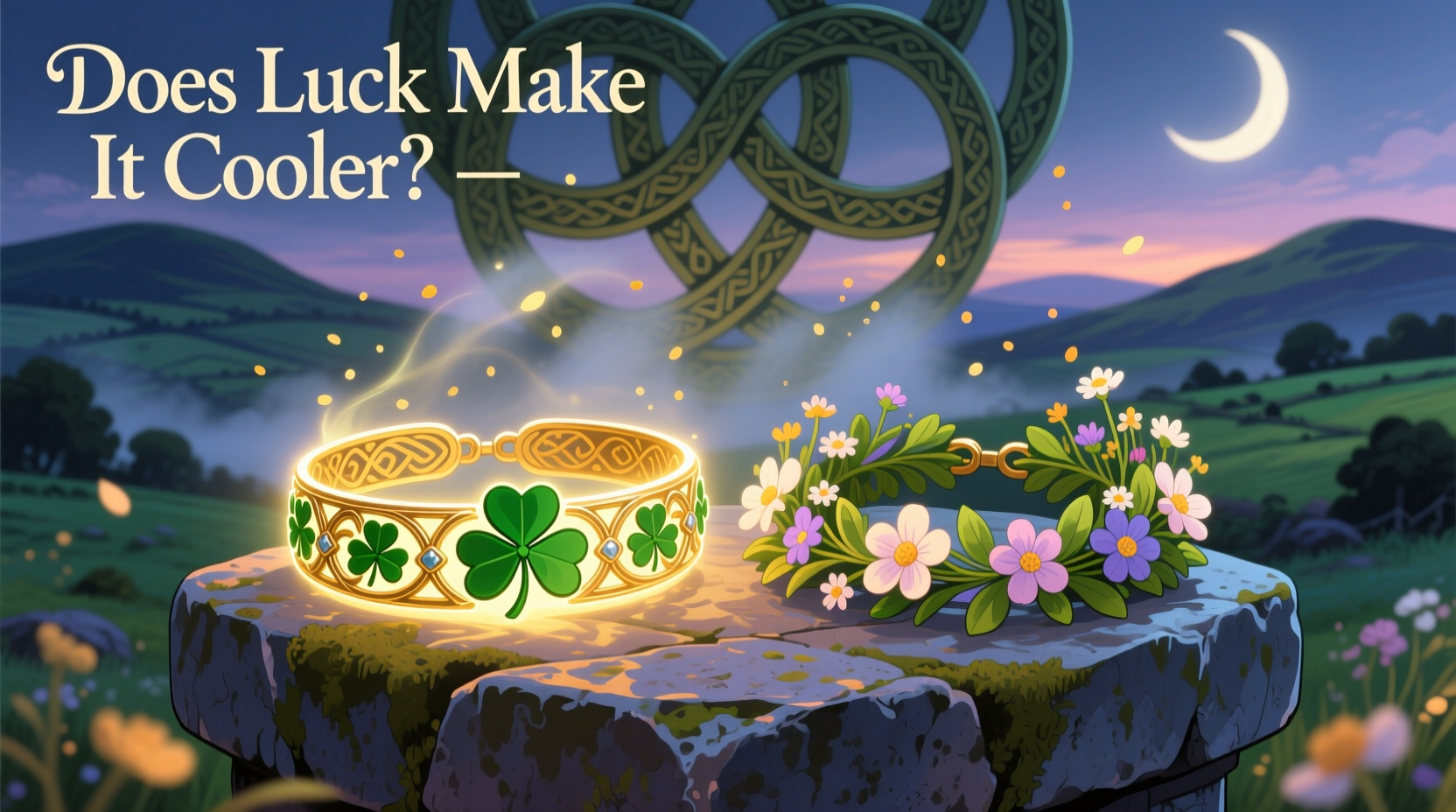
Clover bracelets, particularly those featuring the four-leaf clover, are synonymous with good fortune. Each leaf represents something distinct: hope, faith, love, and luck. The rarity of finding a four-leaf clover in nature (about 1 in 10,000 three-leaf variants) adds to its mystique. In Irish culture, the shamrock—often confused with the four-leaf clover—was used by St. Patrick to explain the Holy Trinity. Over time, the clover became a national emblem, celebrated every March 17th worldwide.
In contrast, floral bracelets encompass a broader range of meanings. A rose might symbolize passion, a daisy innocence, and a lotus spiritual growth. Unlike the clover’s near-universal association with luck, floral designs offer personalized symbolism. Wearing a cherry blossom bracelet could reflect a love for Japanese culture; a lavender motif may signal calm and healing.
“Jewelry becomes meaningful when it mirrors identity. The clover speaks to heritage and serendipity, while floral patterns allow wearers to curate their own narrative.” — Dr. Lena Peterson, Cultural Anthropologist & Jewelry Historian
Design Versatility and Fashion Longevity
When comparing coolness, longevity matters. Trends fade, but timeless design endures.
Clover bracelets often follow a consistent template: a central clover charm, sometimes accented with cubic zirconia or emerald enamel. Their appeal peaks around St. Patrick’s Day, leading many retailers to market them seasonally. While elegant, this predictability can limit their year-round wearability.
Floral bracelets, however, span countless styles—delicate vine cuffs, engraved blossoms, enamel petals, or even 3D sculpted flowers. They integrate seamlessly into bohemian, minimalist, vintage, and luxury fashion lines. Designers like Tiffany & Co. and Pandora have released entire collections based on floral themes, proving their sustained market relevance.
Tip: Choose a floral bracelet with neutral tones (like white gold with pearl accents) for maximum versatility across seasons and outfits.A Comparative Overview: Clover vs Floral Bracelets
| Feature | Clover Bracelets | Floral Bracelets |
|---|---|---|
| Primary Symbolism | Luck, Irish heritage, rarity | Love, beauty, renewal, individual flower meanings |
| Design Range | Limited (mostly clover charms) | Extensive (roses, daisies, orchids, abstract blooms) |
| Seasonal Popularity | High (peaks in March) | Moderate to high (spring/summer focus, but wearable year-round) |
| Cultural Reach | Strong in Western, especially Irish-American contexts | Global (used in Asian, European, Latin American traditions) |
| Fashion Flexibility | Medium (best with casual or thematic wear) | High (fits formal, everyday, and statement looks) |
Real-World Example: The Festival Goer’s Dilemma
Consider Maya, a 28-year-old designer who attends music festivals and values meaningful accessories. Last summer, she debated between a gold-plated clover tennis bracelet and a handcrafted floral cuff featuring engraved peonies.
She chose the floral cuff. “The clover felt festive, but temporary,” she explained. “The peony bracelet connects to my grandmother’s garden. I wear it to brunch, work meetings, even weddings. It feels more *me*.”
Her experience reflects a broader trend: consumers increasingly favor pieces that tell layered stories. While the clover’s luck-based narrative is powerful, it’s often external—something hoped for. Floral designs, by contrast, can represent internal qualities: growth, resilience, memory.
Expert Insight: Beyond Luck, Into Identity
Jewelry designers are noticing this shift. Maria Tran, a Los Angeles-based artisan specializing in nature-themed pieces, notes: “Clients don’t just want luck. They want meaning they can grow into. A clover is a wish. A blooming flower is transformation.”
“The most compelling jewelry doesn’t promise fortune—it reflects journey.” — Maria Tran, Independent Jewelry Designer
This insight challenges the assumption that the ‘luck of the Irish’ inherently makes clover bracelets cooler. Instead, it suggests that depth of personal connection may outweigh cultural mythos in today’s market.
How to Choose the Right Style for You: A Practical Checklist
Still unsure which style aligns with your taste? Use this checklist to decide:
- ✅ Do you identify strongly with Irish heritage or enjoy celebrating St. Patrick’s Day? → Clover may resonate.
- ✅ Are you drawn to universal symbols of chance and serendipity? → Clover fits the theme.
- ✅ Do you prefer accessories that transition easily from day to night? → Floral offers greater versatility.
- ✅ Is personal storytelling important in your wardrobe? → Floral allows deeper customization.
- ✅ Do you collect jewelry with evolving meaning? → Floral designs often grow in significance over time.
- ✅ Are you investing in a piece meant to be passed down? → Consider sentimental value—does the design reflect family or personal milestones?
Common Misconceptions About Clover Jewelry
One major misconception is that all clover bracelets are gaudy or novelty items. In reality, high-end versions exist—think Cartier’s Love collection with subtle clover accents or fine silver pieces set with diamonds. Similarly, not all floral bracelets are delicate or feminine. Bold, geometric floral cuffs in blackened steel challenge gender norms and suit avant-garde tastes.
Another myth: only the four-leaf clover brings luck. Historically, the three-leaf shamrock holds religious and cultural significance too. Some modern wearers choose three-leaf designs to honor tradition without leaning into superstition.
FAQ
Are clover bracelets only appropriate for St. Patrick’s Day?
No. While they gain popularity during Irish festivities, many people wear them year-round as symbols of hope or personal milestones. A minimalist clover chain, for example, works well in daily rotation.
Can floral bracelets be meaningful beyond aesthetics?
Absolutely. Flowers carry rich symbolic histories. For instance, a forget-me-not bracelet might honor a loved one, while a sunflower design could represent loyalty and positivity. The key is intentionality in selection.
Which style holds better resale value?
It depends on craftsmanship and brand. Limited-edition clover pieces from luxury houses (e.g., Tiffany’s clover collection) can appreciate. However, vintage floral Art Deco bracelets often command higher collector interest due to intricate detailing and historical context.
Conclusion: Coolness Redefined
So, does the luck of the Irish make clover bracelets cooler? Not necessarily. While the clover carries undeniable charm and cultural weight, “cool” in modern jewelry is less about inherited symbolism and more about authenticity, adaptability, and self-expression. The floral bracelet, with its vast design language and emotional range, often wins in terms of wearable depth and stylistic freedom.
That said, the clover remains a powerful icon—one that continues to inspire millions seeking a little extra luck. Its strength lies not in dominance over other designs, but in its ability to unite people through shared hope.
Ultimately, the coolest bracelet is the one that feels most true to you. Whether you reach for a clover before a job interview or fasten a floral band on a first date, your choice tells a story. Make it one worth wearing.
💬 What does your favorite bracelet say about you? Share your story in the comments—whether it’s a lucky charm or a blooming beauty, your perspective adds to the conversation.