Choosing the right handbag goes beyond aesthetics. While color, size, and brand matter, comfort plays a crucial role—especially when you're carrying your bag for hours at work, during travel, or on social outings. One of the most overlooked yet impactful factors in comfort is the strap material. Among the most popular options are chain straps and leather straps, each offering distinct advantages and drawbacks.
Understanding the differences between these two strap types helps you make an informed decision based on your daily needs, body type, outfit choices, and long-term usability. This article dives deep into the practical aspects of chain versus leather straps, comparing weight distribution, skin sensitivity, durability, and real-world usability to answer the central question: which one truly offers superior comfort?
Weight and Pressure Distribution
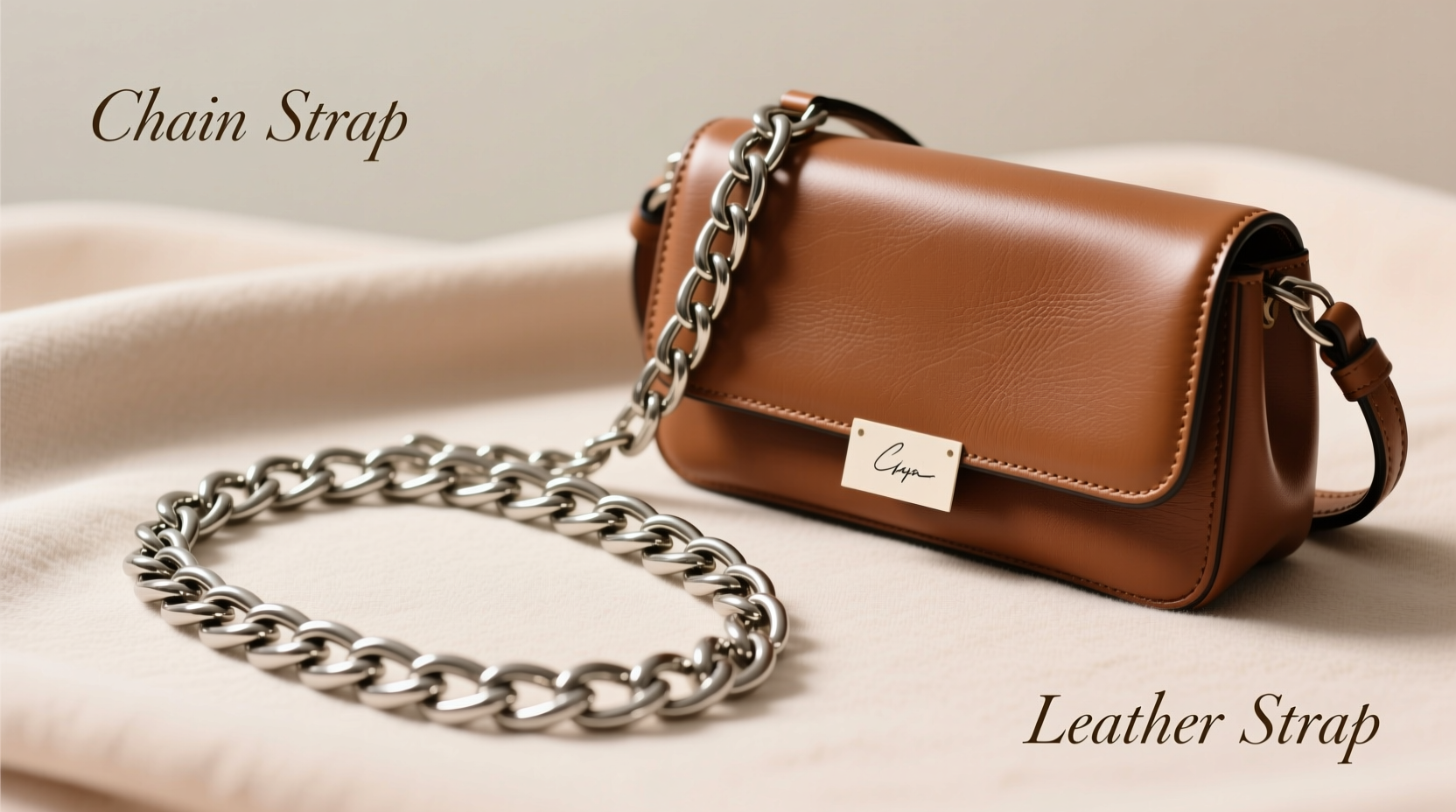
The way a strap distributes weight across your shoulder or body directly influences how comfortable it feels over time. Leather straps, typically made from genuine or high-quality synthetic leather, offer broader surface areas that spread the bag’s weight more evenly. This reduces pressure points and minimizes digging into the shoulder, especially with heavier loads like laptops, makeup kits, or groceries.
In contrast, chain straps—often made of metal links—are generally narrower and denser. Even when layered or padded, they concentrate weight along a smaller contact area. This can lead to discomfort after prolonged use, particularly if the bag is oversized or frequently filled. However, many modern chain strap designs incorporate leather or fabric inserts where the chain meets the shoulder, improving weight dispersion and reducing strain.
“While chain straps add elegance, they often compromise ergonomics. For all-day wear, wider, softer materials like leather provide better biomechanical support.” — Dr. Lena Patel, Ergonomic Design ConsultantTip: If you prefer a chain strap but need comfort, look for hybrid models that combine metal chains with leather shoulder guards.
Durability and Long-Term Wear
Durability affects both the lifespan of the bag and its consistent performance in daily use. Leather straps, when properly maintained, age gracefully. They develop a natural patina and resist fraying under normal conditions. High-quality tanned leather resists moisture and abrasion, making it ideal for frequent use in varied environments.
Chain straps, while highly resistant to tearing or stretching, are prone to other issues. Metal links can snag on clothing, especially delicate fabrics like silk or knits. Over time, plating may wear off, leading to tarnishing or discoloration. Additionally, constant movement can cause internal stress at connection points, potentially weakening the clasp or attachment hardware.
That said, stainless steel or gold-plated chains with reinforced connectors offer excellent longevity. The key is choosing a well-constructed chain bag from a reputable brand known for attention to detail in hardware engineering.
Leather vs Chain: Durability Comparison
| Factor | Leather Strap | Chain Strap |
|---|---|---|
| Tensile Strength | High (resists stretching) | Very High (but rigid) |
| Wear Resistance | Good (develops patina) | Fair (prone to tarnish) |
| Snag Risk | Low | High |
| Maintenance Needs | Moderate (conditioning required) | Low (cleaning only) |
| Lifespan (with care) | 5–10+ years | 3–7 years (varies by plating) |
Skin Sensitivity and Climate Considerations
Comfort isn’t just about weight—it’s also about how the strap interacts with your skin. Leather straps are naturally warm and soft against the skin, making them ideal for cooler climates. They don’t conduct heat or cold, so they remain neutral even in temperature fluctuations. For people with sensitive skin, smooth leather is less likely to cause irritation compared to metal.
Chain straps, however, behave differently depending on the environment. In winter, metal can become icy and uncomfortable against bare skin or thin fabrics. In summer, they may heat up under direct sunlight, creating a burning sensation when pressed against the neck or shoulder. Some users report allergic reactions to nickel-based alloys commonly used in fashion chains, especially with prolonged contact.
If you live in an extreme climate or have sensitive skin, leather may be the more considerate choice. Alternatively, opt for hypoallergenic metals like surgical-grade stainless steel or titanium-coated chains if you’re committed to the metallic aesthetic.
Style Versatility and Functional Use
Style often drives the initial purchase, but functionality determines long-term satisfaction. Chain strap handbags exude glamour and sophistication. They’re a staple in evening wear, cocktail events, and minimalist fashion looks. Their reflective quality adds visual interest and elevates simple outfits. However, their stiffness can limit adjustability, and crossbody wear is often impractical due to weight concentration.
Leather straps offer greater versatility. They come in various widths, lengths, and finishes—from sleek minimalist bands to wide, adjustable shoulder straps. Many leather-handled bags allow for multiple carry styles: hand-held, shoulder, or crossbody. This adaptability makes them suitable for commuting, shopping, or casual daywear.
Consider your wardrobe and typical activities. If your lifestyle leans toward formal dinners and short outings, a chain strap bag might suffice. But if you’re constantly on the move, switching between meetings, errands, and transit, a leather strap provides the flexibility and endurance needed for dynamic use.
Mini Case Study: Office Commute vs Evening Event
Sophia, a marketing executive in Chicago, owns both a structured leather tote and a chic chain-strap satchel. On weekdays, she carries her leather tote loaded with a laptop, notebook, and water bottle. She finds it comfortable even during her 30-minute walk to the office. The wide strap doesn’t dig, and she can easily swing it over her shoulder while holding coffee.
On Fridays, she switches to her gold-chain crossbody for post-work networking events. It’s stylish and secure, but after two hours, she notices pressure on her shoulder and removes it whenever seated. “I love how it looks,” she says, “but I wouldn’t wear it all day—even if it were empty.”
This scenario illustrates a common reality: chain straps excel in form; leather straps win in function.
Care and Maintenance Requirements
Long-term comfort also depends on how well the strap ages. Neglect can turn even the most ergonomic design into a source of frustration.
Leather straps require regular conditioning every 2–3 months to prevent drying, cracking, or fading. Wipe them gently with a damp cloth after use, and store away from direct sunlight. Avoid exposure to rain or humidity unless the leather is treated for water resistance.
Chain straps need wiping with a dry microfiber cloth to remove oils and dust. For tarnished areas, use a jewelry polishing cloth—never abrasive cleaners. Store separately to avoid scratching other items. Check link connections periodically for looseness.
- Never submerge leather straps in water
- Avoid storing chains loose in a crowded bag—they can tangle or damage other surfaces
- Use a protective spray on suede or nubuck leather straps
Checklist: Choosing the Right Strap for Your Lifestyle
- Assess how many hours per day you’ll carry the bag
- Determine typical load (light wallet vs. tech gear)
- Evaluate your sensitivity to metal or heat/cold conduction
- Match the strap style to your most common outfits
- Inspect hardware quality and strap padding on chain bags
- Consider seasonal wear—will it be too hot or cold?
- Test the drop length: does it sit comfortably when worn?
Frequently Asked Questions
Can I convert a chain strap bag into a more comfortable carry?
Yes. Many brands offer detachable leather inserts or aftermarket strap extenders that add cushioning. You can also replace the chain with a custom leather strap if the hardware allows for it. Just ensure the new strap matches the weight capacity of the original design.
Are leather straps harder to clean than chains?
They require different methods, not necessarily more effort. Leather benefits from specialized conditioners, while chains need polishing. Spills on leather should be wiped immediately; chains can usually be buffed clean with minimal supplies. Overall, maintenance complexity is comparable when done correctly.
Do wider leather straps look bulky with petite frames?
Not necessarily. Proportion matters more than width alone. A shorter drop length and balanced bag size prevent overwhelming a smaller frame. Many luxury brands now design wide-strap bags specifically for petite women, focusing on lightweight construction and elegant silhouettes.
Conclusion: Balancing Comfort, Style, and Practicality
The debate between chain strap and leather strap handbags ultimately comes down to intended use. For elegance and statement appeal, few options rival the polished gleam of a well-designed chain. But when comfort, endurance, and everyday practicality are priorities, leather straps consistently outperform.
There’s no universal “best” option—only what aligns with your lifestyle. If you value all-day wearability, adaptability, and gentle contact with your body, leather is the superior choice. If your bag serves as a finishing touch for special occasions and stays with you for limited durations, a chain strap delivers unmatched glamour.
For maximum flexibility, consider owning both. Rotate based on occasion, season, and load. And when purchasing, prioritize craftsmanship: a well-padded chain or a finely stitched leather strap will serve you far longer than trendy but poorly constructed alternatives.
💬 What’s your go-to handbag strap? Share your experience or ask questions in the comments—let’s help others find their perfect balance of style and comfort!