When it comes to professional wardrobe staples, few pieces command as much respect as a well-tailored skirt suit. But today’s market offers more fabric choices than ever—especially in the realm of natural fibers. Among them, cashmere and wool blends dominate premium collections. One promises unmatched softness; the other, durability and value. But with price tags that can differ by hundreds of dollars, is the difference truly tangible—or is it mostly clever branding?
This article cuts through the noise. We examine the performance, comfort, longevity, and cost-effectiveness of cashmere versus wool blend skirt suits, using real-world insights from tailors, stylists, and wear-testers. The goal? To help you decide whether investing in pure cashmere is a smart move—or if a high-quality wool blend delivers nearly identical benefits at a fraction of the cost.
Understanding the Fabrics: Cashmere vs Wool Blend
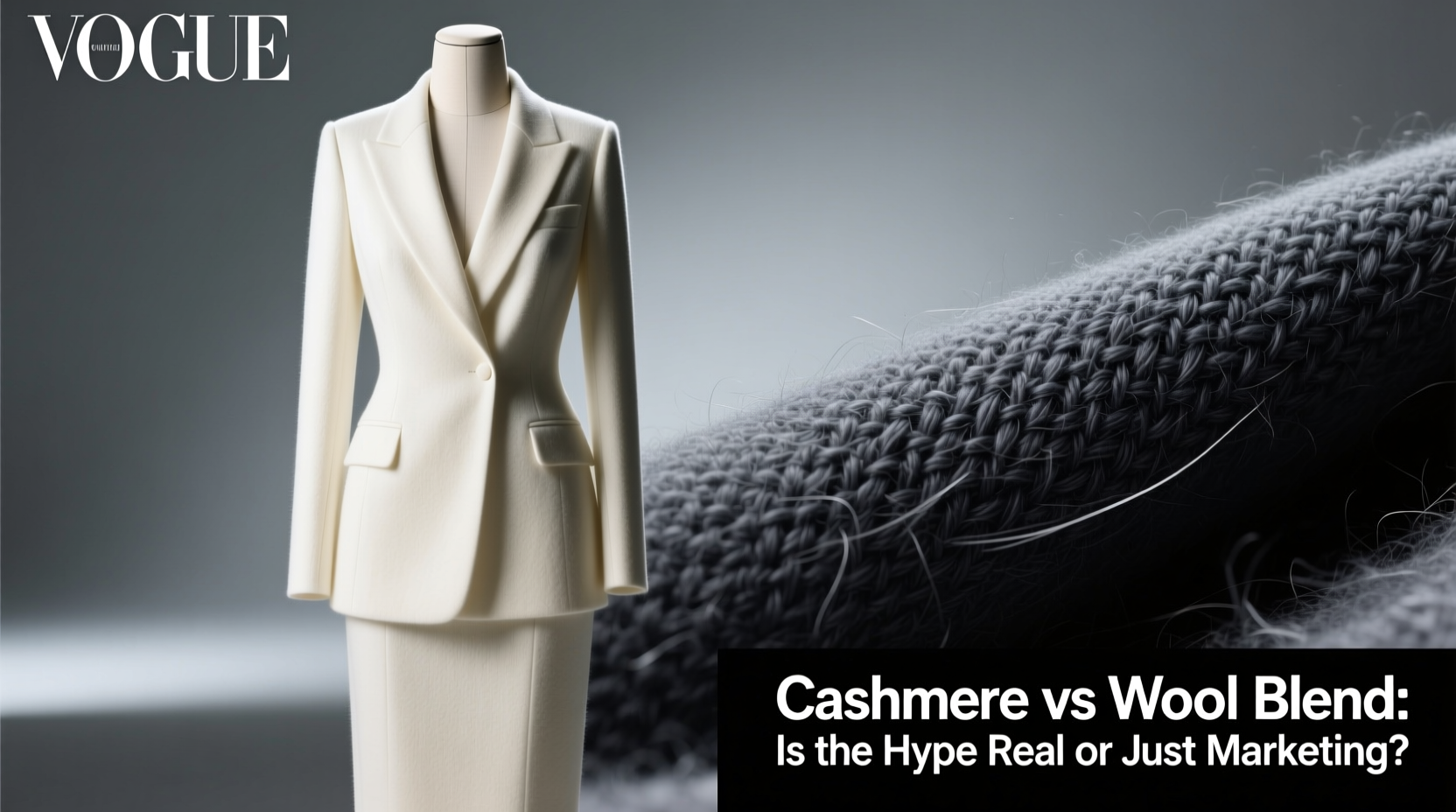
Cashmere comes from the undercoat of cashmere goats, primarily found in Mongolia, China, and parts of Central Asia. It's prized for its extreme softness, lightweight warmth, and luxurious drape. Genuine cashmere must meet strict fiber diameter standards (typically under 19 microns), making it rarer and more expensive than standard wool.
Wool blends, on the other hand, typically combine merino or worsted wool with synthetic fibers like polyester or elastane, or sometimes with other natural fibers such as silk or viscose. These blends aim to enhance durability, reduce wrinkling, improve elasticity, and lower production costs—all while maintaining a polished appearance suitable for office or formal settings.
The key distinction lies not just in origin but in performance. Cashmere excels in comfort and elegance but requires careful handling. Wool blends are engineered for practicality and resilience, often sacrificing some softness for everyday usability.
Fabric Composition Breakdown
| Fabric Type | Source | Softness | Durability | Price Range (per yard) |
|---|---|---|---|---|
| Pure Cashmere | Cashmere goat undercoat | ★★★★★ | ★★★☆☆ | $70–$150 |
| Merino Wool | Merino sheep | ★★★★☆ | ★★★★☆ | $30–$60 |
| Wool Blend (e.g., 70% wool, 30% polyester) | Sheep wool + synthetics | ★★★☆☆ | ★★★★★ | $20–$40 |
Comfort and Wearability: Softness vs Structure
Cashmere’s reputation for comfort isn’t exaggerated. Its fine fibers create an airy, insulating layer that feels feather-light against the skin. In cooler months, a cashmere skirt suit drapes beautifully and molds gently to the body, minimizing pressure points around the waist and hips—a significant advantage for all-day wear.
However, this softness comes at a cost. Pure cashmere lacks the structural integrity needed for crisp tailoring. Without lining or internal reinforcement, lapels may flop, and hems can stretch over time. Many high-end designers counter this with fused interlinings, but these can compromise breathability.
Wool blends, especially those with a touch of elastane (2–5%), offer superior shape retention. They hold pleats, creases, and tailored lines longer, making them ideal for power dressing or environments where appearance matters. While slightly less breathable than pure natural fibers, modern microfiber blends have improved significantly in moisture-wicking and temperature regulation.
“Cashmere is the Rolls-Royce of wools—unmatched in feel, but not always the best tool for every job. For daily office wear, a fine wool blend often performs better.” — Daniel Reeves, Master Tailor, London Bespoke Co.
Longevity and Care: Investment vs Maintenance
A common misconception is that luxury equals longevity. In reality, cashmere is delicate. Frequent wear without rotation leads to pilling, thinning, and shoulder dimpling. Most experts recommend rotating cashmere garments and wearing them no more than once every 7–10 days to allow fibers to recover.
In contrast, wool blends resist abrasion and recover well from compression. A wool-polyester blend skirt suit can be worn weekly for years with minimal signs of wear—especially if machine-washable or dry-cleaned periodically.
Care Requirements Compared
- Cashmere Suit: Hand wash or dry clean only; lay flat to dry; store folded with acid-free tissue; use cedar blocks to deter moths.
- Wool Blend Suit: Often labeled “machine wash cold” or “dry clean recommended”; can be hung without stretching; resists moths better due to blended fibers.
Real-World Case: Two Professionals, Two Choices
Sophie, a corporate lawyer in Chicago, invested $1,200 in a 100% cashmere skirt suit for client meetings. She loves how it feels and receives compliments constantly. However, after eight months of bi-weekly wear, the sleeves began to pill, and the jacket lost its front roll. Dry cleaning costs ($45 per session) added up, and she now rotates it sparingly.
Meanwhile, Lena, a project manager in Berlin, chose a €320 wool-viscose blend suit from a sustainable fashion brand. After 14 months of weekly use—including travel and transit—it still looks sharp. She machine-washes it on a gentle cycle every six wears and air-dries it. “It’s not as soft as cashmere,” she admits, “but I don’t have to treat it like museum piece.”
The takeaway? Context matters. If your suit is for special occasions or low-frequency wear, cashmere shines. For daily professional life, a thoughtfully engineered wool blend often proves more practical—and ultimately more valuable.
Is the Hype Real? Separating Marketing from Merit
Luxury brands often emphasize sensory appeal: “silky touch,” “cloud-like drape,” “exclusive fiber.” These descriptions aren’t false, but they rarely mention trade-offs. Cashmere’s rarity justifies premium pricing, but consumers should know that blending even 20–30% cashmere into a wool base can deliver much of the softness while improving durability.
Additionally, sustainability concerns are rising. Cashmere production has ecological impacts, including overgrazing and high water usage. Some ethical brands now offer recycled wool blends or traceable cashmere, but transparency varies widely.
Ultimately, the “hype” around cashmere is real—but so are its limitations. For many professionals, a mid-range wool blend with a cashmere-like finish offers the best balance of aesthetics, function, and cost.
Checklist: Choosing the Right Skirt Suit for Your Needs
- Define your use case: Daily wear, occasional events, or seasonal staple?
- Check the fiber content: Look beyond “cashmere blend”—what percentage is actual cashmere?
- Evaluate care requirements: Can you commit to hand-washing and careful storage?
- Assess tailoring quality: Stitching, lining, and button attachment matter more than fabric alone.
- Compare total cost of ownership: Include dry cleaning, repairs, and expected lifespan.
- Feel the fabric in person: Online images don’t convey texture or weight accurately.
Frequently Asked Questions
Can I wear a cashmere skirt suit year-round?
Cashmere is naturally insulating, making it best suited for fall, winter, and early spring. In humid or hot climates, it may feel too warm. Blends with silk or lighter weaves can improve breathability, but pure cashmere isn’t ideal for summer.
Do wool blends look cheap compared to cashmere?
Not necessarily. High-end wool blends from reputable mills (e.g., Loro Piana, Zegna) use fine yarns and tight weaves that mimic the drape and luster of luxury fibers. Poor-quality blends with high polyester content may appear shiny or stiff—but modern textiles have closed the gap significantly.
How do I prevent pilling on my cashmere suit?
Pilling occurs due to friction. Rotate wear, avoid abrasive bags or seatbelts rubbing against fabric, and use a fabric shaver gently when pills form. Washing less frequently and using a mesh laundry bag can also reduce surface abrasion.
Final Verdict: Value Over Hype
The allure of cashmere is undeniable. There’s a reason it’s associated with refinement and quiet luxury. But when it comes to a workhorse piece like a skirt suit, performance often outweighs prestige. A well-made wool blend can offer 80% of the elegance with twice the durability—and at a far more accessible price point.
That said, if you value tactile luxury and wear your suit infrequently, cashmere remains a worthy indulgence. Just go in with eyes open: it’s a high-maintenance investment, not a practical daily uniform.
The real secret? Many top-tier brands already blend small amounts of cashmere into their “luxury wool” suits—giving you a hint of softness without sacrificing structure. Seek those out, read labels carefully, and prioritize craftsmanship over buzzwords.
🚀 Ready to upgrade your wardrobe wisely? Reassess your needs, try both fabrics in person, and choose based on lifestyle—not marketing. Share your experience in the comments—we’d love to hear what works for you.