
Cargo pants have long been a staple in workwear, outdoor adventures, and urban fashion. With their oversized side pockets, multiple zippers, and rugged construction, they promise unmatched utility. But beyond the aesthetic appeal—especially in streetwear culture—do people actually use all those pockets? Or are they just vestigial design elements, relics of a more functional past?
The answer isn’t straightforward. While some wearers treat every pocket as mission-critical storage space, others barely touch them beyond holding a phone or keys. The truth lies in lifestyle, occupation, environment, and personal organization habits. This article dives deep into how and why people use cargo pants’ pockets, who benefits most, and how to maximize their potential.
Who Actually Uses Cargo Pockets—and How?
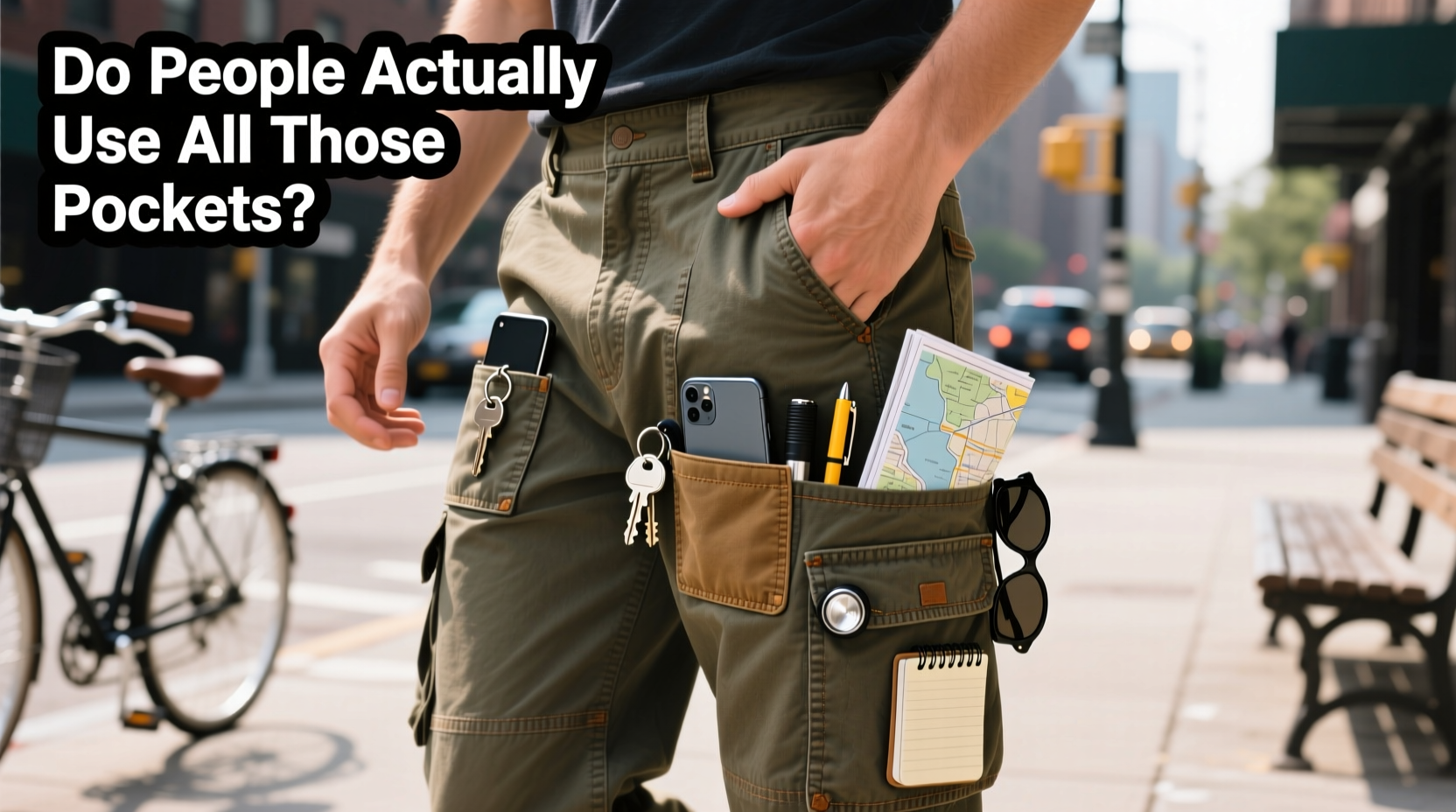
Cargo pants originated in military uniforms during World War II, designed to give soldiers easy access to tools, ammunition, and rations without relying on bulky packs. That legacy lives on in professions and activities where hands-free access to gear is essential.
- Outdoor enthusiasts – Hikers, campers, and photographers often rely on cargo pockets to carry batteries, lenses, multitools, trail maps, or snacks.
- Tradespeople – Electricians, landscapers, and handymen store screwdrivers, tape measures, pens, and spare parts directly in their pants.
- Urban commuters – Cyclists and scooter riders use pockets for locks, gloves, or repair kits, avoiding backpacks in crowded spaces.
- Photographers and videographers – Often carry memory cards, lens cloths, or extra batteries within quick reach.
- Festival-goers and travelers – Use hidden compartments for passports, cash, or earplugs, reducing reliance on bags.
For these groups, cargo pockets aren’t gimmicks—they’re tactical solutions. But even among casual wearers, there’s growing appreciation for the organizational benefits, especially as minimalist lifestyles encourage intentional carrying.
“Cargo pants are underrated organizers. When you eliminate the need to dig through a bag, you gain time and efficiency.” — Jordan Lee, Outdoor Gear Designer at TrailLogic
What People Actually Store in Cargo Pockets
A 2023 survey of 1,200 cargo pant wearers revealed surprising consistency in what gets stored—and what doesn’t. Below is a breakdown of the most common items by pocket type:
| Pocket Type | Most Common Items Stored | Usage Rate* |
|---|---|---|
| Front Lower Pockets | Wallet, phone, keys | 96% |
| Cargo (Side) Pockets | Snacks, multitool, flashlight, gloves | 78% |
| Back Pockets | ID, folded cash, transit card | 62% |
| Zippered Security Pockets | Passport, credit cards, earbuds | 45% |
| Thigh Utility Loops | Pens, small knives, carabiners | 33% |
*Based on self-reported daily use frequency; survey conducted via outdoor gear forums and Reddit communities.
Notably, only 22% reported leaving cargo pockets empty “because they look cool.” Most users adapt their loadout based on context: lighter loads on casual days, full toolkits during active use.
Tip: Assign one pocket per category (e.g., electronics, tools, food) to avoid clutter and improve retrieval speed.Maximizing Pocket Utility: A Step-by-Step Guide
Using cargo pockets effectively requires intentionality. Randomly stuffing items leads to disorganization and strain on seams. Follow this sequence to optimize your setup:
- Assess Your Daily Carry – List everything you typically bring: phone, wallet, keys, notebook, etc.
- Categorize by Frequency – Separate “always needed” items from “occasional” ones (e.g., multitool).
- Map to Pockets – Assign each category to a specific pocket. Keep high-use items in front or hip-level pockets.
- Test for Accessibility – Walk, sit, bend, and squat to ensure nothing falls out or restricts movement.
- Adjust Based on Feedback – After 3–5 days, reevaluate. Move items that are hard to reach or cause imbalance.
This method transforms cargo pants from passive clothing into an active organizational system. Over time, users develop muscle memory for where each item is stored, reducing fumbling and increasing confidence in dynamic environments.
Common Misuses (and How to Avoid Them)
Despite their durability, cargo pants suffer when misused. These mistakes reduce longevity and comfort:
- Overloading side pockets – Carrying heavy tools or water bottles distorts the fabric and pulls the leg down.
- Storing sharp objects loose – Keys or knives can tear linings or puncture pockets over time.
- Ignoring moisture-sensitive items – Pockets aren’t waterproof; storing electronics in rainy conditions risks damage.
- Using cargo pants as primary luggage – They’re supplemental storage, not replacements for backpacks or belts.
To prevent these issues, consider lightweight organizers like zippered pouches or neoprene sleeves that fit inside larger pockets. These contain contents, protect fabric, and make transfers between outfits easier.
Mini Case Study: Alex, Urban Bike Courier
Alex has delivered packages across Seattle for four years, cycling 20+ miles daily. He wears durable cargo pants year-round and relies heavily on their pockets.
His typical loadout:
- Left cargo pocket: Folded route map, tire levers, mini pump
- Right cargo pocket: Rain jacket, protein bar, spare inner tube
- Front right: Phone in waterproof case
- Front left: Wallet and multi-tool
- Back zippered pocket: ID and emergency cash
“I used to carry a backpack, but I’d sweat through it, and it bounced on rough roads,” Alex explains. “Now, with everything distributed across my body, I’m faster, drier, and never lose balance when turning.”
He emphasizes maintenance: “After six months, I rotate pants. The seams near the cargo pockets start sagging if I don’t let them rest.”
For Alex, every pocket serves a purpose. His workflow depends on it.
Are Cargo Pants Still Relevant in the Digital Age?
With smartphones replacing notebooks, cameras, and GPS devices, one might assume cargo pockets are becoming obsolete. Yet data suggests otherwise.
In fact, digital minimalism—a trend favoring fewer screens and more tactile control—has revived interest in physical organization. People are intentionally disconnecting from constant device use, opting instead for analog tools stored within easy reach.
Moreover, modern cargo pants now integrate tech-friendly features:
- Inner headphone routing ports
- RFID-blocking security pockets
- Water-resistant linings for phones
- Magnetic closures for one-handed access
Brands like Fjällräven, Dopper, and Outlier have reimagined cargo pants not as throwbacks, but as smartwear hybrids—blending utility with urban aesthetics.
“The future of cargo pants isn’t bulk—it’s intelligent compartmentalization.” — Lena Tran, Product Lead at UrbanTrek Apparel
Checklist: Optimizing Your Cargo Pant Setup
Use this checklist before adopting or upgrading your cargo pant routine:
- ✅ Choose a pair with reinforced stitching and breathable fabric
- ✅ Identify your top 5 carried items
- ✅ Assign each item to a specific pocket
- ✅ Test mobility with full load (sit, climb stairs, run briefly)
- ✅ Add soft pouches for fragile or sharp items
- ✅ Rotate pants weekly to extend lifespan
- ✅ Clean according to material (avoid machine drying if cotton-rich)
Frequently Asked Questions
Do cargo pants look unprofessional in office settings?
Traditional cargo pants with large external pockets may seem too casual for formal offices. However, modern \"chino-style\" cargo pants—slim-fit, neutral colors, discreet pockets—are increasingly accepted in creative or hybrid workplaces. Pair them with a button-down or blazer to elevate the look.
Can I wash cargo pants with everything in the pockets?
No. Always empty pockets before washing. Forgotten items like keys or paper can damage the machine or the pants. Metal objects may scratch drum interiors, and moisture-trapped debris can lead to mold in hidden compartments.
How do I stop cargo pockets from sagging?
Sagging occurs from overuse or heavy loads. Limit weight per cargo pocket to 1–2 lbs. Use internal organizers to distribute pressure evenly. Let pants hang dry and avoid prolonged sitting while loaded. For severe sag, some manufacturers offer repair programs or reinforcements.
Conclusion: Function Meets Intentionality
The question isn’t whether cargo pants have useful pockets—it’s whether the wearer chooses to use them wisely. In the hands of a tradesperson, adventurer, or organized commuter, those pockets become extensions of productivity. In less deliberate contexts, they may go underused or misused.
The real value of cargo pants lies not in their design alone, but in how they encourage mindful carrying. In an age of digital overload and cluttered bags, having a structured, accessible way to hold essentials offers quiet empowerment.
Whether you're hiking a mountain trail, navigating a city commute, or simply tired of digging through a backpack, cargo pants—with intentional pocket use—can simplify your day. Try mapping your carry, respect the limits of the fabric, and see how much more efficient your movement becomes.
💬 How do you use your cargo pockets? Share your setup or best tip in the comments—your insight could help someone rediscover the utility they’ve been overlooking.