
Choosing between a canvas backpack and a nylon daypack isn't just about aesthetics—it's a decision that impacts how well your gear withstands weather, daily wear, and heavy loads. While both materials have loyal followings, their performance under stress reveals key differences in longevity, protection, and comfort. Whether you're commuting through city streets, hiking forest trails, or navigating unpredictable weather, understanding the strengths and weaknesses of each material helps you make an informed choice. This guide dives deep into how canvas and nylon handle moisture and weight, backed by practical insights, real-world use cases, and expert advice.
Durability and Material Composition
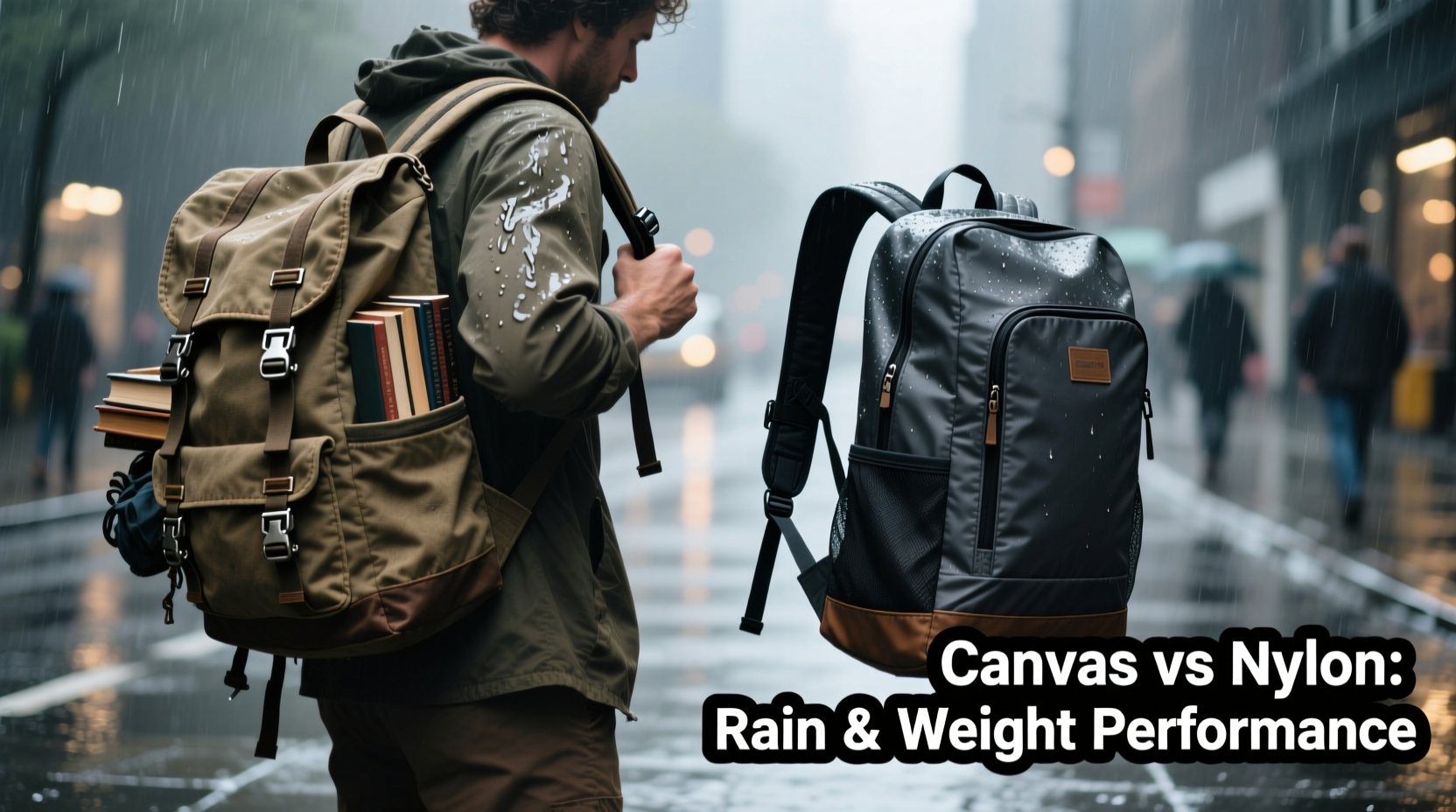
At the core of the debate is what each fabric is made from and how it holds up over time. Canvas is typically a heavy-duty cotton or cotton-blend fabric woven in a tight plain weave. Its natural fibers give it a rugged texture and a classic look favored by students, artists, and minimalist travelers. Nylon, on the other hand, is a synthetic polymer known for its high tensile strength and resistance to abrasion. Most modern daypacks use ripstop nylon—a variation engineered with reinforced threads to prevent tears from spreading.
Canvas scores high on initial sturdiness. It feels solid, resists punctures from everyday objects like pens or keys, and develops a desirable patina over time. However, repeated exposure to moisture can weaken cotton fibers, leading to mildew or rot if not dried properly. Nylon doesn’t absorb water, so it maintains structural integrity even when wet. It also dries faster and won’t degrade from humidity alone. That makes nylon inherently more resilient in damp environments.
Tip: If you live in a rainy climate, pre-treat canvas bags with a water-repellent spray—but reapply regularly, as cotton loses protection over time.Water Resistance: How Each Fabric Handles Rain
Rain readiness is one of the most critical factors when comparing these two pack types. Let’s break it down:
- Canvas: Naturally absorbent. When exposed to rain, untreated canvas soaks up water like a sponge. This increases the bag’s weight significantly and risks damaging contents inside unless lined with a waterproof barrier. Some manufacturers apply wax coatings (like waxed canvas), which improve water resistance but still aren’t fully waterproof. Over time, wax wears off and requires reapplication.
- Nylon: Inherently hydrophobic. Even basic nylon repels water to some degree, but most outdoor-grade daypacks use coated or laminated nylon (e.g., silicone or polyurethane coating) to achieve true water resistance. Many models also feature sealed seams and roll-top closures for added protection during downpours.
In a light drizzle, a standard canvas backpack might keep your items dry for 15–20 minutes—long enough to reach shelter. But in sustained rain, moisture seeps through and reaches inner compartments. Nylon daypacks, especially those rated IPX4 or higher, can endure hours of rainfall without internal dampness. They’re routinely used by hikers, cyclists, and urban commuters who face frequent showers.
“Nylon’s molecular structure naturally resists water absorption, making it the go-to for all-weather gear.” — Dr. Alan Zhou, Materials Scientist at Outdoor Gear Labs
Real-World Example: Commuting Through Seattle Winter
Sarah, a graphic designer in Seattle, used a vintage-style canvas backpack for her daily commute. After three weeks of consistent rain, she noticed a musty smell and discovered her sketchbook had warped from moisture creeping through the fabric. She switched to a 21L ripstop nylon daypack with a built-in rain cover. Even during a sudden storm without the cover deployed, her laptop and documents stayed dry. The nylon pack weighed only slightly more when wet and dried completely overnight—something her canvas bag never managed.
Weight Capacity and Load Distribution
How a backpack carries weight depends on both fabric strength and design elements like padding, straps, and frame structure. But material plays a foundational role.
Canvas has excellent initial load-bearing capability due to its thickness and density. A well-constructed canvas backpack can support 25–30 pounds without visible strain. However, because cotton stretches when wet, carrying heavy loads in rainy conditions compromises structural stability. Wet canvas sags, placing extra pressure on stitching points and shoulder straps. Over time, this leads to seam failure or distorted shape.
Nylon excels here. High-denier nylon (e.g., 600D to 1000D) offers comparable or superior load capacity while remaining lightweight. More importantly, nylon retains its dimensional stability whether dry or wet. A nylon daypack loaded with textbooks, a laptop, and lunch won’t sag or stretch after getting caught in the rain. Combined with ergonomic S-curve shoulder straps and padded back panels, nylon packs distribute weight more efficiently across the torso.
| Feature | Canvas Backpack | Nylon Daypack |
|---|---|---|
| Dry Weight Capacity | 25–30 lbs (good) | 30–40 lbs (excellent) |
| Wet Strength Retention | Poor – weakens when saturated | Excellent – no loss of integrity |
| Load Stability in Rain | Low – stretches and sags | High – maintains shape |
| Average Empty Weight | 2.5–3.5 lbs | 1.2–2.0 lbs |
| Long-Term Wear Resistance | Fair – prone to fraying and pilling | Excellent – resists abrasion |
The lighter base weight of nylon also means you’re carrying less before you even add contents. For students or professionals hauling laptops, chargers, notebooks, and water bottles, that difference adds up over time—reducing fatigue and improving posture.
Care and Maintenance Requirements
Maintenance needs differ drastically between the two materials, influencing long-term usability.
Canvas should be spot-cleaned only. Machine washing breaks down fibers and removes any protective finishes. Air drying is essential—never use heat, which can shrink or warp the fabric. Waxed canvas requires periodic re-waxing (every 6–12 months depending on use) to maintain water resistance. Without this upkeep, performance degrades rapidly.
Nylon is far easier to maintain. Most daypacks can be wiped down with a damp cloth or rinsed under a tap. Some are machine washable on gentle cycles (check manufacturer guidelines). After cleaning, they dry within hours. Coatings may degrade over years of UV exposure, but overall care demands are minimal compared to canvas.
Tip: Never store a damp backpack—especially canvas. Mold and mildew can form in as little as 48 hours, permanently damaging the material.Step-by-Step Guide: Extending Your Backpack’s Lifespan
- After Every Use: Empty all compartments and inspect for stains or wear.
- Weekly: Wipe down exterior surfaces with a microfiber cloth; vacuum crumbs from pockets.
- Monthly: Check zippers, straps, and stitching. Lubricate zippers with paraffin wax if needed.
- Every 3–6 Months: Deep clean using appropriate method (spot clean for canvas, wipe or rinse for nylon).
- Annually: Reapply waterproof treatment—wax for canvas, DWR spray for nylon.
- Seasonally: Rotate usage if you own multiple packs to prevent overuse.
When to Choose Canvas vs Nylon
Despite nylon’s technical advantages, canvas still has its place. The decision ultimately comes down to your priorities:
- Choose Canvas If:
- You value timeless style and natural materials
- Your environment is mostly dry and indoor-focused
- You carry moderate loads infrequently
- You appreciate character development (scuffs, fading)
- Choose Nylon If:
- You face regular rain or humid conditions
- You carry heavy or valuable gear (laptops, cameras)
- You prioritize low maintenance and reliability
- You travel frequently or hike/cycle outdoors
Hybrid options now exist—some brands combine a nylon shell with canvas accents to balance aesthetics and function. These offer partial weather protection while maintaining visual appeal, though they rarely match full-nylon performance in extreme conditions.
Expert Recommendations and Industry Trends
Outdoor gear designers increasingly favor nylon for functional applications. According to REI’s 2023 durability report, over 78% of top-rated daypacks use nylon or polyester variants due to their predictable performance under stress. Cotton canvas appears mainly in fashion-forward lines rather than technical collections.
“For everyday carry where weather and weight matter, nylon is objectively superior. Canvas has charm, but not resilience.” — Lena Park, Lead Designer at Trailform Gear
That said, sustainability concerns are driving innovation in organic cotton and recycled nylon. Brands like Patagonia and Cotopaxi now offer daypacks made from 100% recycled ripstop nylon, reducing environmental impact without sacrificing performance. Meanwhile, waxed canvas producers are exploring plant-based waxes and non-toxic dyes to improve eco-credentials.
FAQ
Can I make a canvas backpack waterproof?
You can improve water resistance with commercial wax or DWR (durable water repellent) sprays, but it will never be fully waterproof. Seams remain vulnerable, and treatments wear off after several months of regular use. For reliable protection, pair treated canvas with a separate rain cover.
Is nylon less breathable than canvas?
Yes. Nylon traps more heat against the back, which can cause sweating during extended wear. However, many modern designs address this with mesh-padded back systems and ventilation channels. Canvas breathes better naturally but absorbs body moisture, creating discomfort in humid conditions.
Which lasts longer overall?
In most real-world scenarios, nylon lasts longer. It resists UV degradation, mold, stretching, and abrasion better than cotton. Canvas may outlast cheap nylon if meticulously maintained in dry conditions, but under mixed-use or adverse weather, nylon consistently wins in longevity tests.
Final Verdict: Which Handles Rain and Weight Better?
When evaluating performance under rain and heavy loads, the nylon daypack is the clear winner. Its ability to repel water, maintain structural integrity when wet, carry heavier loads efficiently, and require minimal maintenance makes it the more reliable choice for demanding use. It protects electronics, books, and clothing better in storms and reduces physical strain thanks to lighter weight and better ergonomics.
Canvas remains a strong contender for style-conscious users in stable climates. It exudes craftsmanship and ages gracefully, appealing to those who view accessories as personal statements. But if your priority is function—staying dry, keeping gear safe, and enduring daily punishment—nylon is unmatched.
Ultimately, the best backpack aligns with your lifestyle. For urban professionals, outdoor enthusiasts, or anyone facing variable conditions, investing in a quality nylon daypack pays off in durability, peace of mind, and long-term savings. For weekend errands and dry-season commutes, canvas offers charm and character worth appreciating.
💬 What’s your go-to backpack for rainy days? Share your experience with canvas or nylon packs—your insight could help others choose wisely!