
Many people wear tight-fitting clothing without considering the long-term effects on their bodies. Among the most common culprits are tight waistbands—found in jeans, shapewear, belts, and high-waisted pants. While they may offer a sleek silhouette or temporary confidence boost, emerging evidence suggests that consistently wearing constrictive waistbands can interfere with both digestive function and postural alignment over time. This article explores how chronic pressure around the midsection influences internal organs, breathing mechanics, spinal positioning, and overall musculoskeletal health.
The Anatomy of Waistband Pressure
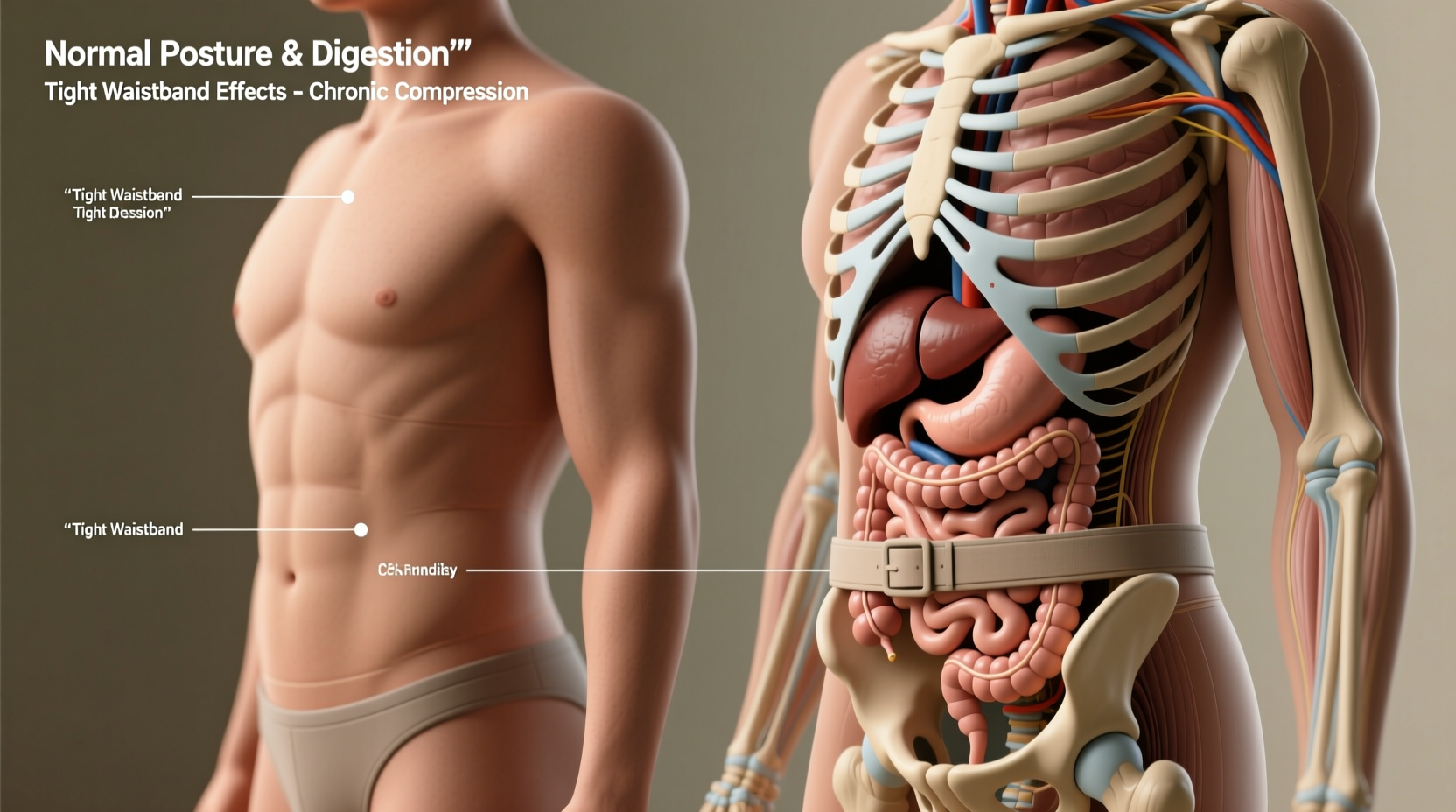
The waistline sits just above the hips and below the ribcage, encompassing key anatomical regions: the lower thoracic and upper lumbar spine, abdominal muscles, and major internal organs such as the stomach, intestines, liver, and kidneys. When a tight waistband is worn, it applies circumferential pressure to this area, often compressing soft tissues and restricting natural movement.
This compression affects more than comfort—it alters biomechanics. The abdomen functions as a pressurized cylinder known as the \"intra-abdominal cavity,\" which plays a crucial role in stabilizing the spine during movement. Disrupting this system through external constriction can compromise core stability, reduce diaphragmatic efficiency, and impede normal organ motility.
Tip: If your waistband leaves visible indentations on your skin after removal, it's too tight and may be affecting internal function.Digestive Impacts of Tight Waistbands
The digestive tract relies on rhythmic muscular contractions called peristalsis to move food from the esophagus through the intestines. External pressure on the abdomen can disrupt these processes by physically compressing the stomach and intestines.
One common issue linked to tight clothing is gastroesophageal reflux disease (GERD). A 2003 study published in The American Journal of Gastroenterology found that increased intra-abdominal pressure—such as that caused by tight belts or pants—can push stomach contents back into the esophagus, triggering heartburn and acid regurgitation. Participants wearing tight garments showed significantly higher rates of reflux symptoms compared to those in looser attire.
Beyond reflux, chronic compression may contribute to bloating, constipation, and altered gut motility. The descending colon and sigmoid colon lie close to the pelvic brim—areas directly impacted by snug waistbands. Persistent pressure here may slow transit time, leading to discomfort and irregular bowel movements.
“Wearing restrictive clothing regularly can mimic the physiological effects of obesity-related abdominal pressure, impairing digestive flow and increasing risk for chronic gastrointestinal complaints.” — Dr. Lena Torres, Gastroenterologist
How Tight Clothing Affects Key Digestive Functions
| Function | Normal Process | Effect of Tight Waistbands |
|---|---|---|
| Stomach Expansion | Stomach expands vertically and laterally after eating | Restricted expansion leads to early satiety and discomfort |
| Peristalsis | Smooth muscle contractions propel food forward | Compression slows intestinal movement |
| Diaphragm Movement | Descends during inhalation, aiding digestion | Limited descent reduces abdominal pumping action |
| Colon Transit | Waste moves efficiently through large intestine | Pressure may delay passage, contributing to constipation |
Postural Consequences Over Time
Poor posture is not always due to slouching at a desk. What you wear can actively reshape how you stand and move. Tight waistbands pull the pelvis into retroversion (tilting backward), flattening the natural curve of the lower back. This shift forces the spine out of neutral alignment, leading to compensatory changes up the kinetic chain.
When the lumbar spine loses its inward curve, the body adjusts by rounding the upper back and shifting the head forward—a posture commonly referred to as “tech neck” or kyphosis-lordosis imbalance. These adaptations increase strain on the neck, shoulders, and lower back, raising the risk of chronic pain and joint degeneration.
Additionally, restricted abdominal movement inhibits proper engagement of the transversus abdominis—the deepest core muscle responsible for stabilizing the spine. Without adequate activation, surrounding muscles like the erector spinae and hip flexors overwork to compensate, creating muscular imbalances and fatigue.
Real-Life Example: Office Worker with Chronic Back Pain
Sarah, a 34-year-old marketing executive, wore high-waisted, form-fitting trousers five days a week. Over two years, she developed persistent lower back pain and frequent indigestion. Her physical therapist noted anterior pelvic tilt correction attempts were ineffective until she stopped wearing restrictive pants. After switching to mid-rise, stretchable workwear and incorporating core stabilization exercises, her posture improved within eight weeks, and digestive symptoms decreased significantly.
This case illustrates how seemingly minor lifestyle choices—like clothing fit—can accumulate into measurable physical dysfunction when maintained over months or years.
Long-Term Risks and Underlying Mechanisms
The cumulative impact of wearing tight waistbands daily should not be underestimated. While occasional use poses minimal risk, habitual wear introduces several interrelated problems:
- Reduced respiratory efficiency: Restricted diaphragmatic motion limits lung capacity, decreasing oxygen intake and increasing reliance on shallow chest breathing.
- Altered proprioception: Constant pressure desensitizes abdominal receptors, impairing the brain’s ability to sense trunk position and coordinate movement.
- Muscle inhibition: Prolonged compression weakens deep core stabilizers, making them less responsive during functional tasks.
- Visceral displacement: Organs may shift slightly downward or compress against each other, potentially affecting blood flow and nerve signaling.
A 2017 study in Manual Therapy demonstrated that women who regularly wore shapewear exhibited weaker transversus abdominis activation during basic movements compared to controls. Researchers concluded that external support can lead to neuromuscular dependency—where the body begins to rely on artificial compression rather than intrinsic muscle strength.
Tip: Practice diaphragmatic breathing while lying down. If your abdomen doesn’t rise easily, tight clothing may be limiting your natural breath pattern.Prevention and Corrective Strategies
Addressing the negative effects of tight waistbands involves both behavioral changes and proactive strengthening. The goal is not to eliminate fitted clothing entirely but to ensure it doesn’t dominate your wardrobe or interfere with bodily function.
Step-by-Step Guide to Healthier Waistband Habits
- Assess Your Fit Daily: At the end of the day, check for red marks or indentations around your waist. These are signs of excessive pressure.
- Rotate Clothing Styles: Alternate between high-waisted, mid-rise, and low-rise options to avoid constant compression in one zone.
- Choose Breathable, Flexible Fabrics: Opt for materials with moderate stretch and soft waistbands that don’t dig in.
- Limit Shapewear Use: Reserve compression garments for special occasions, not daily wear.
- Practice Core Awareness: Perform daily exercises like dead bugs, planks, and pelvic tilts to reinforce natural core stability.
- Breathe Deeply: Spend 5 minutes each morning doing diaphragmatic breathing to retrain optimal respiratory patterns.
- Evaluate Post-Meal Comfort: Avoid tight clothing immediately after eating, when the stomach is expanding.
Checklist: Is Your Waistband Too Tight?
- ▢ Leaves visible marks on the skin after removal
- ▢ Causes discomfort when sitting or bending
- ▢ Feels tighter after meals
- ▢ Makes deep breathing difficult
- ▢ Associated with bloating or heartburn
- ▢ Worn every day for extended periods (8+ hours)
If three or more apply, consider adjusting your clothing choices to protect long-term health.
Frequently Asked Questions
Can tight waistbands cause permanent damage?
While no direct studies confirm irreversible structural damage solely from waistbands, prolonged use can lead to lasting postural adaptations and weakened core musculature. These changes may become habitual and require targeted rehabilitation to reverse.
Are maternity bands safer than regular tight waistbands?
Maternity support bands are designed to lift and support the growing belly, distributing pressure more evenly. They typically avoid constricting the abdomen and are generally safer than standard tight waistbands, especially during pregnancy. However, even these should be used mindfully and removed periodically.
Do men experience similar issues from tight belts or pants?
Yes. Men who wear tightly cinched belts or slim-fit trousers are equally susceptible to digestive discomfort and postural strain. Belt-induced pressure has been linked to meralgia paresthetica—a condition causing numbness and tingling in the outer thigh due to compression of the lateral femoral cutaneous nerve.
“Clothing should enhance function, not hinder it. Just because something fits doesn’t mean it’s healthy to wear all day.” — Dr. Rajiv Mehta, Physical Therapist and Posture Specialist
Conclusion: Reclaiming Comfort and Function
Your clothing choices do more than express style—they shape your physiology. Wearing tight waistbands regularly may offer short-term aesthetic benefits, but the long-term consequences for digestion and posture are real and measurable. From impaired gut motility to compromised spinal alignment, the effects accumulate silently until symptoms emerge.
The solution isn’t to abandon fashionable clothing altogether, but to adopt a balanced approach. Prioritize comfort during prolonged sitting, after meals, and during physical activity. Invest in well-fitted garments that support rather than squeeze. Strengthen your core so you don’t depend on external compression for stability.
Small shifts in daily habits can yield significant improvements in how you feel and function. Start today by loosening the belt, choosing breathable fabrics, and tuning into your body’s signals. Your digestion, posture, and long-term well-being will thank you.
💬 Have you noticed changes in digestion or posture from tight clothing? Share your experience or tips in the comments to help others make informed choices about what they wear.








