
In a world where smartphones are both essential tools and personal fashion statements, accessories that blend utility with aesthetics have surged in popularity. Among them, Camellia-branded phone cases with detachable straps—marketed as both phone cases and wearable wristlets—have gained attention on social media and e-commerce platforms. But with similar products available at various price points, many consumers ask: Are Camellia strap phone cases actually worth the investment compared to standalone wristlets or generic alternatives?
This article examines the design, functionality, durability, and lifestyle fit of Camellia strap phone cases versus traditional wristlets. It also evaluates whether the premium branding, aesthetic appeal, and added features justify the cost.
Design and Aesthetic Appeal
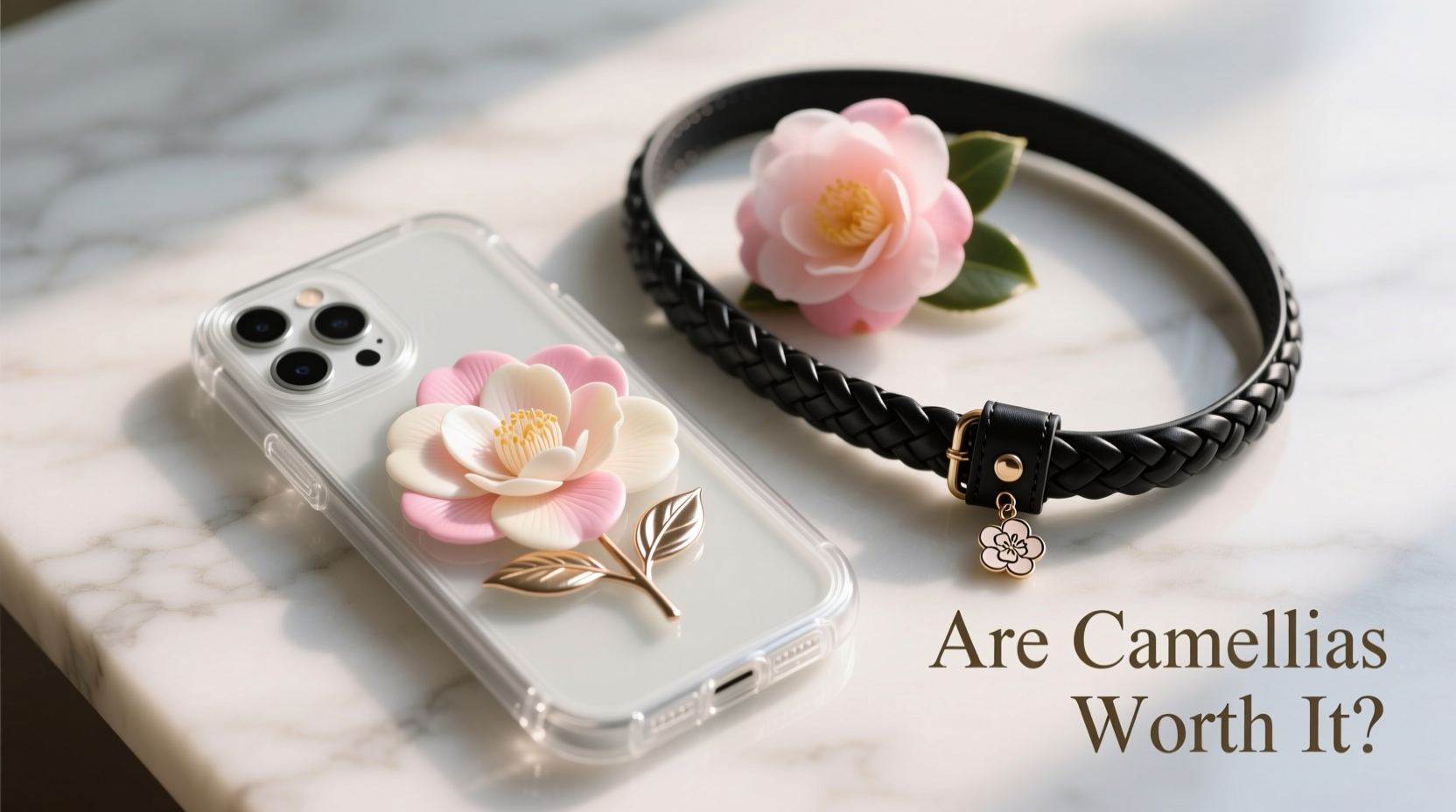
Camellia phone cases stand out primarily through their visual design. Most feature floral patterns, pastel color palettes, rhinestone embellishments, and metallic finishes. The brand leans into a “feminine luxury” aesthetic, appealing to users who prioritize style in their everyday carry items. These cases often come with detachable straps made from chain links, faux leather, or braided fabric, allowing the same accessory to function as both a handheld grip and a wristlet.
In contrast, traditional wristlets—small pouches with wrist straps—are typically designed for holding cash, cards, or keys. While some stylish versions exist, they don’t offer phone protection unless used in tandem with a separate case. This is where Camellia’s hybrid model gains an edge: integration.
Tip: If you frequently switch between purses or go hands-free, a dual-function case like Camellia’s can reduce clutter and streamline your essentials.Functionality: Phone Case + Wristlet vs Standalone Wristlet
The core advantage of a Camellia strap phone case lies in its multifunctionality. You get a protective phone shell, a secure grip via the attached strap, and the convenience of carrying minimal essentials—some models even include small card slots on the back. This eliminates the need to carry a separate wallet or wristlet for short outings.
However, functionality comes with trade-offs:
- Limited storage: Unlike standalone wristlets, which can hold multiple cards, folded bills, and even lip balm, Camellia cases typically accommodate only 1–2 cards and no cash.
- Bulkiness: Adding a strap and card slot increases thickness, making the phone harder to slide into tight pockets.
- Attachment security: Some users report that the magnetic or snap-on cardholders loosen over time, risking loss of ID or credit cards.
A standalone wristlet, while less integrated, offers more flexibility. You can pair it with any phone case, upgrade components independently, and use it beyond phone-related scenarios—like at concerts or beach days when you leave your phone behind but still need access to payment.
Comparison Table: Camellia Strap Case vs Traditional Wristlet
| Feature | Camellia Strap Phone Case | Traditional Wristlet |
|---|---|---|
| Phone Protection | Yes (full case) | No |
| Card Storage | 1–2 cards (limited) | 3–6 cards + cash |
| Wrist Strap Included | Yes (detachable) | Yes (fixed or foldable) |
| Style Variety | High (trend-focused) | Moderate (classic designs) |
| Durability | Mixed reviews (plastic + glue joints) | Generally higher (reinforced stitching) |
| Price Range | $25–$45 | $15–$35 |
| Compatibility | Model-specific | Universal |
Durability and Long-Term Value
One of the most common criticisms of Camellia cases is longevity. While visually appealing, many users report issues after 3–6 months of regular use: peeling coatings, cracked corners, and weakened adhesive on card holders. Third-party testing by consumer review sites notes that the plastic used is thinner than premium brands like OtterBox or Spigen, offering moderate drop protection at best.
“Accessories that prioritize aesthetics over structural integrity often fail within a year. Look for reinforced corners and shock-absorbing materials if you want lasting protection.” — Daniel Reed, Tech Accessory Analyst at GadgetCare Review
Traditional wristlets, especially those made from genuine leather or heavy-duty nylon, tend to age better. With proper care, they can last years. Their modular nature also means you replace only what breaks—like a worn strap—rather than discarding an entire phone case.
Mini Case Study: Emma, Urban Commuter
Emma, a 29-year-old graphic designer in Seattle, purchased a Camellia strap case for her iPhone 14 after seeing it on Instagram. She loved the rose-gold chain strap and the ability to store her transit card. For three months, it worked well during coffee runs and weekend errands. However, after dropping her phone once (onto pavement), the corner cracked, and the cardholder detached. She replaced it with a minimalist silicone case and a separate vegan leather wristlet. “I saved money in the long run,” she said. “And I don’t feel tied to one look anymore.”
Are Camellias Worth It? A Step-by-Step Decision Guide
Whether a Camellia strap phone case is worth it depends on your priorities. Follow this timeline to decide:
- Week 1 – Evaluate First Impressions: Does the case feel sturdy? Is the strap comfortable? Do the colors match your style?
- Month 1 – Test Daily Use: Carry it during commutes, workouts, or social events. Note how often you use the card slot and whether the strap slips.
- Month 2 – Assess Wear and Tear: Check for scratches, loosening parts, or fading. Try removing and reattaching the strap.
- Month 3 – Compare Alternatives: Research standalone wristlets or dual-use cases from other brands. Consider total cost per month of ownership.
- Decision Point: If the case still performs well and enhances your confidence, keep it. If not, repurpose it for low-risk situations (e.g., at home) and invest in a more durable solution.
FAQ
Can I replace the strap on my Camellia phone case?
Yes, many Camellia models feature detachable straps with standard connectors (like O-rings or snap buttons). Replacement straps are sold separately and come in different styles—chain, beaded, or fabric—for under $10.
Do Camellia cases support wireless charging?
Most do. The cases are thin enough to allow Qi charging, though thick embellishments (like large rhinestones) may interfere. Remove the phone from the case if charging is slow or inconsistent.
Are there non-gendered designs available?
Currently, Camellia markets heavily toward feminine aesthetics. However, some neutral options exist in matte black, clear glitter, or minimalist silver. They remain limited compared to unisex-focused brands like PopSockets or Bellroy.
Final Verdict: Style vs Substance
Camellia strap phone cases excel as fashion-forward accessories. They’re ideal for users who value coordinated looks, occasional hands-free convenience, and social media-ready aesthetics. For short-term use, gift purposes, or trend experimentation, they deliver strong value.
But if you need reliable protection, long-term durability, or practical storage, a combination of a rugged phone case and a high-quality standalone wristlet will serve you better. These modular choices offer greater adaptability across seasons, outfits, and lifestyles.
The true worth of a Camellia product isn’t measured in drops survived or years lasted—but in joy delivered. If holding a beautifully designed phone makes your day brighter, then yes, it might just be worth it.
💬 Have you tried a Camellia strap case or wristlet? Share your experience—what worked, what didn’t—and help others decide if these trendy accessories live up to the hype.








