In an era where technology evolves at breakneck speed and fashion cycles shrink with every season, the question of lasting value in personal accessories has never been more relevant. Among wearable items, few are as visible—or as symbolic—as a wristwatch. Yet today’s consumer faces a dilemma: should they invest in a budget mechanical watch or opt for a feature-rich smartwatch? While both serve timekeeping functions, their roles as accessories and their potential to retain or grow in value diverge sharply.
The answer isn’t just about price tags or functionality. It’s about craftsmanship, cultural perception, technological obsolescence, and emotional resonance. This article examines how budget mechanical watches and smartwatches compare not just in utility, but in longevity as accessories—both physically and in terms of aesthetic and monetary worth.
Defining Value in Watch Accessories
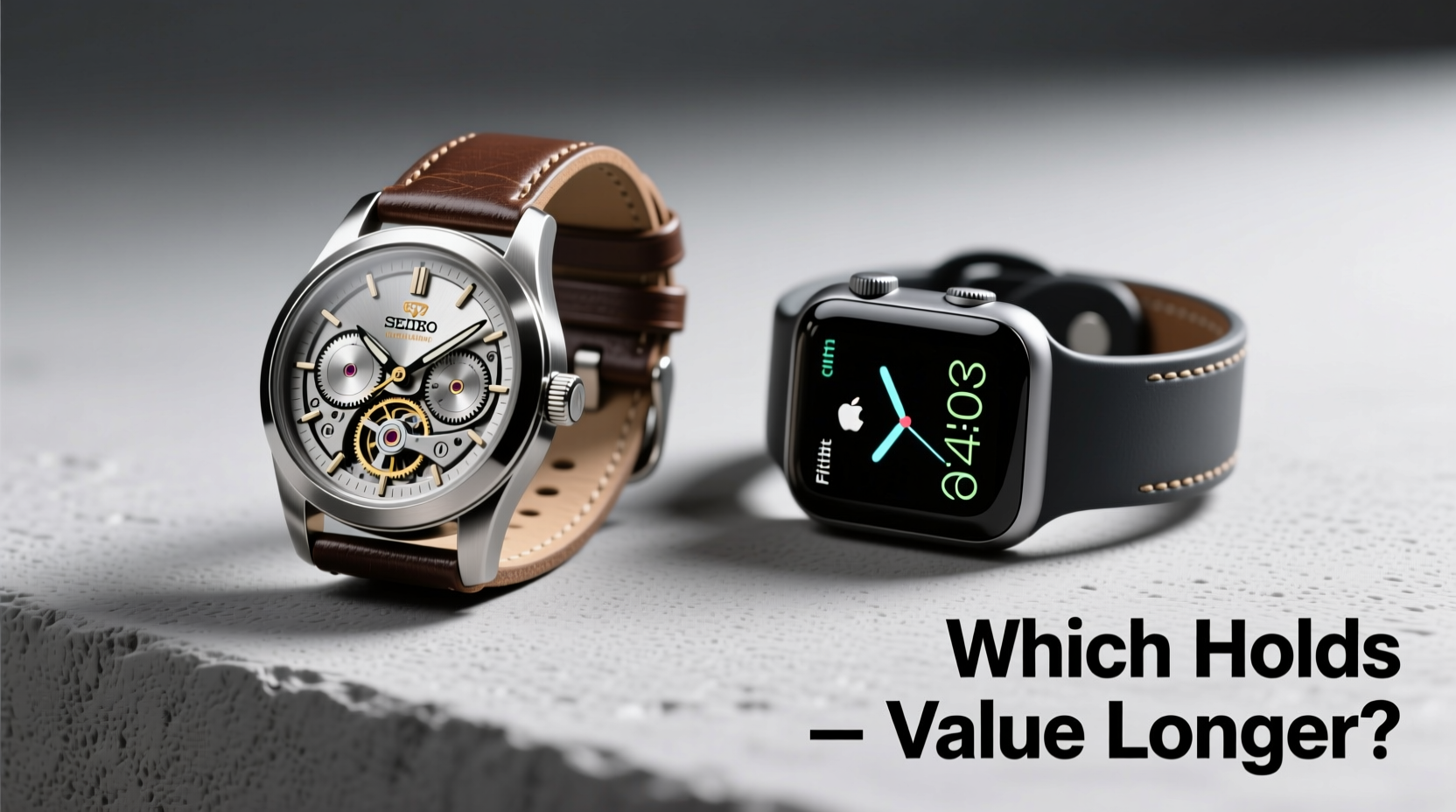
When we speak of “value” in watches, we must distinguish between three dimensions: functional utility, sentimental or stylistic worth, and financial appreciation. A smartwatch may excel in the first category, offering notifications, fitness tracking, and connectivity. But as an accessory—a piece meant to complement attire, reflect personality, and endure over time—the conversation shifts.
An accessory gains value when it transcends its immediate purpose. A well-designed watch becomes part of identity. Think of vintage Rolexes or even modestly priced Seikos from the 1970s that now command premium prices among collectors. These weren’t designed for app integration; they were built to last, look good, and tell time with precision and pride.
In contrast, most smartwatches are engineered with a different lifecycle in mind. Their components degrade, software updates cease, and new models render older ones functionally obsolete within two to four years. As accessories, they often follow tech trends—sleek today, dated tomorrow.
“Watches are one of the few objects that can be both tools and heirlooms. The best ones bridge generations.” — Daniel Lanois, Horological Historian
Longevity of Budget Mechanical Watches
Budget mechanical watches—typically defined as those under $500—are often dismissed as entry-level novelties. But many defy expectations. Brands like Seiko, Tissot, Hamilton, and Orient produce timepieces with real engineering integrity. Even at lower price points, these watches use metal cases, sapphire or hardened mineral crystals, and movements that can run reliably for decades with basic servicing.
Mechanical watches operate independently of software. There is no operating system to become unsupported, no battery chemistry to degrade irreversibly. A 1969 Seiko 5, if maintained, still keeps accurate time today. Some owners pass them down as family keepsakes. This mechanical resilience translates directly into sustained accessory value.
Stylistically, mechanical watches benefit from timeless design language. Round cases, classic dials, and leather or metal bracelets don’t fall out of fashion as quickly as angular smartwatch interfaces with digital displays. A field watch looks appropriate with a suit or casual wear; a smartwatch often struggles to appear formal.
Tip: When buying a budget mechanical watch, prioritize brands with in-house servicing support. Long-term availability of parts and expertise matters more than initial cost.Why Mechanical Movements Age Gracefully
The core appeal of mechanical watches lies in their analog nature. Each tick results from a symphony of gears, springs, and levers—visible through exhibition case backs on many models. This mechanical transparency fosters emotional connection. People don’t just wear them; they appreciate them.
Unlike electronics, mechanical components can be repaired, replaced, or upgraded. A worn mainspring or dirty gear train can be serviced by a competent watchmaker for a fraction of the watch’s original cost. This repairability extends lifespan far beyond typical consumer electronics.
Moreover, mechanical watches lack planned obsolescence. No manufacturer remotely disables a Seiko after three years. In fact, some vintage models increase in desirability over time due to rarity, historical significance, or cult following.
Smartwatches: Function Over Form
Smartwatches deliver undeniable convenience. They track heart rate, monitor sleep, deliver messages, and integrate with smartphones seamlessly. For fitness enthusiasts or professionals reliant on constant connectivity, they’re indispensable tools.
But as accessories, their limitations become apparent. Most designs prioritize screen real estate and sensor placement over elegance. Bezels are thick, displays dominate the face, and materials often include plastic or aluminum alloys that scratch easily. Even premium models like the Apple Watch Series or Samsung Galaxy Watch rely on annual refresh cycles, making last year’s model feel outdated.
Technologically, smartwatches are vulnerable to rapid depreciation. Software support typically lasts only 3–5 years. After that, security patches stop, apps stop updating, and performance lags. The hardware itself degrades: lithium-ion batteries lose capacity, screens develop burn-in, and water resistance diminishes with wear.
From a collector’s standpoint, few smartwatches have resale value. An Apple Watch Series 6 bought in 2020 might fetch $50 today—if lucky. Compare that to a Seiko SNK809 (a $50 automatic), which has developed a cult following and is often resold above retail due to demand.
Design Trends and Obsolescence
Fashion moves fast, but tech moves faster. A smartwatch that looked cutting-edge in 2021 may now appear bulky or low-resolution next to newer OLED models. Digital aesthetics age poorly; pixel density, UI animations, and interface layouts quickly signal “outdated.”
Even when functional, older smartwatches struggle to maintain accessory status because they no longer align with current design norms. Wearing a 2018 Fitbit Versa to a business meeting sends a different message than wearing a vintage Hamilton Khaki Field Auto.
“People collect old phones for nostalgia, but they wear old watches with pride. That says everything about perceived value.” — Lena Cho, Tech Lifestyle Analyst
Comparative Analysis: Key Factors
| Factor | Budget Mechanical Watch | Smartwatch |
|---|---|---|
| Lifespan | 20+ years with maintenance | 3–5 years average usability |
| Repairability | High – modular parts, global service network | Low – proprietary parts, limited repair options |
| Style Longevity | Classic designs remain relevant | Rapidly dated by tech trends |
| Resale Value | Often retains 50–80% over time; some appreciate | Depreciates >70% in 2 years |
| Emotional Connection | Strong – associated with tradition, craft | Moderate – tied to utility, not legacy |
| Upgrade Cycle | None required; optional polishing/service | Annual or biennial expected |
Real-World Example: Two Buyers, Ten Years Later
Consider two individuals who each spent $300 on a watch in 2014.
Alex bought a Seiko 5 Sports SRPD55, a robust automatic watch with a stainless steel case and reliable 7S26 movement. Over ten years, Alex wore it weekly, had the movement serviced once, replaced the strap twice, and polished the case lightly. Today, the watch still runs accurately, looks sharp, and is valued at around $250 in the secondhand market—especially since Seiko discontinued the model.
Jordan purchased a Pebble Time Steel, one of the most acclaimed early smartwatches. It offered excellent battery life, a color e-paper display, and strong app support. By 2017, Pebble was acquired and shut down. App ecosystem vanished. By 2019, the battery degraded to 40% capacity. Jordan stopped using it. Today, it sits in a drawer—functional only as a paperweight.
This contrast illustrates the fundamental divergence: mechanical watches age with dignity; smartwatches expire quietly.
Actionable Guide: Choosing for Long-Term Value
If your goal is to own a watch that remains valuable—both aesthetically and potentially financially—follow this step-by-step approach:
- Define your primary use: Is this mainly for daily wear, formal occasions, or fitness tracking?
- Prioritize mechanical over digital if longevity and style are key.
- Research reputable brands known for durability: Seiko, Tissot, Hamilton, Orient, Citizen (for Eco-Drive).
- Avoid fashion-first smartwatches unless you plan to upgrade every 2–3 years.
- Inspect build quality: Look for sapphire crystal, stainless steel, and water resistance.
- Check service availability: Can the brand or independent watchmakers repair it in 10+ years?
- Buy timeless designs: Simple dials, neutral colors, classic shapes outlast flashy features.
Checklist: Selecting a Watch That Lasts
- ✅ Movement type: Automatic or manual wind preferred for longevity
- ✅ Case material: Stainless steel over plastic or aluminum
- ✅ Crystal: Sapphire or hardened mineral glass
- ✅ Water resistance: At least 50m for daily durability
- ✅ Brand reputation: Known for reliability and service support
- ✅ Design: Minimalist, versatile dial that matches multiple outfits
- ❌ Avoid: Built-in tech dependencies (Bluetooth, apps, touchscreens) if seeking permanence
Frequently Asked Questions
Can a smartwatch ever hold long-term value?
Rarely. Only a few limited editions—like the gold Apple Watch prototypes or rare Pebble color variants—have gained collector interest. These are exceptions driven by scarcity, not inherent quality. For practical purposes, assume smartwatches depreciate quickly.
Are quartz watches a better alternative?
Quartz watches offer accuracy and low maintenance, but most budget quartz models lack the emotional and mechanical appeal of automatics. However, certain high-end quartz movements (like Grand Seiko’s 9F) combine precision with longevity. For pure accessory value, mechanical still wins in perception and craftsmanship.
What if I want both functionality and style?
Many people own multiple watches. A mechanical piece for dress and everyday wear, and a smartwatch reserved for workouts or travel. This hybrid approach maximizes both utility and enduring style without compromising either.
Conclusion: Building a Legacy on Your Wrist
At their core, watches are more than instruments—they are expressions of taste, discipline, and continuity. A budget mechanical watch, carefully chosen, can evolve into a trusted companion, a conversation starter, or even a family heirloom. Its value grows not because it does more, but because it endures.
Smartwatches, while impressive in capability, are bound by the constraints of consumer electronics: short lifespans, rapid iteration, and inevitable obsolescence. They serve brilliantly in the present but rarely leave a mark on the future.
If you seek an accessory that holds value—not just in dollars, but in meaning, style, and presence—a mechanical watch is the superior choice. It doesn’t need Wi-Fi to stay relevant. It only needs to keep ticking.
🚀 Ready to invest in a timepiece that lasts? Explore trusted mechanical watch brands today and start building a collection that ages as gracefully as you do.