Winter coats are a significant investment—both financially and functionally. Whether it’s a down-filled parka, a wool trench, or a sleek puffer, these garments endure harsh conditions and require thoughtful care when not in use. Storing them improperly during warmer months can lead to mold, fabric degradation, insect infestation, or permanent creasing. The right storage method protects your coat’s insulation, lining, and shape while ensuring it remains fresh and ready when cold weather returns.
The goal isn’t just to clear space in your closet—it’s about preserving quality, maintaining warmth retention, and avoiding costly repairs or replacements. With the right preparation and environment, your winter coat can last for many seasons. This guide walks through proven techniques, materials, and expert-backed strategies to store your winter outerwear safely and effectively.
Why Off-Season Storage Matters
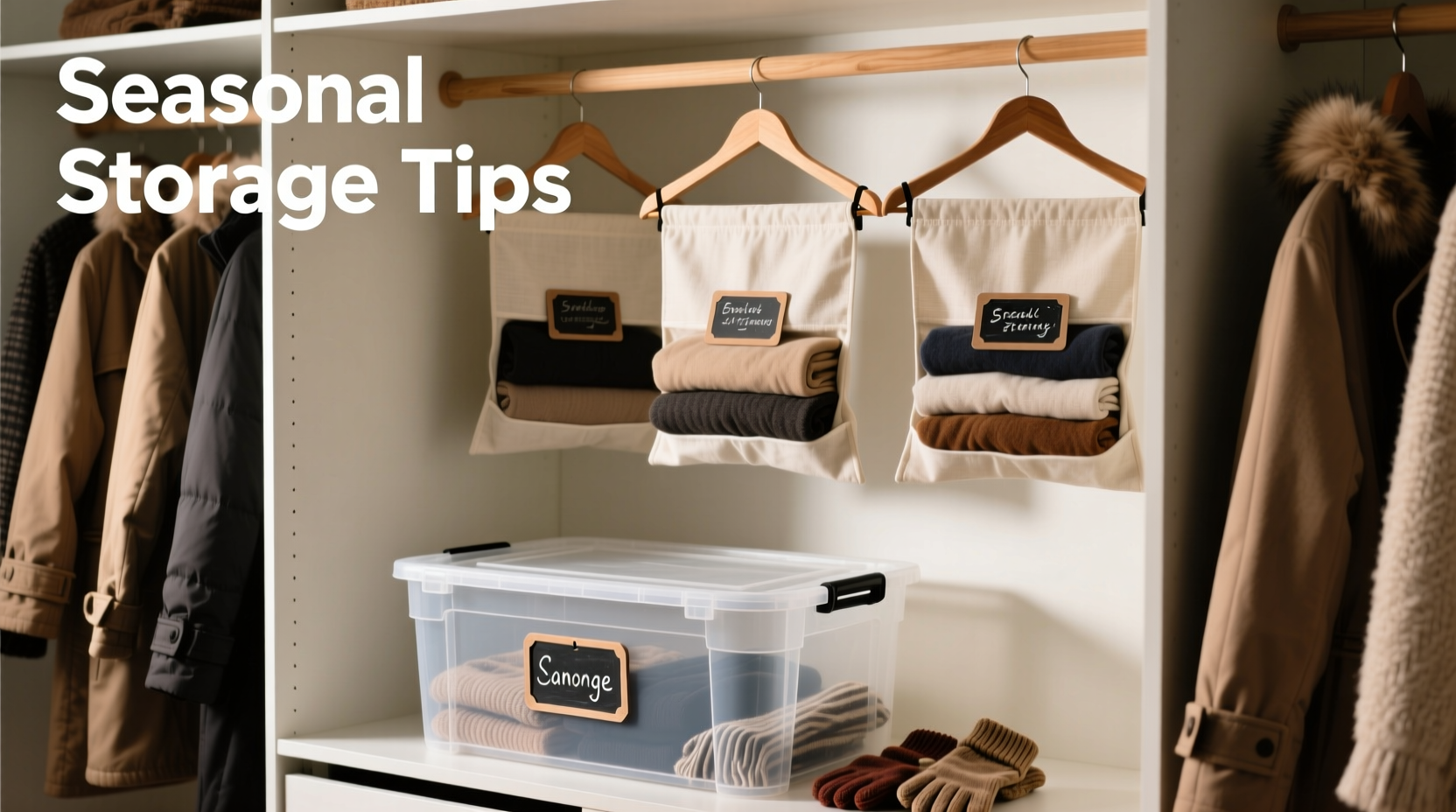
Leaving winter coats folded in a basement bin or hanging in a damp closet may seem harmless, but over time, this neglect can cause irreversible harm. Fabrics like wool and down are particularly vulnerable to moisture, pests, and compression. Even synthetic blends can degrade if exposed to heat, light, or poor air circulation.
Improper storage leads to:
- Mold and mildew from humidity
- Loss of loft in down and synthetic insulation
- Fabric yellowing or fading due to sunlight exposure
- Damage from moths or silverfish feeding on natural fibers
- Shoulder bumps or misshapen collars from flimsy hangers
Proper off-season storage prevents these issues by controlling environmental factors and using protective materials that support the garment’s structure and composition.
Tip: Never store a winter coat immediately after wearing it. Allow it to air out fully to release trapped moisture before packing it away.Step-by-Step Guide to Preparing Your Coat for Storage
Effective storage begins long before you fold or hang the coat. Preparation is key to preventing hidden damage caused by dirt, oils, or residual sweat.
- Clean the coat thoroughly. Follow the care label instructions. Down and wool coats often require professional cleaning, while some synthetic jackets can be machine-washed on a gentle cycle with a technical detergent. Never assume a coat is “clean enough.” Body oils and salt stains accelerate fabric breakdown.
- Dry completely. If machine-washing, use a low-heat dryer with clean tennis balls or dryer balls to restore loft in insulated coats. Air-drying is acceptable but must be done in a well-ventilated area away from direct sun. Ensure no dampness remains—especially in linings and pockets.
- Inspect for damage. Check seams, zippers, buttons, and inner linings. Repair small tears now to prevent worsening during storage. A loose button or snagged thread can become a larger hole if left unattended.
- Deodorize naturally. For odors that persist after cleaning, place the coat in a sealed container with activated charcoal or baking soda for 24–48 hours. Avoid perfumed sprays, which can attract pests or stain fabric.
- Empty all pockets. Forgotten tissues, keys, or gum can deteriorate or leave marks. Also check interior pockets, common hiding spots for moisture-trapping items.
“Cleaning before storage is non-negotiable. Residual sweat and oils create a breeding ground for bacteria and attract fabric-eating insects.” — Dr. Lena Torres, Textile Preservation Specialist, National Garment Archive
Choosing the Right Storage Method by Coat Type
Not all winter coats should be stored the same way. Material, weight, and construction determine whether folding or hanging is best—and what kind of container or covering to use.
| Coat Type | Best Storage Method | Avoid |
|---|---|---|
| Down Parkas & Puffers | Loose folding in breathable cotton bag; avoid compression | Vacuum-sealed bags (crushes loft), plastic bins (traps moisture) |
| Wool Coats & Trenches | Hanging on wide, padded hangers in garment bags | Wire hangers (distort shoulders), direct sunlight |
| Synthetic Insulated Jackets | Folded loosely in breathable container | Heat sources, tight folding |
| Leather or Faux Leather Coats | Hanging with breathable cover; conditioned before storage | Plastic covers (cause cracking), high humidity |
| Cotton Duck or Heavy Outerwear | Folded or hung based on weight; use cedar blocks for pest control | Damp basements, mothballs (harsh fumes) |
For heavy wool or structured coats, always use broad, contoured hangers that mimic shoulder shape. Thin or wire hangers create indentations that are difficult to remove. For down and puffer styles, folding is preferred because prolonged hanging can stretch the shell fabric and compress insulation unevenly.
Optimal Storage Environment: Location and Conditions
Even a perfectly cleaned and packed coat can suffer if placed in the wrong location. The ideal storage space maintains stable temperature and humidity while limiting exposure to light and pests.
Recommended conditions:
- Temperature: Cool and consistent (60–70°F / 15–21°C)
- Humidity: Below 50% to prevent mold and mildew
- Light: Dark or low-light areas to prevent fading
- Ventilation: Airflow without drafts
The best places include interior closets, under-bed storage compartments, or climate-controlled storage units. Avoid attics (too hot), basements (often damp), garages (temperature swings and pests), and near heating vents.
Use breathable storage solutions such as cotton garment bags, canvas bins, or wooden chests. These allow air circulation while shielding from dust. Avoid plastic bags or vacuum-sealed containers unless specifically designed for long-term clothing preservation—they trap moisture and restrict airflow, promoting mildew growth.
Tip: Place cedar blocks or lavender sachets in storage containers to deter moths naturally. Replace every 6–12 months for continued effectiveness.Mini Case Study: Recovering a Damaged Wool Coat
Sarah, a teacher in Vermont, stored her favorite wool-cashmere coat in a plastic bin in her basement after winter. She assumed the bin would protect it from dust. When she retrieved it the following fall, she found faint yellow spots along the sleeves and a musty odor. The lining had begun to separate at the seams.
She took the coat to a professional cleaner specializing in wools. The technician explained that despite the sealed bin, humidity from the basement had seeped in, creating a microclimate where mold could grow. The lack of airflow prevented the coat from breathing, accelerating fiber breakdown.
After professional cleaning and pressing, the coat was restored—but the experience cost Sarah $85 and nearly half its original lifespan. Today, she stores all seasonal outerwear in a cedar-lined closet upstairs, using breathable cotton garment bags and annual lavender refills. Her coats now remain in excellent condition for over five winters.
Storage Checklist: 7 Essential Steps
Follow this checklist each spring to ensure your winter coat stays protected all year:
- ✔ Clean the coat according to care label (dry clean or hand wash as needed)
- ✔ Dry completely—inside and out—before packing
- ✔ Repair any loose buttons, broken zippers, or small tears
- ✔ Use padded or shaped hangers for structured coats
- ✔ Fold insulated coats loosely; never compress down filling
- ✔ Store in a breathable container or garment bag <7>✔ Place in a cool, dry, dark location away from pests and sunlight
This routine takes less than an hour per coat but can extend its usable life by several seasons. Treat it as part of your seasonal transition ritual—like switching out summer tires or putting away holiday decorations.
Frequently Asked Questions
Can I use vacuum-sealed bags for my down jacket?
No. While vacuum bags save space, they crush the down clusters that provide insulation. Over time, compressed down loses its ability to re-loft, reducing warmth and comfort. Instead, store down jackets loosely in breathable cotton or mesh bags.
How often should I check stored coats during off-season?
Inspect once every 2–3 months. Look for signs of moisture, pests, or odor. Gently shake out folded coats to restore shape and air out fabrics. This also helps redistribute insulation in puffer styles.
Is it safe to store coats in the closet with other clothes?
Yes, as long as the closet is dry, well-ventilated, and not overcrowded. Avoid cramming coats into tight spaces, which restricts airflow and increases friction between fabrics. Use garment bags to reduce contact with other garments.
Expert Tips for Long-Term Preservation
For those who own high-end or vintage winter wear, consider these advanced preservation techniques:
- Rotate storage positions: If storing folded, flip the coat every few months to prevent permanent creases.
- Use silica gel packs: Place 1–2 in storage containers to absorb excess moisture. Replace annually.
- Condition leather annually: Apply a manufacturer-recommended conditioner before storing to prevent drying and cracking.
- Label storage boxes: Note the contents and date stored to track maintenance cycles.
For collectors or those in humid climates, investing in a dehumidifier for the storage room can make a dramatic difference. Relative humidity above 60% significantly increases the risk of mold and insect activity.
“The lifespan of a winter coat is determined more by how it’s stored than how often it’s worn. Ten minutes of proper prep can add five years to its usability.” — Marcus Reed, Senior Conservator at The Fashion Archives, Toronto
Conclusion: Protect Your Investment Year-Round
Storing winter coats off-season isn’t just about freeing up closet space—it’s about respecting the craftsmanship, materials, and utility these garments offer. With minimal effort, you can prevent common issues like mold, pest damage, and loss of insulation. The steps are simple: clean thoroughly, dry completely, choose the right storage method for the coat type, and place it in a stable, dry environment.
By treating your winter coat with care even when it’s not in use, you ensure it performs reliably when temperatures drop. You’ll save money on replacements, reduce textile waste, and maintain a wardrobe that serves you well for years. Don’t let next winter catch you off guard with a damaged or musty coat. Take action now—your future self will walk into the snowstorm wrapped in warmth, confidence, and well-preserved style.
💬 Have a coat storage success story or tip? Share your experience in the comments and help others protect their winter essentials!