
Wool sweaters are a staple in cold-weather wardrobes—warm, breathable, and long-lasting when cared for properly. But one of the greatest threats to these garments isn’t wear and tear; it’s the silent destruction caused by clothes moths. These pests target natural fibers like wool, feeding on keratin in the fabric and leaving behind holes, fraying, and ruined textures. While chemical mothballs are commonly used, many people prefer natural solutions that protect both their clothing and their health. The good news is that there are several proven, eco-friendly strategies to deter moths without relying on synthetic pesticides.
Natural moth prevention focuses on cleanliness, proper storage, and the use of aromatic deterrents that moths instinctively avoid. By understanding moth behavior and taking proactive steps, you can preserve your wool collection season after season—without compromising on safety or sustainability.
Why Moths Target Wool Sweaters
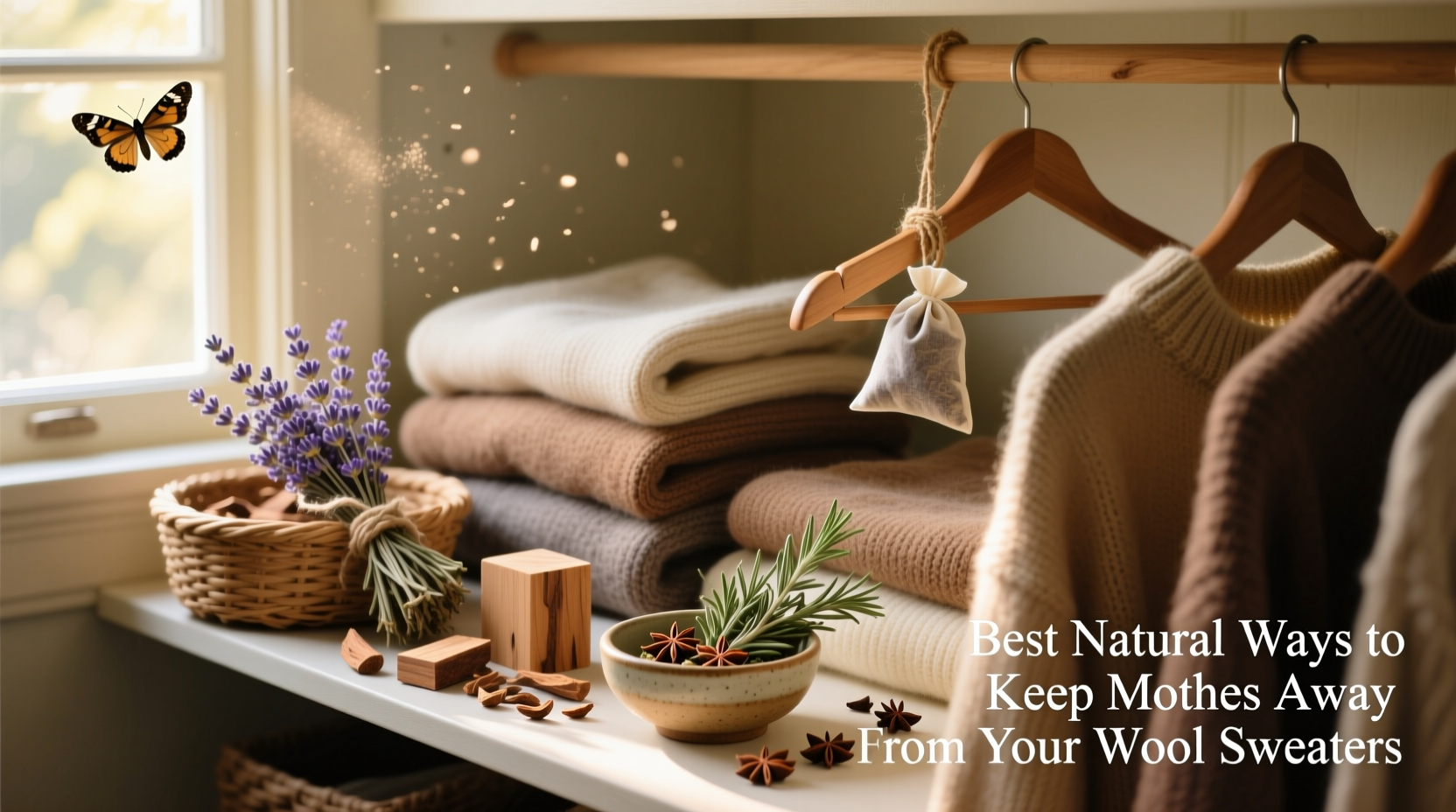
Clothes moths, particularly the common species *Tineola bisselliella* (webbing clothes moth), aren’t attracted to light or human contact. Instead, they’re drawn to dark, undisturbed areas where they can lay eggs on organic materials. It’s not the adult moths that cause damage—it’s their larvae. Once hatched, these tiny caterpillars feed on keratin-rich fibers such as wool, cashmere, alpaca, and fur.
Sweaters left folded in closets, especially those with residual body oils, sweat, or food stains, become ideal feeding grounds. Moths thrive in warm, humid environments but can survive in typical indoor conditions if moisture and food sources are present. This makes seasonal storage a high-risk period, particularly when sweaters are packed away without inspection or cleaning.
“Moths don’t attack clean wool—they’re after the organic residues we leave behind. A well-cleaned sweater is already halfway protected.” — Dr. Lena Peterson, Textile Entomologist, University of Vermont
Top Natural Deterrents That Actually Work
Many traditional remedies claim to repel moths, but only a few have demonstrated effectiveness through consistent use. The most reliable natural deterrents work by emitting strong scents that disrupt the moths’ ability to locate suitable breeding sites. Here are the top options supported by both anecdotal evidence and scientific observation:
- Cedar wood: Cedar contains natural oils (primarily cedrol) that repel moths. Cedar blocks, balls, or lining in drawers create a protective barrier. However, the scent diminishes over time—typically within 3–6 months—so periodic sanding or replacement is necessary.
- Lavender
- Rosemary: Dried sprigs or essential oil on cotton pads placed near stored wool emit a pine-like aroma moths dislike. Rosemary also has mild antifungal properties, helping prevent mustiness.
- Thyme and mint: Both herbs contain thymol and menthol compounds known to deter insects. Bundles of dried mint or thyme tucked into storage boxes add fragrance and protection.
- Bay leaves: Whole bay leaves scattered in drawers or wrapped in muslin pouches have been used for generations. Their sharp eucalyptus-like scent confuses moth navigation.
Step-by-Step Guide to Natural Moth Prevention
Preventing moth infestations requires a routine, not just a one-time fix. Follow this timeline each season to ensure your wool sweaters remain protected year-round:
- Inspect and clean before storage: Always wash or dry clean wool sweaters before putting them away. Stains, sweat, and skin cells attract moths. Use a gentle wool-safe detergent and air-dry flat to preserve shape.
- Vacuum storage areas thoroughly: Moth eggs and larvae often hide in carpet fibers, cracks in shelves, or folds of garment bags. Vacuum all corners of closets, drawers, and under furniture where wool items are kept.
- Choose breathable, sealed containers: Avoid plastic bags, which trap moisture and encourage mold. Instead, use cotton garment bags, wooden chests with cedar lining, or canvas storage boxes with tight-fitting lids.
- Add natural repellents: Place lavender sachets, cedar blocks, or bay leaves inside each container. Ensure even distribution so no area is unprotected.
- Rotate and air out monthly: During long-term storage, open containers once a month to let air circulate and refresh deterrents. This also allows early detection of any signs of moths.
- Freeze suspicious items: If you suspect an item is infested, seal it in a plastic bag and freeze for 72 hours. This kills eggs and larvae without damaging wool.
Do’s and Don’ts of Natural Moth Control
| Do | Don’t |
|---|---|
| Wash wool items before storing | Store dirty or stained sweaters |
| Use breathable cotton or linen storage | Seal wool in airtight plastic bags |
| Refresh herbal sachets regularly | Rely on dried herbs for more than 3 months |
| Vacuum closets and drawers seasonally | Ignore hidden corners and baseboards |
| Freeze suspected infested items | Expose infested wool to other fabrics |
A Real Example: How One Household Eliminated Moths Naturally
In Burlington, Vermont, Sarah M., a knitter and vintage clothing collector, faced recurring moth damage in her hand-knit wool collection. Despite using store-bought mothballs, she noticed new holes each spring. Concerned about chemical exposure—especially with young grandchildren visiting—she turned to natural alternatives.
She began by laundering all woolens, then vacuuming her entire closet system, including the back panel and floor beneath shelves. She replaced plastic bins with lidded canvas boxes lined with untreated cedar planks. Inside each box, she placed two lavender-cotton sachets made from organic dried buds and a few whole bay leaves in a small muslin bag.
Every six weeks during storage, she opened the boxes to air them out and lightly sanded the cedar to renew its scent. After one full year, not a single sweater showed signs of damage. “I was skeptical at first,” she says, “but consistency made all the difference. Now I never store wool without this routine.”
Essential Checklist for Moth-Free Wool Storage
To ensure you don’t miss any critical step, follow this checklist each time you prepare wool sweaters for storage:
- ✅ Wash or dry clean all sweaters
- ✅ Inspect for existing holes or webbing
- ✅ Vacuum closet shelves, drawers, and surrounding areas
- ✅ Choose breathable, sealed storage containers
- ✅ Insert cedar blocks or refreshed herbal sachets
- ✅ Label containers with date and contents
- ✅ Store in a cool, dry place away from humidity
- ✅ Schedule monthly airing and inspection
Frequently Asked Questions
Can I use essential oils directly on wool?
No. Pure essential oils are highly concentrated and can stain or degrade wool fibers. Instead, apply 1–2 drops to a cotton ball or fabric sachet and place it near—but not touching—the sweater. This allows scent diffusion without direct contact.
How do I know if my sweater is already infested?
Look for small holes, loose fibers, or silky webbing in seams and folds. You may also notice tiny beige cocoons or rice-like specks (larvae casings) in storage areas. If you see any of these, isolate the garment immediately and freeze it for three days before cleaning.
Are natural methods as effective as chemical ones?
When used consistently, natural methods can be equally effective—though they require more diligence. Unlike chemical treatments that kill on contact, natural deterrents work by prevention and disruption. They don’t eliminate existing infestations but are excellent for long-term protection when paired with cleanliness and proper storage.
Conclusion: Protect Your Wool Naturally and Effectively
Preserving wool sweaters from moths doesn’t require harsh chemicals or expensive treatments. With a thoughtful approach centered on hygiene, airflow, and nature-based repellents, you can safeguard your favorite garments for years. The key is consistency—cleaning before storage, refreshing deterrents, and monitoring conditions regularly.
By adopting these natural strategies, you’re not only protecting your wardrobe but also creating a healthier home environment. Wool is a renewable, biodegradable fiber worth caring for sustainably. Start this season with a clean slate, fresh sachets, and confidence that your sweaters will emerge unharmed when winter returns.
💬 Have a natural moth-repelling trick that works for you? Share your experience in the comments and help others protect their woolens the safe way.