When you invest in a designer handbag, every detail matters—from the stitching to the hardware. One often-overlooked but increasingly popular choice is the accessory that dangles from the zipper pull or strap: the bag pendant. But how does it compare to a standard keychain charm? At first glance, they seem interchangeable—both add personality and flair. However, dig deeper, and the differences in function, craftsmanship, and long-term value become clear. This isn’t just about looks; it’s about understanding whether upgrading from a charm to a branded bag pendant delivers real returns or merely feeds into fashion hype.
The Fundamental Difference: Design Intent and Placement
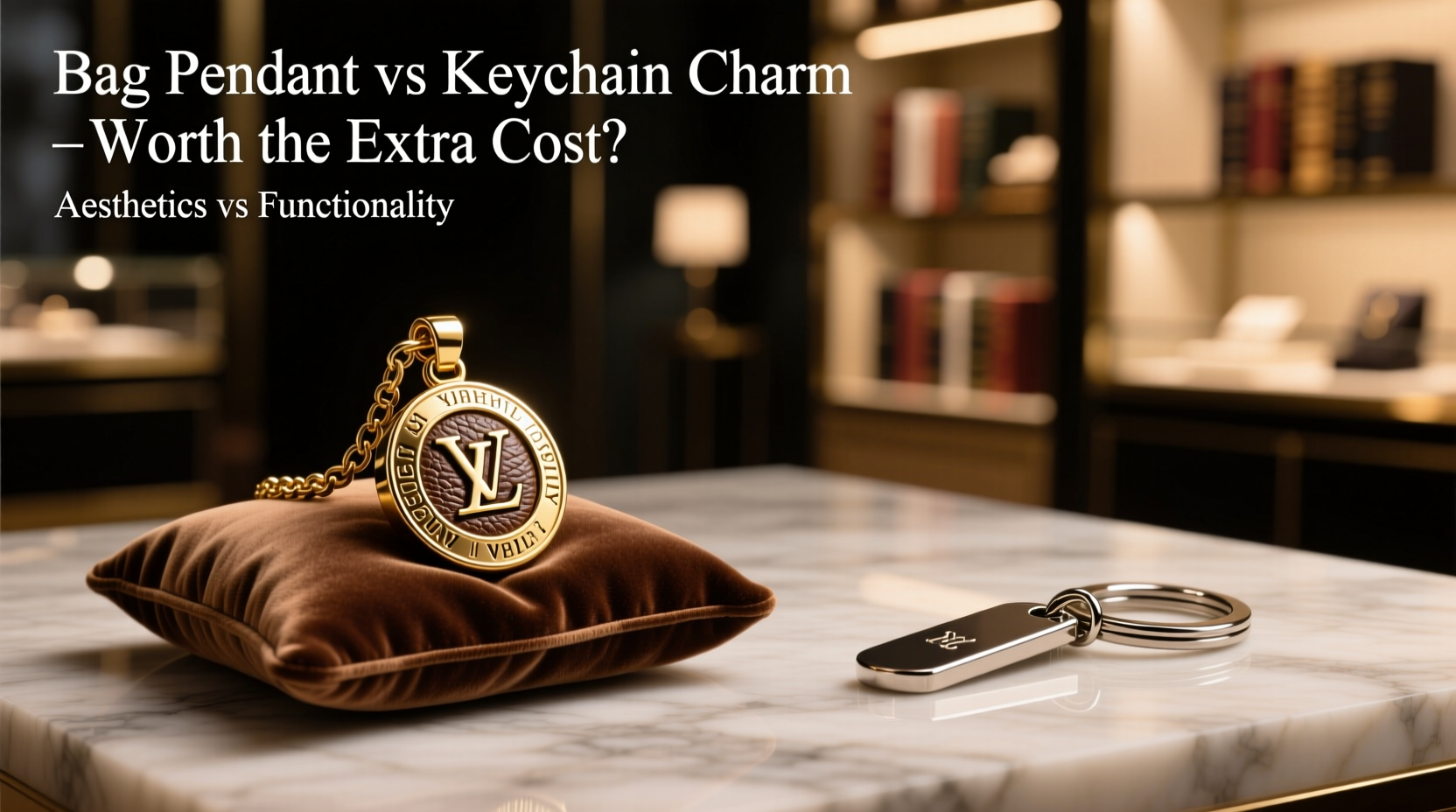
A bag pendant and a keychain charm may serve a similar decorative purpose, but their design philosophy diverges significantly. Bag pendants are typically engineered as integrated accessories by luxury brands—think of Louis Vuitton’s iconic *Charms* collection or Gucci’s horsebit-adorned trinkets. These are designed specifically to complement the bag’s aesthetic, often matching its hardware finish and brand motifs. They’re meant to be permanent or semi-permanent fixtures, attached via a secure loop or clasp directly onto the bag’s functional elements.
In contrast, keychain charms are more universal. They’re mass-produced, generic, and easily swapped between keys, zippers, or lanyards. While customizable and often playful, they lack the tailored integration of a true bag pendant. Their attachment method—usually a simple split ring—is less refined and more prone to snagging or detaching.
Tip: If your bag has a dedicated D-ring or charm holder, use it—don’t force attachments onto zippers or straps that weren’t designed for extra weight.Material Quality and Craftsmanship Comparison
Luxury bag pendants are frequently made from materials that mirror those of the bag itself: polished metal, enamel detailing, leather tassels, or even precious stones. Brands like Chanel and Prada invest in micro-engineering these pieces, ensuring they resist tarnishing and maintain structural integrity over time. The clasps are often spring-loaded or screw-lock mechanisms, reducing the risk of accidental loss.
Keychain charms, while available in high-end versions, are more commonly crafted from lower-grade alloys, plastic, or resin. Even when stylish, they’re not built for constant exposure to friction, moisture, or UV light. Over time, paint chips, plating wears off, and rings weaken—especially when dangling from a moving bag throughout the day.
| Feature | Bag Pendant (Luxury) | Keychain Charm (Generic) |
|---|---|---|
| Material | Sterling silver, gold-plated brass, enamel, leather | Zinc alloy, plastic, rubber |
| Attachment | Dedicated clasp, magnetic lock, or branded ring | Split ring or lobster clasp |
| Durability | High – resistant to wear and corrosion | Low to moderate – prone to breakage |
| Price Range | $150–$600+ | $10–$75 |
| Brand Integration | Designed to match specific bag lines | Universal, no brand alignment |
Are Bag Pendants Worth the Extra Cost?
The price gap is undeniable. A single branded pendant can cost as much as a mid-tier handbag charm set. But value isn’t solely monetary—it includes longevity, emotional resonance, and resale impact.
Consider this: a well-maintained bag with original accessories, including its pendant, commands higher resale value. Platforms like Rebag and The RealReal often list “complete with dust bag, authenticity card, and charms” as a premium selling point. In one 2023 audit, bags sold with full accessories fetched up to 22% more than identical models missing small extras.
“Accessories aren’t afterthoughts—they’re proof of care. A missing pendant signals neglect, even if the bag itself is pristine.” — Daniel Reyes, Luxury Resale Appraiser at Vault & Vogue
Additionally, bag pendants enhance personalization without altering the bag’s structure. Unlike stickers or paint, which can devalue a piece, an official pendant is reversible and brand-approved. For collectors, this balance of expression and preservation is invaluable.
Real-World Example: The Daily Commuter’s Dilemma
Sophia, a marketing executive in Chicago, owns a black Celine Triomphe tote she uses five days a week. Initially, she attached a whimsical cat-shaped keychain charm from a boutique. Within three months, the charm’s paint peeled, the plastic eyes cracked, and the split ring snapped during rush hour, lost in the subway.
She replaced it with the official Celine *Cylinder Charm*—a minimalist silver cylinder priced at $280. Two years later, it remains flawless. “It doesn’t scream for attention,” she says, “but when someone notices it, they recognize it’s authentic. It feels like part of the bag now, not just something I stuck on.”
Her experience reflects a broader trend: functional elegance outweighs novelty in high-use scenarios. The initial cost stung, but spread over 730+ days of use, the daily cost is under $0.39—less than her morning coffee.
How to Decide: A Practical Checklist
Before investing in a bag pendant, ask yourself the following:
- Do you own the bag long-term? If you plan to keep it for years or resell, a pendant adds value.
- Is the bag frequently used? High-wear environments demand durable accessories.
- Does the pendant match your bag’s hardware? Gold-tone on gold-tone maintains cohesion.
- Can you secure it properly? Avoid overloading weak points like thin zipper pulls.
- Does it reflect your personal style? Choose meaning over trendiness.
Step-by-Step Guide to Choosing the Right Accessory
- Assess your bag’s design. Identify attachment points and hardware finish (gold, silver, antique).
- Determine usage frequency. Daily bags need sturdier pendants than occasional clutches.
- Set a budget. Allocate 5–10% of the bag’s value for accessories if preserving resale value is a goal.
- Research brand offerings. Check the manufacturer’s website for official pendants compatible with your model.
- Try before you buy. Visit a boutique to see how the pendant hangs and moves with the bag.
- Maintain it regularly. Wipe metal with a soft cloth monthly; store separately when not in use.
Frequently Asked Questions
Can I use a keychain charm as a bag pendant?
Yes, technically—but consider durability and fit. Generic charms may scratch hardware or detach unexpectedly. Use only if lightweight and securely fastened.
Do bag pendants increase resale value?
Significantly. Full sets with original accessories sell faster and at higher prices. Missing pendants can raise suspicion about authenticity or care history.
Are there affordable alternatives to branded pendants?
Some independent artisans offer high-quality replicas or custom designs using better materials than typical keychains. Look for solid metal construction and smooth finishes. Just avoid counterfeit logos.
Final Verdict: Beyond Aesthetics
The debate isn’t just about aesthetics—it’s about intentionality. A bag pendant, especially a brand-original one, represents a commitment to curation and care. It’s not merely decoration; it’s a functional extension of the bag’s identity. While a keychain charm offers fleeting fun, a well-chosen pendant contributes to the narrative of ownership: respect, attention to detail, and long-term value.
If you treat your handbag as an investment—whether financial or emotional—the extra cost of a quality pendant is justified. It protects resale potential, enhances daily enjoyment, and reinforces the craftsmanship behind the entire piece. For frequent users and collectors alike, it’s not excess. It’s completeness.
💬 What’s your take? Have you upgraded from a charm to a pendant? Share your experience and help others decide what’s truly worth it.