For new and experienced mothers alike, the choice of a daily carry bag extends far beyond fashion. It’s about logistics, comfort, preparedness, and identity. The classic debate between the utilitarian backpack diaper bag and the polished designer tote isn’t just about looks—it’s a reflection of lifestyle priorities. As more moms navigate postpartum transitions, career reentry, and social visibility, the question arises: Is ditching the bulky diaper backpack for a sleek designer tote truly worth the switch?
The answer isn’t one-size-fits-all. While some women seamlessly transition into minimalist elegance, others find themselves missing the structured compartments and weight distribution of their trusty backpacks. This article breaks down the real trade-offs, shares honest insights from working moms, and helps you decide whether your upgrade is practical—or just performative.
Functionality First: What Each Bag Delivers
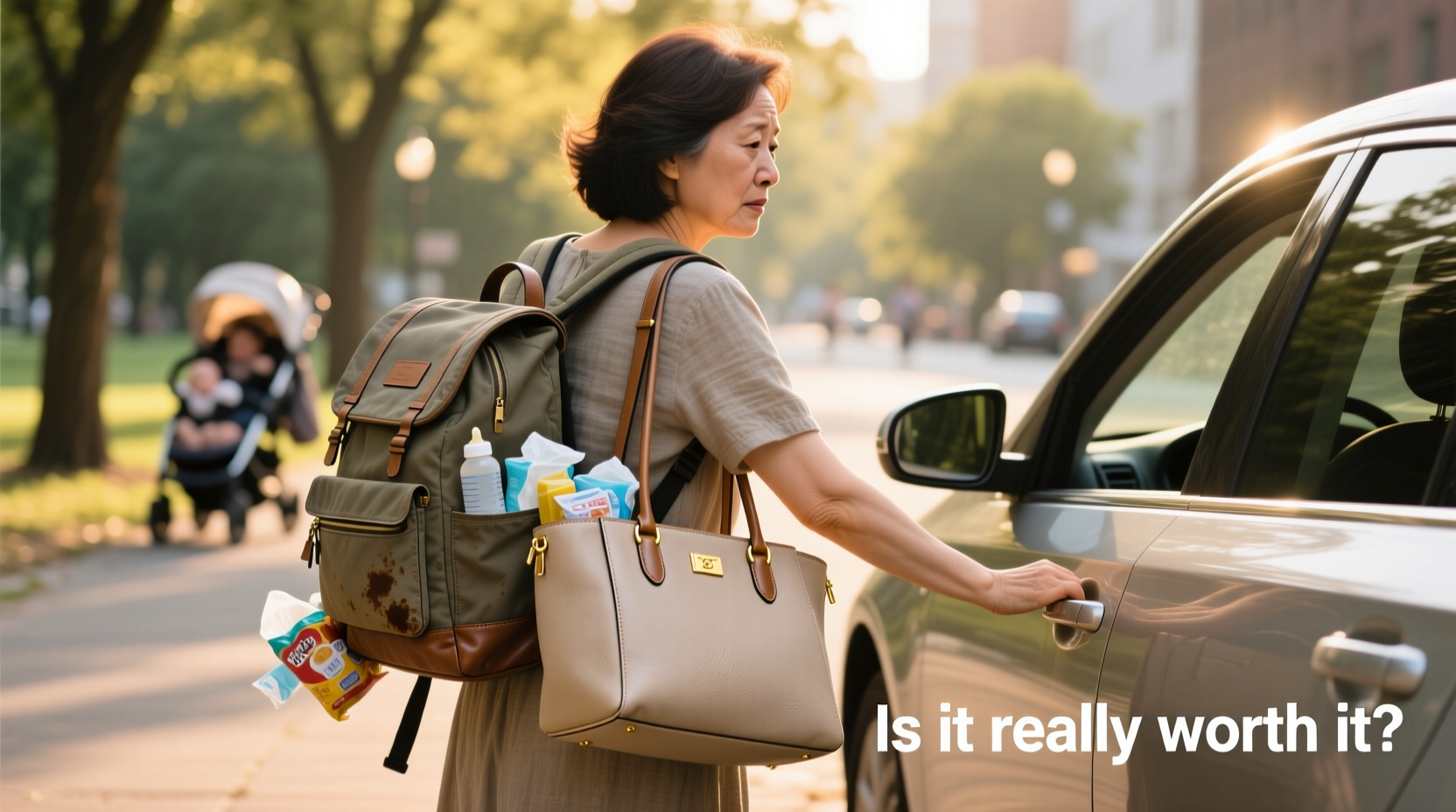
At its core, a diaper bag exists to carry essentials—diapers, wipes, bottles, snacks, spare clothes, toys, and often a parent’s personal items. How each bag type handles this load determines its long-term viability.
Backpack diaper bags are engineered for efficiency. With padded shoulder straps, multiple insulated pockets, stroller attachments, and hands-free carrying, they’re built for mobility. Most feature wipeable interiors, dedicated bottle holders, and even USB charging ports. Their design prioritizes ergonomics, reducing strain during long walks or airport treks.
Designer totes, on the other hand, emphasize aesthetics. Crafted from premium leather or canvas, they project sophistication. However, they often lack organization. Zippers may be decorative rather than functional, interior layouts are minimal, and heavy loads can lead to shoulder fatigue. Many require constant rummaging to locate small items—a challenge when managing a toddler mid-meltdown.
Tip: If using a designer tote as a diaper bag, invest in high-quality internal organizers to mimic the functionality of a dedicated diaper backpack.Real-Life Trade-Offs: Comfort vs. Image
Motherhood reshapes not only routines but self-perception. For many, switching to a designer tote symbolizes reclaiming personal style after months (or years) of prioritizing function over form. It’s a statement: “I’m still me.” But that image boost comes with tangible compromises.
A 2023 survey by ParentWell Insights found that 68% of moms who switched to designer totes reported increased back or shoulder pain within six weeks. Meanwhile, 74% admitted they still carried a secondary bag—often a compact backpack—for longer outings.
“Many of my clients want to look put-together, but they underestimate how much physical labor motherhood demands. A beautiful bag shouldn’t cost you your posture.” — Dr. Lena Patel, Pediatric Ergonomics Specialist
The emotional benefit of feeling stylish is valid. Confidence matters. But so does sustainability. Carrying 10–15 pounds unevenly in a shoulder tote can lead to chronic musculoskeletal issues, especially for those recovering from pregnancy-related joint laxity or C-sections.
Comparison Table: Backpack Diaper Bag vs Designer Tote
| Feature | Backpack Diaper Bag | Designer Tote |
|---|---|---|
| Weight Distribution | Even, across both shoulders and back | Uneven, concentrated on one shoulder |
| Organization | Multiple labeled pockets, insulated sections | Limited; often one main compartment |
| Hands-Free Use | Yes, fully | No, unless slung over shoulder |
| Durability | High—designed for spills, drops, daily wear | Variable—luxury materials may stain or scratch easily |
| Style Perception | Practical, mom-coded | Elegant, professional, fashion-forward |
| Stroller Compatibility | Most include clips or straps | Rarely designed for attachment |
| Price Range | $40–$150 (premium models) | $500–$3,000+ |
Case Study: From Backpack to Bottega and Back Again
Sophie K., a 34-year-old marketing director and mother of two, made the switch to a designer tote six months after her second child was born. She wanted to feel “like a professional again” during client meetings and school drop-offs. She invested in a $1,200 Italian leather tote, praised for its minimalist luxury.
Within three weeks, she began experiencing neck tension. The bag, filled with diapers, a sippy cup, and her laptop, weighed nearly 14 pounds. She tried using a crossbody strap, but the bag slipped constantly. During a weekend trip, she spilled breast milk inside the tote. Despite spot cleaning, the odor lingered, and the lining began to discolor.
“I loved how I looked,” Sophie shared, “but I hated how I felt. I was anxious every time I packed it, worried I’d ruin something expensive. I went back to my old backpack—and added a silk scarf to the handle for style. Now I feel both capable and confident.”
Sophie’s experience highlights a growing trend: hybrid solutions. Moms aren’t rejecting style—they’re redefining it to include practicality.
When the Switch Makes Sense: A Practical Checklist
Switching to a designer tote isn’t inherently flawed—but it works best under specific conditions. Use this checklist to evaluate whether it aligns with your lifestyle:
- ✅ You have reliable childcare support and aren’t solo-carrying all baby gear
- ✅ Your outings are short (under 3 hours) and predictable
- ✅ You use a separate diaper caddy or stroller organizer for essentials
- ✅ You’re willing to limit what you carry—no full diaper changes on the go
- ✅ You prioritize appearance for work or social events and accept the trade-offs
- ✅ You’ve tested the tote with a loaded backpack first to assess comfort
If fewer than four apply, a backpack—or a hybrid bag—may serve you better.
Smart Alternatives: The Rise of the ‘Mom-Core Chic’ Bag
A new category of bags is bridging the gap: functional yet fashionable. Brands like JuJuBe, Litti, and Babymel now offer convertible backpack-totes with detachable straps, luxe fabrics, and neutral palettes that don’t scream “diaper bag.” These designs cater to moms who refuse to choose between being prepared and looking polished.
Some designer labels have also adapted. Michael Kors, Tory Burch, and Longchamp now release “mom-friendly” versions of their classics—lightweight, roomy, with discreet bottle pockets and wipeable linings. These options blend brand prestige with thoughtful utility.
“The future of mom bags isn’t about hiding motherhood—it’s about celebrating it without sacrificing self-expression.” — Naomi Reed, Founder of MomStyle Collective
Frequently Asked Questions
Can I use a designer tote as a diaper bag if I add organizers?
Yes, but with limitations. Interior pouches can help, but they won’t fix poor weight distribution or lack of insulation. Choose a tote with a structured base and secure closure for best results.
Are backpack diaper bags unprofessional?
Not anymore. Many modern backpacks come in minimalist designs with subtle branding. Paired with tailored clothing, they can look sleek and intentional—especially in casual office environments or remote work settings.
How do I protect a designer bag from baby messes?
Use removable liner bags, avoid light-colored materials, and clean spills immediately with pH-neutral wipes. Consider fabric protection sprays for suede or canvas, but test first on hidden areas.
Conclusion: Make the Switch on Your Terms
The decision to switch from a backpack diaper bag to a designer tote isn’t about right or wrong—it’s about alignment. Alignment with your body’s needs, your daily demands, and your authentic self. There’s no trophy for suffering in silence with a sore shoulder just to look the part.
If a designer tote brings you joy and fits your routine, embrace it. But if you find yourself longing for ease, organization, and comfort, there’s equal power in choosing function. The most stylish thing a mom can carry is confidence—and that comes from knowing her choices are intentional, not imposed.
🚀 Ready to redefine your mom bag game? Share your experience—have you switched, stayed, or found a hybrid solution? Your story could help another mom make a smarter, more empowered choice.








