As the seasons shift from crisp autumn mornings to biting winter winds, many outdoor enthusiasts, commuters, and style-conscious wearers face a recurring question: Can a single vest truly bridge the gap between fall and winter conditions? With fluctuating temperatures, changing weather patterns, and evolving activity levels, relying on just one piece of outerwear may seem convenient—but is it practical? The answer isn’t a simple yes or no. It depends on material, insulation, layering strategy, and personal tolerance to cold. This article explores the functional differences between autumn and winter vests, evaluates hybrid options, and provides actionable guidance for choosing versatile, season-spanning gear.
Understanding the Seasonal Divide
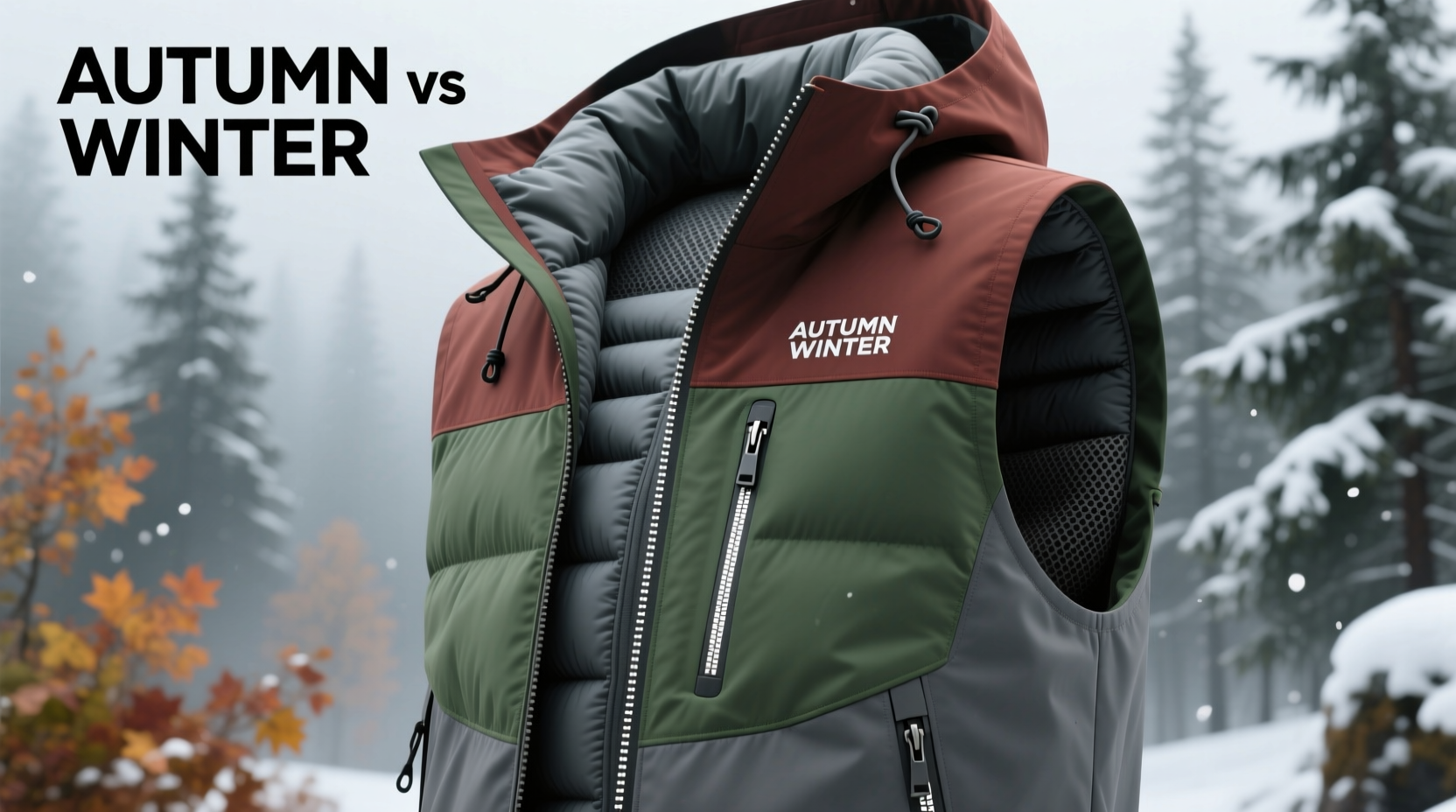
Autumn and winter present distinct environmental challenges. Autumn typically brings cool but manageable temperatures—ranging from 45°F to 60°F (7°C to 15°C)—with mild wind and occasional rain. Layering is often optional, and core warmth comes from light sweaters or long-sleeve shirts. In contrast, winter plunges into sub-40°F (4°C) territory, especially in northern climates, with increased wind chill, snow, and prolonged exposure to cold. Under these conditions, retaining body heat becomes critical.
Vests are designed primarily to insulate the torso—the body’s core—without restricting arm movement. However, their effectiveness varies significantly depending on construction. Autumn vests tend to be lighter, breathable, and sometimes water-resistant. Winter vests prioritize high-loft insulation, windproof shells, and thermal retention. Trying to use an autumn vest in deep winter may leave you underprepared, while wearing a heavy winter vest during Indian summer could lead to overheating and discomfort.
Key Differences in Vest Design
The suitability of a vest for both seasons hinges on several technical factors:
- Insulation Type: Autumn vests often use thin synthetic fills or lightweight fleece. Winter vests rely on heavier synthetics like PrimaLoft® or natural down (600+ fill power).
- Shell Fabric: Wind resistance matters more in winter. Look for ripstop nylon or polyester with DWR (durable water repellent) coatings.
- Breathability: Autumn demands better moisture management; winter prioritizes heat retention over breathability.
- Cut and Fit: A slightly looser fit allows for layering in winter, while a snug cut works well over shirts or light layers in autumn.
Can One Vest Handle Both? Evaluating Hybrid Options
Some modern vests are engineered as “3-season” pieces, designed specifically to perform across autumn, late spring, and early winter. These hybrids typically feature:
- Moderate insulation (e.g., 100–160g of synthetic fill)
- Removable liners or zip-in compatibility with jackets
- Adjustable hems and collar heights for microclimate control
- Lightweight yet wind-resistant exteriors
Brands like Patagonia, Arc’teryx, and The North Face offer models marketed as transitional. For example, the Patagonia Better Sweater Vest uses recycled polyester fleece with a wind-facing front panel, making it suitable for cool autumn days and milder winter afternoons when layered under a shell jacket.
“Versatility in outerwear comes down to adaptability. A mid-weight vest with layering potential can stretch across two seasons—if you know how to use it.” — Daniel Reed, Outdoor Gear Specialist at Alpine Review
Layering: The Real Key to Year-Round Use
No single vest will work optimally in all conditions without strategic layering. The human body generates heat through activity, and clothing systems should respond dynamically. Here’s how to extend one vest across seasons:
- Base Layer (All Seasons): Moisture-wicking fabric like merino wool or synthetic blend keeps skin dry.
- Mid-Layer (Winter Emphasis): Add a thermal shirt, hoodie, or lightweight down jacket beneath the vest.
- Vest (Core Insulator): Acts as a windbreak and traps heat generated by inner layers.
- Shell (Winter Only): Overvest or full jacket for rain, snow, and extreme wind protection.
In autumn, wear the vest over a long-sleeve tee. In winter, combine it with a turtleneck and packable shell. This modular approach maximizes flexibility without requiring multiple dedicated vests.
Checklist: Is Your Vest Ready for Dual Seasons?
- ✅ Moderate insulation level (not too thin, not overly bulky)
- ✅ Wind-resistant front panel or full shell
- ✅ Breathable back panel or side panels for ventilation
- ✅ Compatible with layering (roomy enough for mid-layers)
- ✅ Durable, water-repellent finish
- ✅ Adjustable hem or elastic binding to seal out drafts
Real-World Test: A Commuter’s Experience
Take Sarah Lin, a bike commuter in Portland, Oregon. She uses a Mountain Hardwear Ghost Whisperer/2 Vest year-round. From September to November, she wears it over a flannel shirt—perfect for 50°F mornings. As December arrives and temperatures drop to 35°F, she adds a merino base layer and a softshell jacket underneath. On snowy days, she zips the vest into her waterproof cycling jacket using built-in connectors. “It’s not magic,” she says, “but with the right layers, I’ve avoided buying separate vests for fall and winter.” Her experience underscores that versatility isn’t just about the garment—it’s about system thinking.
Comparison Table: Autumn vs Winter vs Transitional Vests
| Feature | Autumn Vest | Winter Vest | Transitional Vest |
|---|---|---|---|
| Insulation Weight | Light (40–80g) | Heavy (160g+ or 700+ fill down) | Medium (100–140g) |
| Wind Resistance | Limited or none | High (full windproof shell) | Moderate (front panel only) |
| Layering Compatibility | Poor (tight fit) | Good (loose cut) | Excellent (designed for layering) |
| Best Temperature Range | 50–65°F (10–18°C) | 20–40°F (-7 to 4°C) | 35–60°F (2–15°C) |
| Water Resistance | Minimal | High (taped seams, DWR) | Moderate (DWR-treated) |
| Portability | High (packable) | Low to Medium | High (compressible) |
Frequently Asked Questions
Can I wear a down vest in the rain?
Traditional down loses insulating power when wet. However, modern vests often use hydrophobic down or synthetic alternatives that resist moisture. Even then, prolonged exposure to rain requires a waterproof shell. Never rely solely on a down vest in wet winter conditions without protection.
Is a fleece vest warm enough for winter?
Standard fleece vests provide minimal wind resistance and moderate warmth. They work in mild winter conditions when layered under a windbreaker or jacket, but are insufficient alone in freezing temperatures or windy environments.
What makes a vest truly versatile?
A truly versatile vest balances weight, wind resistance, and layering capability. Look for features like zip-off liners, stuff sacks, adjustable cuffs, and compatibility with other garments in your wardrobe. Brands that design modular systems (e.g., zip-together jackets and vests) enhance long-term utility.
Final Verdict: Yes, But With Conditions
Yes, one vest can handle both autumn and winter—but only if it’s thoughtfully chosen and intelligently used. A mid-weight, wind-resistant, layer-friendly vest offers the best chance of seasonal crossover. Success depends less on the vest itself and more on how you integrate it into a broader clothing system. Understand your climate, anticipate temperature swings, and invest in quality base and mid-layers to maximize performance.
For those living in regions with gradual seasonal transitions, a well-chosen transitional vest reduces clutter, saves money, and simplifies daily dressing. However, in areas with extreme winters, supplementing with a dedicated cold-weather vest remains advisable for safety and comfort.
🚀 Ready to optimize your outerwear? Audit your current vest collection, test layering combinations, and consider upgrading to a true 3-season model. Share your favorite multi-season vest setup in the comments below and help others dress smarter across the seasons.