The modern workplace is evolving, and so is its wardrobe. As remote work blurs the lines between home comfort and professional presentation, the rise of athleisure has sparked a cultural shift in what we consider “appropriate” office attire. At the center of this sartorial debate: leggings. Once confined to yoga studios and weekend errands, they’ve now crept into co-working spaces, hybrid offices, and even boardrooms. But can they truly pass as professional wear? Or are they a fashion misstep waiting to happen?
This question isn’t just about fabric or fit—it’s about context, culture, and credibility. The tension between traditional workwear (think tailored blazers, crisp shirts, and structured trousers) and the comfort-driven ethos of athleisure reveals deeper shifts in workplace values: flexibility, inclusivity, and personal expression. Yet, professionalism still carries expectations—visual cues that signal competence, respect, and preparedness.
To answer whether leggings can look professional, we must examine not only aesthetics but also industry norms, material quality, styling techniques, and organizational culture.
The Rise of Athleisure and the Erosion of Dress Codes
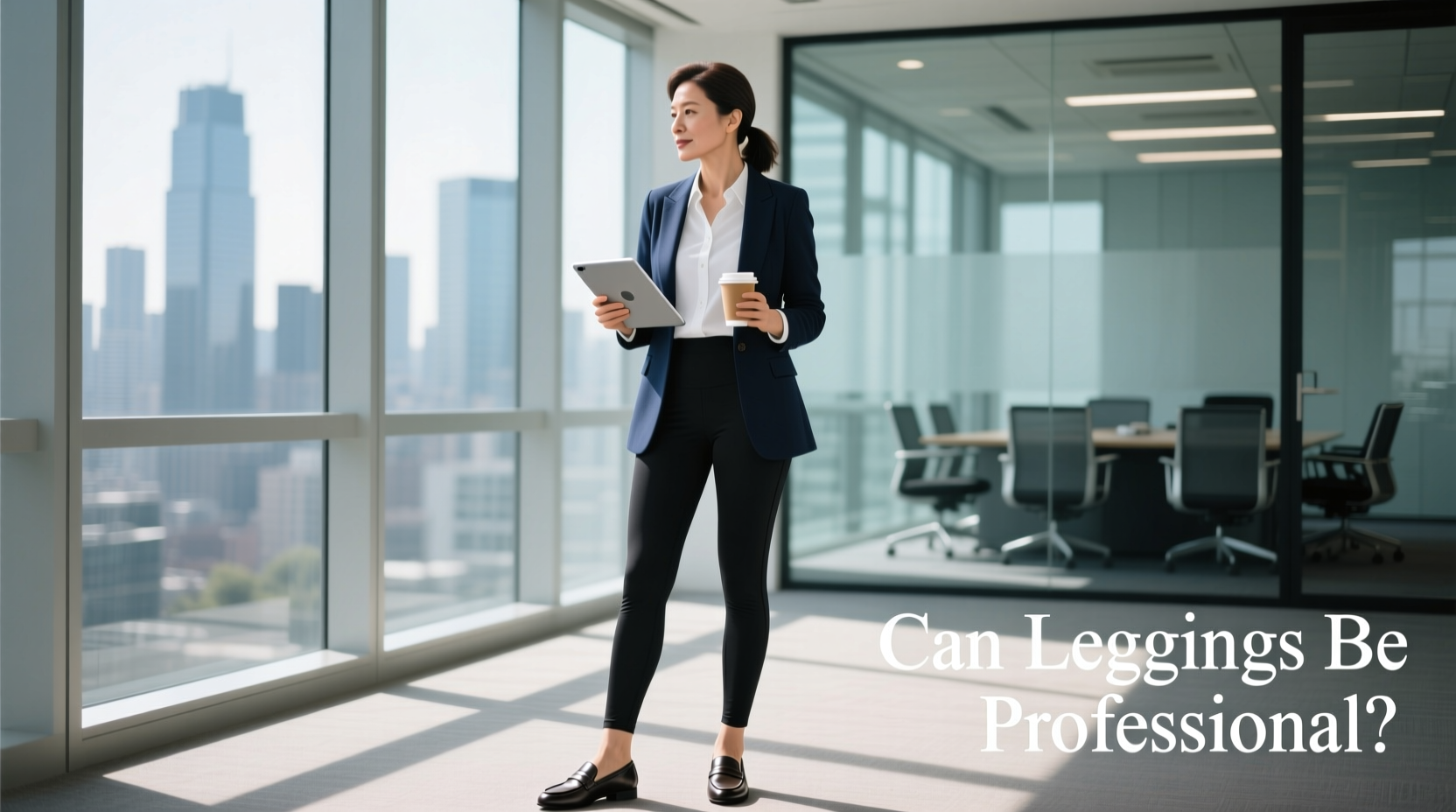
Athleisure—a blend of athletic wear and leisure clothing—has grown from a niche trend into a multi-billion-dollar global phenomenon. Brands like Lululemon, Athleta, and Nike have redefined performance fabrics, making them sleek, versatile, and socially acceptable beyond the gym. This evolution coincided with broader changes in work environments, especially after 2020, when remote work normalized loungewear as daily wear.
According to a 2023 McKinsey report on post-pandemic workplace trends, over 60% of employees in creative, tech, and service industries now operate under relaxed dress codes. In such settings, athleisure isn’t just tolerated—it’s often embraced as part of a wellness-oriented, productivity-focused culture. However, this acceptance varies widely by sector. A software developer in San Francisco may wear high-end leggings with a tunic and sneakers without raising eyebrows. A corporate lawyer in Manhattan likely cannot say the same.
The key distinction lies in perception. Clothing sends nonverbal signals. Classic workwear communicates formality, hierarchy, and tradition. Athleisure suggests approachability, innovation, and adaptability. When leggings enter the equation, the message depends heavily on execution.
When Leggings Cross the Line Into Professional Territory
Not all leggings are created equal. The difference between gym pants and professional-looking bottoms comes down to fabric, cut, color, and coordination.
High-quality performance leggings made from thick, opaque materials like nylon-spandex blends with moisture-wicking properties can mimic the drape and structure of tailored trousers. These are often labeled as “workout-to-workday” or “elevated essentials.” Paired correctly, they can project polish without sacrificing comfort.
In contrast, thin, shiny, or overly tight leggings—especially those with visible seams, logos, or mesh panels—are more likely to be perceived as casual or inappropriate for formal settings. The issue isn’t the garment itself but how it aligns with workplace expectations.
Tip: Choose leggings with a matte finish, at least 25–30 denier thickness, and no distracting patterns or branding if aiming for a professional appearance.Material Matters: What Makes Leggings Look Polished
Fabric is the foundation of any professional outfit. For leggings to pass as work-appropriate, they must meet specific criteria:
- Opacity: Must not become sheer when stretched or under bright lighting.
- Weight: Heavier fabrics (like ponte or compression knits) hold shape better and resemble tailored pants.
- Fit: Should sit snugly without sagging, rolling, or clinging excessively.
- Seams: Flatlock or hidden seams reduce bulk and enhance clean lines.
- Waistband: A wide, supportive waistband adds structure and prevents slippage.
Brands like Beyond Yoga, Sweaty Betty, and Varley specialize in premium leggings designed for both performance and aesthetic versatility. These pieces often feature minimalist designs, neutral tones, and finishes that transition seamlessly from desk to dinner.
Styling Strategies for Professional-Looking Leggings
Even the best leggings won’t appear professional without thoughtful styling. The goal is to balance comfort with cues of intentionality—signaling that your outfit was chosen deliberately, not out of convenience.
Top It Right
The upper half of your body sets the tone. Pair leggings with longer tops that provide coverage and proportion. Ideal options include:
- Tunics that extend past the hip
- Structured cardigans or blazers
- Button-down shirts tucked into a belt or layered under a vest
- Cropped sweaters worn over longline tanks
Avoid short tops or cropped styles that expose skin when seated or moving. Length and layering create visual balance and elevate the overall impression.
Add Structure with Outerwear
A tailored blazer or longline coat instantly upgrades any legging-based outfit. Opt for structured shoulders and clean lines in neutral colors—navy, charcoal, camel, or black. Even a lightweight trench or duster coat can add sophistication.
“Clothing doesn’t define professionalism, but coherence does. When every piece works together, the result commands respect—even if one item is technically ‘casual.’” — Dana Lee, Image Consultant & Author of *Style Intelligence*
Footwear That Anchors the Look
Shoes make or break an outfit. Sneakers can work in creative or startup environments, especially clean white leather pairs. For more formal interpretations, consider:
- Ankle boots with a slight heel
- Ballet flats in patent or suede
- Loafers with metallic accents
- Pointed-toe flats for added elegance
Avoid flip-flops, worn-out running shoes, or overly sporty footwear unless explicitly aligned with company culture.
Accessorize with Purpose
Jewelry, bags, and belts contribute to perceived effort. A silk scarf, minimalist pendant, or structured tote bag can shift the vibe from “I just came from spin class” to “I’m ready for a client meeting.”
Tip: Use accessories to introduce texture and contrast—e.g., a wool coat over matte leggings, or a leather crossbody with a cashmere sweater.Comparative Guide: Athleisure vs. Classic Workwear
| Aspect | Athleisure (e.g., Leggings + Tunic) | Classic Workwear (e.g., Wool Trousers + Blouse) |
|---|---|---|
| Comfort Level | High – stretchy, breathable, flexible | Moderate – structured, may restrict movement |
| Professional Perception | Varies by industry; higher in tech/creative fields | Universally accepted across formal sectors |
| Cost Efficiency | Often higher per piece, but multi-functional | Investment pieces with longer lifespan |
| Versatility | High – transitions from office to errands | Limited – often requires changing for casual settings |
| Durability | Depends on fabric; pilling and fading possible | Generally resilient with proper care |
| Wash & Care | Machine washable, quick drying | May require dry cleaning or special handling |
Real-World Example: Navigating a Hybrid Office Environment
Sophie, a marketing strategist at a mid-sized tech firm in Austin, works three days in-office and two remotely. Her team follows a “business casual plus” policy—no jeans, but flexibility on bottoms. She owns several pairs of premium black leggings from a brand known for office-friendly designs.
On in-office days, she pairs her leggings with a knee-length knit tunic, a structured navy blazer, pointed ankle boots, and a silk scarf. Her hair is styled, makeup subtle but intentional. Colleagues perceive her as put-together and efficient. During video calls, clients don’t question her professionalism.
However, when she once wore a thinner pair with a cropped top and sneakers to a cross-departmental meeting, a senior executive commented, “Are you heading to pilates after this?” The remark highlighted how small deviations in fabric or proportion can trigger assumptions—even in relatively relaxed workplaces.
Sophie adjusted: she reserved her most refined legging ensembles for client-facing moments and saved casual combinations for low-stakes internal days. Her experience underscores a crucial point: context dictates appropriateness more than any single garment.
Step-by-Step Guide: How to Wear Leggings Professionally
- Assess Your Workplace Culture – Observe colleagues and leadership. Are others wearing leggings? How are they styled?
- Select High-Quality Leggings – Choose opaque, dark-colored, minimal-design pairs from reputable brands.
- Pair with a Long Top or Tunic – Ensure coverage to at least mid-thigh or lower.
- Add a Structured Layer – Throw on a blazer, cardigan, or coat to introduce formality.
- Choose Appropriate Footwear – Avoid athletic shoes unless culturally accepted.
- Accessorize Thoughtfully – Include a watch, earrings, or a professional bag to signal intentionality.
- Check in a Mirror or Photo – Sit, stand, and move to ensure no transparency or discomfort.
- Evaluate Feedback – If questioned or given side-eye, reconsider the context rather than the garment alone.
Do’s and Don’ts of Professional Legging Wear
| Do’s | Don’ts |
|---|---|
| ✔ Wear with long tunics or dresses | ✘ Pair with crop tops or short sweaters |
| ✔ Choose solid, neutral colors (black, navy, gray) | ✘ Wear patterned or neon leggings |
| ✔ Combine with tailored outerwear | ✘ Layer with oversized hoodies or sweatshirts |
| ✔ Opt for matte, non-shiny finishes | ✘ Select leggings with visible logos or mesh inserts |
| ✔ Maintain excellent grooming and posture | ✘ Appear disheveled or rushed |
FAQ: Common Questions About Leggings in the Workplace
Can I wear leggings to a job interview?
Generally, no—unless applying to a fitness-related role or a highly informal startup. Interviews demand clear signals of respect and alignment with company norms. Stick to classic workwear unless you’re certain the culture embraces athleisure.
What if my company allows leggings but I feel uncomfortable?
Your comfort matters. If wearing leggings makes you self-conscious, stick to what makes you feel confident. Professionalism includes feeling secure in your appearance. You can still embrace comfort through soft blouses, stretch-waist trousers, or loafers.
Are there industries where leggings are never appropriate?
Yes. Legal, finance, government, healthcare (clinical roles), and traditional corporate sectors typically maintain strict dress codes. In these environments, leggings—even well-styled ones—are unlikely to be perceived as professional. Adaptation is key: know your audience.
Final Thoughts: Redefining Professionalism in a Changing World
The debate between athleisure and classic workwear isn’t just about clothes—it’s about shifting definitions of professionalism. As workplaces prioritize mental well-being, inclusivity, and practicality, rigid dress codes are giving way to nuanced standards based on impact, not just appearance.
Leggings can look professional—if chosen wisely, styled intentionally, and worn in the right context. They are not inherently unprofessional, nor are they universally acceptable. The power lies in understanding your environment and dressing to align with both its expectations and your personal values.
Ultimately, true professionalism stems from competence, communication, and consistency—not solely from what you wear. But when your clothing supports confidence and clarity, it becomes a tool, not a distraction.
💬 Have you worn leggings to work successfully—or faced pushback? Share your story in the comments and help others navigate the evolving landscape of professional style.