Lips are among the most sensitive areas of the skin, constantly exposed to environmental stressors like wind, sun, and temperature changes. Keeping them hydrated is essential—not just for comfort, but for long-term health. Lip balms have become a staple in daily grooming routines, but with the rise of tinted options, many wonder: are tinted lip balms actually better than their clear counterparts for everyday use?
The answer isn't black and white. It depends on your lifestyle, skin sensitivity, cosmetic preferences, and desired outcomes. While both types deliver hydration, tinted lip balms offer additional aesthetic benefits that may enhance convenience and confidence. However, they also come with trade-offs in formulation, potential allergens, and maintenance needs.
This article breaks down the functional and practical differences between tinted and regular lip balms, evaluates their pros and cons, and helps you determine which option aligns best with your daily routine.
Hydration First: What Both Types Share
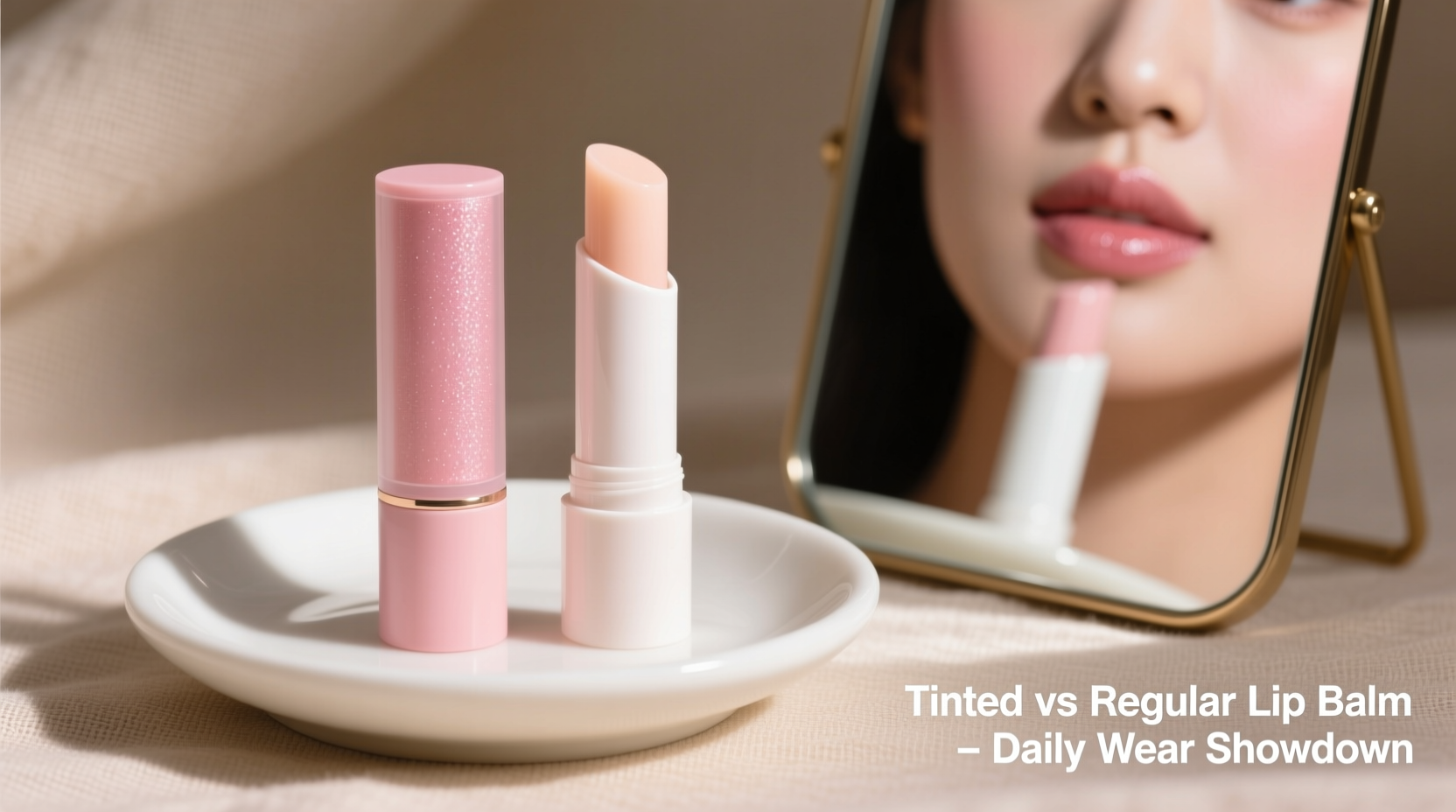
At their core, all lip balms—tinted or not—are designed to moisturize and protect. The lips lack oil glands, making them prone to dryness, chapping, and cracking. A quality balm forms a protective barrier using occlusive agents like beeswax, shea butter, or petrolatum to lock in moisture and shield against irritants.
Whether clear or tinted, effective formulations include ingredients such as:
- Hyaluronic acid – attracts and retains water in skin tissue
- Vitamin E – an antioxidant that supports healing and prevents oxidative damage
- Jojoba oil – mimics natural sebum and deeply conditions
- Ceramides – reinforce the skin’s lipid barrier
These components work regardless of color. So if your primary concern is hydration, both categories can perform equally well—provided they contain nourishing base ingredients.
Tip: Check the ingredient list before buying—avoid products where fragrance or alcohol appear in the top three ingredients, as these can be drying.Tinted vs. Regular: Key Differences
The real divergence lies in function beyond hydration. Tinted lip balms blend skincare with light makeup, offering a hint of color while conditioning. Regular balms focus solely on moisture and protection. Understanding this distinction helps clarify when each type shines.
Color and Coverage
Tinted balms typically contain pigments derived from minerals (like iron oxides) or synthetic dyes. These provide sheer to medium coverage, enhancing natural lip tone without the opacity of lipstick. They're ideal for those who want a \"my-lips-but-better\" look with minimal effort.
In contrast, regular balms are transparent. They don’t alter appearance, making them suitable for nighttime use, medical settings, or individuals avoiding cosmetics altogether.
Texture and Wear Time
Tinted formulas often feel slightly heavier due to added pigments and film-forming agents that help the color adhere. Some users report a tackier finish compared to lightweight, waxy regular balms. However, newer hybrid products blur this line, offering silky textures even with pigment.
Wear time varies. Tinted versions may transfer more easily onto cups or masks, especially if formulated with oils. Regular balms tend to stay put longer since they lack pigment particles that rub off.
Sensitivity and Ingredient Load
More ingredients mean more potential irritants. Fragrance, preservatives, and dyes in tinted balms can trigger reactions in sensitive individuals. Dermatologists caution that “even naturally derived pigments can cause contact dermatitis.”
“Patients with chronic cheilitis or eczema around the mouth should stick to fragrance-free, dye-free formulations unless under supervision.” — Dr. Lena Patel, Board-Certified Dermatologist
If you have a history of allergic reactions, patch-test tinted products carefully—or opt for minimalist, hypoallergenic regular balms.
When Tinted Balms Excel
Tinted lip balms aren’t inherently superior, but they offer distinct advantages in specific scenarios. For many people, the convenience of combining care and color makes them a smarter choice for daytime wear.
Daily Routine Efficiency
For busy mornings or no-makeup days, a tinted balm streamlines your routine. One swipe delivers hydration and a polished appearance. This dual benefit appeals to professionals, parents, and travelers seeking low-effort grooming.
Confidence Boost Without Full Makeup
A subtle wash of color can brighten your complexion, making you look more awake and put-together. Unlike bold lipstick, tinted balms enhance rather than mask natural features—ideal for casual settings, video calls, or running errands.
Gradual Tint Build-Up
Some tinted balms use color-reactive technology (e.g., pH-sensitive dyes) that adapt to your lip chemistry. Over time, they deepen in shade, creating a personalized hue. This dynamic effect adds novelty and customization unmatched by static regular balms.
UV Protection with Aesthetic Appeal
Many tinted formulas now include SPF 15–30, protecting lips from sun damage while adding color. Since UV exposure contributes to premature aging and increases risk of actinic cheilitis, wearing SPF-infused tinted balm during daylight hours offers both cosmetic and medical value.
Tip: Look for broad-spectrum SPF in tinted balms—especially if spending extended time outdoors. Reapply every two hours for full protection.Where Regular Balms Still Win
Despite the appeal of multitasking, traditional lip balms remain indispensable in certain contexts. Their simplicity gives them unique strengths.
Nighttime Repair
Overnight, lips benefit from intensive treatment without needing aesthetics. Thick, emollient-rich regular balms (like those containing lanolin or squalane) penetrate deeply without interference from pigments or silicones. Using a non-tinted balm at night ensures maximum absorption and healing.
Post-Treatment Care
After procedures like laser treatments, chemical peels, or cold sore outbreaks, dermatologists recommend plain, medicinal-grade balms. Avoiding dyes and fragrances reduces inflammation risk and supports recovery.
Purity and Minimalism
Clean beauty advocates often prefer regular balms for their shorter ingredient lists. Fewer additives mean less chance of irritation and greater transparency—important for those prioritizing non-toxic personal care.
Kids and Sensitive Users
Children and individuals with compromised immune systems or allergies may react poorly to synthetic colors. Pediatricians frequently advise unscented, colorless balms for young users to minimize exposure risks.
Comparison Table: Tinted vs. Regular Lip Balms
| Feature | Tinted Lip Balm | Regular Lip Balm |
|---|---|---|
| Primary Purpose | Hydration + Light Color | Hydration Only |
| SPF Availability | Common | Varies |
| Allergen Risk | Higher (due to dyes/fragrance) | Lower |
| Best For | Daytime, on-the-go wear | Night repair, sensitive skin |
| Transfer Potential | Moderate to High | Low |
| Ingredient Complexity | Higher | Lower |
Mini Case Study: Sarah’s Switch to Tinted Balm
Sarah, a 32-year-old project manager, used regular lip balm religiously but always carried lipstick for meetings. She found reapplying lipstick inconvenient and often skipped it, feeling underdressed. After trying a rose-tinted balm with SPF 15, she noticed her lips looked healthier and she felt more confident without extra steps.
“I don’t have to think about it anymore,” she said. “It’s there when I wake up, after coffee, before Zoom calls. I still use my heavy-duty ointment at night, but during the day, the tinted version does everything.”
Her experience reflects a growing trend: consumers choosing products that reduce decision fatigue while maintaining wellness standards.
Checklist: Choosing the Right Balm for You
Use this checklist to decide whether a tinted or regular lip balm suits your needs:
- ✅ Do you want a polished look without applying lipstick? → Consider tinted.
- ✅ Are you frequently outdoors in sunlight? → Choose tinted with SPF.
- ✅ Do you have sensitive skin or a history of lip allergies? → Start with fragrance-free, dye-free regular balm.
- ✅ Do you prioritize ingredient simplicity? → Regular balm may be safer.
- ✅ Do you want one product for day and night? → Use tinted during the day, switch to rich regular balm at night.
- ✅ Are you willing to reapply after eating/drinking? → Tinted balms need more frequent touch-ups.
Frequently Asked Questions
Can I use tinted lip balm every day?
Yes, as long as it doesn’t irritate your skin. Daily use is safe for most people, especially if the formula includes moisturizing ingredients and SPF. However, monitor for signs of irritation like itching, redness, or flaking—and discontinue if they occur.
Do tinted lip balms dry out lips over time?
Not inherently. Drying effects usually stem from specific ingredients like alcohol, menthol, or camphor, not the pigment itself. Always read labels and avoid known irritants. If your lips feel drier after switching, examine the full ingredient profile.
Should I layer tinted and regular balms?
Layering can work well: apply a clear hydrating balm first as a base, then add tinted balm on top for color and protection. This method boosts moisture retention and extends wear time, especially in dry climates.
Final Verdict: Better for Whom?
\"Better\" depends on your goals. For pure hydration and safety, regular lip balms win—especially for sensitive users or overnight care. But for everyday wear where efficiency, appearance, and sun protection matter, tinted lip balms offer compelling advantages.
The smartest approach? Use both. Reserve your trusted regular balm for nighttime repair and emergencies (like chapped lips), and keep a tinted version in your bag or pocket for daytime enhancement. This dual-strategy maximizes benefits while minimizing risks.
As cosmetic chemist Marcus Lee explains: “The modern lip category has evolved into functional hybrids. We’re seeing skincare-grade ingredients meet wearable color. That convergence is where true innovation happens.”
Take Action Today
Reevaluate your current lip care routine. Is it serving both your health and lifestyle needs? Try incorporating a tinted balm with SPF into your morning regimen for one week. Track how your lips feel, how often you reapply, and whether you notice a difference in confidence or convenience.
At night, double down on recovery with a thick, uncolored ointment. Observe improvements in texture and resilience over time.
💬 What’s your go-to lip product? Share your favorite tinted or regular balm and help others discover effective, reliable options!