
In an age where wearable technology has evolved from clunky fitness trackers to sleek, AI-powered watches, a new contender has quietly entered the scene: the smart ring. Unlike their more established cousins — smartwatches and fitness bands — smart rings are minimalist, unobtrusive, and often marketed as the “invisible” way to stay connected and monitor health. But beneath the futuristic allure lies a critical question: Are smart rings actually worth buying, or are they just another overhyped tech gimmick?
The answer isn’t straightforward. While early adopters praise their convenience and subtle design, skeptics point to limited functionality, high price tags, and questionable long-term value. To cut through the noise, we’ll examine the current state of smart ring technology, compare top models, explore real-world use cases, and help you decide whether this wearable deserves a place on your finger.
What Exactly Is a Smart Ring?
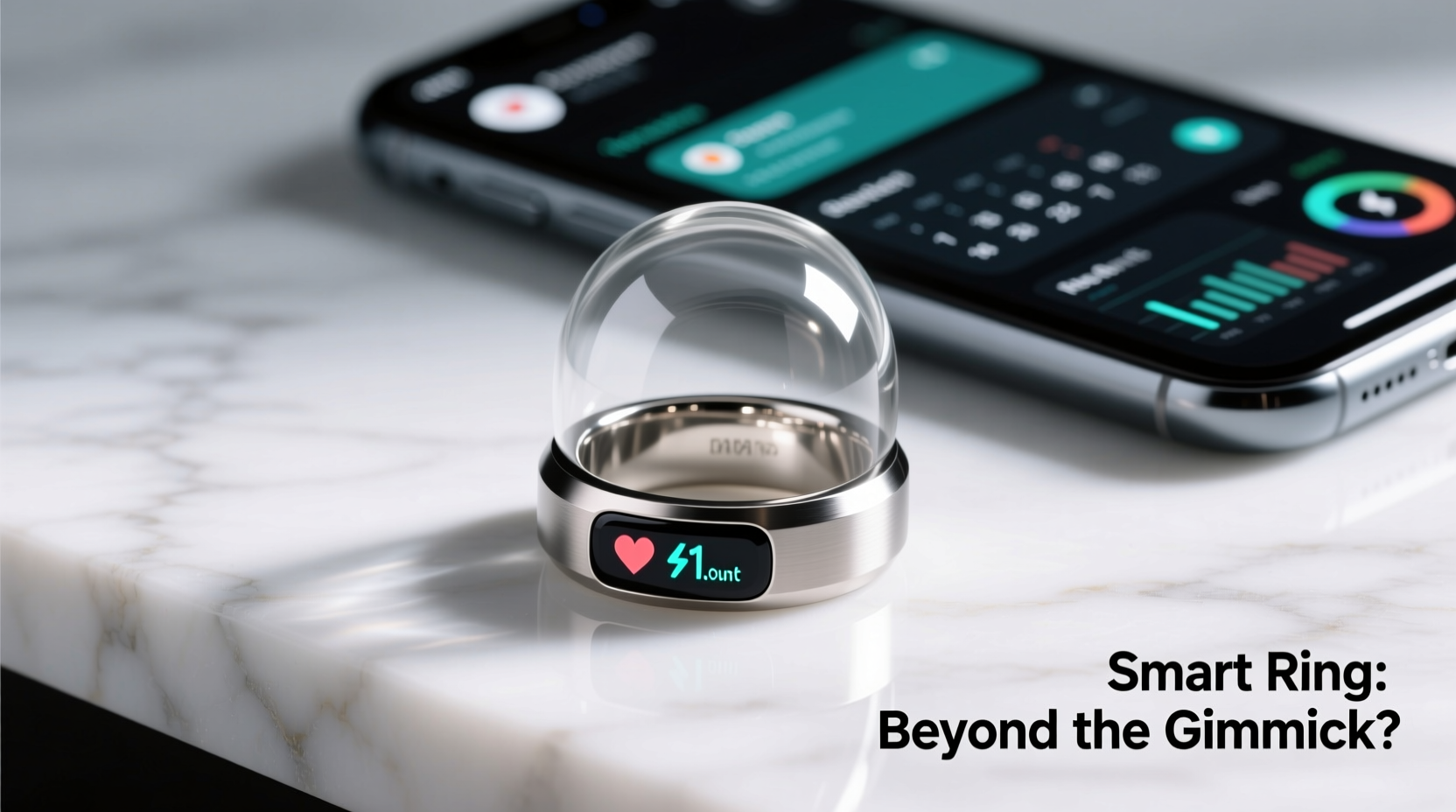
A smart ring is a wearable device designed to fit on your finger like traditional jewelry but equipped with sensors and connectivity features. Most modern smart rings track biometrics such as heart rate, sleep quality, body temperature, and activity levels. Some also offer contactless payments, gesture controls, smartphone notifications, and even security authentication.
Unlike smartwatches, which rely on screens and constant interaction, smart rings operate in the background. They collect data continuously and sync with companion apps via Bluetooth. Their discreet form factor makes them ideal for users who dislike wearing bulky devices but still want access to health insights.
Popular models include the Oura Ring, Ultrahuman Ring Air, Circular Ring, and Samsung’s upcoming Galaxy Ring. Each varies in features, accuracy, and price — ranging from $299 to nearly $500.
Tip: If you're sensitive to metals, check the ring's material (e.g., titanium, ceramic) before purchasing to avoid skin irritation.Smart Rings vs. Other Wearables: A Feature Comparison
To understand whether smart rings deliver meaningful advantages, it helps to compare them directly against other mainstream wearables. The table below outlines key differences across categories.
| Feature | Smart Ring | Fitness Tracker | Smartwatch |
|---|---|---|---|
| Battery Life | 5–7 days | 5–10 days | 1–3 days |
| Sleep Tracking Accuracy | High (proximity to core body) | Moderate | Good |
| Heart Rate Monitoring | Continuous, accurate at rest | Intermittent | Continuous |
| Notifications | Limited (vibrations only) | Vibration + basic display | Full screen alerts |
| Design & Discretion | Very discreet, jewelry-like | Visible wristband | Prominent on wrist |
| Price Range | $299–$499 | $50–$200 | $200–$800+ |
| Contactless Payments | Select models (NFC) | Rare | Common |
As shown, smart rings excel in discretion and passive health monitoring, particularly during sleep. However, they fall short in interactivity and versatility compared to smartwatches. For users prioritizing aesthetics and minimalism over functionality, smart rings may offer a compelling alternative.
Real Benefits: Who Actually Gains From a Smart Ring?
Not every wearable suits every user. The true value of a smart ring depends heavily on lifestyle, goals, and expectations. Below are three distinct user profiles that benefit most from these devices.
1. Sleep Optimization Enthusiasts
One of the strongest arguments for smart rings is superior sleep tracking. Because fingers have better blood flow than wrists and remain relatively still during sleep, rings can capture more consistent physiological data. The Oura Ring, for example, uses infrared sensors to measure heart rate variability (HRV), respiratory rate, and body temperature trends throughout the night.
This level of detail allows users to identify patterns affecting sleep quality — such as alcohol consumption, stress, or inconsistent bedtimes — and adjust accordingly.
“Sleep is the foundation of performance, and our members using smart rings report up to 20% improvement in deep sleep within six weeks.” — Dr. Lena Torres, Sleep Scientist at NeuroWellness Labs
2. Athletes and Recovery-Focused Individuals
Professional athletes and fitness enthusiasts often rely on recovery metrics to optimize training. Smart rings provide daily readiness scores based on HRV, resting heart rate, and sleep efficiency. These insights help prevent overtraining and reduce injury risk.
For example, if a user’s HRV drops significantly overnight, the app might suggest taking a rest day. This proactive feedback loop supports sustainable progress without burnout.
3. Tech Minimalists and Fashion-Conscious Users
Many people dislike the look of smartwatches or find wristbands uncomfortable. Smart rings blend into daily life seamlessly. They don’t interfere with typing, handshakes, or formal attire. Some models even resemble luxury jewelry, making them socially acceptable in professional or elegant settings.
If your priority is staying connected without looking “techy,” a smart ring could be the perfect compromise.
Limitations and Why Critics Call It a Gimmick
Despite their promise, smart rings face valid criticisms. Understanding these drawbacks is essential before investing.
- Limited functionality: Most smart rings cannot display messages, make calls, or run apps. You’re essentially paying a premium for passive tracking with minimal interaction.
- High cost: At $300+, many models cost more than mid-tier smartwatches while offering fewer features.
- No standardized regulation: Unlike medical devices, smart rings aren’t FDA-approved. Data accuracy can vary, especially under motion or extreme temperatures.
- Charging inconvenience: Small size means small batteries. Removing the ring daily or every few days to charge disrupts continuous tracking.
- Data overload without actionability: Some users become overwhelmed by metrics without clear guidance on what to do next.
Moreover, some features marketed as innovative — like gesture control or NFC payments — remain underdeveloped. Tapping your ring to unlock doors sounds futuristic, but widespread compatibility is still years away.
Tip: Pair your smart ring with a journal or habit tracker to turn biometric data into actionable lifestyle changes.Mini Case Study: How a Remote Worker Improved Her Health With a Smart Ring
Sophie, a 34-year-old freelance designer based in Portland, struggled with chronic fatigue and poor sleep despite maintaining a healthy diet and exercise routine. She wore a fitness band for two years but found its data vague and often inaccurate during sleep.
After reading about HRV and recovery tracking, she invested in an Oura Ring Gen3. Within the first week, the app flagged consistently low HRV and elevated nighttime temperature — signs of stress and inflammation. Sophie reviewed her habits and discovered that drinking coffee after 2 PM and working late into the evening were disrupting her autonomic nervous system.
She adjusted her schedule, implemented a digital curfew, and began practicing breathwork before bed. Over eight weeks, her readiness score improved from an average of 67 to 82, and she reported feeling more energized during the day.
“It wasn’t magic,” Sophie said. “But having objective data helped me stop guessing and start fixing.”
Her experience highlights a key truth: smart rings aren’t magic bullets, but when used thoughtfully, they can empower meaningful behavioral change.
Step-by-Step Guide: Evaluating Whether a Smart Ring Is Right for You
Before spending hundreds on a smart ring, follow this practical evaluation process:
- Define your primary goal: Are you focused on sleep, fitness recovery, general wellness, or convenience features like payments?
- Assess your current wearable: Does your existing device already meet your needs? Upgrading only makes sense if there’s a significant gap.
- Check compatibility: Ensure the ring works with your smartphone OS (iOS/Android) and any third-party apps you use (e.g., Apple Health, Strava).
- Review battery and charging habits: Can you commit to charging every few days? Do you mind removing it at night?
- Try before you buy (if possible): Some companies offer rental programs or return windows. Take advantage of them.
- Read independent reviews: Look beyond marketing claims. Check Reddit threads, YouTube comparisons, and clinical validation studies.
- Calculate long-term value: Consider subscription costs (some require monthly fees for full analytics) and expected lifespan (typically 2–3 years).
Checklist: Questions to Ask Before Buying a Smart Ring
- ✅ Does it track my top health priority (e.g., sleep, HRV, temperature)?
- ✅ Is the battery life sufficient for my lifestyle?
- ✅ Does it integrate with my phone and health apps?
- ✅ Is there a subscription fee for advanced insights?
- ✅ Can I return it if it doesn’t suit me?
- ✅ Am I likely to wear it consistently (both hands, all day/night)?
- ✅ Does the design match my personal style and comfort preferences?
FAQ: Common Questions About Smart Rings
Can a smart ring replace my smartwatch?
Generally, no. Smart rings lack screens, voice assistants, app ecosystems, and robust notification systems. They complement rather than replace smartwatches. However, if you only care about health tracking and minimal alerts, a ring might suffice.
Are smart rings accurate enough for health monitoring?
They are reasonably accurate for trend tracking — especially sleep and resting physiology — but not diagnostic-grade. Clinical studies show strong correlation with medical equipment for HRV and respiration during rest, but accuracy drops during intense movement. Use them for insight, not diagnosis.
Do smart rings pose privacy risks?
Like all connected devices, they collect sensitive biometric data. Choose brands with transparent privacy policies, end-to-end encryption, and local data storage options. Avoid sharing raw health data on social platforms.
Conclusion: Worth It for the Right User — Not a Gimmick, But Not for Everyone
Calling smart rings a “gimmick” oversimplifies a nuanced reality. For certain users — those deeply invested in sleep science, recovery optimization, or minimalist tech integration — these devices offer tangible, data-driven benefits that improve daily well-being. The continuous, passive monitoring enabled by finger-based sensors fills a unique niche that wrist-worn devices can’t fully replicate.
However, for casual users or those seeking convenience features like messaging or GPS, smart rings currently fall short. Their high price, limited functionality, and charging demands make them a hard sell unless your needs align precisely with their strengths.
The future of smart rings looks promising. As sensor technology improves and integration with healthcare systems expands, we may see broader adoption and greater clinical utility. For now, they remain a specialized tool — valuable, but not universal.
🚀 Ready to take control of your health with precision data? Evaluate your goals, try a rental model, and see if a smart ring fits your rhythm. Share your thoughts or experiences in the comments — your insight could help someone make their decision.