In recent years, the puffer jacket has reigned supreme as the go-to winter staple—bulky, warm, and undeniably practical. From high-street brands to luxury labels, the puffer became a symbol of functional fashion, embraced by commuters, city dwellers, and outdoor enthusiasts alike. But as 2024 unfolds, a quiet shift is taking place on sidewalks and runways: the trench coat is making a strong comeback. Sleek, timeless, and versatile, it’s increasingly seen as the preferred outerwear choice for many. So, are puffer jackets truly losing ground to trench coats this year?
The answer isn’t a simple yes or no. Instead, it lies in understanding evolving consumer preferences, seasonal demands, sustainability concerns, and the cyclical nature of fashion. This article explores the dynamics behind the potential decline of puffers, the resurgence of trenches, and what it means for your wardrobe decisions this season.
Fashion Trends: The Pendulum Swings Back to Classic Silhouettes
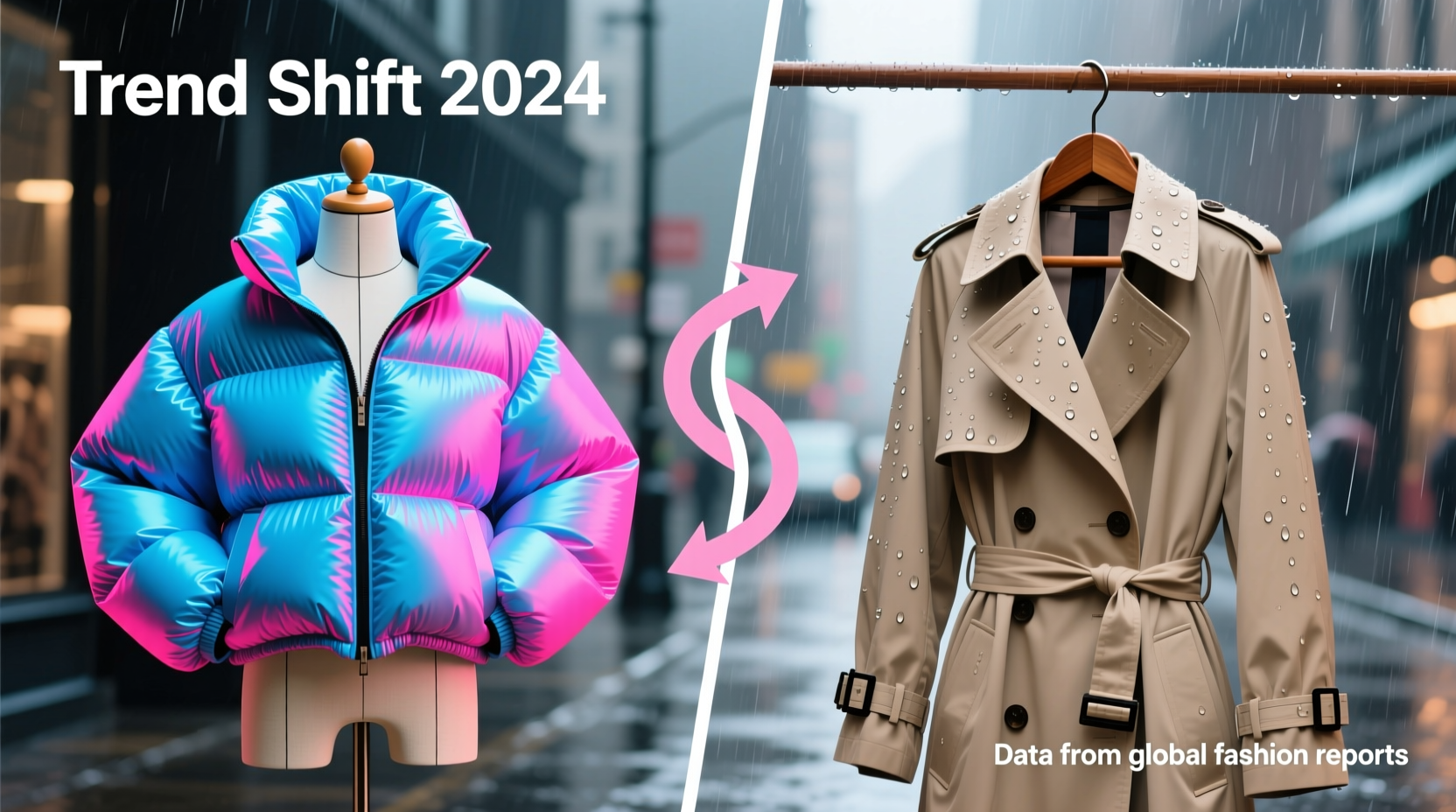
Fashion operates in cycles, and after nearly a decade of dominance by oversized, technical outerwear—including puffer jackets—the industry appears to be pivoting toward more tailored, minimalist styles. The trench coat, originally designed for military use in the early 20th century, has long been associated with elegance and sophistication. Its return aligns with a broader movement toward “quiet luxury” and investment dressing—a trend favoring understated quality over loud logos and exaggerated volumes.
Designers at major fashion houses have signaled this shift. At London Fashion Week 2024, Burberry—synonymous with the trench—debuted a collection that emphasized structured wool-cotton blends, belted waists, and neutral palettes. Meanwhile, Bottega Veneta and Totême showcased elongated trench variations in rich camel and charcoal tones, often layered over minimalist ensembles. These presentations reflect a desire for versatility and timelessness, qualities that contrast sharply with the seasonal, trend-driven appeal of puffers.
On social media, influencers are also adjusting their styling. While puffer jackets were once staples in street-style photography, they now appear less frequently in curated city looks. Instead, the trench coat dominates in transitional weather shots—paired with tailored trousers, knitwear, or even summer dresses for a polished contrast.
“Consumers are tired of looking like they’re dressed for an Arctic expedition in downtown Manhattan. The trench offers protection from the elements without sacrificing silhouette.” — Lena Moretti, Senior Fashion Editor at *StyleScope Weekly*
Climate and Practicality: Why Weather Still Matters
Despite the aesthetic appeal of trench coats, practicality remains a key factor in outerwear selection. Puffer jackets excel in cold, wet, or windy conditions due to their insulated construction and water-resistant shells. In regions experiencing harsh winters—such as northern Europe, Canada, or the northeastern United States—puffers continue to dominate sales and everyday wear.
However, milder winters linked to climate change are altering consumer needs. Many cities report shorter cold seasons and fewer extreme temperature drops, reducing the necessity for heavy insulation. As a result, consumers are opting for mid-weight layers that offer both warmth and breathability. The trench coat, traditionally made from gabardine or modern weatherproof fabrics, fits this niche perfectly during fall, early winter, and spring months.
A 2024 retail analysis by Global Apparel Insights found that trench coat sales rose by 27% year-over-year in temperate zones, while puffer jacket growth slowed to just 4%. Notably, hybrid styles—like lightweight puffers with trench-like silhouettes or trench coats with quilted linings—are gaining traction, suggesting a blending of functionality and form.
Tip: If you live in a region with variable weather, consider layering a slim puffer vest under a trench coat for balanced warmth and style.Consumer Behavior and Sustainability Concerns
Another driving force behind the trench’s resurgence is the growing emphasis on sustainable fashion. Consumers are increasingly prioritizing longevity over fast trends. A well-made trench coat can last decades with proper care, whereas many puffer jackets—especially budget versions—show signs of wear within a few seasons due to down clumping, fabric degradation, or zipper failure.
Additionally, ethical concerns around down sourcing have led some buyers to avoid traditional puffers altogether. While many brands now use certified recycled or synthetic insulation (like PrimaLoft), the perception lingers that puffers are less eco-conscious. In contrast, trench coats made from organic cotton, recycled wool, or plant-based textiles are marketed as sustainable alternatives.
Brands are responding accordingly. Reformation, for example, launched a biodegradable trench line using TENCEL™ and natural dyes, positioning it as a “climate-smart” alternative to synthetic-filled jackets. Similarly, Arket and COS emphasize modular design, allowing users to replace buttons or linings rather than discarding the entire garment.
Market Comparison: Puffers vs. Trenches in 2024
To better understand the current landscape, here’s a comparative overview of key attributes across both outerwear types:
| Feature | Puffer Jacket | Trench Coat |
|---|---|---|
| Warmth Level | High – ideal for sub-zero temperatures | Moderate – best for cool to mild climates |
| Style Longevity | Medium – subject to seasonal trends | High – classic design transcends trends |
| Sustainability | Varies – depends on materials and brand ethics | Generally higher – durable materials, repairable |
| Versatility | Low to medium – primarily casual or sporty | High – works with formal and casual outfits |
| Packability | High – compressible for travel | Low – maintains structure, not easily folded |
| Price Range (Avg.) | $80–$300 (luxury up to $1,500) | $150–$500 (heritage models up to $2,000) |
This table highlights why the trench coat appeals to those seeking long-term value and sartorial flexibility, while puffers remain unrivaled in extreme conditions and portability.
Real-World Example: How One City Embraced the Shift
Consider the case of Portland, Oregon—a city known for its rainy, temperate climate and progressive fashion culture. In 2022, local boutiques reported that puffer jackets accounted for 60% of outerwear sales during fall and winter. By early 2024, that number had dropped to 38%, with trench coats and wool car coats filling the gap.
At *Evergreen Threads*, a boutique in the Alberta Arts District, owner Maya Tran observed the change firsthand. “We used to stock ten puffers for every trench,” she said. “Now, customers ask specifically for double-breasted trenches with storm flaps. They want something that looks good on Zoom calls and can walk them through drizzle without overheating.”
Tran also noted that younger shoppers, particularly those aged 25–35, are investing in higher-priced trenches as part of a ‘capsule wardrobe’ strategy. “They’re thinking long-term. A $400 trench feels expensive upfront, but they calculate it as $20 per wear over five years. That mindset favors the trench.”
Actionable Guide: Choosing the Right Outerwear for Your Lifestyle
Deciding between a puffer jacket and a trench coat shouldn’t be based solely on trends. Consider your daily routine, climate, and personal style. Follow this step-by-step guide to make an informed decision:
- Assess your local climate: Track average temperatures and precipitation over the past three winters. If you experience prolonged freezing conditions, prioritize insulation.
- Evaluate your commute: Do you walk, bike, or drive? Trench coats offer less wind resistance but maintain appearance; puffers provide comfort during active transit.
- Consider your wardrobe: Do you wear suits, dresses, or casual jeans? Trenches pair well with structured clothing, while puffers suit athleisure and weekend wear.
- Set a durability budget: Decide how much you’re willing to spend per expected year of use. High-quality trenches may cost more upfront but last longer.
- Test layering options: Try combining a thin thermal base, sweater, and trench for moderate days. Reserve the puffer for deep cold.
Checklist: What to Look for When Buying a Trench or Puffer
- ✅ Water-resistant or waterproof fabric (especially important for trenches in rainy areas)
- ✅ Functional details: storm flaps, adjustable hoods, sealed seams
- ✅ Breathable lining to prevent overheating
- ✅ Ethical certifications (e.g., Responsible Down Standard, Global Recycled Standard)
- ✅ Tailored fit—avoid overly boxy cuts unless intended for layering
- ✅ Repairability: check if zippers, buttons, or linings can be replaced
Frequently Asked Questions
Can I wear a trench coat in the snow?
Traditional trench coats are not designed for snowy conditions. Most are water-resistant rather than fully waterproof and lack insulation. In light snow or slush, a trench with a thermal layer underneath may suffice, but for heavy snowfall, a puffer or parka is safer and warmer.
Are puffer jackets out of style in 2024?
No, puffer jackets are not out of style—they’ve evolved. Oversized, logo-heavy designs are less common, but sleek, minimalist puffers in neutral colors remain popular. Brands like Uniqlo, Moncler, and Arc'teryx continue to innovate with lightweight, packable options that blend performance and aesthetics.
How do I care for a trench coat to make it last?
Clean according to the manufacturer’s instructions—many trench coats require professional dry cleaning. Store on a wide wooden hanger to preserve shape, and avoid plastic covers that trap moisture. Reapply water-repellent treatment annually if exposed to frequent rain.
Conclusion: It’s Not About Replacement—It’s About Balance
The narrative that puffer jackets are being “replaced” by trench coats oversimplifies a more nuanced reality. Rather than a full-scale takeover, we’re witnessing a rebalancing of outerwear priorities. Consumers are becoming more intentional—choosing pieces that serve multiple purposes, reflect personal values, and adapt to changing climates.
The trench coat’s resurgence reflects a desire for elegance, durability, and environmental responsibility. Yet, the puffer jacket remains indispensable where warmth and protection are non-negotiable. The smartest approach isn’t to abandon one for the other, but to build a layered outerwear strategy that includes both.
Whether you’re navigating a rainy autumn in London or braving a blizzard in Chicago, your coat should match your environment—not just the latest trend. Invest in quality, understand your needs, and let function guide form.
🚀 Ready to refresh your outerwear? Audit your current collection, identify gaps, and choose one new piece—trench or puffer—that aligns with your lifestyle. Share your upgrade journey in the comments!