As temperatures rise and wardrobes shift toward lighter fabrics and open-toed styles, platform sandals dominate storefronts and social media feeds alike. With their bold soles, elevated height, and fashion-forward silhouettes, they’ve become a summer staple. But behind the aesthetic appeal lies a pressing question: are platform sandals actually comfortable, or are they merely a fleeting trend that sacrifices foot health for style?
The answer isn’t binary. Platform sandals can be both stylish and supportive—but only when designed with intention. Understanding the mechanics of comfort, materials used, and how different designs affect posture and gait is essential to making a smart footwear choice. This article dives deep into the reality of platform sandals, separating marketing hype from genuine wearability.
The Anatomy of Comfort in Footwear
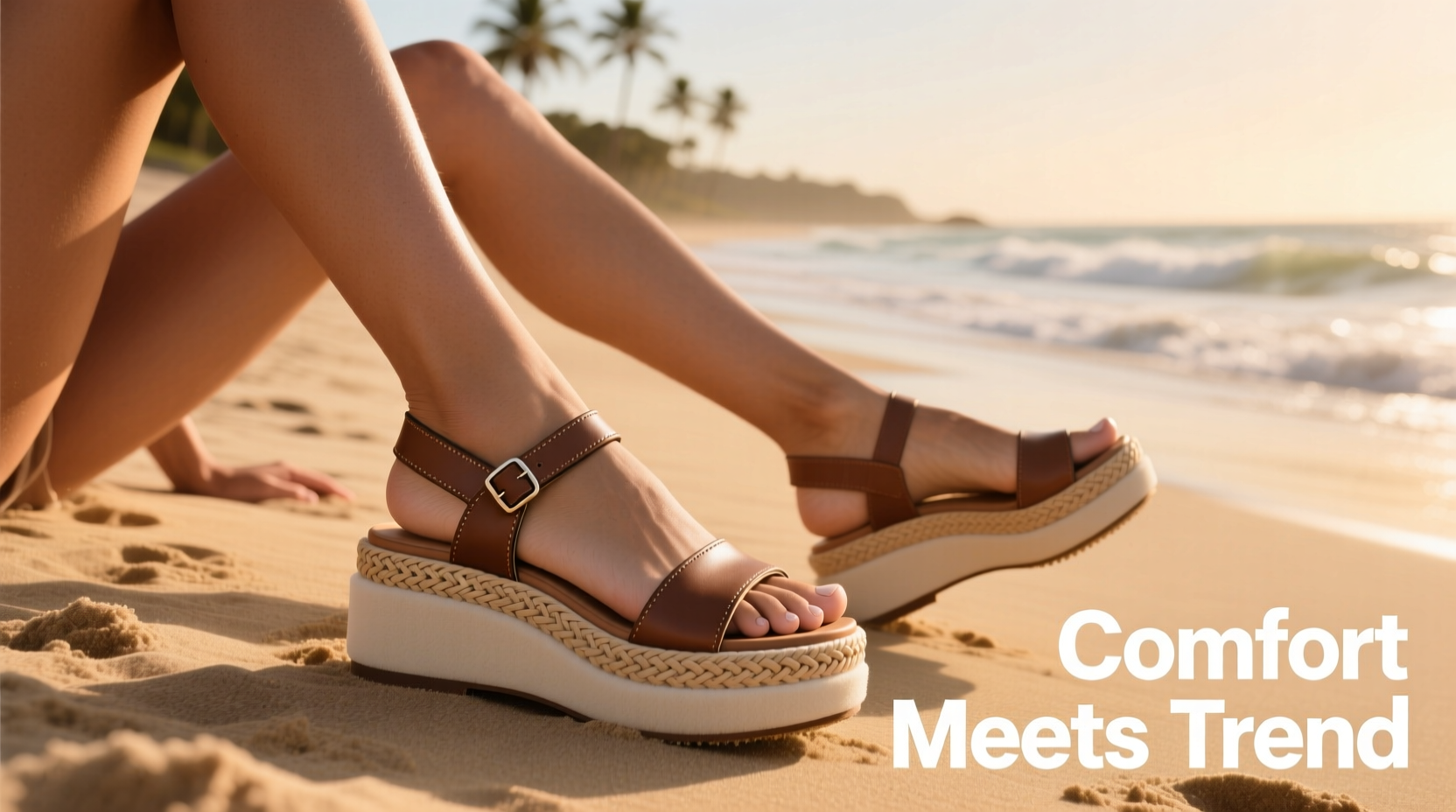
Comfort in any shoe—especially elevated ones—depends on more than just cushioning. It’s a combination of arch support, heel stability, weight distribution, flexibility, and fit. A well-designed platform sandal accounts for all these factors.
Unlike traditional flip-flops or flat slides, platform sandals elevate the entire foot uniformly, minimizing the strain often caused by high heels where the ball of the foot bears most of the body’s weight. The even lift of a true platform (as opposed to a wedge or stiletto) can actually promote better posture and reduce lower back pressure when properly constructed.
However, not all platforms are created equal. Many fast-fashion versions prioritize aesthetics over ergonomics, using rigid soles, thin straps, and minimal padding. These may look great in photos but fail under real-world conditions like walking on pavement, standing in line, or navigating uneven terrain.
Tip: Look for platform sandals with a contoured footbed and at least 1/4 inch of cushioning under the heel and ball of the foot.Design vs. Durability: What Makes a Platform Wearable All Day?
To determine whether a platform sandal is built for comfort, examine its construction closely. Key elements include:
- Sole Material: Rubber or EVA (ethylene-vinyl acetate) soles offer flexibility and shock absorption. Hard plastic or wood platforms may look chic but lack bounce and can increase fatigue.
- Arch Support: Flat footbeds lead to plantar fasciitis and flat feet over time. Opt for models with molded arches or removable insoles compatible with orthotics.
- Strap Placement: Adjustable straps across the instep and around the ankle prevent slippage and distribute pressure evenly. Avoid single-thong designs that pinch between toes.
- Heel Counter: Even in open-back styles, a reinforced heel cup adds stability and prevents excessive foot movement.
- Weight: Heavy platforms may provide durability but can cause leg strain. Lightweight composites balance structure and ease of motion.
Brands like Birkenstock, Teva, and Naot have long prioritized biomechanical integrity in their platform designs. Their products often feature cork-latex footbeds that mold to the wearer’s foot over time, enhancing comfort with continued use.
“Footwear should enhance your day, not hinder it. A good platform lifts your look without lifting your pain threshold.” — Dr. Lena Torres, Podiatrist & Footwear Consultant
When Style Wins Over Substance: The Trend Trap
It’s undeniable that some platform sandals are worn primarily for visual impact. Runway-inspired designs from labels like Prada, Balenciaga, and Versace feature exaggerated heights (up to 5 inches), angular shapes, and unconventional materials. While undeniably striking, these shoes often come with warnings: “Not recommended for extended walking” or “Handle with care.”
A 2023 consumer survey by Footwear Insight Group found that 68% of women who purchased ultra-trendy platform sandals wore them fewer than three times due to discomfort. Common complaints included blisters from stiff straps, instability on slopes, and calf fatigue after 30 minutes of wear.
This raises an important distinction: there’s a difference between fashion platforms—meant for short-term wear—and lifestyle platforms—engineered for daily use. Recognizing which category a pair falls into helps set realistic expectations.
| Feature | Trend-Focused Platforms | Comfort-Focused Platforms |
|---|---|---|
| Height | 4+ inches, often exaggerated | 1.5–3 inches, proportionate |
| Materials | PVC, patent leather, synthetic fibers | Natural cork, memory foam, soft leather |
| Support | Minimal arch contour, flat insole | Molded arch, heel cup, cushioned midsole |
| Intended Use | Evening events, photo shoots | Daily walks, travel, outdoor festivals |
| Lifespan | 1–2 seasons with limited wear | 2+ years with proper care |
Real-World Test: Can You Walk a Mile in Them?
To assess actual comfort, consider this real-life scenario:
Case Study: Maria’s Weekend Festival Experience
Maria, a 32-year-old event planner, bought two pairs of platform sandals ahead of a music festival: one from a luxury designer brand ($220) and another from a specialty comfort retailer ($110). Both were approximately 3 inches tall and styled as strappy block platforms.
On day one, she wore the designer pair. By mid-afternoon, she experienced sharp pain in her forefoot, redness along the ankle straps, and noticeable swelling in her calves. She switched to the comfort brand the next day. Despite similar height, the second pair featured padded straps, a flexible sole, and anatomical shaping. She walked over 7 miles across the weekend with no discomfort.
The takeaway? Price and brand prestige don’t guarantee wearability. Functionality matters more than label recognition when it comes to all-day comfort.
Tip: Always test new platform sandals indoors for at least 30 minutes before wearing them out. Walk on hard floors to check for slipping or pressure points.How to Choose Platforms That Work for Your Feet
Selecting comfortable platform sandals requires a strategic approach. Follow this step-by-step guide to make a smarter purchase:
- Know Your Foot Type: Determine if you have flat feet, high arches, or neutral structure. This influences the kind of support you’ll need.
- Measure Accurately: Use a Brannock device or measure your foot length and width at home. Many brands run small or large.
- Check Sole Flexibility: Bend the shoe gently. A slight give at the ball of the foot indicates proper flexibility.
- Evaluate Strap Adjustability: Opt for buckles, Velcro, or multiple strap holes to fine-tune fit throughout the day.
- Inspect the Insole: Press your thumb into the footbed. It should resist deep indentation but feel soft enough to cushion impact.
- Test Weight Distribution: Stand barefoot first, then in the sandals. You should feel balanced—not leaning forward or rolling outward.
- Walk on Varied Surfaces: If possible, try them on carpet, tile, and concrete to simulate real conditions.
Additionally, avoid buying platforms solely based on online images. Lighting and angles can distort proportions. Read customer reviews focused on comfort, not just appearance.
Comfort Checklist Before Buying Platform Sandals
- ✅ Contoured footbed with visible arch support
- ✅ Cushioned heel and ball area
- ✅ Flexible, non-slip sole
- ✅ Adjustable straps at ankle or instep
- ✅ No sharp edges or stitching near pressure points
- ✅ Heel height under 3.5 inches for daily wear
- ✅ Balanced toe box—not too narrow or tight
Frequently Asked Questions
Can platform sandals cause long-term foot problems?
Yes, if worn regularly without adequate support. Poorly designed platforms may contribute to plantar fasciitis, Achilles tendon strain, or metatarsalgia (ball-of-foot pain). However, well-constructed models with ergonomic features pose little risk and can even improve alignment compared to flimsy flats or stilettos.
Are wider platforms more stable than thin ones?
Generally, yes. A broader base distributes weight more evenly and reduces the chance of ankle rolling. Thick-soled platforms are inherently more stable than slender wedges or needle-like heels, especially on cobblestones or grass.
Do I need to break in platform sandals?
Some do require a short break-in period, particularly those made with natural leather or molded footbeds. However, they should never cause pain. Mild stiffness is normal; blisters, pinching, or numbness are not. If discomfort persists beyond two wears, the shoe likely doesn’t fit correctly.
The Verdict: Trendy Doesn’t Have to Mean Uncomfortable
Platform sandals don’t have to be a compromise between style and comfort. The market now offers a growing number of options that blend fashion-forward design with podiatrist-approved engineering. The key is discernment: knowing what to look for and being honest about how and where you plan to wear them.
If you're dressing for a rooftop dinner or a beachside soirée, a sleek, moderately elevated platform can elevate your outfit without sacrificing grace. For city exploration, outdoor concerts, or family outings, prioritize function with breathable materials, secure straps, and responsive soles.
The best summer footwear doesn’t draw attention because it looks expensive—it earns admiration because you look confident, relaxed, and effortlessly put together. And that confidence starts from the ground up.
💬 Have a favorite pair of platform sandals that surprised you with their comfort? Share your experience in the comments and help others find stylish yet wearable summer footwear!