In recent years, nail art has evolved from simple polish to intricate designs featuring embellishments like rhinestones, stickers, and—increasingly—nail charms. Among these, metal and alloy nail charms have gained popularity for their eye-catching shine and modern flair. But with metal options often priced significantly higher than their alloy counterparts, many consumers wonder: are they truly worth the investment? The answer depends on several factors including material quality, longevity, skin safety, and personal priorities.
Durability: How Long Will They Last?
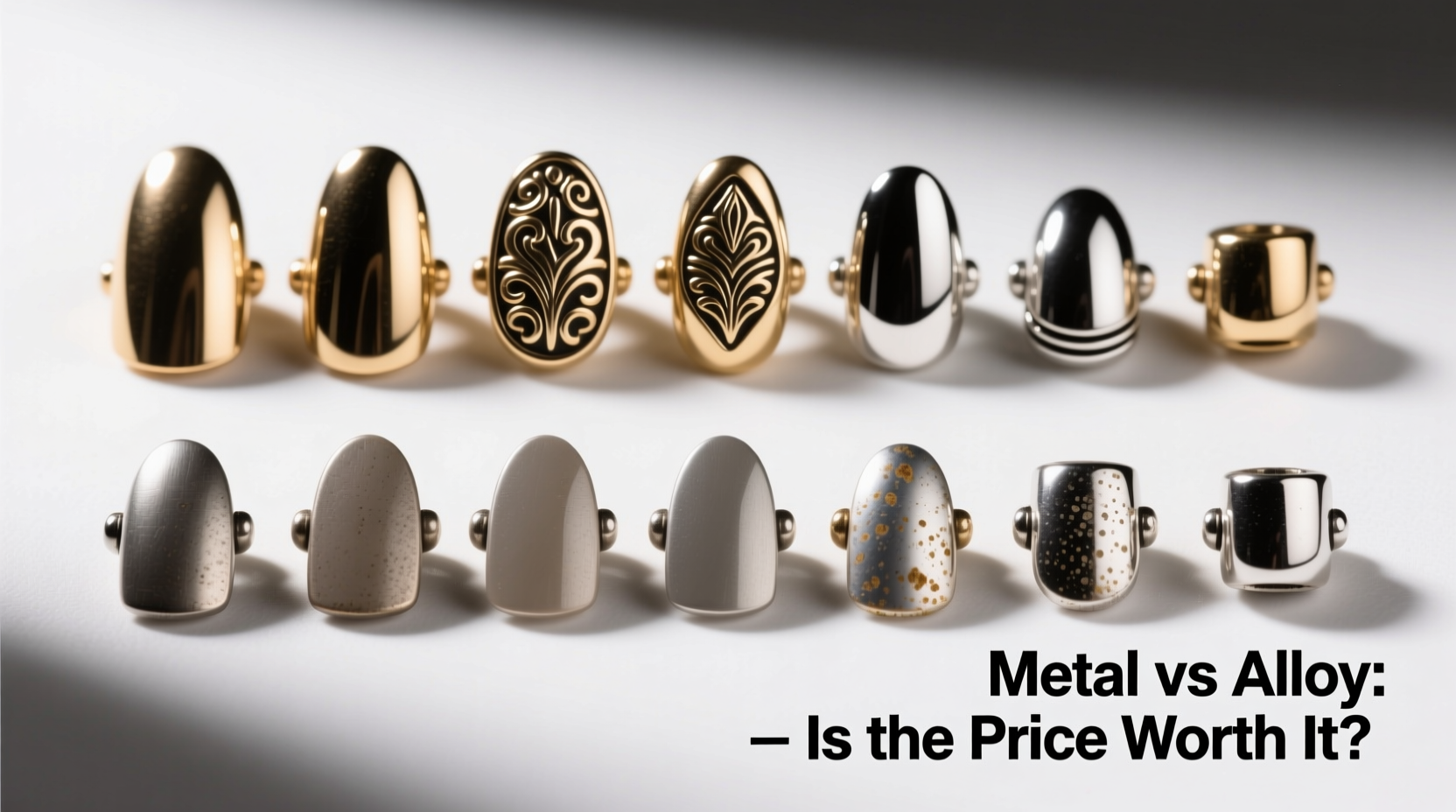
One of the most compelling arguments for choosing metal nail charms over alloy is durability. Solid metal charms—typically made from stainless steel, brass, or titanium—are engineered to resist tarnishing, chipping, and corrosion. These materials maintain their luster even after repeated exposure to water, lotions, and UV light.
In contrast, alloy charms are often composed of mixed metals such as zinc or copper blended with cheaper base metals. While they can mimic the appearance of premium metals at first glance, they tend to degrade faster. Over time, alloy charms may discolor, develop a cloudy finish, or even flake—especially if worn frequently or exposed to moisture.
Tip: If you plan to reuse your nail charms across multiple manicures, investing in solid metal versions ensures they’ll retain their appearance over dozens of applications.Safety and Skin Compatibility
Skin sensitivity is a critical factor when selecting nail accessories. High-quality metal charms, particularly those labeled hypoallergenic or nickel-free, are less likely to cause irritation. Stainless steel and titanium are especially favored in dermatological contexts due to their biocompatibility.
Alloy charms, however, often contain trace amounts of nickel or lead—metals known to trigger allergic reactions in sensitive individuals. According to Dr. Lena Patel, a board-certified dermatologist specializing in cosmetic reactions:
“Repeated contact with low-grade alloys can lead to contact dermatitis, especially around the nail bed where skin is thin and absorbent. For clients with sensitive skin, I consistently recommend avoiding unverified metal blends.” — Dr. Lena Patel, Dermatology Consultant
If you experience redness, itching, or swelling after wearing nail charms, consider switching to medical-grade metals—even if it means spending more upfront.
Visual Appeal and Finish Quality
Aesthetic value plays a major role in the decision-making process. Metal charms generally offer a deeper, more reflective shine that resembles fine jewelry. Their weight also contributes to a premium feel—something many wearers notice immediately upon application.
Alloy charms, while visually appealing initially, often suffer from inconsistent plating. A common issue is \"plating wear,\" where the outer layer of gold or silver fades within weeks, revealing a dull gray or yellow underlayer. This not only diminishes the charm’s beauty but can make nails look poorly maintained.
| Feature | Metal Charms | Alloy Charms |
|---|---|---|
| Shine Retention | High (lasts months to years) | Moderate to low (fades in weeks) |
| Tarnish Resistance | Excellent | Poor to fair |
| Hypoallergenic Options | Widely available | Limited availability |
| Weight & Feel | Heavier, more substantial | Lightweight, sometimes flimsy |
| Average Price (per charm) | $1.50–$4.00 | $0.30–$1.00 |
Real-World Example: A Salon Owner’s Experience
Jamila Reyes runs a boutique nail studio in Austin, Texas, catering to clients who prioritize both aesthetics and wellness. She began offering two tiers of nail charm upgrades: standard alloy and premium metal. After six months, she analyzed customer feedback and return rates.
She found that clients who chose metal charms were 70% more likely to rebook services involving reusable embellishments. Additionally, nearly all complaints about charm damage or skin irritation came from the alloy group. “It was clear,” Jamila said, “that paying more for better materials reduced service issues and increased client trust.”
As a result, she now recommends metal charms by default and only offers alloy options upon specific request—often explaining the long-term trade-offs involved.
Cost Over Time: Are Alloy Charms Really Cheaper?
At first glance, alloy charms appear to be the budget-friendly option. However, when evaluating cost over time, the equation shifts. Consider this scenario:
- You purchase 20 alloy charms at $0.50 each = $10 total.
- Due to tarnishing and breakage, you replace them every 2 months.
- Over one year, that’s 6 replacements = $60 spent.
Now compare:
- You purchase 20 metal charms at $2.00 each = $40 total.
- They remain in excellent condition for 12+ months with proper care.
- Total annual cost: $40 (and potentially much longer lifespan).
In this case, the metal option breaks even within ten months and becomes the more economical choice thereafter. Plus, fewer replacements mean less waste and greater convenience.
Step-by-Step Guide to Choosing the Right Nail Charms
Follow this practical sequence to make an informed decision based on your needs:
- Assess Your Usage Frequency: Will you wear charms weekly or occasionally? Frequent use favors durable metal.
- Check for Skin Sensitivities: If you’ve had reactions to jewelry, opt for nickel-free metal.
- Review Product Labels: Look for terms like “stainless steel,” “titanium,” or “hypoallergenic.” Avoid vague descriptions like “metallic” or “alloy blend.”
- Inspect the Plating: For alloy charms, ensure they have thick PVD (physical vapor deposition) coating, which resists wear better than electroplating.
- Factor in Reusability: If you remove and store charms carefully, metal will provide far more uses per dollar.
- Compare Total Cost of Ownership: Calculate annual replacement costs rather than just initial price.
Checklist: What to Look for Before Buying Nail Charms
- ✅ Material clearly listed (e.g., stainless steel, titanium)
- ✅ Hypoallergenic certification (if applicable)
- ✅ Thick, uniform plating (no patchiness)
- ✅ Secure attachment point (prong or flat back design)
- ✅ Positive reviews mentioning longevity
- ✅ Reputable seller with return policy
Frequently Asked Questions
Can I reuse metal nail charms safely?
Yes, provided you clean them properly between uses. Soak in isopropyl alcohol for 2–3 minutes, rinse, and dry thoroughly before storing in a sanitized container. Avoid sharing to prevent contamination.
Do alloy charms damage natural nails?
Not directly, but degraded alloy edges can become rough and snag on fabrics or lift nail polish. In rare cases, corroded metals may leach chemicals that weaken nail structure over time.
Are there eco-friendly benefits to choosing metal charms?
Absolutely. Because metal charms last longer and require fewer replacements, they generate less waste. Pairing them with non-acetone removers and reusable tools enhances sustainability.
Final Verdict: Is the Premium Worth It?
The value of metal nail charms lies not in their immediate sparkle, but in their sustained performance. While alloy charms serve a purpose for occasional wear or experimental styles, metal versions deliver superior durability, safety, and long-term savings. For anyone serious about nail art as a form of self-expression—or professionals building a reputation for quality—the extra cost is not just justified; it’s strategic.
Ultimately, the choice comes down to how you define value: short-term savings or lasting quality. If you appreciate craftsmanship, comfort, and consistency, metal nail charms aren’t an expense—they’re an investment in better beauty experiences.
🚀 Ready to upgrade your nail game? Start with one set of high-quality metal charms and track how often you reuse them. Share your results online and inspire others to choose quality over convenience!








