Walk into any luxury boutique, and you'll find leather belts priced between $400 and $1,200—sometimes more. At first glance, that seems absurd. A belt is functionally simple: a strip of leather with a buckle. So why do designer labels like Gucci, Hermès, and Bottega Veneta command such steep prices? Is it craftsmanship, heritage, and durability—or are consumers simply paying a \"logo tax\"? The answer isn't binary. It depends on how you use the item, how long you keep it, and what you value in fashion.
This article examines the tangible and intangible factors behind designer belt pricing, compares them to high-end non-designer alternatives, and provides a framework for deciding whether these accessories are truly worth the investment or merely status symbols with inflated price tags.
The Anatomy of a Designer Belt’s Price
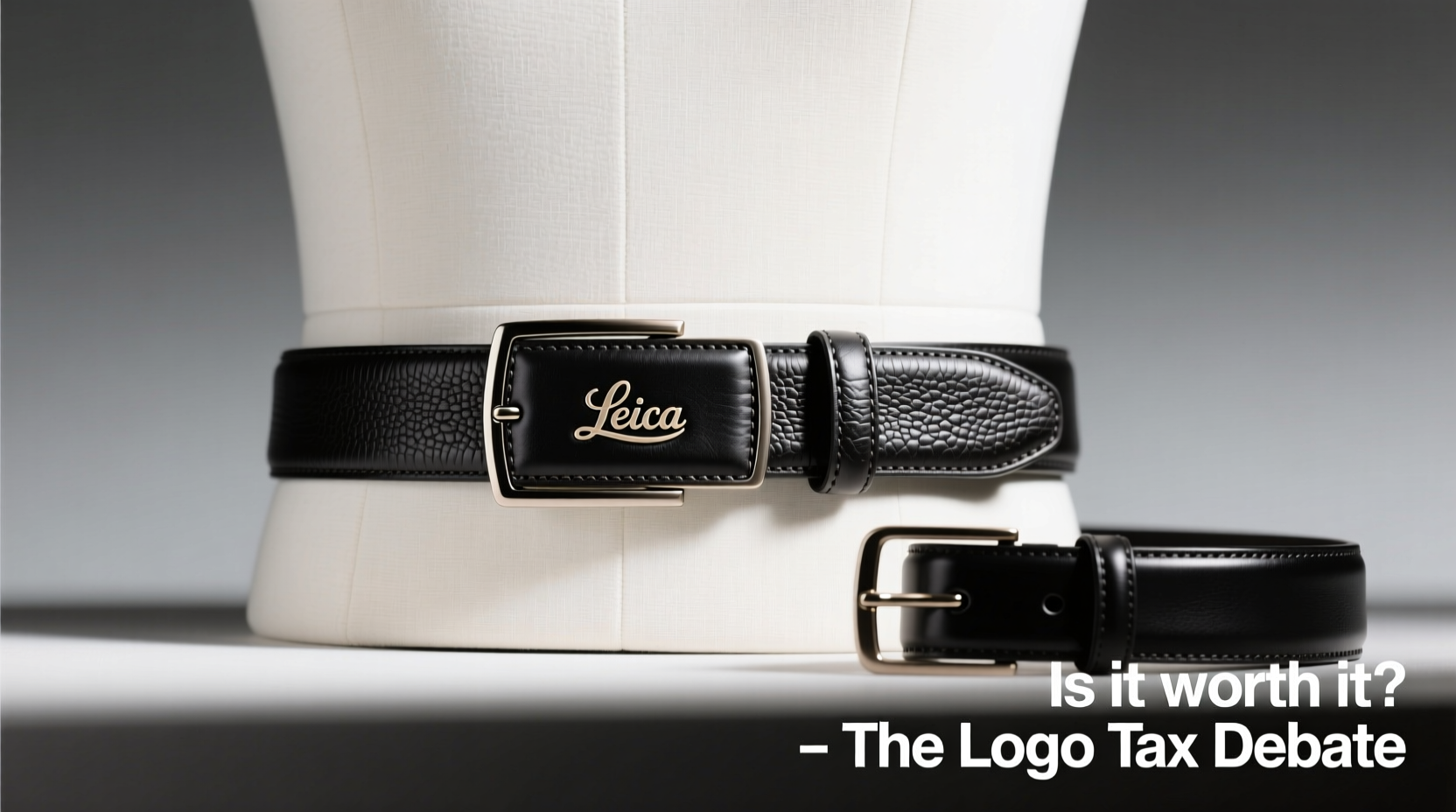
A $650 Gucci GG Marmont belt doesn’t cost $650 because of materials alone. While premium calf leather, hand-stitching, and polished hardware contribute, they account for only a fraction of the final price. The rest reflects brand equity, design R&D, marketing, retail markup, and exclusivity.
Luxury brands operate on a model where perception equals value. The Gucci logo, for instance, carries over a century of fashion history, celebrity endorsements, runway presence, and cultural relevance. That narrative is baked into the product’s cost. As fashion economist Dr. Lena Moreau explains:
“Luxury pricing isn’t linear. You’re not just buying a product—you’re buying access to an identity, a community, and a legacy.” — Dr. Lena Moreau, Fashion Economist & Author of *The Price of Prestige*
Still, this doesn’t mean all designer belts are overpriced. Some justify their cost through superior construction, longevity, and resale potential. Others rely heavily on branding with minimal functional advantage.
When Designer Belts Deliver Real Value
Certain conditions elevate a designer belt from vanity purchase to smart investment:
- Long-term wear: If you plan to wear the belt daily for 5+ years, the per-use cost drops significantly.
- Timeless design: Classic styles (e.g., black leather with a subtle logo) remain stylish across seasons.
- Resale market strength: Belts from Hermès, Loewe, or vintage Chanel often retain 60–80% of retail value resold.
- Superior materials: Full-grain leather, solid metal buckles, and hand-finishing resist wear better than mass-market equivalents.
Take the Hermès H-Buckle belt. Hand-cut from French calfskin, each piece undergoes 20+ hours of craftsmanship. Customers often wait months—even years—to purchase one at full price. Yet secondhand listings routinely sell near or above retail due to scarcity and quality. In this case, the \"logo tax\" is offset by genuine artisanship and enduring demand.
Tip: Focus on classic colors (black, brown, tan) and understated hardware—they age better and suit more outfits.Comparing Designer vs. Premium Non-Designer Belts
To assess true value, compare key attributes across categories. The table below evaluates four representative belts:
| Brand & Model | Price (USD) | Leather Type | Buckle Material | Construction | Resale Value (Est.) |
|---|---|---|---|---|---|
| Hermès H-Buckle (Black) | $890 | French Calfskin | Solid Brass | Hand-stitched, edge-painted | 75–90% |
| Gucci GG Supreme Belt | $620 | Grained Calfskin | Gold-tone Alloy | Mechanically stitched | 40–50% |
| Bottega Veneta Intrecciato | $750 | Veg-Tanned Lambskin | Palladium-coated Zinc | Hand-woven, glued seams | 50–60% |
| Billy Reid Tanner Belt | $245 | Full-Grain American Leather | Solid Brass | Hand-finished, saddle-stitched | 20–30% |
| Castelli Genuine Leather Belt | $85 | Top-Grain Leather | Zinc Alloy | Mechanical stitching | Negligible |
Notably, Billy Reid—a non-luxury brand—delivers comparable leather quality and brass hardware at less than a third of Gucci’s price. Its construction rivals many designer pieces, yet lacks the global recognition that drives resale demand. For practicality-focused buyers, this represents far better value.
Real-World Example: Two Belts, Five Years Later
Consider two professionals who bought belts in 2019:
- Mark purchased a $580 Gucci Prancing Horse belt. He wore it weekly with jeans and chinos. By 2023, the embossed logo had cracked slightly, the lining showed wear, and the gold finish on the buckle began fading. He sold it secondhand for $260.
- Daniel bought a $220 Tanner Leatherworks belt made from vegetable-tanned Horween leather and solid brass. He conditioned it twice a year. After five years, the leather developed a rich patina, the buckle remained flawless, and he received compliments regularly. He still wears it today.
Both belts served their purpose, but Daniel’s delivered better long-term satisfaction and lower cost-per-wear. Mark paid a $360 premium largely for visibility—one that diminished as the product aged.
“The best accessory isn’t the one people recognize—it’s the one that outlasts trends and still feels good to wear.” — Adrian Shaw, Menswear Archivist & Founder of *Classic Style Review*
How to Decide: A Step-by-Step Evaluation Guide
Before spending hundreds on a designer belt, follow this decision-making process:
- Assess your usage frequency. Will you wear it multiple times per week? If not, a lower-cost option may suffice.
- Evaluate the design longevity. Is it trendy (e.g., oversized logos, bright colors) or timeless (simple leather, neutral tones)?
- Research materials and construction. Look for full-grain or veg-tanned leather, solid metal hardware, and hand-stitching.
- Check resale platforms. Search eBay, Grailed, or Vestiaire Collective to see if similar models hold value.
- Compare to premium non-designer alternatives. Brands like Tanner Goods, Bellroy, and Old Gringo offer artisanal quality without branding premiums.
- Calculate cost-per-wear. Divide price by number of expected uses. A $600 belt worn 200 times costs $3 per wear—comparable to a $100 belt worn 30 times ($3.33).
- Ask: Are you buying function or status? Be honest. There’s no shame in wanting prestige, but don’t mistake it for investment.
When the Logo Tax Makes Sense
There are valid reasons to embrace the premium:
- Professional image building: In industries like finance, law, or luxury sales, subtle designer cues signal success and attention to detail.
- Gifting: A branded belt from a loved one’s favorite label carries emotional weight beyond material value.
- Collectibility: Limited editions or archival designs can appreciate, especially from houses like Dior or Saint Laurent.
- Outfit cohesion: Matching your belt to other designer pieces (shoes, wallet) creates a polished, intentional look.
In these cases, the \"tax\" isn’t wasted—it’s part of a broader personal or professional strategy. The key is intentionality. Paying extra for symbolism is fine, as long as you know that’s what you’re doing.
Practical Checklist: Buying a Belt Wisely
Use this checklist before purchasing any belt over $150:
- ✅ Made from full-grain or vegetable-tanned leather
- ✅ Solid metal buckle (brass, steel, or palladium)
- ✅ Stitching is tight, even, and reinforced at stress points
- ✅ Edges are burnished or sealed, not raw
- ✅ Brand has strong resale history (verify via secondhand sites)
- ✅ Design is versatile across seasons and outfits
- ✅ You’ve tried it on and confirmed comfort and fit
- ✅ You’ve compared it to 2–3 non-designer alternatives
Frequently Asked Questions
Do designer belts last longer than regular ones?
Not always. While many use higher-grade leather and hardware, some prioritize aesthetics over durability. A well-made non-designer belt with full-grain leather and brass hardware can outlast a flimsy designer piece with plated metal and thin straps. Always inspect construction details.
Can a designer belt be a financial investment?
Rarely. Most belts depreciate after purchase. However, iconic models from Hermès, limited collaborations, or vintage pieces in pristine condition can appreciate. These are exceptions, not the norm. Buy for utility or love—not ROI.
Is it worth repairing a designer belt?
Yes, if the leather is intact. Replacing a worn buckle or re-stitching a seam typically costs $50–$120—far less than replacement. Many luxury brands offer repair services, and independent artisans can restore both designer and non-designer belts.
Final Verdict: Investment or Illusion?
Some designer belts are legitimate investments in quality, longevity, and timeless style. Others exist primarily to broadcast wealth and taste. The dividing line lies in construction, versatility, and resale resilience—not the logo itself.
If you value craftsmanship, plan to wear the belt for years, and choose a model with enduring appeal, a designer purchase can be justified. But if you're swayed mainly by branding hype or short-term trends, you're likely paying a steep logo tax with little functional return.
The most valuable accessory isn’t the one with the loudest emblem, but the one that serves you reliably, looks better with age, and aligns with your authentic style. Whether that comes from Paris or Portland matters less than how it fits into your life.
🚀 Ready to make smarter accessory choices? Audit your wardrobe: identify which belts you wear most and why. Then apply the checklist above to your next purchase—designer or not—and invest in value, not just labels.