
Spending hours seated on a long-haul flight is an unavoidable reality of modern travel. As passengers settle into their seats with snacks, headphones, and neck pillows, some also pull on another item: compression socks. Once reserved for medical patients or athletes, these snug-fitting garments have become increasingly common in airport lounges and overhead bins. But are they actually beneficial for healthy travelers—or just another piece of overhyped travel gear?
The short answer is yes—compression socks can be worth wearing on long flights, even if you don’t have a diagnosed medical condition. The longer answer involves understanding how prolonged immobility affects circulation, what graduated compression does, and who stands to benefit most. This article explores the science, practical advantages, and smart usage tips to help non-medical travelers make informed decisions.
How Sitting Affects Circulation During Long Flights
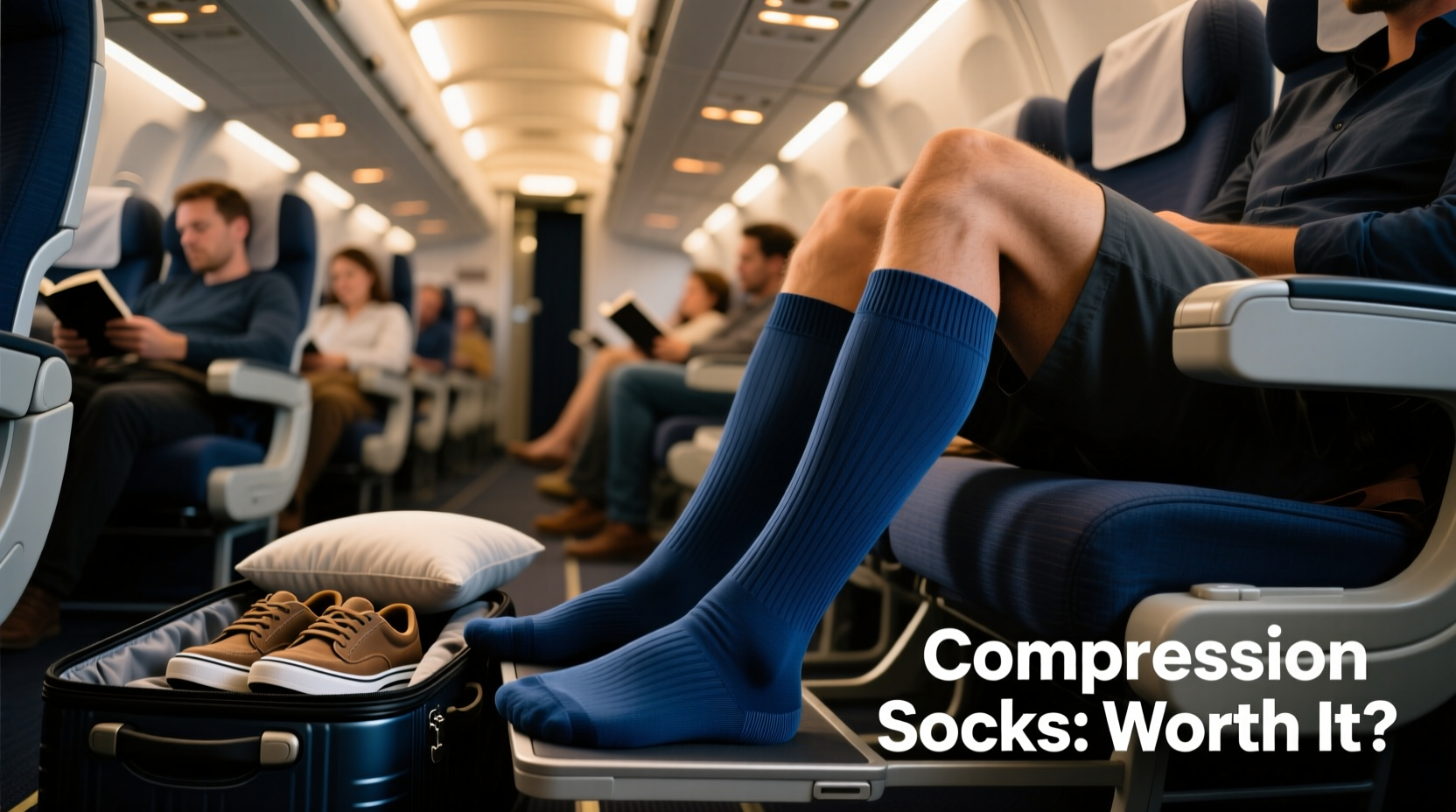
During a flight lasting more than four hours, the body undergoes several physiological changes due to limited movement and low cabin pressure. One of the most significant concerns is venous stasis—the slowing of blood flow in the deep veins of the legs. When you're seated for extended periods, calf muscles aren't contracting as they normally would during walking, which reduces their role in pumping blood back toward the heart.
This sluggish circulation increases the risk of fluid pooling in the lower limbs, leading to swelling (edema), discomfort, and in rare cases, deep vein thrombosis (DVT). While DVT is uncommon in healthy individuals, it's not impossible. According to the Centers for Disease Control and Prevention (CDC), the risk of developing a blood clot doubles after a flight longer than four hours, especially when combined with other factors like dehydration, age, or recent surgery.
Compression socks work by applying gentle, graduated pressure—tightest at the ankle and gradually decreasing up the calf. This design helps counteract gravity and supports the return of blood to the heart, reducing both swelling and the sensation of heavy or tired legs.
Tip: Even if you feel fine during a flight, subtle circulatory changes may still occur. Compression socks act as preventive support, much like sunscreen protects against UV damage before you see a burn.What Science Says About Compression Socks and Air Travel
Multiple studies have examined the effectiveness of compression socks in preventing travel-related leg issues. A well-known review published in *The Lancet* analyzed data from nine randomized trials involving over 2,600 passengers on flights exceeding five hours. The findings showed that wearers of compression stockings had significantly reduced incidence of leg swelling and symptoms of discomfort compared to those who didn’t use them. More importantly, no serious adverse effects were reported among healthy travelers using standard-grade (15–20 mmHg) compression socks.
Another study in the *Journal of Vascular Surgery* found that passengers wearing compression socks experienced up to 50% less ankle swelling after long-haul flights. Researchers noted that while the risk of actual clot formation remains low in healthy adults, the socks provided measurable comfort improvements and helped maintain normal vascular function.
“Even modest compression can enhance venous return and reduce post-flight fatigue in the legs. For travelers flying over four hours, especially those with a family history of clotting disorders or prolonged immobility, I routinely recommend 15–20 mmHg socks.” — Dr. Rachel Nguyen, Vascular Health Specialist
It’s important to note that not all compression levels are appropriate for casual travel. Medical-grade compression (above 20 mmHg) requires a prescription and is intended for clinical conditions like chronic venous insufficiency. For general air travel, over-the-counter socks rated at 15–20 mmHg (classified as “mild” to “moderate” compression) are sufficient and safe.
Benefits Beyond Medical Protection: Comfort and Recovery
While much of the discussion around compression socks centers on health risks, their value extends into everyday travel comfort—a key consideration for frequent flyers and vacationers alike.
- Reduced leg fatigue: Many travelers report feeling lighter on their feet upon landing, especially when connecting to another flight or starting a busy itinerary.
- Less swelling: Feet and ankles often expand slightly during flights due to fluid retention. Compression socks minimize this effect, making it easier to slip shoes back on after barefoot cruising.
- Better sleep and focus: Improved circulation can reduce restlessness and the urge to constantly shift position, contributing to better in-flight rest.
- Faster recovery: Post-flight, wearers often experience quicker physical rebound, which matters for business travelers arriving ready for meetings or tourists eager to explore.
A mini case study illustrates this well: Sarah, a 34-year-old marketing consultant, flies monthly between New York and London. After years of enduring swollen feet and grogginess upon arrival, she began wearing 18 mmHg compression socks consistently. Within two trips, she noticed a difference—not only did her legs feel less stiff, but she was able to walk off the plane without pausing to adjust her shoes. Over time, she incorporated hydration and aisle walks into her routine, but credits the socks as her “most impactful single change.”
Choosing the Right Compression Socks: A Practical Guide
Not all compression socks are created equal. Selecting the right pair involves considering fit, material, compression level, and personal preferences.
Step-by-Step: How to Pick the Best Pair
- Determine compression level: Look for 15–20 mmHg, labeled as “travel” or “support” grade. Avoid higher levels unless advised by a doctor.
- Check sizing carefully: Ill-fitting socks can be ineffective or uncomfortable. Measure your ankle circumference and refer to brand-specific charts—don’t guess.
- Choose breathable fabric: Merino wool blends regulate temperature; nylon-spandex mixes offer durability. Avoid thick, non-breathable materials if flying in warm climates.
- Decide on length: Most travel socks are knee-high, offering optimal coverage for circulation support. Crew-length options exist but provide less benefit.
- Try them before travel: Wear the socks for several hours at home to assess comfort and fit. Ensure they stay in place without pinching.
Do’s and Don’ts When Using Compression Socks
| Do | Don’t |
|---|---|
| Wear socks from boarding through deplaning | Roll or fold the top down—it creates a tourniquet effect |
| Combine with regular movement (e.g., ankle rolls, walking) | Wear overly tight socks that leave indentations or cause numbness |
| Stay hydrated to support circulation | Use worn-out or stretched socks—they lose compression over time |
| Wash after each use to maintain elasticity | Share socks with others—fit and hygiene matter |
Who Should Consider Wearing Them—and Who Might Skip
Compression socks aren’t mandatory for every traveler, but certain groups gain more from using them.
Who Benefits Most
- Travelers on flights exceeding 4–6 hours
- Individuals with a history of leg swelling during travel
- Those with a family history of blood clots
- Pregnant travelers (with doctor approval)
- Frequent flyers experiencing chronic leg fatigue
- Passengers over age 50 or with limited mobility
When Caution Is Needed
While generally safe, compression socks aren’t suitable for everyone. People with peripheral neuropathy, severe arterial disease, or skin infections should avoid them unless cleared by a physician. Additionally, anyone with known allergies to synthetic fabrics should check material labels carefully.
Realistic Expectations Matter
Compression socks are not magic. They reduce risk and improve comfort but do not eliminate all dangers of prolonged sitting. They work best as part of a broader strategy that includes hydration, movement, and proper seating posture.
Frequently Asked Questions
Can I wear compression socks if I’m perfectly healthy?
Yes. Healthy travelers can benefit from improved circulation and reduced leg fatigue. Mild compression (15–20 mmHg) is safe for preventive use and widely recommended by travel medicine experts.
Will compression socks make my legs feel hot or itchy?
High-quality socks made from moisture-wicking, breathable materials should not cause overheating or irritation. Choose brands designed specifically for travel or athletic use, and avoid cheap, non-breathable versions.
How long should I wear them after landing?
Continue wearing them for at least 1–2 hours post-flight, especially if you’ll be sitting during transit or have a long walk ahead. This helps maintain circulation momentum as your body readjusts to activity.
Final Checklist Before Your Next Flight
- ✅ Pack compression socks rated 15–20 mmHg
- Ensure they’re clean, properly sized, and easily accessible in your carry-on.
- ✅ Stay hydrated throughout the flight
- Drink water regularly and limit alcohol and caffeine, which contribute to dehydration.
- ✅ Move every 60–90 minutes
- Walk the aisle, stretch your calves, or perform seated ankle circles to boost circulation.
- ✅ Avoid crossing your legs
- This restricts blood flow and counteracts the benefits of compression.
- ✅ Know your personal risk factors
- If you’ve had a recent surgery, are pregnant, or have a clotting disorder, consult your doctor before flying.
Conclusion: Small Gear, Meaningful Impact
Compression socks may seem like a minor detail in the grand scheme of air travel preparation, but their impact on comfort and circulatory health is backed by solid evidence. For non-medical travelers, especially those facing long flights, they represent a simple, low-cost intervention with tangible benefits. They won’t guarantee a perfect flight, but they can meaningfully reduce swelling, fatigue, and the underlying risks of immobility.
Like seatbelts or sunscreen, compression socks are most valuable when used preventively—not because disaster is likely, but because protection is easy. Whether you're embarking on a dream vacation or a demanding business trip, giving your legs the support they need can make the journey smoother and the arrival more enjoyable.
🚀 Ready to fly smarter? Add compression socks to your packing list for your next long flight and experience the difference firsthand. Share your travel tips or questions in the comments below—we’d love to hear what works for you.








