The sneaker world has never been more dynamic. In 2025, two dominant forces are shaping the culture: nostalgic reverence for classic silhouettes and explosive creativity from anime-inspired collaborations. On one side, retro Jordans continue to command loyalty, prestige, and record-breaking resale prices. On the other, limited-run anime sneakers—born from partnerships with franchises like *Demon Slayer*, *Spirited Away*, and *Neon Genesis Evangelion*—are capturing the imagination of Gen Z and digital-native collectors. But which trend holds more heat this year? The answer isn’t just about aesthetics; it’s about cultural momentum, investment potential, and identity expression.
Cultural Roots and Brand Legacy
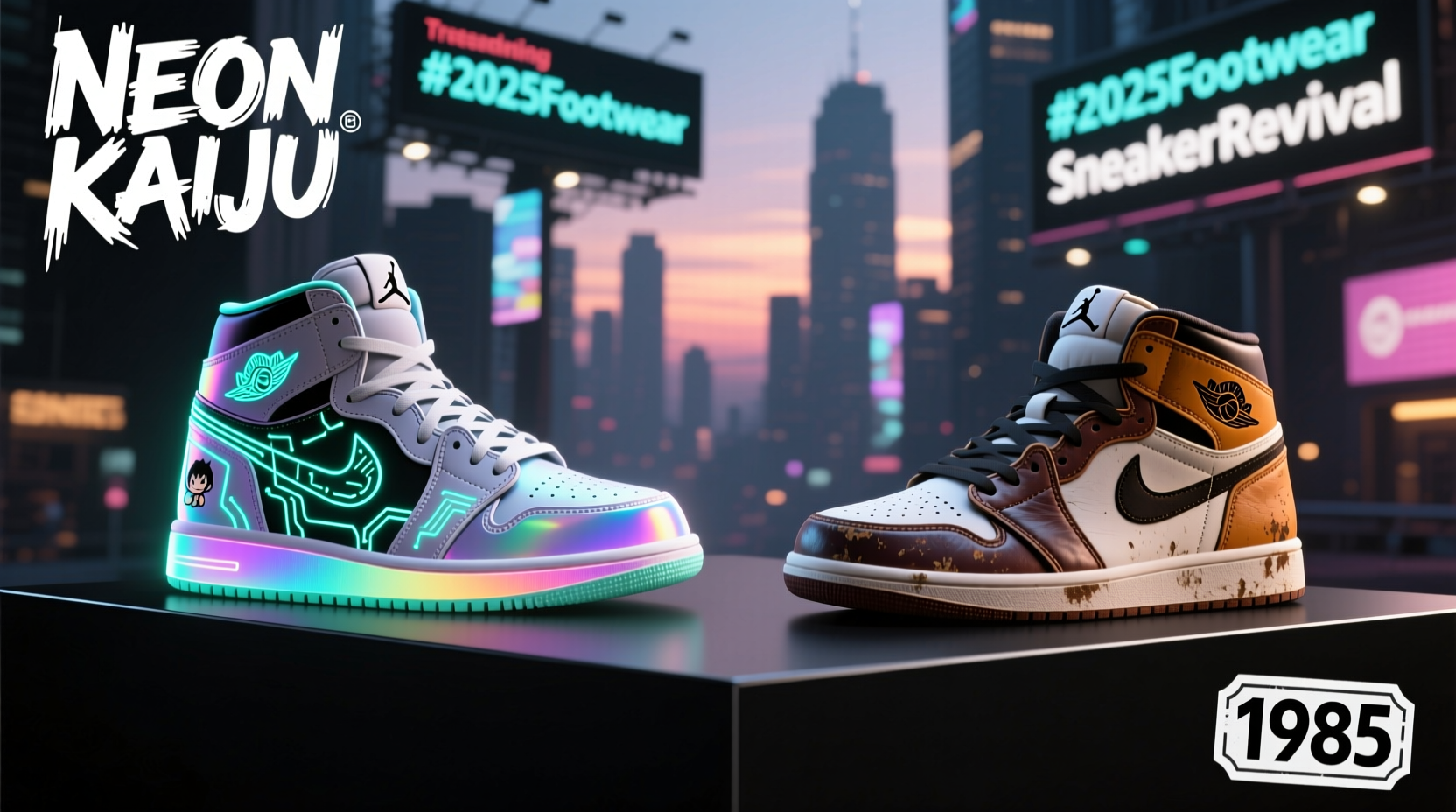
Retro Jordans carry a legacy that transcends sportswear. Since Michael Jordan’s dominance in the late '80s and '90s, the Air Jordan line has evolved into a global symbol of excellence, rebellion, and style. The Air Jordan 4 “Bred,” the AJ1 “Chicago,” and the AJ3 “Fire Red” aren’t just shoes—they’re artifacts of basketball history and urban fashion. Their appeal is deeply rooted in authenticity and generational storytelling.
Anime sneakers, by contrast, draw power from Japan’s rich visual culture and emotional storytelling. Collaborations between Nike, ASICS, and Converse with Studio Ghibli or Aniplex tap into decades of beloved narratives. These designs often feature intricate detailing: translucent soles mimicking spirit energy, gradient uppers inspired by sunset skies, or embroidered logos referencing iconic symbols like NERV or the Demon Slayer mark.
While Jordans speak to heritage, anime sneakers speak to imagination. One honors legacy; the other invites immersion.
Tip: When evaluating cultural relevance, consider not just popularity but longevity—what will still be discussed in five years?Market Demand and Resale Value Trends in 2025
In 2025, the resale market remains a key indicator of a sneaker’s “hotness.” According to StockX data, retro Jordans still dominate transaction volume. The Air Jordan 1 High OG “Lost & Found” (2024 drop) resold for an average of $420, nearly triple its retail price, within three months. Classic colorways consistently clear above retail, showing enduring demand across age groups.
Anime sneakers, while lower in volume, generate spikes of unprecedented intensity. The Converse x *Spirited Away* Chuck Taylor All Star “Bathhouse” edition, released in early 2025, sold out globally in under 11 minutes. On resale platforms, pairs reached $850—over ten times their original $75 price tag. Similarly, the ASICS x *Demon Slayer* Gel-Kayano 14 “Mugen Train” variant saw a 900% markup within hours.
What sets anime sneakers apart is their scarcity and narrative-driven design. Unlike Jordans, which rotate through annual re-releases, anime collabs are often one-time drops tied to film anniversaries or streaming milestones, making them inherently rarer.
“Scarcity isn’t just about numbers—it’s about emotional exclusivity. Anime fans don’t just buy a shoe; they claim a piece of a story they love.” — Lila Nakamura, Senior Analyst at HypeBeast Insights
Design Philosophy: Heritage vs. Storytelling
Retro Jordans follow a design language built on minimalism, premium materials, and subtle branding. The focus is on silhouette purity—clean leather, crisp stitching, and timeless color blocking. Even modern iterations like the AJ11 “Concord” stay true to Tinker Hatfield’s original vision.
Anime sneakers embrace maximalism. They’re canvases for narrative artistry. Consider the Nike SB Dunk Low x *Neon Genesis Evangelion*: purple gradients evoke Unit-01’s armor, laces feature Hebrew lettering matching the show’s lore, and insoles display character profiles. These aren’t just wearables—they’re collectible artifacts.
This distinction reflects broader consumer shifts. Millennials and older Gen Xers gravitate toward Jordans for their versatility and status signaling. Younger consumers—especially those aged 16–28—prioritize self-expression and fandom alignment. For them, wearing anime sneakers is a declaration of identity.
| Feature | Retro Jordans | Anime Sneakers |
|---|---|---|
| Design Focus | Silhouette, material quality | Narrative, symbolism, color drama |
| Release Frequency | Quarterly reissues + new retros | One-off or biannual collabs |
| Average Markup (Resale) | 50–150% | 300–1000%+ |
| Target Audience | Basketball fans, streetwear purists | Anime enthusiasts, digital natives |
| Lifestyle Fit | Casual, urban, versatile | Fandom events, photo shoots, niche styling |
Real-World Example: The Tokyo Streetwear Scene
In Shibuya and Harajuku, the divide between these trends is both visible and fluid. Takashi, a 22-year-old fashion student, owns six pairs of retro Jordans but only wears them for formal streetwear looks. His daily rotation includes a pair of the *My Hero Academia* x Puma Suede Pros—a vibrant red-and-white design featuring Deku’s handprint on the heel.
“The Jordans are classics,” he says. “But when I wear the MHA shoes, people stop me. They ask about the series, we talk, sometimes we even go to ramen together. It’s not just fashion—it’s community.”
This anecdote illustrates a critical shift: sneakers are no longer just status symbols. For many, they’re social catalysts. While retro Jordans open doors through recognition, anime sneakers spark conversations through curiosity.
Investment Potential: Which Holds Value Longer?
When treated as assets, retro Jordans have proven more stable. The AJ3 “Black Cement” has maintained a resale floor of $300+ since 2018, regardless of macro trends. Limited retros like the AJ4 “Military Black” or AJ6 “Carmine” regularly appreciate over time due to consistent collector demand.
Anime sneakers, however, are volatile. Their value hinges on franchise popularity and cultural timing. The *Attack on Titan* x Reebok Instapump Fury (2023) peaked at $600 but dropped to $180 within a year as the series concluded. In contrast, Studio Ghibli collaborations—like the *Spirited Away* Converse—continue to rise, supported by the studio’s timeless appeal and Disney’s global distribution.
For long-term investors, retro Jordans remain the safer bet. But for short-term flippers who monitor pop culture cycles, anime sneakers offer higher risk and potentially explosive returns.
Tip: Track anime release calendars and anniversary dates—these often precede major sneaker drops and post-launch spikes.Step-by-Step: How to Capitalize on Either Trend in 2025
- Identify Your Goal: Are you collecting for personal enjoyment, fashion expression, or financial gain?
- Research Drops: Use apps like Sole Retriever, Journeys Launch Calendar, or brand-specific Discord servers to track release dates.
- Verify Authenticity: Both markets are flooded with counterfeits. Learn key identifiers—stitch patterns, box labels, holograms.
- Decide Buy-to-Wear or Buy-to-Sell: Jordans can serve both purposes; anime sneakers are best flipped quickly unless you’re a diehard fan.
- Store Properly: Use silica gel packs and shoe trees. Avoid sunlight to prevent yellowing and fading.
- Time Your Exit: For anime sneakers, sell within 2–4 weeks of release. For Jordans, hold 6–12 months for peak appreciation.
Sustainability and Production Ethics
As consumers grow more conscious, sustainability impacts trend热度. Nike’s Move to Zero initiative has improved the eco-footprint of retro Jordan production, using recycled materials in packaging and some upper components. However, the sheer volume of re-releases raises concerns about overproduction.
Anime sneakers, being rarer, produce less waste per unit—but their complex designs often require non-recyclable materials (e.g., glow-in-the-dark rubber, metallic foils). Some brands, like ASICS, have started using bio-based dyes and ocean plastics in their anime lines, responding to fan pressure.
In 2025, ethical sourcing is becoming a silent influencer. Consumers increasingly favor brands that align values with visuals—whether that’s honoring athletic legacy or respecting environmental responsibility.
Checklist: Choosing the Right Trend for You
- ✅ Do you value timeless design over thematic flair?
- ✅ Are you building a long-term collection or chasing hype?
- ✅ Is your wardrobe centered on streetwear basics or bold statement pieces?
- ✅ Do you follow anime or Japanese pop culture closely?
- ✅ Are you prepared to act fast during surprise drops?
- ✅ Do you prioritize resale potential or personal connection?
If most answers lean toward tradition, versatility, and stability—retro Jordans are your match. If you thrive on exclusivity, storytelling, and digital culture—anime sneakers will resonate deeper.
FAQ
Are anime sneakers comfortable for everyday wear?
Comfort varies by brand and model. Many anime sneakers are based on performance or lifestyle silhouettes (e.g., Nike SB Dunks, ASICS Gel-Lyte), so they’re designed for real use. However, intricate detailing can sometimes affect breathability or fit. Always check user reviews before buying.
Will retro Jordans ever lose popularity?
Unlikely in the near term. The Jordan Brand generates over $5 billion annually, with retro models accounting for 70% of sales. As long as basketball culture and streetwear intersect, classic Jordans will retain relevance. Their influence is now institutionalized in fashion and design education.
Can I mix anime sneakers with retro Jordan outfits?
Yes, but with intention. Pairing requires balancing themes. For example, wearing *Evangelion* Dunks with neutral athleisure works; combining them with another bold graphic shoe creates visual clutter. Stick to one statement piece per outfit.
Conclusion: The Verdict for 2025
In the clash between anime sneakers and retro Jordans, there is no single winner—only different definitions of “hot.” Retro Jordans remain the cornerstone of sneaker culture, offering unmatched legacy, consistency, and broad appeal. They are the oak trees of the footwear forest: strong, enduring, and universally respected.
Anime sneakers, meanwhile, are the shooting stars—rare, dazzling, and emotionally charged. They represent the future of personalized fashion, where identity and fandom converge in wearable art. In 2025, they generate more buzz, more urgency, and more social media traction among younger demographics.
So, which trend is hotter? If “hot” means widespread, reliable, and culturally anchored—retro Jordans win. If “hot” means viral, exclusive, and culturally disruptive—anime sneakers take the crown.
🚀 Ready to choose your side? Whether you're lacing up a pair of Air Jordan 4s or copping the latest Studio Ghibli collab, your footwear tells a story. Share your pick in the comments and join the conversation shaping 2025’s sneaker landscape.