In the ever-evolving world of fashion, few categories have seen as much disruption in recent years as footwear and streetwear. The rise of anime-inspired sneakers—bold, colorful designs often tied to franchises like *Naruto*, *Dragon Ball Z*, or *Demon Slayer*—has introduced a new kind of statement piece into everyday wardrobes. At the same time, classic streetwear remains a dominant force, grounded in minimalist silhouettes, neutral tones, and timeless appeal. But when it comes to daily wearability, which trend truly holds up beyond the hype?
The answer isn’t just about personal taste. It’s about durability, versatility, cultural resonance, and how well each style integrates into real life—from commuting to work, running errands, or meeting friends for coffee. This article breaks down the practical realities behind both trends, helping you decide not what looks good on Instagram, but what works when the camera is off.
The Rise of Anime Sneakers: Hype Meets Identity
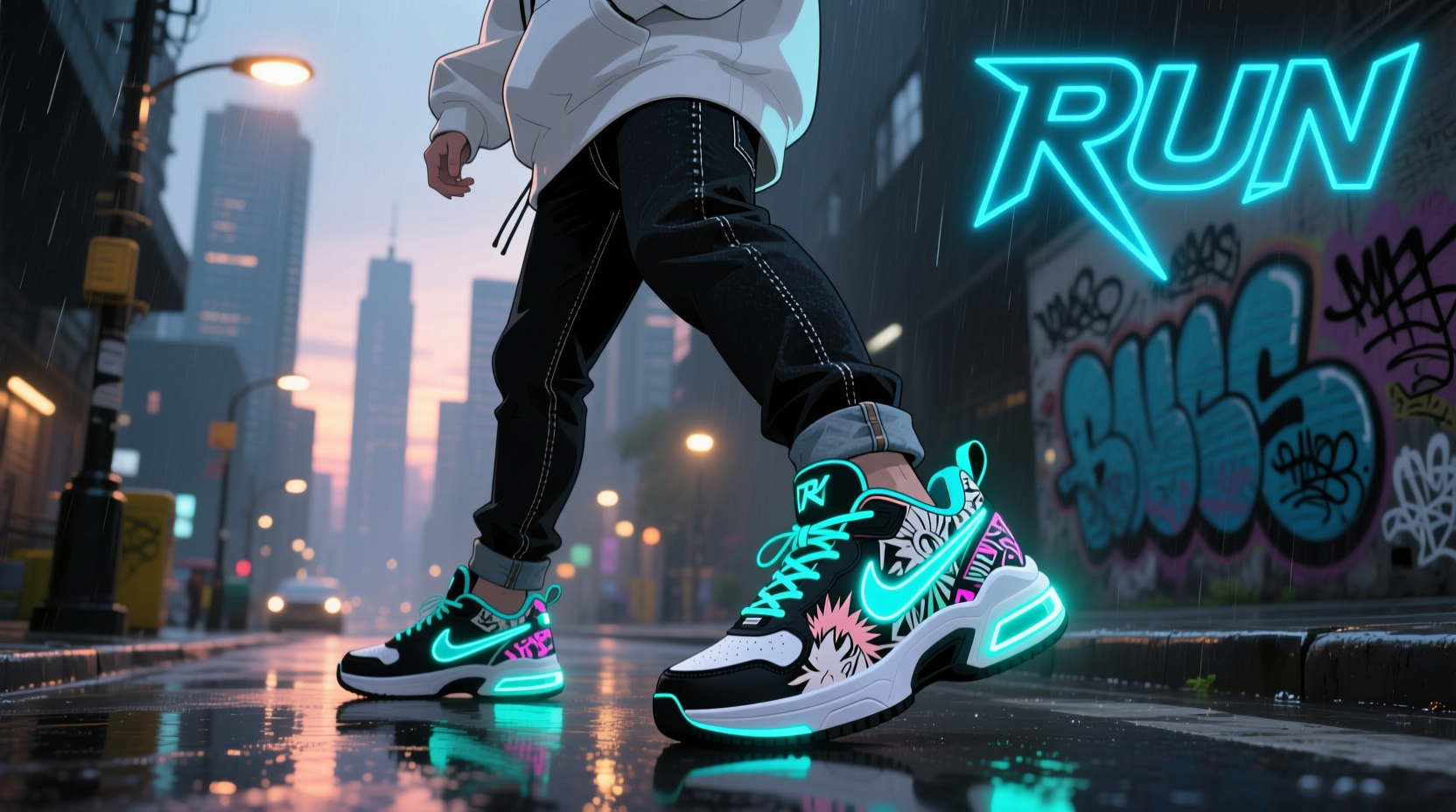
Anime sneakers have exploded in popularity thanks to collaborations between major brands like Puma, Nike SB, and Adidas with Japanese animation studios. These releases often sell out within minutes, driven by passionate fanbases and limited availability. What sets them apart is their narrative depth—each pair tells a story, whether through character motifs, symbolic color schemes, or thematic design elements.
For many wearers, these shoes are more than fashion—they’re expressions of identity. Wearing a pair inspired by Goku or Luffy isn’t just aesthetic; it’s a declaration of values like perseverance, loyalty, or rebellion. That emotional connection gives anime sneakers powerful cultural weight, especially among younger demographics who grew up with these characters.
Yet emotional resonance doesn’t automatically translate to daily functionality. While visually striking, most anime sneakers prioritize boldness over subtlety. Bright reds, electric blues, and intricate prints can clash with even simple outfits. They demand attention—and sometimes that’s exactly what you don’t want during a low-key day at the office or a family dinner.
Tip: If you love anime sneakers but want more flexibility, opt for models with muted colorways or subtle embroidery rather than full-on graphic prints.Classic Streetwear: The Quiet Power of Simplicity
Classic streetwear, rooted in 90s hip-hop culture and skateboarding aesthetics, emphasizes clean lines, monochrome palettes, and high-quality materials. Think black hoodies, oversized tees, cargo pants, and sneakers like the Nike Air Force 1, Adidas Stan Smith, or New Balance 550. These pieces aren’t flashy, but they possess an enduring coolness that transcends seasons.
What makes classic streetwear so wearable every day is its adaptability. A white sneaker can go from jeans to chinos, from casual Fridays to weekend brunches. There’s no need to coordinate around the shoe—it becomes a neutral foundation. Unlike anime sneakers, which often dictate your outfit's tone, classic streetwear lets the wearer remain in control.
Moreover, many classic streetwear staples are designed for movement and comfort. Skate-inspired shoes, for instance, feature flat soles, padded collars, and grippy outsoles—practical features that matter after hours on your feet. In contrast, some anime sneakers sacrifice ergonomics for visual impact, using stiff materials or uneven cushioning to accommodate complex detailing.
“Timeless doesn’t mean boring. It means the piece doesn’t rely on nostalgia or fandom to be relevant.” — Marcus Lin, Urban Fashion Curator at Threadline Journal
Comparative Breakdown: Wearability Across Key Factors
To determine which trend wins in terms of daily usability, consider the following criteria:
| Factor | Anime Sneakers | Classic Streetwear |
|---|---|---|
| Versatility | Limited—often requires themed or bold styling | High—pairs easily with almost any wardrobe |
| Comfort | Varies—some prioritize aesthetics over fit | Generally high—designed for extended wear |
| Durability | Mixed—special finishes may degrade faster | Strong—simple construction resists wear |
| Social Acceptance | Niche—may stand out in conservative settings | Broad—widely accepted across contexts |
| Resale Value | Very high—if limited edition | Moderate—unless rare vintage |
| Daily Practicality | Low to medium | High |
This comparison shows a clear trade-off: anime sneakers excel in collectibility and self-expression but fall short in seamless integration. Classic streetwear, while less headline-grabbing, offers consistent performance across environments.
A Real-World Example: Two Weeks, Two Styles
Consider Alex, a 28-year-old graphic designer based in Portland. For one week, he wore only anime-themed sneakers—a pair of Dragon Ball Z x Puma Cell Origin 2s featuring Saiyan armor patterns and flame accents. The second week, he switched to a pair of black Nike Blazer Mid ’77s, a staple of minimalist streetwear.
During the first week, Alex received multiple compliments at social events and noticed increased engagement on his Instagram posts. However, he also reported discomfort after long walks due to the shoe’s rigid upper and remarked that matching outfits was “a chore.” He avoided wearing them to client meetings, fearing they’d seem unprofessional.
In the second week, Alex found the Blazers effortlessly compatible with everything from joggers to tailored trousers. He wore them to work, dinners, and even a gallery opening without hesitation. Though fewer people commented on them, he felt more confident and less self-conscious.
His takeaway? “The anime kicks are amazing for flexing creativity, but my Blazers are the ones I actually live in.”
When Anime Sneakers Work in Daily Life
That doesn’t mean anime sneakers are unwearable on a regular basis. With thoughtful selection and styling, they can become functional parts of a rotating wardrobe. The key lies in choosing the right subcategory:
- Subtle Collaborations: Some anime sneakers tone down the graphics. For example, the *Evangelion*-themed Asics Gel-Kayano 14 uses grayscale mesh and reflective details instead of overt logos.
- Neutral Color Palettes: Look for black, white, or navy-based designs that minimize visual noise.
- Quality Construction: Prioritize models built on proven platforms (e.g., Converse x Sailor Moon All Stars) known for comfort and longevity.
Additionally, context matters. In creative industries—design, entertainment, gaming—an anime sneaker might signal shared interests and foster connections. In more traditional sectors like finance or law, however, they could be perceived as distracting or immature.
Tip: Use anime sneakers as accent pieces. Pair them with neutral clothing to let the shoes shine without overwhelming your look.Building a Balanced Wardrobe: A Step-by-Step Guide
You don’t have to choose sides. The most practical approach blends both trends strategically. Follow this timeline to build a versatile, expressive, and functional footwear rotation:
- Week 1: Audit Your Current Collection
Identify how many pairs you own and categorize them by use case: formal, casual, athletic, statement. - Week 2: Define Your Lifestyle Needs
Track where you go and what you do each day. How many steps? What dress codes apply? - Week 3: Invest in 1–2 Core Classics
Purchase durable, neutral-toned sneakers that serve as daily anchors (e.g., Adidas Samba, Vans Old Skool). - Month 2: Add 1 Statement Anime Pair
Select one anime sneaker that aligns with your personal passion and has moderate visual intensity. - Ongoing: Rotate Based on Context
Use classic streetwear for work and errands; save anime sneakers for weekends, events, or creative outings.
This method ensures you stay comfortable and appropriate while still expressing individuality.
Checklist: Choosing the Right Daily Sneaker
Before buying, ask yourself these questions:
- Can I wear this with at least three different outfits in my current wardrobe?
- Does it feel comfortable after 30+ minutes of walking?
- Will I still want to wear this six months from now, even if the trend fades?
- Is the material easy to clean and maintain?
- Does it fit the professional or social environments I frequent?
If you answer “no” to more than two of these, reconsider—or treat the shoe as a collector’s item rather than a daily driver.
Frequently Asked Questions
Can I wear anime sneakers to work?
It depends on your workplace culture. In creative fields like design, media, or tech startups, they may be welcomed as part of self-expression. In corporate, legal, or healthcare environments, they’re likely too informal. When in doubt, observe what others wear or consult your company’s dress code.
Are classic streetwear sneakers boring?
Not at all. Their strength lies in restraint. A well-fitted black hoodie and clean white sneakers project confidence through simplicity. Boring implies lack of intention—classic streetwear is deliberate, understated, and often more sophisticated than flashy alternatives.
Do anime sneakers hold value over time?
Yes, especially limited editions. Collaborations like the *One Piece* x Nike Dunk Low have resold for thousands. However, resale potential shouldn’t drive daily wear decisions. If comfort and compatibility aren’t there, owning a “grail” won’t make it practical.
Conclusion: Function First, Flavor Second
In the battle between anime sneakers and classic streetwear, functionality ultimately determines daily wearability. While anime sneakers offer unmatched storytelling and emotional resonance, their niche appeal and design constraints limit their real-world utility. Classic streetwear, built on principles of comfort, neutrality, and resilience, consistently proves itself as the more adaptable choice.
The smart path forward isn’t rejection—it’s balance. Let classic streetwear form the backbone of your wardrobe, providing reliable, effortless style. Then, layer in anime sneakers selectively, using them to celebrate passions and punctuate moments. This hybrid approach honors both self-expression and practicality.
💬 What does your daily sneaker rotation look like? Share your favorite combo of comfort and culture in the comments below—we’d love to hear how you blend fandom with function.