In the ever-evolving world of streetwear and footwear culture, two dominant forces have captured the attention of collectors, fashion enthusiasts, and everyday wearers: anime-inspired sneakers and classic kicks. On one hand, anime sneakers represent a fusion of pop culture, limited releases, and hyper-specific fandoms. On the other, classic kicks—timeless silhouettes like the Nike Air Force 1, Adidas Superstar, or Converse Chuck Taylor—have stood the test of decades with minimal design changes. The real question isn’t just about popularity today, but which trend holds its ground over time. Does the emotional resonance of anime collaborations outlast their novelty, or do the enduring lines of classic shoes guarantee long-term relevance?
The Rise of Anime Sneakers: When Fandom Meets Footwear
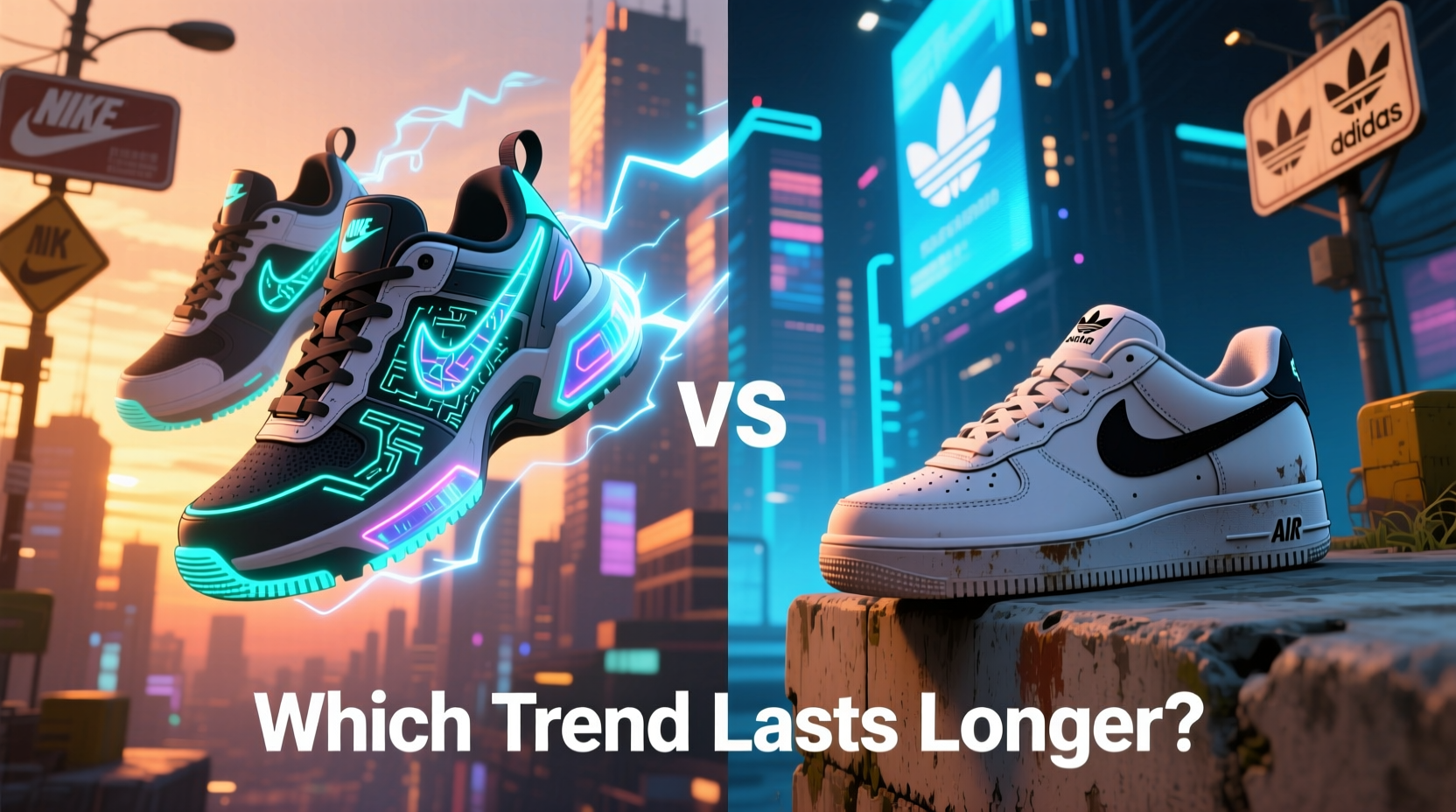
Anime has evolved from niche entertainment to a global cultural phenomenon, influencing everything from fashion to music. Collaborations between major sportswear brands and anime franchises—such as Nike’s Dragon Ball Z collection, Puma’s One Piece series, or New Balance’s Evangelion-themed releases—have turned footwear into collectible art. These designs often feature bold graphics, character motifs, and symbolic color palettes that resonate deeply with fans.
What sets anime sneakers apart is their storytelling power. A pair might reflect Goku’s transformation aura, include subtle references to key episodes, or replicate the aesthetic of a specific character’s outfit. This narrative depth transforms them from mere shoes into wearable memorabilia. Limited production runs further amplify their exclusivity, driving demand in secondary markets almost immediately after release.
However, the strength of these sneakers lies heavily in the lifespan of the fandom itself. While franchises like *Naruto*, *One Piece*, and *Dragon Ball* enjoy multi-generational appeal, others may peak during a seasonal resurgence. This creates a fundamental vulnerability: if interest wanes, so does the shoe’s cultural and monetary value.
Tip: If investing in anime sneakers, prioritize franchises with long-running narratives and global licensing power—they’re more likely to retain value.Classic Kicks: Built for Generations, Not Seasons
Classic sneakers are defined by simplicity, functionality, and adaptability. Take the Stan Smith: clean white leather, green heel tab, three perforations on the toe. Since its debut in the 1970s, it has undergone minimal changes. Similarly, the Air Jordan 1, though iconic, maintains a consistent silhouette across re-releases. These shoes aren’t tied to a moment—they become part of the wardrobe fabric across age groups and regions.
Their staying power comes from versatility. A black leather low-top can transition from casual Fridays to weekend outings without drawing undue attention. They don’t shout; they integrate. Unlike themed sneakers that require coordination around their design elements, classics act as neutral foundations in any outfit.
Moreover, manufacturers consistently reissue these models, ensuring availability and familiarity. This steady presence reinforces consumer trust. People buy them not because they’re chasing a trend, but because they know they’ll still be relevant years later.
“Timelessness isn’t about being forgotten—it’s about being constantly rediscovered.” — Marcus Lin, Senior Footwear Curator at Urban Sole Archive
Comparative Longevity: Cultural Impact vs. Design Permanence
To assess which trend lasts longer, we must examine several dimensions: cultural relevance, resale value, wearability, and manufacturing continuity.
| Factor | Anime Sneakers | Classic Kicks |
|---|---|---|
| Cultural Relevance | High during franchise peaks; spikes with new seasons or anniversaries | Consistently present across generations |
| Resale Value | Potentially high short-term (e.g., $500+ for rare Dragon Ball x Nike), but volatile | Stable or gradually increasing (e.g., vintage Air Force 1s hold ~70% retail value) |
| Wearability | Limited by bold designs; harder to style neutrally | Extremely versatile; suitable for most occasions |
| Production Continuity | One-off or seasonal drops; no guarantee of restock | Perennial reissues; available in multiple colors yearly |
| Fan Dependency | Strongly tied to ongoing anime popularity | Independent of media cycles |
The data suggests a clear divergence. Anime sneakers thrive on urgency and identity expression but risk obsolescence when cultural momentum slows. Classic kicks, while less flashy, benefit from what could be called “design inertia”—a self-sustaining cycle where widespread acceptance ensures continued production and adoption.
Real-World Example: The Case of the Naruto x Nike SB Dunk
In 2018, Nike released a limited edition SB Dunk Low inspired by *Naruto Shippuden*. The shoe featured orange suede reminiscent of Naruto’s jacket, a spiral symbol on the heel, and a hidden Sharingan graphic under the translucent outsole. It sold out in minutes and resold for over $600 within days.
Five years later, however, resale prices have dropped to near original retail ($110). Why? While *Naruto* remains popular, the post-*Shippuden* era saw a shift in focus toward newer anime like *Jujutsu Kaisen* and *Demon Slayer*. The shoe, once a badge of fandom, now appeals primarily to collectors rather than daily wearers. Its design, so tightly bound to a specific arc and aesthetic, limits styling flexibility.
In contrast, the Nike SB Dunk itself—a model introduced in 2002—has seen continuous reinterpretation. Even non-anime versions remain in rotation, proving that the platform endures beyond individual themes.
How to Build a Future-Proof Sneaker Collection
For those navigating this divide, the goal shouldn’t be choosing one over the other—but understanding how each serves a different purpose in a balanced wardrobe. Here’s a step-by-step approach to curating longevity:
- Evaluate Intent: Are you buying to wear, to display, or to resell? Each objective favors different types of sneakers.
- Assess Franchise Longevity: Research the anime’s publication history. Series running over 15 years with manga, movies, and merchandise are safer bets.
- Limit Themed Purchases: Allow no more than 30% of your collection to be specialty releases. The rest should be foundational classics.
- Monitor Reissue Patterns: Brands like Adidas and Nike often revisit successful collabs. If an anime line gets a second drop, it signals staying power.
- Rotate and Wear: Shoes lose value when boxed forever. Rotate anime pairs seasonally to maintain condition while enjoying them.
Checklist: Evaluating Long-Term Value Before Purchase
- ✅ Is the anime franchise still actively producing new content?
- ✅ Has the brand released multiple collaborations with this IP?
- ✅ Can I style this with at least three different outfits?
- ✅ Is the material durable (e.g., leather, reinforced mesh) or prone to wear?
- ✅ Am I buying due to hype, or genuine personal connection?
- ✅ Is there an official archive or collector community supporting this line?
Expert Insight: The Psychology of Footwear Trends
Dr. Lena Torres, a cultural anthropologist specializing in youth fashion, explains: “Sneakers function as both utility items and identity markers. Classic kicks serve the former—they’re reliable, accessible, and socially neutral. Anime sneakers, however, operate on symbolic capital. They signal belonging to a community. But communities evolve. What feels essential today may feel nostalgic tomorrow.”
This distinction is crucial. Emotional purchases carry higher risk of regret or disuse. Meanwhile, functional staples rarely disappoint because expectations are grounded in use, not spectacle.
“People don’t fall out of love with a white leather sneaker. They fall out of love with the moment that made the flashy one meaningful.” — Dr. Lena Torres, Cultural Anthropologist
Frequently Asked Questions
Can anime sneakers become classics?
Yes, but only under specific conditions. For example, the Fragment Design x Hirohiko Araki x Nike collaboration—inspired by *JoJo’s Bizarre Adventure*—is gaining classic status due to its high craftsmanship, repeat releases, and crossover appeal beyond anime fans. Sustained relevance requires more than fandom; it needs design integrity and broad aesthetic respect.
Are classic kicks boring compared to anime designs?
Boring is subjective. What some see as plain, others view as elegant restraint. Classic kicks offer a canvas for personal expression through pairing—socks, pants, accessories—rather than relying on the shoe itself to make a statement. In fact, many stylists prefer minimalist footwear to avoid visual clutter.
Do classic sneakers hold resale value better over time?
Generally, yes. Vintage pairs of Converse All Stars, Vans Old Skools, or Adidas Sambas routinely sell above retail due to nostalgia and scarcity. Their value grows steadily. Anime sneakers, meanwhile, follow a spike-and-decline curve unless they achieve cult artifact status (e.g., rare prototypes or museum-displayed pieces).
Conclusion: Choosing What Endures
The debate between anime sneakers and classic kicks isn’t truly about which lasts longer—it’s about what kind of longevity matters to you. Anime sneakers offer intense, passionate moments. They celebrate stories, characters, and shared experiences. They shine brightly, sometimes briefly, and leave behind memories and photos. Classic kicks, in contrast, are quiet constants. They don’t need fanfare to be effective. They endure because they were never designed to fade.
If your goal is long-term wearability, cost efficiency, and effortless integration into daily life, classic kicks are the superior choice. But if you value cultural participation, artistic expression, and collecting milestones, anime sneakers have irreplaceable worth—even if their peak influence is temporary.
The smartest approach? Balance both. Own a few timeless pairs that anchor your wardrobe. Then, selectively invest in anime releases that speak to you personally—not just because they’re trending. That way, whether the years pass quickly or slowly, your feet stay grounded in both style and substance.
💬 What’s your take? Do you lean toward timeless classics or bold anime statements? Share your thoughts and favorite pairs in the comments—we’d love to hear what’s in your rotation.








