Polarized sunglasses are more than a fashion statement—they’re essential for protecting your eyes from glare, UV radiation, and long-term sun damage. Yet many assume high performance comes with a high price tag. That’s no longer true. Today, several budget-friendly brands offer polarized lenses with optical clarity, durable frames, and 100% UV protection—all under $50. The key is knowing what to look for and which models consistently deliver.
This guide cuts through the marketing noise to spotlight genuinely reliable, affordable polarized sunglasses. From trusted budget brands to hidden gems at major retailers, you’ll learn how to identify value, avoid common pitfalls, and choose a pair that performs like premium models—without draining your wallet.
What Makes Polarized Sunglasses Worth the Investment?
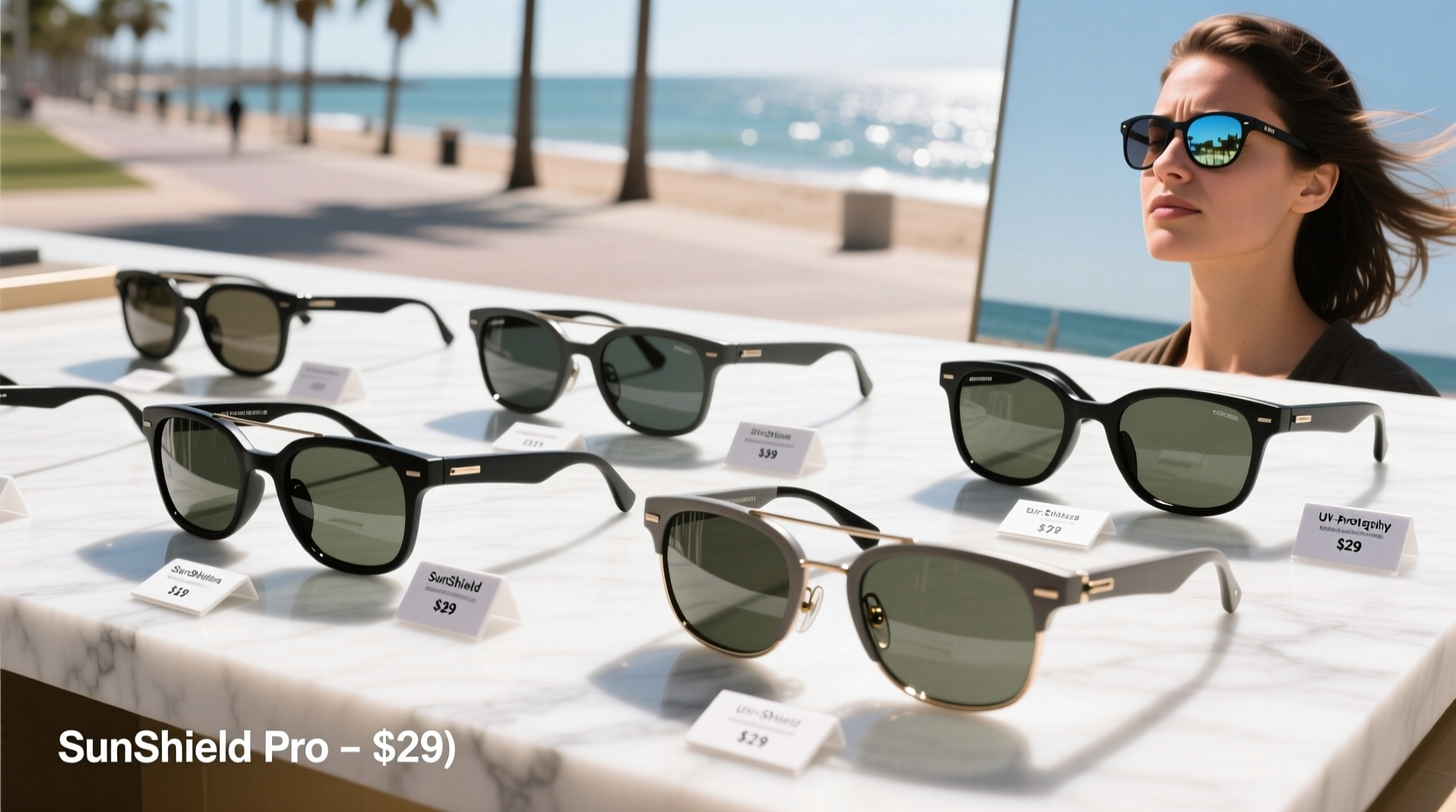
Polarization refers to a special filter embedded in the lens that blocks intense reflected light, especially from flat surfaces like water, snow, or asphalt. This reduces glare significantly, improving visual comfort and clarity. While not all sunglasses are polarized, those that are make a noticeable difference during driving, fishing, hiking, or beach outings.
According to the American Optometric Association, prolonged exposure to glare can cause eye strain, headaches, and even temporary vision impairment. Polarized lenses help mitigate these issues while enhancing contrast and color perception. Combined with UV400 protection—which blocks 99–100% of UVA and UVB rays—they form a critical part of daily eye health.
“Polarized lenses aren’t just about comfort—they play a preventive role in protecting retinal health over time.” — Dr. Lena Torres, Optometrist and Vision Research Specialist
Top 5 Affordable Polarized Sunglasses That Deliver Quality
You don’t need to spend hundreds to get effective polarized sunglasses. These five models have earned strong reputations for durability, optical performance, and consistent customer satisfaction—all priced under $45.
| Model | Price Range | Lens Type | UV Protection | Frame Material |
|---|---|---|---|---|
| Rai-Baan Classic RB-03 | $28–$35 | Polarized TAC | UV400 | TR90 Nylon |
| Goodr OG Ginkgo | $35 | Polarized Polycarbonate | UV400 | Flexible Rubber |
| AmazonBasics Polarized Aviator | $18–$22 | Glass Polarized | UV400 | Metal Alloy |
| Coral Coast Classic Wayfarer | $25 | Polarized Resin | UV400 | Acetate |
| Wiley X Valor – Junior Fit | $45 | Polarized Polycarbonate | UV400 + ANSI Z87.1 Rated | Durable Composite |
- Rai-Baan RB-03: Lightweight and stylish, ideal for everyday wear. TR90 frames resist bending and suit active lifestyles.
- Goodr OG Ginkgo: Designed for runners and outdoor athletes. Non-slip rubber frame stays put during movement.
- AmazonBasics Aviator: One of the few budget options with glass polarized lenses—sharper optics and scratch resistance.
- Coral Coast Wayfarer: Timeless design with acetate build for a premium feel at a fraction of the cost.
- Wiley X Valor: Safety-rated lenses offer superior impact resistance—great for cycling, motor sports, or rugged use.
How to Spot Quality in Budget Polarized Sunglasses
Not all “polarized” labels are trustworthy. Some low-cost models use cheap resin lenses with weak filters or inconsistent coatings. To ensure you're getting real value, focus on three core elements: lens material, frame durability, and optical accuracy.
- Lens Clarity: Hold the glasses at arm’s length and look through them at a straight line (like a doorframe). Slowly move the glasses side to side. If the line distorts or wavers, the lenses are poorly made.
- Frame Flexibility: TR90 nylon or rubber-based frames typically outlast rigid plastic. They bend without breaking and adapt comfortably to facial contours.
- Coating Quality: Look for anti-reflective and hydrophobic coatings. These reduce internal glare and repel water, improving visibility in rain or humidity.
Avoid models labeled “polarized film” inserts—these degrade faster and often delaminate over time. True polarized lenses integrate the filter between layers of polycarbonate or TAC (Tri-Acetate Cellulose), offering longer-lasting performance.
Real-World Example: A Commuter’s Upgrade on a Budget
Mark, a delivery driver in Phoenix, spent years using $10 gas station sunglasses. He frequently experienced eye fatigue and difficulty seeing dashboard details due to road glare. After reading reviews, he invested $32 in a pair of Rai-Baan RB-03 polarized sunglasses.
Within days, he noticed less squinting and sharper depth perception on bright highways. After six months of daily use—exposure to heat, dust, and frequent removal—the lenses remained scratch-free and the hinges intact. “I used to replace cheap shades every two months,” he said. “These have lasted longer than any pair I’ve owned, even ones that cost three times as much.”
His experience reflects a growing trend: functional, well-built sunglasses no longer require designer branding or luxury pricing.
Buying Checklist: How to Choose the Best Value Polarized Sunglasses
Before purchasing, run through this practical checklist to avoid disappointment:
- ✅ Confirmed UV400 protection (not just “UV resistant”)
- ✅ True polarization (verified via reflection test or brand specs)
- ✅ Lens material: polycarbonate, TAC, or glass (avoid basic plastic)
- ✅ Frame fit: snug but not tight; no pressure on temples
- ✅ Warranty or return policy (especially for online purchases)
- ✅ Independent customer reviews with photos and long-term feedback
- ✅ Minimal distortion when scanning across horizontal lines
Frequently Asked Questions
Do affordable polarized sunglasses really block UV rays?
Yes—many budget models include UV400 protection, which is the industry standard for blocking harmful UVA and UVB radiation. Always check product specifications to confirm; reputable brands list this clearly.
Can polarization be added to regular sunglasses later?
No. Polarization is built into the lens during manufacturing. You cannot retrofit non-polarized lenses with a polarization filter without replacing the entire lens.
Are glass polarized lenses better than plastic?
Glass offers superior optical clarity and scratch resistance, but it’s heavier and more prone to shattering. For active use, polycarbonate is often safer and more comfortable. For casual wear, glass can provide a crisper view.
Final Thoughts: Smart Choices Don’t Require Big Spending
The best polarized sunglasses aren’t always the most expensive. Advances in materials and direct-to-consumer business models have disrupted the eyewear market, making high-performance options accessible to everyone. Whether you're biking through mountain trails, driving long distances, or simply enjoying a sunny afternoon, you deserve clear, comfortable vision without overspending.
By focusing on verified features—not logos—you can find polarized sunglasses that protect your eyes, withstand daily wear, and look great doing it. The models highlighted here prove that quality, affordability, and function can coexist.
🚀 Ready to upgrade your sun protection? Pick one of the recommended models, test it in real conditions, and experience the difference polarization makes. Share your favorite budget find in the comments below!








