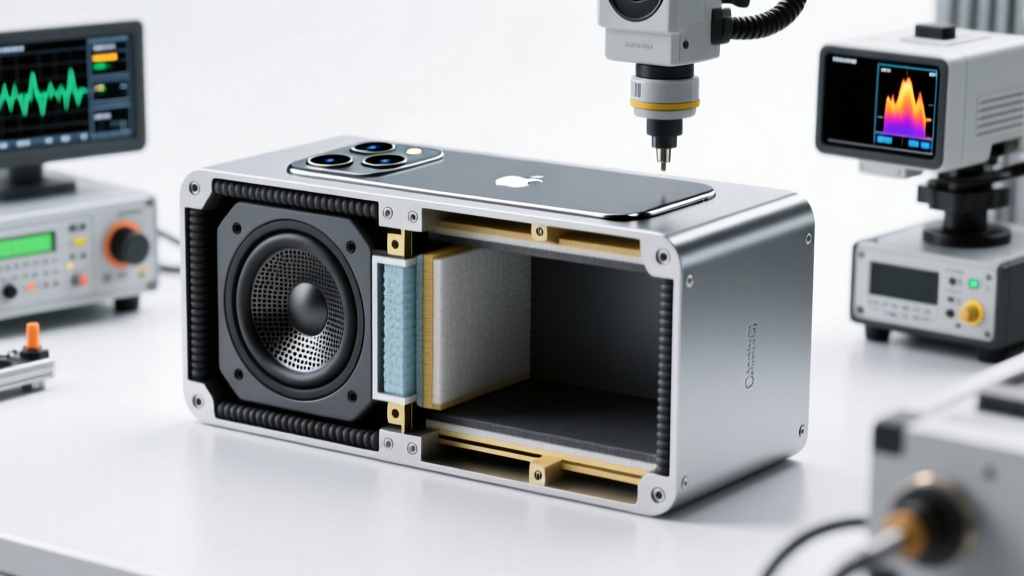
Types of Test Equipment Corporation
A Test Equipment Corporation specializes in manufacturing and supplying advanced tools and systems used to evaluate the performance, safety, and reliability of various products and systems across industries. These companies offer a wide range of testing solutions tailored for electronic, mechanical, material, pressure, and software applications. Understanding the different types of test equipment helps engineers, technicians, and quality assurance professionals select the right tools for their specific needs.
Electrical Testing Equipment
Used to measure, analyze, and diagnose electrical and electronic systems by evaluating parameters such as voltage, current, resistance, frequency, and signal integrity.
Key Features
- High precision measurements
- Real-time signal visualization
- Wide frequency range analysis
- Digital and analog compatibility
Considerations
- Requires skilled operators
- Sensitive to electromagnetic interference
- Calibration needed regularly
Common Tools: Multimeters, oscilloscopes, spectrum analyzers, function generators, LCR meters
Applications: Circuit design, PCB testing, telecommunications, R&D labs, field service diagnostics
Mechanical Testing Equipment
Designed to assess the physical strength, durability, and performance of components and materials under mechanical stress, including tension, compression, bending, and fatigue.
Key Features
- High load capacity testing
- Precise force and displacement control
- Durable construction for industrial use
- Real-time data logging and analysis
Considerations
- Bulky and space-intensive
- High initial investment
- Requires safety protocols
Common Tools: Universal testing machines, hardness testers, fatigue testers, impact testers
Applications: Automotive, aerospace, construction, manufacturing QA, material certification
Material Testing Equipment
Used in laboratories to evaluate the chemical, thermal, and structural properties of materials such as metals, polymers, composites, and ceramics under various environmental conditions.
Key Features
- Comprehensive material analysis
- Controlled environmental testing (temp, humidity)
- Corrosion and wear resistance evaluation
- Compliance with international standards (ASTM, ISO)
Considerations
- Time-consuming test cycles
- Specialized training required
- High maintenance of test chambers
Common Tools: Environmental chambers, tensile testers, microscopes, spectrometers, corrosion testers
Applications: Metallurgy, polymer science, quality control, product development, regulatory compliance
Pressure Testing Equipment
Essential for verifying the structural integrity and leak-tightness of pressure vessels, pipelines, valves, and tanks used in high-pressure industrial systems.
Key Features
- High-pressure tolerance (up to thousands of PSI)
- Leak detection capabilities
- Hydrostatic and pneumatic testing options
- Safety interlocks and monitoring systems
Considerations
- Requires strict safety procedures
- Heavy-duty setup and anchoring
- Regular inspection and certification needed
Common Tools: Pressure gauges, hydrostatic test pumps, pneumatic test rigs, burst testers
Applications: Oil & gas, chemical processing, HVAC, water treatment, pipeline safety
Software Testing Equipment
Encompasses hardware and software tools that automate, monitor, and validate the functionality, performance, security, and reliability of software applications.
Key Features
- Automated test execution
- Code coverage and bug tracking
- Performance and load testing
- Integration with CI/CD pipelines
Considerations
- Requires programming knowledge
- Initial setup can be complex
- Ongoing updates and licensing costs
Common Tools: Selenium, JUnit, Postman, LoadRunner, static code analyzers
Applications: Software development, QA automation, cybersecurity testing, mobile app validation, enterprise system verification
| Type | Primary Function | Key Industries | Testing Environment | Typical Use Case |
|---|---|---|---|---|
| Electrical Testing | Signal and circuit analysis | Electronics, Telecom, R&D | Laboratory, Field | Diagnosing faulty PCBs |
| Mechanical Testing | Strength and durability assessment | Automotive, Aerospace, Manufacturing | Industrial, Lab | Tensile strength of steel |
| Material Testing | Composition and behavior analysis | Metallurgy, Polymers, Construction | Laboratory | Corrosion resistance of alloys |
| Pressure Testing | Integrity and leak detection | Oil & Gas, Chemical, Utilities | Field, Plant | Pipeline hydrostatic test |
| Software Testing | Bug detection and performance validation | IT, Software, Cybersecurity | Virtual, Cloud, DevOps | Automated regression testing |
Expert Tip: When selecting test equipment, always verify compliance with industry standards (such as ISO, ASTM, or IEC) and ensure the equipment is calibrated regularly to maintain accuracy and reliability in your testing processes.
Industries Served by Test Equipment Corporations
Test equipment corporations play a pivotal role in ensuring quality, safety, and innovation across a wide range of industries. From automotive engineering to pharmaceutical development, advanced testing technologies enable organizations to meet rigorous performance standards, comply with regulations, and bring reliable products to market. This guide explores key industries that rely on specialized test equipment for research, development, manufacturing, and compliance.
Automotive Industry
The automotive sector is one of the largest consumers of test equipment, utilizing mechanical, electronic, and non-destructive testing (NDT) systems throughout the vehicle lifecycle. During R&D and production, engineers use mechanical test equipment—such as tensile testers and impact machines—to evaluate the structural integrity of chassis, frames, and safety components, directly enhancing occupant protection.
Non-destructive testing methods like ultrasonic and X-ray inspection are employed to detect internal flaws in critical components such as engines, transmissions, and braking systems without causing damage. Additionally, electronic test equipment verifies the functionality of onboard computers, sensors, and infotainment systems, ensuring that modern vehicles operate reliably under diverse conditions. As electric and autonomous vehicles advance, the demand for precision testing in battery performance, software validation, and sensor integration continues to grow.
Aerospace Industry
The aerospace industry operates under extreme safety and performance requirements, making test equipment indispensable for material qualification, component validation, and system reliability. Mechanical testing equipment—including fatigue testers, tensile testers, and vibration shakers—simulates the intense stresses experienced during flight, such as thermal cycling, pressure differentials, and mechanical loading.
These tests ensure that materials like titanium alloys, composites, and high-strength steels maintain structural integrity over thousands of flight cycles. Pressure testing equipment validates the durability of fuel tanks, hydraulic systems, and cabin structures under high-altitude conditions. Given the zero-tolerance for failure in aviation, the precision, repeatability, and traceability of test data are paramount. Advanced software-driven test systems also support certification processes, enabling compliance with FAA, EASA, and other regulatory standards.
Oil and Gas Industry
In the oil and gas sector, safety and operational continuity depend heavily on pressure testing and corrosion monitoring equipment. Pipelines, storage tanks, offshore platforms, and pressure vessels are routinely subjected to hydrostatic and pneumatic pressure tests to verify their ability to withstand extreme operating pressures and prevent catastrophic failures.
Leak detection systems and integrity testing help identify weaknesses before they lead to environmental hazards or operational downtime. Corrosion testers and monitoring tools—such as ultrasonic thickness gauges and electrochemical sensors—play a crucial role in predictive maintenance by detecting early signs of material degradation caused by exposure to harsh chemicals, moisture, and high temperatures. By enabling proactive repairs and extending equipment lifespan, these testing solutions significantly improve safety, reduce environmental risks, and enhance overall operational efficiency.
Manufacturing Industry
Modern manufacturing relies on a comprehensive suite of electrical, mechanical, and materials test equipment to ensure consistent product quality and process efficiency. In electronics manufacturing, automated test equipment (ATE) and circuit testers verify the functionality of printed circuit boards (PCBs), microcontrollers, and embedded systems, minimizing defects and ensuring device reliability.
Mechanical testing—including hardness, tensile, and flexural strength assessments—ensures that raw materials and finished components meet design specifications. Materials testing laboratories use universal testing machines, impact testers, and fatigue analyzers to evaluate performance under real-world conditions. These capabilities are especially vital in R&D, where new materials and designs must be validated before mass production. Integration with quality management systems (e.g., ISO 9001) further ensures traceability, repeatability, and compliance with industry standards.
Pharmaceutical Industry
While less traditionally associated with physical test equipment, the pharmaceutical industry increasingly depends on specialized software-based testing tools and analytical instrumentation. Test equipment corporations provide software test platforms that simulate biological environments and patient interactions to assess drug efficacy, dosage response, and potential side effects during preclinical and clinical development.
Automated testing software helps validate laboratory information management systems (LIMS), electronic data capture (EDC) systems, and manufacturing control software, ensuring data integrity and compliance with FDA 21 CFR Part 11 and other regulatory frameworks. Code analyzers and static testing tools verify the correctness and security of software used in drug formulation, clinical trials, and production automation. These technologies enhance the accuracy of research, accelerate time-to-market, and safeguard public health by minimizing errors in critical pharmaceutical processes.
| Industry | Primary Test Equipment Used | Key Testing Objectives |
|---|---|---|
| Automotive | Mechanical testers, NDT systems, electronic test sets | Safety validation, component reliability, electronic system functionality |
| Aerospace | Fatigue testers, tensile testers, pressure testers, vibration systems | Structural integrity, material endurance, flight safety |
| Oil & Gas | Pressure test rigs, corrosion monitors, leak detectors | Equipment safety, leak prevention, longevity optimization |
| Manufacturing | Universal testers, ATE, hardness testers, PCB analyzers | Quality control, material compliance, production efficiency |
| Pharmaceutical | Software test platforms, code analyzers, simulation tools | Regulatory compliance, data integrity, drug efficacy prediction |
Note: Across all industries, the selection of appropriate test equipment must align with regulatory standards, environmental conditions, and operational goals. Investing in calibrated, reliable, and well-maintained testing systems not only ensures product quality but also mitigates risks, reduces downtime, and supports innovation. Partnering with experienced test equipment providers enables organizations to stay ahead of technological advancements and compliance requirements.
Test Equipment Corporation Product Specifications
Understanding the technical specifications of test equipment is essential for engineers, quality assurance professionals, and procurement teams to make informed purchasing decisions. High-quality testing instruments ensure accurate measurements, reliable data, and compliance with industry standards across electrical, mechanical, pressure, software, and material testing applications.
Electrical Testing Equipment
Electrical testing equipment is designed to measure, analyze, and validate the performance of electronic circuits and components. These instruments are fundamental in R&D, manufacturing, and maintenance environments.
- Multimeters: Measure voltage, current, resistance, continuity, and capacitance with high precision (typically ±0.1% to ±0.5% accuracy). Modern digital multimeters offer auto-ranging, data logging, and connectivity via USB or Bluetooth.
- Oscilloscopes: Visualize time-varying electrical signals with bandwidths ranging from 50 MHz (basic models) to over 1 GHz (high-end). Features include real-time sampling, FFT analysis, and protocol decoding (e.g., I2C, SPI).
- Spectrum Analyzers: Evaluate signal frequency content, distortion, and noise levels. Used in RF and wireless testing with frequency ranges up to 50 GHz in advanced models.
- Calibration Standards: Internal reference circuits ensure traceable accuracy to NIST or ISO standards, critical for compliance and certification.
Key Insight: Always verify input impedance, sampling rate, and calibration intervals when selecting electrical test gear for sensitive applications.
Mechanical Testing Equipment
Mechanical testing systems evaluate the physical properties of materials under stress, strain, and fatigue, providing critical data for structural integrity and safety assessments.
- Tensile Testing Machines: Equipped with precision load cells (accuracy ±0.5%) and adjustable crosshead speeds (0.001–50 mm/min). Grips are designed for metals, polymers, composites, and textiles.
- Hardness Testers: Use standardized methods (Rockwell, Brinell, Vickers) to measure resistance to indentation. Digital models offer automated indentation and image analysis.
- Fatigue Testers: Simulate millions of load cycles using servo-hydraulic or electromagnetic actuators. Ideal for aerospace, automotive, and medical device testing.
- Data Acquisition: Integrated software captures real-time stress-strain curves, elongation, and modulus of elasticity.
Pro Tip: Match grip type and load capacity to the material’s expected breaking point to avoid slippage or premature failure.
Pressure Testing Equipment
Pressure testing instruments ensure the safety and reliability of pipelines, pressure vessels, valves, and hydraulic systems by simulating operational or extreme conditions.
- Pressure Transducers & Sensors: Provide high-accuracy readings (±0.05% to ±0.25% FS) across ranges from vacuum to 100,000 psi. Constructed with stainless steel or titanium for corrosion resistance.
- Pneumatic Test Systems: Use compressed air with precision regulators, solenoid valves, and leak detection sensors. Ideal for testing gas lines, HVAC components, and pneumatic actuators.
- Hydrostatic Test Benches: Employ high-pressure water pumps (up to 15,000 psi) with safety interlocks and data recording. Used in oil & gas, fire protection, and industrial plumbing.
- Leak Detection: Integrated differential pressure sensors or bubble testing methods identify micro-leaks in sealed systems.
Critical Note: Always follow ASME, API, or ISO pressure testing protocols to ensure regulatory compliance and operator safety.
Software Testing Equipment
Modern software testing platforms combine hardware and software to automate functional, performance, and security testing of applications across embedded systems, enterprise software, and IoT devices.
- Automated Test Frameworks: Support scriptable test case execution with support for Python, JavaScript, or proprietary languages. Integrate with CI/CD pipelines (e.g., Jenkins, GitLab).
- Simulation Modules: Emulate user interactions, network conditions, and hardware interfaces to test edge cases and failure modes.
- Performance Analyzers: Monitor CPU usage, memory leaks, response times, and concurrency handling under load (e.g., 1,000+ virtual users).
- Modular Architecture: Scalable systems allow expansion for larger test suites or integration with third-party tools like JIRA or Selenium.
Best Practice: Use equipment with built-in reporting dashboards to streamline QA documentation and compliance audits.
Material Testing Equipment
Material testing instruments provide comprehensive analysis of physical, thermal, and chemical properties, enabling quality control and material development in research and production.
- Thermomechanical Analyzers (TMA): Measure dimensional changes under temperature variation (e.g., expansion, softening). Temperature ranges from -150°C to 600°C with micron-level displacement sensors.
- Differential Scanning Calorimeters (DSC): Analyze phase transitions, melting points, and curing reactions by measuring heat flow differences.
- Spectrometers: Use optical emission, XRF, or FTIR techniques to determine elemental or molecular composition with ppm-level detection limits.
- Environmental Chambers: Combine thermal, humidity, and mechanical stress testing to simulate real-world aging and degradation.
Technical Advantage: Advanced systems offer multi-modal testing (e.g., simultaneous thermal and mechanical loading) for realistic material behavior modeling.
Selection & Application Guidance
Choosing the right test equipment requires matching technical capabilities to application needs, regulatory standards, and long-term usability.
- Accuracy & Repeatability: Look for certified calibration and documented uncertainty values to ensure reliable results.
- Compliance: Ensure equipment meets relevant standards (e.g., ASTM, ISO, MIL-STD) for your industry.
- Software Integration: Opt for systems with API access or exportable data formats (CSV, XML) for seamless reporting.
- Support & Training: Reputable manufacturers offer technical support, training, and extended warranties (2–5 years).
- Scalability: Modular designs allow future upgrades without full system replacement.
Smart Investment: Prioritize equipment with remote monitoring and predictive maintenance features to reduce downtime.
Expert Recommendation: When evaluating test equipment, consider total cost of ownership—not just purchase price. Factor in calibration costs, software updates, consumables (e.g., grips, probes), and technician training. For mission-critical applications, invest in premium-tier equipment from established brands with proven track records in accuracy and durability.
| Equipment Type | Key Parameters | Typical Accuracy | Common Applications |
|---|---|---|---|
| Electrical Testers | Voltage, Current, Frequency, Impedance | ±0.1% – ±0.5% | Circuit Design, Field Service, Calibration Labs |
| Mechanical Testers | Load, Displacement, Strain, Speed | ±0.5% FS | Materials Research, Quality Control, Aerospace |
| Pressure Testers | Pressure Range, Leak Rate, Hold Time | ±0.05% – ±0.25% FS | Pipelines, Valves, Pressure Vessels |
| Software Test Systems | Test Coverage, Execution Speed, Bug Detection | Configurable via Scripts | Embedded Systems, Web Apps, IoT Devices |
| Material Analyzers | Temperature, Composition, Deformation | ±0.1°C – ppm Level | R&D, Polymer Science, Metallurgy |
Additional Considerations for Buyers
- Calibration Certificates: Always request NIST-traceable or ISO 17025-accredited calibration documentation.
- Environmental Tolerance: Verify operating temperature, humidity, and EMI resistance for field or industrial use.
- User Interface: Touchscreen displays and intuitive software reduce training time and operator error.
- Data Security: For regulated industries, ensure audit trails, user access controls, and encrypted data storage.
- Sustainability: Energy-efficient models and recyclable components support ESG goals.
How To Choose the Right Test Equipment Corporation: A Comprehensive Buyer’s Guide
Selecting the right test equipment corporation is a strategic decision that directly impacts the accuracy, reliability, and efficiency of your testing processes. Whether you're outfitting a research lab, manufacturing facility, or quality assurance department, making an informed choice ensures long-term value and operational success. This guide outlines the key factors to consider when evaluating test equipment suppliers and purchasing instruments such as mechanical, electrical, and software testing kits.
Important Note: Test equipment is a critical component in ensuring product safety, compliance, and performance. Investing time in selecting the right supplier and equipment can prevent costly errors, downtime, and non-compliance with industry standards.
Key Factors to Consider When Choosing a Test Equipment Corporation
- Budget and Total Cost of Ownership
Your financial constraints play a pivotal role in determining the scope and quality of test equipment you can acquire. While initial cost is important, also consider the total cost of ownership—including maintenance, calibration, software updates, and potential downtime.
- Low to Mid-Range Budget: Consider certified pre-owned or refurbished equipment from reputable suppliers. These often come with warranties and perform nearly as well as new units at a fraction of the cost.
- High Budget: Opt for brand-new, OEM (Original Equipment Manufacturer) systems with full support, customization options, and integration capabilities. Premium budgets allow access to cutting-edge technology and dedicated technical service.
- Always request detailed quotes and compare leasing vs. purchasing options for long-term flexibility.
- Brand Reputation and Reliability
The difference between generic store brands and established manufacturers is significant. Trusted brands invest heavily in R&D, adhere to international quality standards (e.g., ISO, CE, NIST), and offer superior customer support.
- Look for brands known for durability, precision, and innovation—such as Keysight, Fluke, Tektronix, or National Instruments.
- Check for certifications and compliance with industry-specific regulations (e.g., MIL-STD for defense, FDA for medical devices).
- Consider the availability of firmware updates, spare parts, and technical documentation.
- Well-established brands typically offer comprehensive after-sales services, including repair, calibration, and training programs.
- Distribution Channels and Supply Chain Efficiency
The way equipment is delivered affects lead times, costs, and logistical convenience—especially for bulk orders or global operations.
- Direct from Manufacturer: Often offers the best pricing and direct technical support but may require larger minimum orders.
- Online Marketplaces (e.g., Alibaba, Amazon Business): Provide access to a wide range of suppliers and competitive pricing, but vet sellers carefully for authenticity and service quality.
- Authorized Distributors: Offer localized support, faster delivery, and assistance with compliance and installation—ideal for businesses needing prompt service and regional accountability.
- For international procurement, assess shipping times, import duties, and warranty coverage across regions.
- Intended Usage and Application Requirements
Understanding your specific testing needs ensures you select equipment tailored to your industry and operational demands.
- Mechanical Testing: Used in materials science, aerospace, and automotive sectors for tensile, compression, and fatigue testing. Look for load capacity, accuracy, and data logging features.
- Electrical Testing: Essential in electronics manufacturing and power systems. Instruments like multimeters, oscilloscopes, and insulation testers must match voltage/current requirements and safety ratings (e.g., CAT III/IV).
- Software and Functional Testing: Critical in IT, telecommunications, and embedded systems. Prioritize compatibility with existing platforms, automation capabilities, and API support.
- Industry-Specific Examples: Pressure test tools are widely used in pharmaceuticals (for sterilization validation) and pipeline industries (for integrity testing). Choose equipment with appropriate environmental ratings and regulatory compliance.
- Product Specifications and Technical Performance
Detailed evaluation of technical specifications ensures the equipment meets your precision, durability, and functionality requirements.
- Review key specs such as measurement range, resolution, accuracy, repeatability, and response time.
- Assess build quality—materials like ruggedized casings, corrosion-resistant components, and IP ratings for dust/water resistance enhance longevity in harsh environments.
- Prioritize instruments with modern features: touchscreen interfaces, wireless connectivity (Bluetooth/Wi-Fi), cloud data integration, and real-time analytics.
- Consult user reviews, third-party test reports, and industry forums to identify common issues or reliability concerns.
- Verify calibration standards and whether the device comes with a certificate traceable to NIST or other recognized bodies.
| Selection Factor | Key Evaluation Criteria | Risks of Poor Selection | Recommended Actions |
|---|---|---|---|
| Budget | Total cost of ownership, warranty, resale value | Underperforming equipment, frequent repairs | Compare leasing vs. buying; explore refurbished options |
| Brand | Reputation, R&D investment, customer support | Short lifespan, lack of updates, poor service | Choose ISO-certified, industry-recognized brands |
| Distribution | Delivery speed, local support, import logistics | Delays, warranty voids, communication gaps | Use authorized distributors or direct OEM channels |
| Usage | Industry compliance, environmental conditions | Incompatible tools, safety hazards | Match equipment to application and standards |
| Specifications | Accuracy, durability, smart features | Inaccurate results, downtime, obsolescence | Verify specs with test data and user feedback |
Expert Tip: Always request a product demonstration or trial period when possible. Hands-on evaluation allows you to assess usability, software interface, and integration with your existing systems before committing to a purchase.
Additional Recommendations for Long-Term Success
- Maintain a relationship with your supplier for ongoing technical support and upgrade notifications.
- Schedule regular calibration and preventive maintenance to ensure consistent accuracy.
- Train staff on proper operation and safety protocols to extend equipment life and reduce errors.
- Keep detailed records of purchases, calibrations, and service history for audit and compliance purposes.
- Stay updated on emerging technologies—such as AI-driven diagnostics and IoT-enabled test devices—that can enhance your testing capabilities.
Choosing the right test equipment corporation goes beyond price and product listings. It involves a thorough understanding of your technical needs, operational environment, and long-term goals. By carefully evaluating budget, brand credibility, distribution efficiency, application fit, and technical specifications, you can make a confident, future-proof investment that supports precision, safety, and innovation across your organization.
Questions & Answers: Testing Equipment Insights
Q. What kind of problems does software testing equipment discover?Software testing tools are essential for identifying a wide range of issues that could compromise the functionality, performance, and security of an application. These tools go beyond simple error detection and help ensure a high-quality end product.
- Functional Defects: Broken features, incorrect logic, or unmet requirements that prevent the software from working as intended.
- Performance Bottlenecks: Slow response times, high latency, or system crashes under load, which affect user experience and scalability.
- Security Vulnerabilities: Exposed endpoints, weak authentication, or code susceptible to attacks like SQL injection and cross-site scripting (XSS).
- Memory Issues: Memory leaks, inefficient allocation, or buffer overflows that can degrade performance or cause crashes over time.
- Code Quality: Tools can analyze code complexity, duplication, and adherence to best practices, promoting maintainability and reducing technical debt.
- User Experience (UX) Flaws: Poor interface design, inconsistent navigation, or accessibility issues that impact usability and customer satisfaction.
By systematically detecting these issues early in the development cycle, software testing equipment supports faster debugging, reduces long-term maintenance costs, and enhances overall product reliability and user trust.
Q. What is the lifetime of mechanical testing kits?The operational lifespan of mechanical testing equipment typically ranges from 3 to 10 years, depending on several critical factors:
- Frequency of Use: Equipment used daily in industrial environments may wear out faster than those used occasionally in labs.
- Type of Testing: High-stress applications like tensile, compression, or impact testing place greater mechanical strain on components.
- Environmental Conditions: Exposure to dust, moisture, extreme temperatures, or corrosive substances can accelerate degradation.
- Maintenance Practices: Regular cleaning, lubrication, and inspection significantly extend equipment life and maintain accuracy.
Wear-prone parts—such as load cells, grips, seals, and sensors—should be monitored and replaced as needed. Additionally, routine calibration is crucial to ensure measurement precision and compliance with industry standards (e.g., ISO, ASTM). Without proper calibration, even functional equipment can produce unreliable results, effectively shortening its useful life.
Q. Are there things that can be done to prolong the lifetime of mechanical test equipment?Yes, implementing a proactive care strategy can dramatically extend the service life and reliability of mechanical testing equipment. Consider the following best practices:
- Proper Handling: Train operators to use equipment according to manufacturer guidelines, avoiding overloading or misuse.
- Scheduled Maintenance: Follow a preventive maintenance schedule for lubrication, inspection, and part replacement.
- Clean Storage: Store equipment in a dry, temperature-controlled environment free from dust, chemicals, and physical damage.
- Regular Calibration: Calibrate instruments at recommended intervals to maintain accuracy and traceability to national or international standards.
- Protect from Harsh Conditions: Avoid exposing equipment to extreme heat, humidity, vibration, or corrosive agents.
- Use Protective Covers: When not in use, cover sensitive components to prevent contamination or accidental damage.
By treating test equipment as a long-term investment, organizations can reduce downtime, avoid costly repairs, and ensure consistent, trustworthy test data over time.
Q. What factors should be considered when choosing a test kit online?Selecting the right testing equipment online requires careful evaluation to ensure it meets technical, operational, and budgetary needs. Key considerations include:
| Factor | Description |
|---|---|
| Budget | Determine your financial limits while balancing cost with quality and long-term value. |
| Brand Reputation | Choose trusted manufacturers known for reliability, accuracy, and responsive customer support. |
| Distribution & Support | Ensure the seller offers warranties, technical assistance, spare parts, and local service options. |
| Expected Usage | Match the equipment’s capacity and durability to your testing frequency and application demands. |
| Technical Specifications | Verify compatibility with required standards (e.g., ASTM, ISO), measurement range, precision, and connectivity options (e.g., USB, Bluetooth). |
| User Reviews & Ratings | Check feedback from other professionals to gauge real-world performance and reliability. |
Making informed decisions based on these factors helps avoid costly mistakes, ensures regulatory compliance, and improves testing efficiency and data integrity.
Q. Are there any ways to encourage people to use more non-destructive testing (NDT) equipment?Yes, increasing adoption of non-destructive testing (NDT) methods requires targeted education, demonstration of value, and industry engagement. Effective strategies include:
- Industry Awareness Campaigns: Highlight the cost-efficiency, safety benefits, and material preservation advantages of NDT in sectors like aerospace, automotive, construction, and energy.
- Training Workshops & Seminars: Offer hands-on sessions to teach professionals how to use ultrasonic, radiographic, magnetic particle, and eddy current testing equipment effectively.
- Case Studies & Success Stories: Share real-world examples where NDT prevented failures, reduced downtime, or saved costs compared to destructive methods.
- Partnerships with Certification Bodies: Promote NDT training and certification programs to build a skilled workforce and standardize practices.
- Government & Regulatory Incentives: Advocate for policies that mandate or reward the use of NDT in critical infrastructure inspections.
- Demonstration Units & Trials: Allow companies to test NDT equipment on-site to experience its benefits firsthand.
By emphasizing safety, sustainability, and long-term savings, stakeholders can drive wider acceptance and integration of non-destructive testing across industries.
Q. What does a multimeter do?A multimeter is a versatile electronic test instrument used to measure multiple electrical parameters, making it an indispensable tool for electricians, engineers, and technicians. It combines several measurement functions into a single device, typically including:
- Voltage (AC/DC): Measures electrical potential difference across components or circuits.
- Current (AC/DC): Measures the flow of electric charge through a circuit, usually in milliamps or amps.
- Resistance: Determines the opposition to current flow in a component, useful for checking continuity and identifying faulty connections.
- Additional Features: Many modern multimeters also measure capacitance, frequency, temperature, and perform diode and transistor tests.
Multimeters come in analog (with a needle display) and digital (with an LCD screen) forms, with digital models being more common due to their precision and ease of use. They are essential for troubleshooting electrical systems, validating circuit designs, performing field diagnostics, and ensuring safety during maintenance work. Whether in a lab, workshop, or on-site, a multimeter serves as a fundamental diagnostic tool in electronics and electrical engineering.