
When shopping for wireless earbuds, Samsung’s Galaxy Buds series stands out for its balanced sound, seamless integration with Android devices, and consistent engineering. But as demand grows, so does the market for counterfeit versions—cheap replicas that mimic the look of genuine models at a fraction of the price. While they may seem like a bargain, these knockoffs often deliver far more than just savings: compromised audio, erratic performance, and potential safety risks. The most critical casualty? Sound quality.
The difference between authentic Samsung earbuds and their counterfeit counterparts isn’t just about branding or app support—it’s rooted in acoustics, materials, and precision tuning. Understanding how deeply knockoffs degrade the listening experience helps explain why many users report disappointment after switching to cheaper alternatives.
How Genuine Samsung Earbuds Deliver Premium Audio
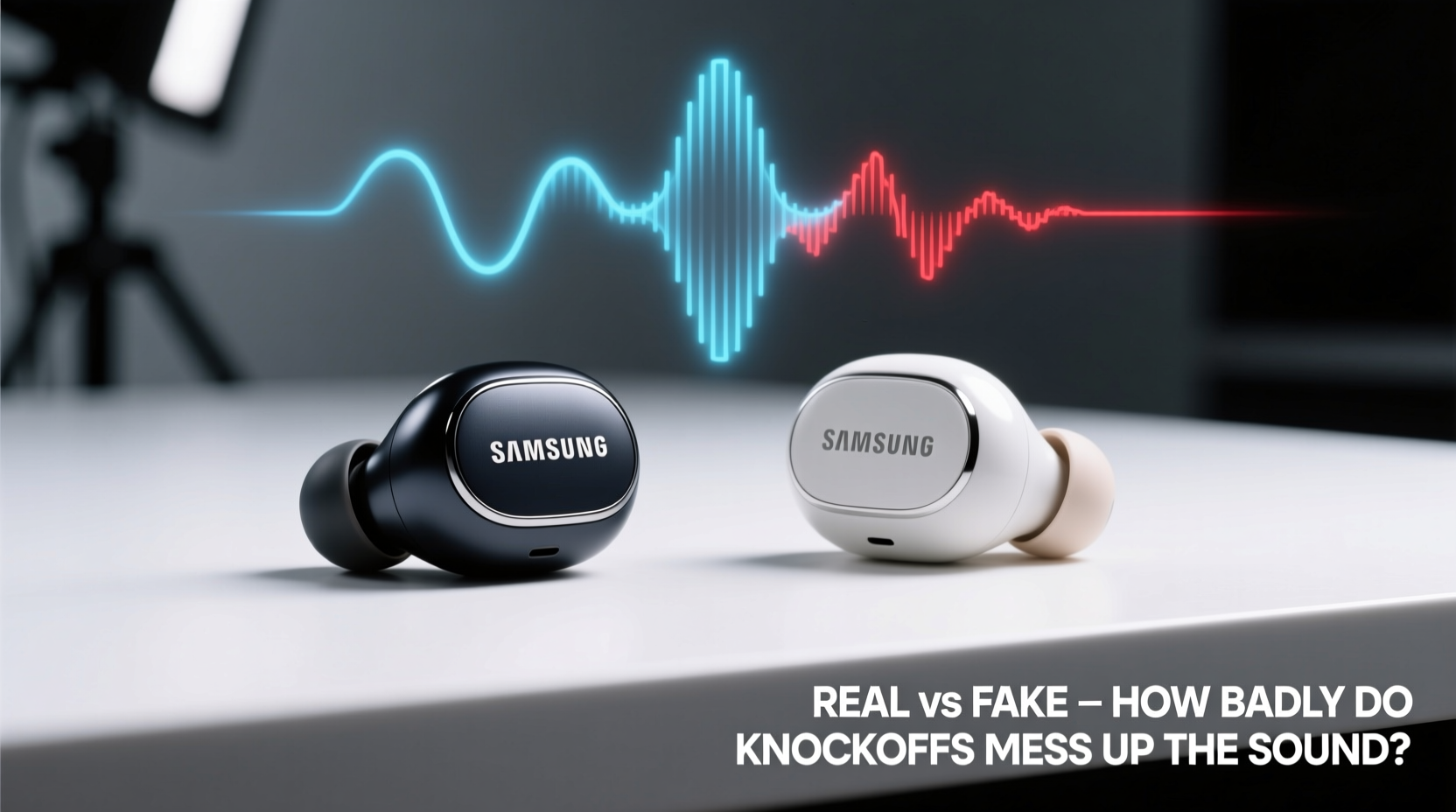
Samsung invests heavily in acoustic research and development. Models like the Galaxy Buds2 Pro feature 5mm two-way dynamic drivers, expertly tuned by AKG engineers—a legacy brand known for professional-grade audio equipment. These drivers separate bass and treble frequencies effectively, allowing for rich lows and crisp highs without muddiness.
In addition to hardware, Samsung uses software enhancements such as 24-bit HD audio support (with compatible devices), adaptive sound control, and EQ customization through the Galaxy Wearable app. This combination ensures that music adapts to your environment and personal preferences, preserving detail across genres.
Firmware updates further refine performance over time, addressing bugs and improving battery efficiency and audio clarity. This ecosystem of hardware, software, and ongoing support is absent in counterfeit versions.
The Audio Downgrade: What Happens in Fake Earbuds?
Counterfeit earbuds typically use low-cost, generic drivers—often single dynamic units under 6mm—that lack proper frequency separation. As a result, bass tends to overpower vocals, and high frequencies become tinny or distorted at moderate volumes. There’s no tuning process; instead, manufacturers rely on mass-produced components designed for volume, not fidelity.
Frequency response in fake models is often uneven. Testing has shown that many knockoffs peak sharply around 100–300 Hz (boosting artificial bass) while dropping off significantly above 8 kHz, which dulls cymbals, vocals, and instrumental detail. In contrast, genuine Galaxy Buds maintain a relatively flat curve across the audible spectrum, staying within ±3 dB variance—key for accurate sound reproduction.
Tip: If your earbuds make voices sound distant or muffled during calls, it's likely due to poor driver quality and mic placement—common in fakes.Build Quality and Fit: Silent Contributors to Sound
Sound isolation plays a major role in perceived audio quality. Genuine Samsung earbuds come with multiple ear tip sizes and ergonomic designs that create a secure seal in the ear canal. This passive noise isolation enhances bass response and prevents external sound from interfering.
Fake versions often use rigid, one-size-fits-all tips made from low-grade silicone. These fail to form a proper seal, leading to sound leakage and reduced bass impact. Users compensate by turning up the volume, which accelerates hearing fatigue and increases the risk of long-term auditory damage.
Additionally, inconsistent manufacturing means left and right earbuds in counterfeit sets may have mismatched output levels or latency, creating an unbalanced stereo image. You might notice one side sounding louder or delayed—something rarely seen in authentic models due to strict quality control.
Real-World Listening: A Case Study
Consider Mark, a commuter in Seoul who purchased a $25 replica of Galaxy Buds2 Pro online. Initially impressed by the packaging and Bluetooth pairing speed, he quickly noticed issues. During his morning podcast routine, host voices sounded hollow, lacking warmth. When he switched to jazz, the double bass was boomy but indistinct, and the saxophone lost its breathy texture.
After two weeks, the right bud began cutting out intermittently. He tested them against a friend’s genuine pair using the same track—Bill Evans’ “Waltz for Debby.” The difference was stark: the original buds revealed subtle piano harmonics and room ambiance, while the knockoffs flattened dynamics into a compressed, lifeless mix.
Mark returned the fakes and invested in authentic Buds. “I didn’t realize how much I was missing until I heard the real thing,” he said. “It wasn’t just louder—it was clearer, like someone opened a window in my head.”
“Audio fidelity isn’t just about specs—it’s about emotional connection to music. Knockoffs strip that away with poor transducers and zero tuning.” — Dr. Lena Park, Audio Engineer & Acoustics Researcher, Korea Institute of Science and Technology
Comparison Table: Original vs Fake Samsung Earbuds
| Feature | Genuine Samsung Earbuds | Fake Samsung Earbuds |
|---|---|---|
| Driver Type | Two-way dynamic (Buds2 Pro) or tuned single driver | Generic single dynamic driver |
| Frequency Response | 20Hz – 20kHz (flat, balanced curve) | Distorted peaks, weak highs (e.g., 100Hz–15kHz) |
| Noise Isolation | Excellent (multiple ear tip options) | Poor (rigid, ill-fitting tips) |
| Software Support | Galaxy Wearable app, EQ, firmware updates | No app, no updates |
| Mic Quality | Voice pickup optimization, ANC-aware mics | Muffled voice capture, background noise bleed |
| Battery Life Consistency | Advertised duration accurate | Often 30–50% shorter than claimed |
| Longevity | 2+ years with regular use | Frequent dropouts, failure within months |
How to Spot Fake Samsung Earbuds: A Quick Checklist
- Unrealistic pricing: If they’re selling for less than half the retail price, they’re likely fake.
- No Samsung logo on charging case interior: Authentic models have etched or printed branding.
- Lack of Galaxy Wearable app recognition: Fakes won’t appear in the official app or show firmware options.
- Poor Bluetooth stability: Frequent disconnects or audio lag during video playback.
- Plastic feel: Lightweight, hollow construction compared to the dense, premium finish of originals.
- Missing features: No ANC toggle, ambient sound mode, or touch controls beyond basic play/pause.
Frequently Asked Questions
Can fake earbuds damage my hearing?
Yes. Due to poor sound isolation and weak midrange clarity, users often increase volume to unsafe levels. Prolonged exposure above 85 dB can lead to noise-induced hearing loss. Additionally, inconsistent driver output may cause auditory strain.
Do fake Samsung earbuds work with Android phones?
They connect via Bluetooth, so basic functions like audio playback and calls usually work. However, they won’t support advanced features like seamless device switching, 24-bit audio, or precise battery level indicators in the phone’s UI.
Are there any safe third-party alternatives to Samsung earbuds?
Yes—brands like Anker Soundcore, OnePlus, and even Samsung’s own budget-friendly models (like Galaxy Buds FE) offer reliable sound and build quality without counterfeiting risks. Always buy from authorized retailers.
Conclusion: Why Sound Quality Matters Beyond Specs
Choosing between original and fake Samsung earbuds isn’t just about saving money—it’s about what you value in your daily listening. Music, podcasts, calls—they all shape your experience. Authentic earbuds are engineered to preserve nuance, deliver consistency, and last. Counterfeits sacrifice all three for short-term savings.
The degraded sound in knockoffs isn’t merely inconvenient; it alters how you perceive audio, flattening emotion and detail. Over time, this diminishes the joy of listening. Investing in genuine products supports innovation, safety standards, and fair labor practices—while ensuring you hear every note as intended.
🚀 Protect your ears and your experience. Stick to authorized sellers, verify packaging details, and never compromise on audio integrity. Share this guide to help others avoid the fake earbud trap.