Types of Mould Hose Connectors
A mould hose connector (also known as a hose nozzle or fitting) is a crucial component in fluid transfer systems, enabling secure and efficient connections between hoses and equipment. These connectors come in various designs and materials, each optimized for specific applications, pressure levels, and environmental conditions.
Choosing the right connector ensures leak-free performance, durability, and operational efficiency. Below is a detailed breakdown of the most common types of mould hose connectors used across residential, commercial, and industrial settings.
Standard Hose Connector
Basic, cost-effective connectors designed for everyday use in low to moderate pressure environments.
Advantages
- Simple and easy to use
- Affordable and widely available
- Compatible with most garden hoses
- Tool-free installation
Limitations
- Limited durability under high pressure
- Prone to cracking in extreme temperatures
- Not suitable for industrial applications
Best for: Home gardening, car washing, light-duty cleaning
Brass Hose Connector
Durable, corrosion-resistant fittings made from solid brass, ideal for heavy-duty and chemical-exposed environments.
Advantages
- High resistance to corrosion and rust
- Withstands high pressure and temperature fluctuations
- Long service life with minimal maintenance
- Suitable for use with fertilizers, detergents, and chemicals
Limitations
- Higher cost compared to plastic
- Heavier weight may affect portability
- Can develop verdigris over time if not maintained
Best for: Agricultural spraying, commercial cleaning, permanent installations
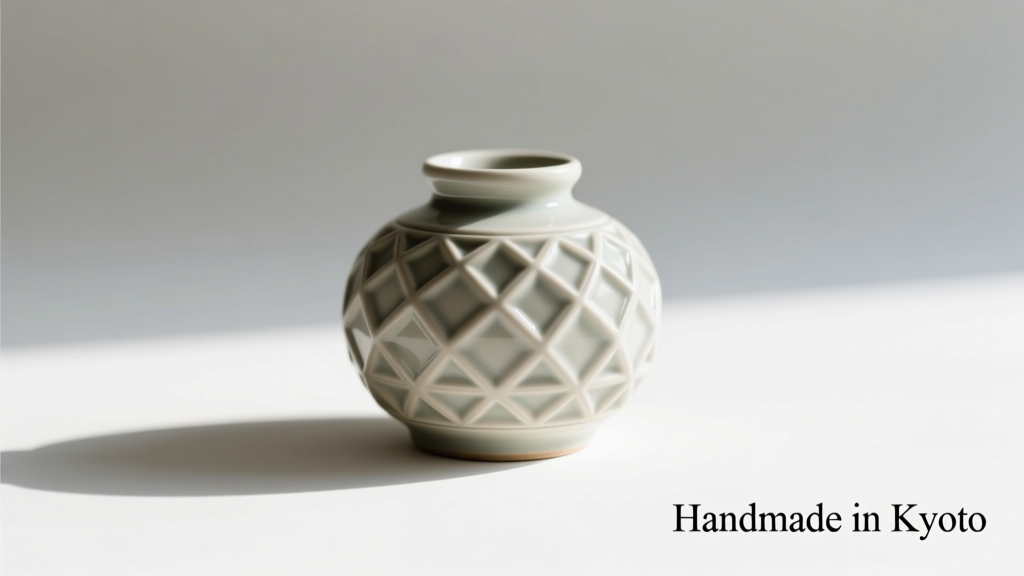
Ceramic Mould Hose Connector
Precision-engineered connectors made using ceramic moulding techniques, offering superior heat and abrasion resistance.
Advantages
- Exceptional resistance to high temperatures
- Highly durable in abrasive environments
- Maintains structural integrity under thermal stress
- Ideal for specialized industrial processes
Limitations
- Brittle and susceptible to impact damage
- Higher manufacturing and replacement cost
- Limited availability and specialized applications
Best for: Industrial ovens, chemical processing, high-temperature fluid transfer
Quick-Connect Hose Fittings
Designed for rapid attachment and detachment without tools, enhancing operational efficiency in dynamic environments.
Advantages
- Enables fast, tool-free connections
- Reduces downtime during equipment changes
- Secure locking mechanism prevents accidental disconnection
- Available in various sizes and materials
Limitations
- May require specific mating components
- Potential for leakage if seals degrade
- Slightly higher initial investment
Best for: Power washing, irrigation systems, fleet maintenance, pneumatic tools
Hose Barb Connectors
Features barbed ends that grip the inside of hoses, secured with clamps for a leak-proof seal in pneumatic and fluid systems.
Advantages
- Provides a strong, secure connection
- Resists hose pull-off under pressure
- Simple design with reliable performance
- Widely used in both internal and external hose applications
Limitations
- Requires hose clamps for optimal security
- Installation may damage softer hoses
- Not ideal for frequent disconnection
Best for: Pneumatic systems, fuel lines, air compressors, water transfer systems
| Type | Durability | Pressure Rating | Chemical Resistance | Best Application |
|---|---|---|---|---|
| Standard Plastic | Low to Medium | Low | Fair | Home gardening, light cleaning |
| Brass | High | High | Excellent | Chemical spraying, commercial use |
| Ceramic Mould | Very High | Very High | Excellent | Industrial heat/chemical processes |
| Quick-Connect | Medium to High | Medium to High | Good | Power washing, irrigation, maintenance |
| Hose Barb | Medium to High | Medium to High | Good to Excellent | Pneumatics, fuel lines, air systems |
Expert Tip: For optimal performance and longevity, always match the connector material to the application environment—use brass or ceramic for harsh chemicals and high temperatures, and reserve plastic connectors for light-duty, non-abrasive uses.
How to Choose the Right Mould Hose Connector: A Comprehensive Guide
Selecting the appropriate hose connector is crucial for ensuring efficient, safe, and leak-free operation across various applications—whether in industrial manufacturing, agriculture, irrigation, or home use. The right connector not only enhances system performance but also extends equipment lifespan and reduces maintenance costs. This guide explores the key factors to consider when choosing a mould hose connector, including material, size, pressure rating, ease of installation, and maintenance requirements.
1. Material: Matching Durability to Application
The material of a hose connector determines its resistance to corrosion, temperature extremes, chemical exposure, and mechanical stress. Choosing the correct material ensures long-term reliability under specific operating conditions.
Plastic (PVC/PP)
Ideal for light-duty applications such as garden hoses, indoor plumbing, or low-pressure systems. Plastic connectors are cost-effective, lightweight, and resistant to rust. However, they are less durable under high pressure or extreme temperatures and may degrade over time when exposed to UV radiation or aggressive chemicals.
Brass
A popular choice for medium to heavy-duty applications, including water supply lines, pressure washers, and pneumatic tools. Brass offers excellent strength, corrosion resistance, and thermal conductivity. It performs well in environments involving cutting, grinding, or heating processes. Some brass fittings are chrome-plated for added protection and aesthetic appeal.
Stainless Steel
Best suited for outdoor, marine, or high-moisture environments due to its superior resistance to rust and oxidation. Commonly used in firefighting equipment, irrigation systems, food processing, and chemical handling. Stainless steel connectors maintain integrity under high pressure and extreme temperatures, making them ideal for demanding industrial settings.
Ceramic
Used in specialized high-temperature or chemically aggressive environments, such as industrial ovens, semiconductor manufacturing, or laboratory setups. Ceramic connectors offer exceptional thermal stability and inertness, resisting degradation from acids, solvents, and heat. While more brittle than metal options, they provide unmatched performance where other materials fail.
2. Size and Compatibility: Ensuring a Secure, Leak-Free Fit
Proper sizing is essential for maintaining system efficiency and preventing leaks or pressure loss. A mismatch between the hose and connector can lead to reduced flow, system failure, or safety hazards.
- Diameter Match: Always ensure the inner diameter (ID) of the connector matches that of the hose. Undersized connectors restrict flow and increase pressure buildup, potentially damaging the system. Oversized connectors cause poor sealing and leakage.
- Thread Type: Confirm compatibility between thread standards (e.g., NPT, BSP, G-thread) used in your region or equipment. Mismatched threads can result in improper sealing or cross-threading.
- Equipment Integration: Verify that the connector is compatible with existing devices such as pressure washers, hose reels, pumps, or valves. Universal connectors with adapters can enhance flexibility across different systems.
3. Pressure Rating: Safety and System Integrity
The pressure rating indicates the maximum operating pressure a connector can safely handle. Exceeding this limit can lead to catastrophic failures, leaks, or injuries.
| Connector Material | Typical Pressure Range (PSI) | Recommended Applications |
|---|---|---|
| Plastic | 50 – 150 | Garden hoses, low-pressure irrigation |
| Brass | 200 – 600 | Pressure washers, compressed air systems |
| Stainless Steel | 600 – 1000+ | Firefighting, industrial hydraulics |
| Ceramic | 300 – 500 | High-temp chemical transfer |
Tip: Always select a connector with a pressure rating exceeding your system’s maximum operating pressure by at least 25% to account for pressure spikes and ensure long-term safety.
4. Ease of Installation: Efficiency and User-Friendliness
The installation process impacts both initial setup time and future maintenance. Connectors that are easy to install reduce labor costs and downtime.
- Quick-Connect Fittings: Allow tool-free attachment and detachment, ideal for systems requiring frequent changes (e.g., air tools, spray nozzles). These are user-friendly and minimize disruption during operations.
- Threaded Connectors: Require wrenches or sealants (like Teflon tape) but offer a more permanent and secure connection. Suitable for fixed installations where disconnection is rare.
- Barbed Fittings: Designed to be inserted into rubber or plastic hoses and secured with clamps. Easy to install but may require periodic tightening to prevent leaks.
- Welded or Flanged Connections: Used in high-pressure industrial systems. These require professional installation but provide maximum durability and leak resistance.
5. Maintenance Requirements: Longevity and Reliability
Different materials and designs have varying maintenance needs. Choosing a connector that aligns with your maintenance capabilities ensures consistent performance.
Low-Maintenance Options
Stainless steel and ceramic connectors require minimal upkeep due to their inherent resistance to corrosion and wear. They typically only need periodic visual inspections and cleaning to remove debris or mineral buildup.
Higher-Maintenance Options
Brass and barbed plastic connectors may require regular checks for leaks, tightening of connections, and replacement of worn O-rings or clamps. In hard-water areas, brass fittings may develop scale buildup and benefit from occasional descaling.
Regular inspection, cleaning, and timely replacement of worn parts help prevent unexpected failures and extend the service life of the entire hose system.
Important: Never exceed the manufacturer-specified pressure, temperature, or chemical compatibility limits of a hose connector. Using incompatible or underrated components can lead to leaks, equipment damage, or serious safety risks. Always consult product datasheets and follow installation guidelines to ensure optimal performance and compliance with safety standards.
What Makes a Mould Hose Connector Durable
Mould hose connectors are critical components in fluid transfer systems, especially in industrial, agricultural, and plumbing applications. Their durability directly impacts system reliability, safety, and maintenance costs. A high-quality connector must withstand mechanical stress, environmental exposure, and chemical interactions over time. Below are the key factors that determine the longevity and performance of mould hose connectors.
Materials and Construction
The foundation of a durable mould hose connector lies in its material composition and manufacturing process. Premium-grade materials such as stainless steel, brass, engineering-grade plastics (like nylon or PTFE), and advanced ceramics are commonly used due to their superior mechanical and chemical resistance properties.
- Stainless steel offers exceptional strength, corrosion resistance, and suitability for high-pressure and high-temperature environments.
- Brass provides excellent machinability, good thermal conductivity, and resistance to galvanic corrosion, making it ideal for water and gas applications.
- High-performance plastics are lightweight, non-corrosive, and resistant to a wide range of chemicals—perfect for aggressive media or food-grade systems.
- Integrated molding techniques eliminate weak joints by forming seamless bodies, significantly enhancing structural integrity and leak resistance.
Key insight: Monolithic or fused construction reduces failure points, ensuring long-term reliability under repeated stress cycles.
High-Quality Ceramic Moulding
Ceramic injection moulding (CIM) is a precision manufacturing process that produces connectors with exceptional dimensional accuracy and consistency. This method allows for complex geometries and ultra-thin walls while maintaining structural strength.
- Parts exhibit uniform cross-sections, minimizing stress concentrations that can lead to cracks or fatigue failure.
- Ceramics like alumina or zirconia offer a high strength-to-weight ratio, enabling connectors to handle substantial loads without deformation.
- Thermal stability allows ceramic connectors to perform reliably in extreme temperature environments—from sub-zero to over 1000°C in specialized cases.
- Smooth internal surfaces reduce fluid turbulence and prevent particle buildup, improving flow efficiency and reducing wear.
Technical advantage: Precision-moulded ceramics ensure repeatability across batches, critical for large-scale industrial deployments.
Weather and Environmental Resistance
Durable hose connectors must perform reliably in outdoor or harsh environments where they are exposed to UV radiation, moisture, temperature extremes, and atmospheric pollutants.
- UV-stabilized plastics resist degradation and embrittlement when used in direct sunlight.
- Corrosion-resistant metals like marine-grade brass or 316 stainless steel prevent rust and pitting in humid or salt-laden environments.
- Thermal expansion compatibility between connector and hose ensures a secure fit across wide temperature ranges.
- Sealed internal pathways protect against condensation and freeze-thaw damage.
Ideal for: Irrigation systems, marine applications, and outdoor industrial equipment where weather exposure is unavoidable.
Sealed, Leak-Proof Connections
A critical feature of durable connectors is their ability to maintain a secure, leak-free seal under pressure fluctuations and vibration.
- O-ring seals, gaskets, or tapered thread designs (e.g., NPT, BSP) ensure tight, reliable connections.
- Double-sealing mechanisms provide redundancy, reducing the risk of catastrophic leaks.
- Hermetic seals prevent both fluid loss and ingress of contaminants like dirt, moisture, or microbes.
- In chemical processing or medical applications, leak-proof integrity prevents hazardous spills and maintains system purity.
Safety note: Proper sealing not only enhances durability but also prevents environmental hazards and system inefficiencies.
Abrasion and Wear Resistance
In dynamic environments, hose connectors are subject to constant movement, rubbing, and contact with abrasive materials. Resistance to surface wear is essential for long-term functionality.
- Hardened brass and stainless steel resist scratching and surface erosion even in gritty or high-friction settings.
- Ceramic coatings or inserts enhance surface hardness, reducing wear in high-velocity fluid applications.
- Reinforced plastic housings with anti-abrasion additives extend service life in mobile or vibrating machinery.
- Smooth finishes minimize friction and prevent buildup of debris that could accelerate wear.
Pro tip: In applications with frequent hose movement, consider connectors with protective sleeves or swivel joints to reduce localized wear.
Chemical and Fluid Compatibility
Beyond mechanical durability, connectors must resist chemical attack from the fluids they carry—ranging from water and air to aggressive solvents, acids, or oils.
- Stainless steel resists oxidation and pitting in chlorinated or acidic environments.
- PTFE-lined or all-plastic connectors are ideal for corrosive chemicals like hydrochloric acid or caustic soda.
- Material compatibility charts should be consulted to match connector materials with specific media.
- Long-term exposure testing ensures that materials do not degrade, swell, or leach over time.
Critical check: Always verify chemical resistance ratings before deployment in chemical processing or pharmaceutical systems.
Expert Recommendation: For maximum durability, select connectors made from materials specifically engineered for the operating environment—whether it's high heat, corrosive fluids, or outdoor exposure. Prioritize seamless construction, precision moulding, and certified sealing mechanisms. Investing in higher-grade components may have a slightly higher upfront cost but significantly reduces downtime, maintenance, and replacement frequency over time.
| Material Type | Key Strengths | Best Applications | Lifespan (Est.) |
|---|---|---|---|
| Stainless Steel | High strength, corrosion resistance, heat tolerance | Industrial, marine, high-pressure systems | 5–10+ years |
| Brass | Good corrosion resistance, machinability, cost-effective | Water lines, HVAC, pneumatic systems | 3–7 years |
| Engineering Plastics | Lightweight, chemical-resistant, non-conductive | Food processing, chemical transfer, electronics | 2–5 years |
| Ceramic | Extreme hardness, thermal stability, precision | High-temp, abrasive, or high-purity environments | 7–12+ years |
Additional Durability Considerations
- Pressure Rating: Ensure connectors exceed the system’s maximum operating pressure to prevent rupture or leakage.
- Vibration Resistance: Use locking mechanisms or anti-vibration fittings in high-movement applications.
- Standards Compliance: Look for connectors meeting ISO, DIN, or ANSI standards for quality assurance.
- Maintenance Accessibility: Durable doesn’t mean maintenance-free—design for easy inspection and replacement when needed.
- Sustainability: Long-lasting connectors reduce waste and resource consumption, contributing to greener operations.
Commercial Uses of Mould Hose Connector
Mould hose connectors are versatile, durable components designed to ensure secure, leak-proof connections in high-pressure and high-temperature environments. Made from robust materials such as reinforced rubber, thermoplastics, or ceramics, these connectors are engineered for reliability across various industrial and commercial applications. Their resistance to wear, heat, and chemical exposure makes them ideal for critical fluid and gas transfer systems. Below is a detailed overview of their key commercial applications across major industries.
Important Note: While "mould hose connector" may refer to connectors used in molding processes, the term is often associated with durable, form-fitted hose fittings used in high-stress environments. In this context, we interpret it as high-performance connectors used in industrial, automotive, and construction systems requiring resilience under pressure and temperature extremes.
1. Automotive Industry
The automotive sector relies heavily on specialized hose connectors, particularly in engine assembly and maintenance. Ceramic or heat-resistant mould hose connectors are widely used during the installation of engine cooling hoses, where they facilitate secure attachment between the radiator, engine block, and coolant reservoir.
- Withstand operating temperatures exceeding 120°C, ensuring durability in engine bays
- Enable precise alignment and leak-free connections during manufacturing and repair
- Used in automated assembly lines for consistent, repeatable hose fittings
- Also applied in car wash systems, where quick-connect mould hose fittings allow rapid attachment of high-pressure water hoses, improving efficiency in fleet washing operations
2. Agriculture
In modern farming, efficient water management is crucial, and mould hose connectors play a vital role in irrigation infrastructure. These connectors are commonly found in both large-scale sprinkler systems and precision drip irrigation networks.
- Quick-connect and hose barb variants allow farmers to assemble, modify, or repair irrigation lines with minimal downtime
- Resistant to UV exposure and chemical fertilizers, ensuring long-term performance in outdoor environments
- Reduce water wastage by maintaining tight seals between hoses and control valves
- Enable modular system expansion, supporting adaptable crop layouts and seasonal changes
3. Industrial Operations
Industrial facilities demand reliable fluid transfer solutions, and pressure-rated mould hose connectors meet these requirements in demanding environments such as chemical processing plants, petrochemical refineries, and manufacturing units.
- Ensure leak-proof connections in systems transporting corrosive chemicals, steam, or compressed gases
- Commonly used in die-casting and injection molding machines, where coolant hoses connect to molds for precise temperature regulation
- Rated for high PSI applications, maintaining integrity under continuous pressure cycles
- Compliant with safety standards (e.g., OSHA, ISO) for use in critical process systems
4. Commercial Washing Fleets
Wash bays serving commercial vehicle fleets—including buses, trucks, and delivery vans—utilize mould hose connectors for reliable water delivery systems. These connectors are especially valuable in high-throughput operations.
- Engine cooling system hose connectors are adapted for quick coupling of high-pressure water lines
- Durable design withstands frequent connect/disconnect cycles without degradation
- Facilitate rapid setup and teardown of wash stations, minimizing operational delays
- Resist scaling and corrosion from constant exposure to water and cleaning agents
5. Construction Projects
Construction equipment and processes require robust fluid transfer systems, where radiator hoses and mould connectors ensure smooth operation under harsh conditions.
- Used in concrete pumping operations to connect water or slurry hoses, ensuring consistent flow to prevent blockages
- Integrated into heavy machinery cooling systems to link radiator and heater hoses
- Engineered to endure intense vibrations, dust, and extreme temperatures on job sites
- Provide secure connections in hydraulic systems, reducing the risk of failures that could lead to downtime or safety hazards
| Industry | Primary Use | Connector Type | Key Benefits |
|---|---|---|---|
| Automotive | Engine cooling & car wash systems | Ceramic, quick-connect | Heat resistance, leak prevention, fast assembly |
| Agriculture | Irrigation & drip systems | Hose barb, quick-coupling | Time efficiency, water conservation, UV resistance |
| Industrial | Chemical transfer & mold cooling | Pressure-rated, threaded | Safety compliance, durability, chemical resistance |
| Commercial Washing | Fleet vehicle cleaning | Quick-connect, coolant-compatible | Rapid deployment, corrosion resistance |
| Construction | Concrete pumping & equipment cooling | Heavy-duty, vibration-resistant | High-pressure tolerance, long service life |
Pro Tip: When selecting mould hose connectors for commercial use, always verify compatibility with the operating pressure, temperature range, and fluid type. Using mismatched connectors can lead to leaks, equipment damage, or safety incidents. Regular inspection and replacement of worn fittings help maintain system integrity and operational efficiency.
Maintenance & Best Practices
- Inspect connectors regularly for cracks, swelling, or signs of leakage
- Replace worn O-rings or seals to maintain airtight and watertight seals
- Use thread sealants or Teflon tape on threaded connections where appropriate
- Store spare connectors in a cool, dry place away from direct sunlight
- Train personnel on proper connection techniques to avoid cross-threading or over-tightening
From manufacturing floors to agricultural fields and construction sites, mould hose connectors are indispensable components that enhance system reliability, safety, and efficiency. Their adaptability across diverse environments underscores their importance in modern commercial operations. Investing in high-quality connectors and adhering to proper installation and maintenance protocols ensures long-term performance and minimizes costly downtime.
Frequently Asked Questions About Hose Connectors
Q1: How Can One Fit Ceramic Hose Connectors?Fitting ceramic hose connectors is similar to installing other types of connectors, but requires extra care due to the brittle nature of ceramic materials. Proper installation ensures longevity and leak-free performance.
- Clean Components: Ensure both the hose and connector surfaces are free from dirt, debris, and moisture before fitting to prevent leaks and damage.
- Gentle Handling: Apply even pressure when connecting—avoid forcing or over-tightening, as ceramics can crack under stress.
- Application Limitations: Do not use ceramic connectors in environments with frequent impacts, vibrations, or excessive pulling forces, as these can lead to fractures.
- Sealing: Use appropriate O-rings or gaskets compatible with ceramic fittings to ensure a secure, watertight seal.
Ideal for decorative or low-stress applications such as garden irrigation or indoor water features, ceramic connectors offer aesthetic appeal but require careful handling during installation and use.
Q2: Can Hose Connectors Be Used with Chemicals?The compatibility of hose connectors with chemicals depends heavily on the material used in their construction. Choosing the right material is crucial for safety, durability, and system integrity.
- Brass Connectors: Highly resistant to many corrosive chemicals, making them suitable for industrial, agricultural, and laboratory applications involving mild acids, solvents, and cleaning agents.
- Ceramic Connectors: Naturally inert and non-reactive, ceramics perform well in chemically aggressive environments, especially where metal corrosion is a concern.
- Plastic (e.g., PVC, Nylon): Some polymers resist specific chemicals but may degrade when exposed to oils, strong solvents, or UV radiation.
- Stainless Steel: Offers excellent chemical resistance, particularly in marine, pharmaceutical, and food-processing industries.
Always consult chemical compatibility charts and manufacturer guidelines before selecting a connector for chemical transfer systems to avoid material degradation, leaks, or hazardous failures.
Q3: Are There Mould Hose Connectors for High-Pressure Applications?Yes, specialized mould hose connectors are engineered specifically for high-pressure environments. These connectors are designed to maintain integrity under significant internal pressure without leaking or failing.
- Reinforced Materials: Constructed from durable materials like reinforced rubber, thermoplastic elastomers, or metal-insert-moulded polymers to withstand high stress.
- Pressure Ratings: Clearly marked with PSI or bar ratings; always match the connector’s rating to your system’s maximum operating pressure.
- Secure Locking Mechanisms: Feature threaded, crimped, or quick-connect locking systems that prevent disconnection under pressure.
- Applications: Commonly used in hydraulic systems, industrial machinery, pressure washers, and pneumatic tools.
Using standard connectors in high-pressure setups can lead to dangerous blowouts or equipment damage. Always verify that your mould hose connector is rated for the intended pressure range.
Q4: How Can One Prevent Hose Connectors from Corroding?Corrosion can compromise the functionality and lifespan of hose connectors, especially in humid, outdoor, or chemically aggressive environments. Prevention starts with material selection and proper maintenance.
- Material Choice: Opt for inherently corrosion-resistant materials such as brass, stainless steel, or high-grade plastics.
- Protective Coatings: Brass connectors are often coated with nickel, chrome, or epoxy finishes to create a moisture barrier and enhance durability.
- Regular Maintenance: Clean connectors after use, especially in salty or acidic environments, and inspect for early signs of pitting or oxidation.
- Storage: Store hoses and connectors in dry, sheltered areas when not in use to minimize exposure to rain, humidity, and UV radiation.
- Dielectric Unions: Use insulating fittings to prevent galvanic corrosion when connecting dissimilar metals (e.g., copper and steel).
Preventive measures not only extend service life but also ensure consistent flow performance and reduce the risk of sudden leaks or failures.
Q5: What Factors Contribute to the Durability of Mould Hose Connectors?Durability in mould hose connectors is determined by a combination of design, materials, and environmental resilience. Understanding these factors helps in selecting the right connector for long-term reliability.
| Factor | Description | Impact on Durability |
|---|---|---|
| Pressure Rating | The maximum pressure the connector can safely handle. | Higher ratings prevent bursting and fatigue in demanding applications. |
| Material Strength | Use of robust materials like reinforced polymers, brass, or stainless steel. | Resists cracking, deformation, and wear over time. |
| Weather Resistance | Ability to withstand UV exposure, temperature extremes, and moisture. | Prevents brittleness, fading, and corrosion in outdoor settings. |
| Sealed Connections | Tight, leak-proof joints using O-rings, gaskets, or thread sealants. | Minimizes fluid loss and contamination, enhancing system efficiency. |
| Abrasion Resistance | Surface toughness against scraping, rubbing, and mechanical wear. | Extends lifespan in high-friction environments like construction or manufacturing. |
Investing in high-quality, well-engineered mould hose connectors that meet these durability criteria ensures reliable performance, reduces maintenance costs, and improves overall system safety.