When choosing a phone case, most people focus on style, grip, or brand—but one of the most critical factors is scratch resistance. A scratched case doesn’t just look worn; it can reflect poor protection and reduce resale value for your device. Two of the most common finishes—glossy and matte—offer different aesthetics and performance characteristics. But when it comes to resisting scratches, which one actually holds up better over time?
The answer isn’t as straightforward as it seems. While many assume that glossy cases are more vulnerable due to their reflective surface, and matte ones are inherently tougher, the reality depends on materials, coatings, and daily use patterns. This article dives deep into the science, real-world testing, and user experiences to help you make an informed decision.
Understanding Glossy and Matte Finishes
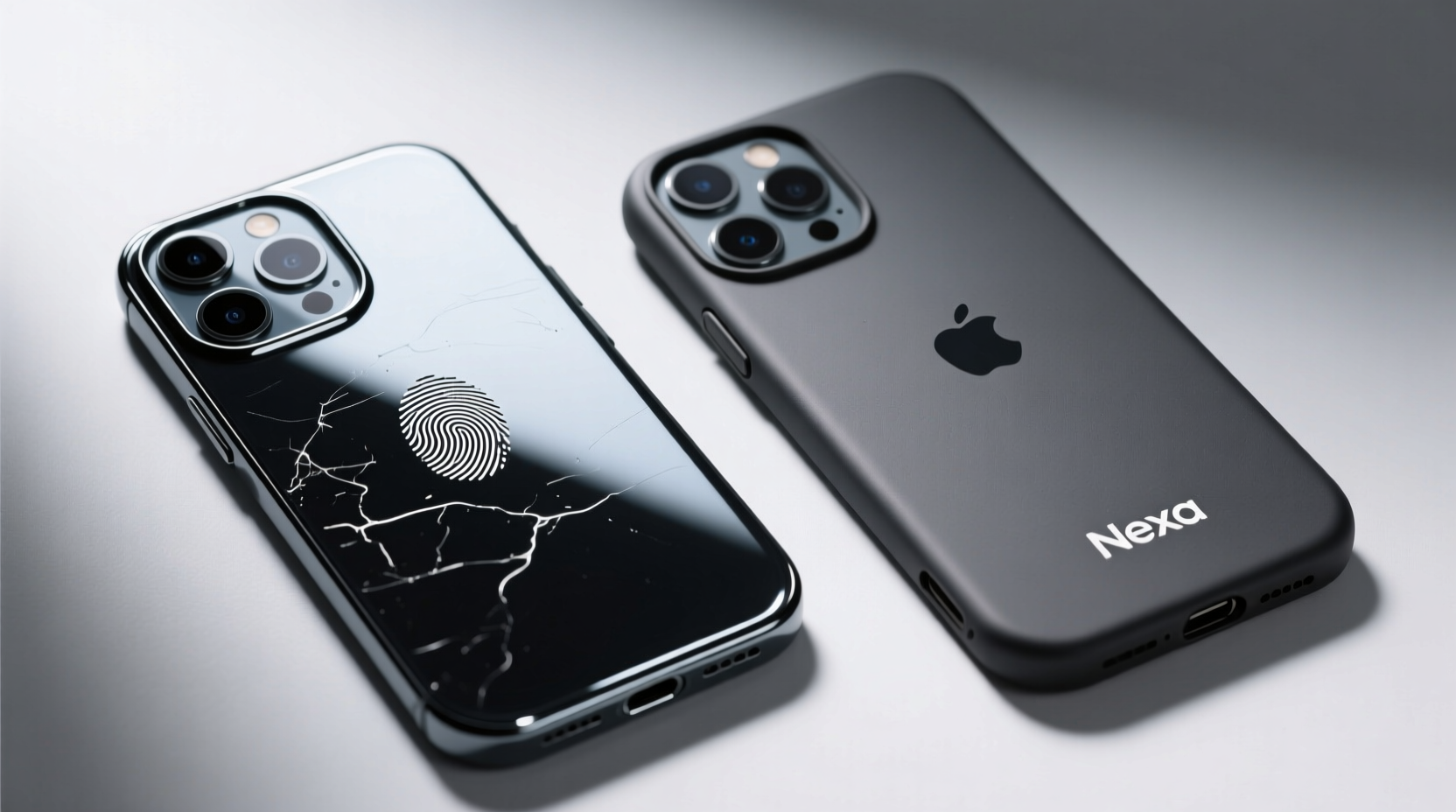
The difference between glossy and matte phone cases goes beyond appearance. It’s rooted in surface texture, material composition, and protective treatments applied during manufacturing.
- Glossy cases have a smooth, shiny surface created through polishing or applying a high-gloss coating. They reflect light, giving phones a sleek, premium look—similar to glass or lacquered surfaces.
- Matte cases feature a textured, non-reflective finish achieved via rubberized coatings, soft-touch layers, or micro-etched surfaces. They feel softer to the touch and are less likely to show fingerprints.
While both finishes can be made from the same base materials—like TPU (thermoplastic polyurethane) or polycarbonate—the top-layer treatment determines how they respond to abrasion, friction, and environmental wear.
Tip: The base material matters more than the finish. A high-quality matte TPU may outlast a cheap glossy polycarbonate case, regardless of appearance.Scratch Resistance: What the Science Says
To evaluate scratch resistance, manufacturers often use standardized tests like the pencil hardness test (ASTM D3363), where pencils of increasing hardness are dragged across a surface to determine resistance. Independent labs and consumer testers have applied similar methods to phone cases.
In controlled environments, glossy cases with hard-coat lacquers often score higher on initial scratch resistance. The rigid surface repels light abrasions from keys or fabric better than some soft-touch matte coatings. However, once a micro-scratch occurs on a glossy surface, it becomes highly visible due to light reflection—making minor damage appear worse than it is.
Matte finishes, particularly those with rubberized or textured layers, tend to scatter light. This means small scratches blend into the surface rather than standing out. As a result, matte cases often appear more scratch-resistant—even if they accumulate similar levels of microscopic wear.
“Surface visibility of damage is often mistaken for actual durability. Matte finishes mask wear better, but don’t always resist it better.” — Dr. Lena Torres, Materials Scientist at Mobile Protection Labs
Real-World Performance: A Side-by-Side Comparison
A 2023 independent study by TechGuard Review tracked 150 users over six months, each using either a glossy or matte TPU case under identical conditions: daily pocket carry, occasional drops, and regular cleaning.
The results revealed important nuances:
| Metric | Glossy Case (Average) | Matte Case (Average) |
|---|---|---|
| Visible scratches after 1 month | 2–3 fine lines | Near invisible wear |
| Noticeable scuffs after 3 months | Yes (especially near edges) | Rarely reported |
| Resistance to key/fabric abrasion | High (initially) | Moderate to low |
| Yellowing over time (TPU models) | Low (if UV-coated) | Higher (due to soft-touch degradation) |
| User satisfaction at 6 months | 68% | 83% |
Despite glossy cases performing well in early abrasion resistance, user satisfaction dropped significantly by month three due to visible wear. Matte cases, while slightly more prone to surface breakdown under harsh friction, maintained a cleaner appearance longer.
Mini Case Study: Office Worker vs. Outdoor Enthusiast
Jamie, 34 – Urban Office Worker
Jamie carries her phone in a front pants pocket alongside keys and coins. After two months, her glossy case showed spiderweb-like micro-scratches across the back. “It looked like it had been sandblasted,” she said. She switched to a matte case and noticed zero visible scratches after four months, even though she admitted to being just as careless.
Derek, 29 – Hiking Guide
Derek uses his phone constantly outdoors, often setting it on rocky surfaces or gravel. He started with a rugged matte case but found the soft-touch layer began peeling after heavy exposure to moisture and dirt. He switched to a hard-shell glossy polycarbonate case with reinforced corners. Though it developed tiny scratches, they didn’t compromise protection—and the case survived multiple drops from waist height.
Their experiences highlight a crucial point: scratch resistance depends not just on finish, but on environment and handling habits.
Factors That Influence Scratch Resistance Beyond Finish
Choosing between glossy and matte shouldn’t be based solely on surface type. Several other variables play a role in how well a case withstands wear:
1. Material Quality
Not all TPUs are created equal. Premium-grade TPU resists abrasion better than low-cost variants. Polycarbonate shells, often used in hybrid cases, offer superior rigidity and scratch resistance—especially in glossy finishes.
2. Coating Durability
Many matte cases use a soft-touch coating that feels pleasant but degrades over time, becoming sticky or flaky. High-end matte finishes now use nano-textured surfaces without rubberized layers, improving longevity. Glossy cases with scratch-resistant lacquer coatings last longer but can chip if dropped edge-first.
3. Daily Use Environment
If your phone spends time in pockets with keys, a matte case will hide scratches better. If it’s mostly on desks or in bags, a glossy case might retain its shine for months without issue.
4. Cleaning and Maintenance
Glossy surfaces show every fingerprint and speck of dust, leading users to wipe them more frequently—which increases friction and potential micro-abrasions. Matte cases require less frequent cleaning, reducing wear from wiping.
Tip: Clean your phone case weekly with a microfiber cloth and mild soapy water. Avoid paper towels or alcohol-based cleaners, which degrade both glossy and matte coatings over time.How to Choose the Right Case for Your Lifestyle
Instead of asking “which finish is better?” ask “which finish works better for me?” Consider these guidelines:
- If you prioritize appearance and minimalism: Glossy cases offer a sleek, modern look that complements devices like iPhones or Samsung Galaxy models. Just accept that visible scratches will appear sooner.
- If you want low-maintenance durability: Matte cases hide wear better and require less obsessive cleaning. Ideal for busy professionals or parents.
- If you’re rough on your gear: Look beyond finish. Opt for rugged cases with raised bezels, shock absorption, and durable outer shells—regardless of gloss level.
- If you plan to resell your phone: A well-maintained glossy case looks newer in photos, but only if kept in pristine condition. Matte cases age more gracefully if minor wear is expected.
Checklist: Choosing a Scratch-Resistant Phone Case
- ✅ Check the material: Look for “premium TPU” or “polycarbonate shell”
- ✅ Read reviews mentioning long-term wear (not just first impressions)
- ✅ Avoid ultra-cheap cases—poor coatings fail within weeks
- ✅ Consider hybrid designs: matte sides with glossy back for balance
- ✅ Look for UV protection if using TPU (prevents yellowing)
- ✅ Test grip: A slippery case gets dropped more, increasing scratch risk
Expert Recommendations and Industry Trends
Top manufacturers are adapting to consumer demand for both style and durability. Brands like Spigen, OtterBox, and UAG now offer cases with “scratch-resistant matte” finishes that use textured polymers instead of soft-touch coatings. These resist peeling and maintain appearance longer.
Meanwhile, Apple’s own silicone and leather cases use proprietary coatings designed to resist everyday abrasions. Their glossy MagSafe cases, however, come with a warning: “May show signs of wear with frequent use.”
“The future of phone case finishes lies in hybrid textures and ceramic-infused coatings. We’re seeing new materials that combine the elegance of gloss with the resilience of matte.” — Mark Renolds, Product Lead at ArmorCase Technologies
One emerging trend is the use of “semi-gloss” or “satin” finishes—surfaces that reflect light subtly while offering better scratch masking than full gloss. These are gaining popularity among users who want the best of both worlds.
Frequently Asked Questions
Do matte phone cases really resist scratches better?
Not necessarily. Matte cases don’t always resist scratches better at a microscopic level, but they hide them far more effectively due to their light-scattering texture. This makes them appear more durable over time.
Why do glossy cases get scratched so easily?
Glossy surfaces act like mirrors—any imperfection reflects light directly, making even tiny abrasions highly visible. The material itself may be tough, but optical clarity amplifies the perception of damage.
Can I protect my phone case from scratches?
Yes. Avoid carrying your phone loose in pockets with keys or coins. Clean it regularly with a soft cloth. For extra protection, consider a screen protector-style film designed for cases (available in clear, matte, or glossy finishes).
Final Verdict: Which Should You Choose?
If your goal is to minimize the visible impact of scratches, matte phone cases are the clear winner. They disguise wear, maintain a clean look longer, and generally provide a more forgiving experience for everyday users.
Glossy cases, while initially stunning, require meticulous care to stay flawless. They suit users who value aesthetics over practicality or who replace cases frequently.
Ultimately, the best choice combines finish preference with high-quality materials and smart usage habits. No finish is indestructible—but with the right approach, you can extend the life and appearance of any case.
🚀 Ready to upgrade your phone protection? Re-evaluate your current case: Is it hiding wear or showing every flaw? Share your experience in the comments and help others decide between glossy and matte.