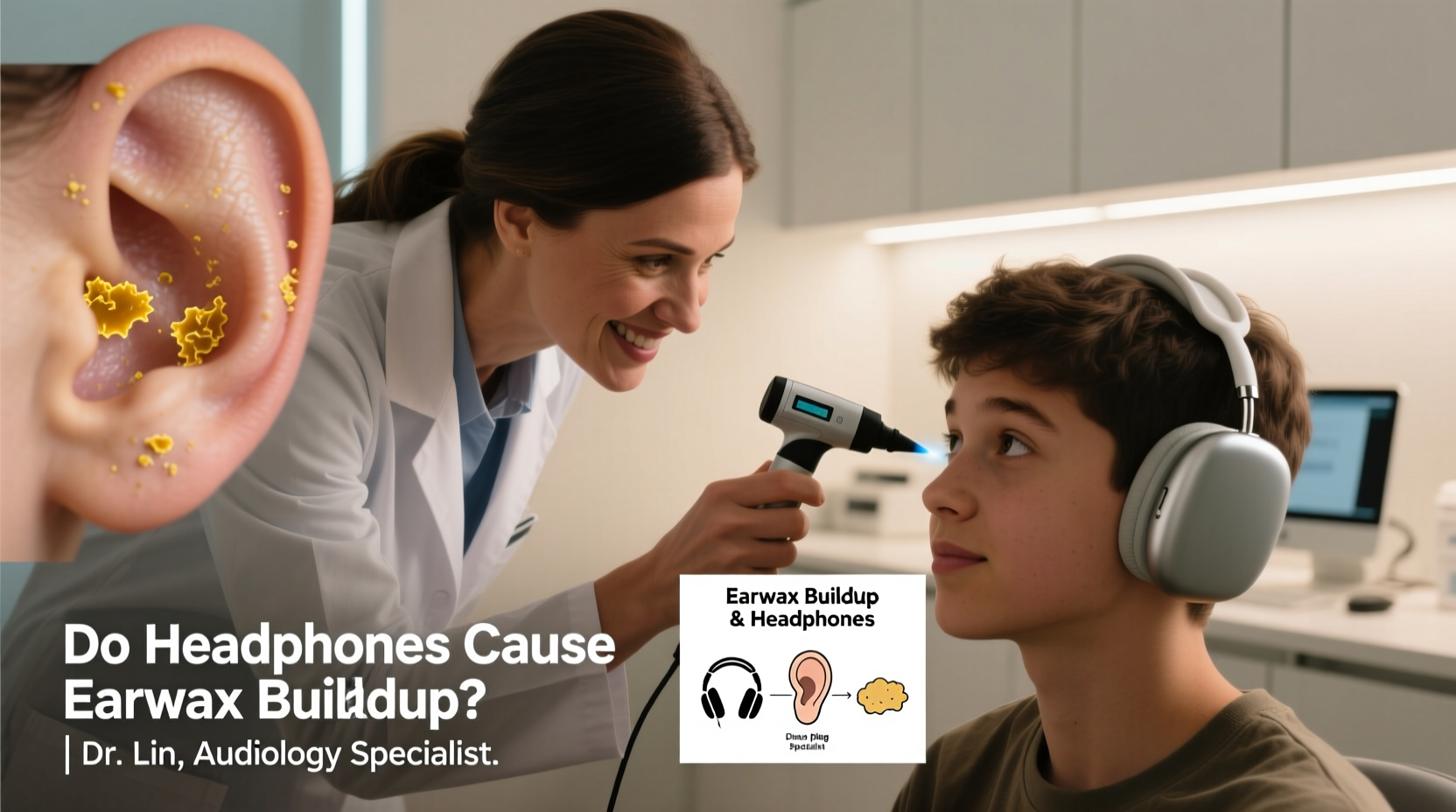
Headphones are a daily essential for millions—whether for work calls, music, or podcasts. But as their use becomes more frequent and prolonged, concerns about ear health have grown. One common question that audiologists hear: Can wearing headphones lead to earwax buildup? The answer isn’t a simple yes or no—it depends on the type of headphones, how long they’re worn, and individual ear anatomy. In this article, we’ll explore the science behind earwax production, how headphone use may influence it, and what steps you can take to maintain healthy ears without giving up your listening habits.
Understanding Earwax: Purpose and Production
Earwax, or cerumen, is a natural substance produced by glands in the outer ear canal. It serves several protective functions: trapping dust and debris, preventing bacterial growth, and lubricating the skin inside the ear. Normally, earwax moves outward gradually through jaw movements like chewing and talking, eventually flaking off harmlessly.
The amount and consistency of earwax vary from person to person due to genetics, age, and environment. Some people naturally produce more wax, while others rarely experience buildup. However, when the normal migration process is disrupted, wax can accumulate and cause blockages—leading to symptoms like muffled hearing, ear fullness, tinnitus, or even dizziness.
Tip: Never insert cotton swabs or sharp objects into your ear canal—they can push wax deeper and increase the risk of impaction.How Headphone Use May Contribute to Earwax Buildup
While headphones don’t directly cause the body to produce more earwax, certain types and usage patterns can interfere with its natural expulsion. Here’s how:
- Physical Blockage: In-ear headphones (like earbuds) sit directly in the ear canal, creating a physical barrier that limits airflow and hinders the outward movement of wax.
- Increased Humidity: Prolonged use traps moisture and warmth in the ear canal, which may stimulate wax-producing glands and create an environment where wax softens and clings to the canal walls.
- Reduced Natural Migration: Constant pressure from earbuds can restrict the subtle jaw movements that help move wax out of the ear.
- Hygiene Factors: Dirty earbuds can introduce bacteria or irritants, potentially triggering increased wax production as a protective response.
Over-ear headphones, which rest around the ear rather than inside it, pose a much lower risk. They don’t obstruct the ear canal or trap moisture to the same degree, making them a safer option for extended listening.
Expert Insight: What Audiologists Say
“Patients who use in-ear devices for several hours a day often present with cerumen impactions. While headphones don’t cause wax production, they can absolutely contribute to retention and compaction—especially when used for 4+ hours daily.” — Dr. Lena Patel, Clinical Audiologist, Boston Hearing Clinic
Types of Headphones and Their Impact on Ear Health
Not all headphones affect the ears the same way. Understanding the differences can help you make informed choices about what to use and when.
| Type of Headphone | Risk of Wax Buildup | Why? |
|---|---|---|
| In-Ear Earbuds (e.g., AirPods, standard earbuds) | High | Sit deep in the canal, block airflow, trap moisture, and physically prevent wax migration. |
| Noise-Canceling In-Ear Buds | High to Very High | Stronger seal increases occlusion effect and heat retention; often used for longer durations. |
| Over-Ear (Circumaural) | Low | No contact with ear canal; allows normal ventilation and wax movement. |
| On-Ear (Supra-aural) | Low to Moderate | Rests on the ear but doesn’t enter the canal; minor occlusion possible with tight fit. |
| Bone Conduction | Very Low | Bypasses the ear canal entirely; zero physical obstruction. |
This comparison shows that while any headphone can be used safely in moderation, those that occlude the ear canal carry a higher risk of contributing to wax retention over time.
Real-Life Example: A Frequent Commuter’s Experience
James, a 34-year-old software developer, began experiencing mild hearing loss in his right ear over a three-month period. He attributed it to noise exposure but noticed the issue persisted even after lowering volume levels. After a consultation with an audiologist, he was diagnosed with a partial cerumen impaction.
Upon review of his habits, James realized he wore his noise-canceling earbuds for nearly six hours a day—during his commute, at work, and while exercising. He rarely cleaned them and often fell asleep with them in. The audiologist explained that the constant occlusion and lack of ear ventilation likely contributed to wax accumulation.
After professional removal and adopting safer listening practices, James reported improved comfort and clarity. He switched to over-ear headphones for work and limited in-ear use to under two hours daily. His follow-up visit three months later showed no recurrence.
Prevention Strategies: How to Use Headphones Safely
You don’t need to stop using headphones to protect your ears. Instead, adopt these evidence-based strategies to reduce the risk of earwax buildup and other auditory issues.
Step-by-Step Guide to Safer Headphone Use
- Limit Continuous Wear: Take breaks every 60–90 minutes. Remove headphones and let your ears breathe for at least 5–10 minutes.
- Choose Over-Ear When Possible: Opt for over-ear models during long sessions, especially at home or in the office.
- Keep Earbuds Clean: Wipe them weekly with a dry microfiber cloth. Avoid alcohol-based cleaners that can degrade silicone tips.
- Avoid Sleeping with Earbuds: This prolongs occlusion and increases pressure on delicate ear structures.
- Use Proper Fit: Ill-fitting earbuds can push against the canal wall, irritating the skin and disrupting wax flow.
- Monitor Symptoms: If you feel fullness, muffled sound, or ringing, consider a break and consult an audiologist if symptoms persist.
When to Seek Professional Help
Some degree of earwax is normal, but impaction requires professional attention. Signs that you may need to see an audiologist include:
- Persistent ear fullness or pressure
- Hearing one ear better than the other
- Tinnitus (ringing or buzzing) localized to one ear
- Dizziness or balance issues
- Pain or drainage from the ear
Never attempt to remove impacted wax yourself with tools, water irrigation kits, or ear candles. These methods can cause injury or worsen the blockage. Audiologists use safe techniques like micro-suction or gentle irrigation to remove wax without damaging the ear canal or eardrum.
FAQ: Common Questions About Headphones and Earwax
Can wireless earbuds cause more wax buildup than wired ones?
No—the material or connectivity (wireless vs. wired) doesn’t affect wax production. The issue lies in the design (in-ear vs. over-ear) and duration of use, not the power source or signal type.
How often should I get my ears checked if I use headphones daily?
If you use in-ear headphones for more than three hours a day, consider a preventive ear checkup every 6–12 months. Those with a history of wax impaction may benefit from more frequent visits.
Does volume level affect earwax buildup?
Volume does not directly influence wax production. However, high volume can damage hearing and mask symptoms of wax buildup, leading to delayed treatment. Always listen at safe levels (below 60% of maximum volume) and limit exposure to under 60 minutes at a time.
Final Thoughts: Balancing Convenience and Ear Health
Headphones are here to stay, and so is earwax. The key is understanding how your habits influence your ear health and making small, sustainable adjustments. You don’t need to eliminate in-ear headphones—just use them wisely. Prioritize fit, hygiene, and duration. Pay attention to what your ears are telling you. And remember, regular checkups aren’t just for people with problems; they’re part of proactive self-care.
By treating your ears with the same consideration you give your eyes or posture, you can enjoy high-quality audio for years without compromising your hearing health.
💬 Have you experienced ear discomfort from headphone use? Share your story or tips in the comments—your insight could help others find relief and better habits.