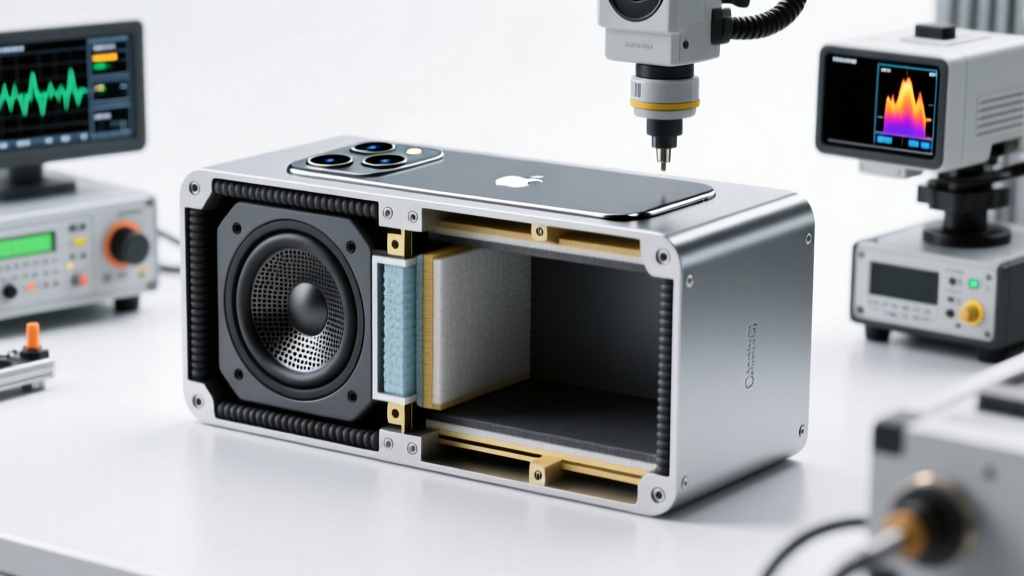
Types of BGA Tools: Essential Equipment for Precision Electronics Repair
Ball Grid Array (BGA) technology is widely used in modern electronics, especially in smartphones, laptops, and high-density circuit boards. Repairing or replacing BGA components requires specialized tools to ensure accurate rework without damaging sensitive circuitry. Understanding the different types of BGA tools helps technicians choose the right equipment for their repair needs—whether for small-scale repairs or large-scale manufacturing.
Reballing Kit Tool
A comprehensive solution for restoring solder balls on BGA chips, commonly used in chip-level repairs and IC replacements.
Advantages
- Includes all essentials: solder balls, flux, stencils, and tweezers
- Cost-effective for DIY and small repair shops
- Enables precise reballing with proper alignment
- Compatible with various BGA pitch sizes
Limitations
- Requires steady hands and experience
- Manual process increases risk of misalignment
- Not suitable for high-volume production
Best for: Mobile phone repairs, laptop motherboard fixes, hobbyists, and field technicians
Hot Air Gun
A handheld thermal tool that delivers focused, adjustable heat for soldering and desoldering BGA components safely.
Advantages
- Portable and easy to use
- Provides even heat distribution with proper technique
- Ideal for removing BGAs without damaging surrounding components
- Widely available and affordable
Limitations
- Potential for overheating if not carefully controlled
- Less precision compared to automated systems
- Requires skill to maintain consistent distance and airflow
Best for: Entry-level repairs, quick component swaps, and mobile device servicing
BGA Soldering Station
Advanced stations designed specifically for BGA work, offering superior temperature control and interchangeable nozzles for different chip sizes.
Advantages
- Precise digital temperature control
- Interchangeable nozzles for optimal heat focus
- Consistent results with reduced thermal stress
- Used by professionals for reliable rework
Limitations
- Higher cost than basic tools
- Steeper learning curve for beginners
- Larger footprint requires dedicated workspace
Best for: Professional repair labs, motherboard repair centers, and advanced technicians
Infrared Preheating Station
Provides uniform bottom-side heating to prevent thermal shock during BGA rework by gradually warming the entire PCB.
Advantages
- Reduces risk of board warping and component damage
- Ensures even heat distribution across the PCB
- Improves solder flow and joint quality
- Infrared energy targets specific areas efficiently
Limitations
- Additional equipment increases setup complexity
- Requires calibration for different board thicknesses
- Higher power consumption
Best for: Multi-layer boards, sensitive components, and high-reliability repairs
BGA Vacuum Rework Station
Combines precision heating with vacuum-assisted pickup and placement for accurate BGA replacement.
Advantages
- High-precision component alignment
- Vacuum system securely lifts and places BGAs
- Integrated heating and cooling cycles
- Minimizes human error in placement
Limitations
- Expensive initial investment
- Bulkier and less portable
- Requires regular maintenance
Best for: Industrial repair, production lines, and high-accuracy applications
Automatic BGA Soldering Machine
Full-automation systems that handle BGA soldering with robotic precision, ideal for mass production environments.
Advantages
- Unmatched speed and consistency
- High placement accuracy (±0.01mm or better)
- Integrated vision systems for alignment
- Scalable for high-volume manufacturing
Limitations
- Very high cost
- Requires specialized training
- Not practical for small repair shops
Best for: Electronics manufacturing, OEM production, and contract assembly facilities
| Tool Type | Precision | Cost Level | Best Use Case | Skill Required |
|---|---|---|---|---|
| Reballing Kit Tool | Medium | Low | DIY repairs, small fixes | Beginner to Intermediate |
| Hot Air Gun | Medium | Low to Medium | Mobile device repairs | Beginner to Intermediate |
| BGA Soldering Station | High | Medium to High | Professional repair labs | Intermediate to Advanced |
| Infrared Preheating Station | High | Medium | Sensitive or multi-layer boards | Intermediate |
| BGA Vacuum Rework Station | Very High | High | Industrial and precision work | Advanced |
| Automatic BGA Soldering Machine | Exceptional | Very High | Mass production | Expert / Engineering Team |
Expert Tip: For best results in BGA rework, combine a hot air station with an infrared preheater to ensure even thermal distribution and reduce the risk of solder bridging or tombstoning. Always use no-clean flux and inspect joints with an X-ray or microscope when possible.
How to Choose BGA Tools: A Comprehensive Guide
Selecting the right Ball Grid Array (BGA) tools is essential for achieving reliable, high-quality repairs in electronics manufacturing and repair environments. The decision should be driven by your specific operational requirements, the complexity of the devices you service, and long-term efficiency goals. Investing in the correct tools not only improves repair accuracy but also enhances productivity and reduces costly rework.
Assess Your Repair Needs and Device Types
The foundation of choosing appropriate BGA tools lies in understanding the range of devices you’ll be working on. Consumer electronics such as smartphones, tablets, and laptops often use smaller, less complex BGAs that can be managed with basic equipment. In contrast, industrial control systems, servers, and high-performance computing hardware may feature large, fine-pitch BGAs requiring precision tools and advanced thermal control.
For example, repairing a mobile phone’s application processor might only require a hot air rework station and a manual reballing kit. However, servicing server motherboards with multi-layer PCBs and micro-BGAs demands a vacuum-assisted rework station with real-time temperature monitoring and alignment cameras.
Entry-Level BGA Tools
Ideal for small repair shops or hobbyists handling low-volume consumer electronics. These include:
- Adjustable hot air stations with temperature control
- Manual stencil printers and solder paste applicators
- Basic reballing kits with pre-cut stencils
- Magnifying lamps or simple digital microscopes
These tools are cost-effective and sufficient for routine tasks like replacing Wi-Fi chips or power management ICs.
Advanced BGA Rework Systems
Suitable for professional repair centers, contract manufacturers, or labs dealing with high-reliability electronics. These systems offer:
- Vacuum rework stations with top and bottom heating
- Automated optical alignment and real-time thermal imaging
- Programmable temperature profiles for consistent results
- Integrated fume extraction and component handling tools
Such systems ensure precision when working on sensitive components like GPUs, FPGAs, or ASICs, minimizing the risk of thermal damage or misalignment.
Budget vs. Long-Term Value
While budget constraints are a reality, especially for startups or independent technicians, it's crucial to view BGA tools as a long-term investment. Low-cost tools may lack thermal stability, accurate feedback mechanisms, or durability—leading to inconsistent results and potential damage to expensive components.
Mid-range and professional-grade tools, though more expensive upfront, provide better temperature accuracy, repeatability, and safety features. Over time, this translates into fewer failed repairs, reduced component waste, and higher customer satisfaction.
Consider Repair Volume and Throughput
The volume of repairs directly influences the type of equipment needed. A technician performing occasional BGA reworks can rely on manual methods. However, businesses handling dozens of boards per week benefit significantly from automation and process consistency.
| Repair Volume | Recommended Tool Type | Key Benefits |
|---|---|---|
| Low (1–5 units/week) | Hot air station + reballing kit | Low cost, easy setup, minimal space required |
| Medium (6–20 units/week) | Digital-controlled rework station | Improved precision, programmable profiles, better repeatability |
| High (20+ units/week) | Automated or semi-automated BGA station | High throughput, reduced operator fatigue, consistent quality |
Essential Features to Look For
- Temperature Control: Precise PID-controlled heating with thermocouple feedback ensures safe reflow without damaging surrounding components.
- Nozzle Compatibility: Interchangeable nozzles allow customization for different BGA sizes and pitches.
- Optical Alignment: Built-in cameras or magnifiers help align components accurately, especially for fine-pitch arrays.
- Fume Extraction: Integrated or compatible extraction systems protect operator health and maintain a clean workspace.
- User-Friendly Interface: Digital displays, preset profiles, and intuitive controls reduce training time and errors.
Important: Always match your tool selection to the technical demands of your work. Using inadequate tools on high-density boards increases the risk of cold joints, bridging, or PCB delamination. Additionally, ensure that staff are properly trained in BGA rework techniques to maximize tool effectiveness and safety.
What Makes BGA Tools Durable: Engineering Excellence for Precision Electronics Work
Ball Grid Array (BGA) tools are essential in modern electronics repair, rework, and manufacturing. Their durability is not accidental—it's the result of careful engineering, high-quality materials, and thoughtful design. These tools must withstand demanding environments, including repeated thermal cycling, mechanical stress, and exposure to chemicals. Understanding what contributes to their longevity helps technicians and engineers make informed decisions when selecting tools for reliable, long-term performance.
Strength and High-Performance Materials
BGA tools are constructed using robust, industrial-grade materials selected for their mechanical strength, thermal stability, and resistance to wear. The choice of material directly impacts the tool’s ability to maintain precision and structural integrity over time.
- Stainless Steel: Used in critical components for superior tensile strength, corrosion resistance, and longevity under repeated stress.
- Brass Alloys: Provide excellent machinability and thermal conductivity, ideal for nozzles and heat transfer components.
- Anodized Aluminum: Offers a lightweight yet rigid structure for housings and frames, with enhanced surface hardness and wear resistance.
- High-Temperature Rubber & Silicone: Employed in grips and seals to ensure comfort and chemical resistance without degradation.
Key Insight: Material selection ensures dimensional stability—preventing warping or deformation—even after thousands of heating and cooling cycles.
Precision Engineering and Superior Workmanship
BGA tools are built for professional environments where reliability is non-negotiable. Every component is manufactured to tight tolerances using advanced machining techniques, ensuring consistent performance and minimal failure rates.
- Components are CNC-machined for exact fit and alignment, reducing play and enhancing control during delicate operations.
- Welded and soldered joints are reinforced to handle thermal expansion without cracking.
- Surface finishes are smooth and burr-free, minimizing particle generation in cleanroom environments.
- Quality control includes stress testing, thermal cycling, and functional validation before release.
Pro Tip: Well-crafted tools exhibit seamless integration between parts—no wobbling, misalignment, or loose fittings—ensuring precision rework every time.
Resistance to Extreme Temperatures
BGA rework involves heating components to 200–400°C, followed by rapid cooling. Durable tools are engineered to endure these extremes without degradation.
- Heating elements are encased in thermally stable ceramics or metals that resist oxidation and thermal fatigue.
- Nozzles and tips maintain shape and functionality even after prolonged exposure to high heat.
- Insulated handles and barriers protect users while internal components manage heat distribution efficiently.
- Materials are selected to avoid outgassing or emitting harmful fumes at operating temperatures.
Critical Benefit: No warping, burn marks, or loss of calibration—tools remain accurate and safe across thousands of cycles.
Chemical and Corrosion Resistance
Exposure to flux residues, soldering agents, cleaning solvents, and moisture can degrade lesser tools. Durable BGA equipment resists these chemical threats.
- Stainless steel and nickel-plated surfaces resist pitting and rust caused by acidic or halogen-based fluxes.
- Sealed bearings and joints prevent chemical ingress into moving parts.
- Non-reactive coatings protect sensitive areas from oxidation and contamination.
- Regular cleaning does not compromise structural integrity or surface finish.
Maintenance Advantage: Tools retain performance and appearance even in high-humidity or chemically active workspaces.
Ergonomic Design for Long-Term Use
Durability isn’t just about surviving physical stress—it also means supporting user comfort and reducing fatigue during extended use.
- Contoured grips made from heat-resistant rubber reduce hand strain during prolonged rework sessions.
- Weight-balanced designs minimize wrist fatigue and improve control.
- Non-slip surfaces ensure secure handling, reducing the risk of accidental drops or damage.
- Thermal insulation in handles protects users without compromising tool responsiveness.
User-Centric Benefit: Comfortable tools lead to fewer operator errors and less wear from mishandling—extending both tool and technician productivity.
Serviceability and Replaceable Components
True durability includes the ability to repair and maintain—not replace. High-end BGA tools are designed with serviceability in mind.
- Modular construction allows easy replacement of worn tips, nozzles, heating elements, and seals.
- Standardized fasteners and accessible components simplify disassembly and maintenance.
- Available spare parts and service kits extend tool lifespan significantly.
- Worn handles or grips can be swapped out, preserving the core investment in precision hardware.
Cost-Saving Feature: Instead of discarding an entire tool, only the damaged part is replaced—making professional-grade tools more sustainable and economical over time.
Expert Recommendation: When evaluating BGA tools, prioritize those with documented material specifications, modular design, and manufacturer-backed service support. Look for brands that offer calibration services and replacement part availability. Investing in serviceable, high-quality tools reduces downtime, improves repair consistency, and delivers a better return on investment over the long term—especially in high-volume repair or production environments.
| Feature | Material/Design | Benefit | Lifespan Impact |
|---|---|---|---|
| Structural Frame | Anodized Aluminum or Stainless Steel | Lightweight rigidity, corrosion resistance | 5+ years under regular use |
| Heating Nozzle | Brass with Nickel Plating | Thermal conductivity, oxidation resistance | 2,000+ rework cycles |
| Handle & Grip | Heat-Resistant Silicone/Rubber | Ergonomics, slip resistance | Replaceable every 1–2 years |
| Seals & Gaskets | Fluoroelastomer (FKM) | Chemical and heat resistance | 1,500+ cycles before degradation |
Additional Durability Considerations
- Thermal Cycling Endurance: Premium tools undergo accelerated life testing simulating thousands of heat-up and cool-down cycles.
- Shock Resistance: Reinforced joints and impact-absorbing materials protect against accidental drops.
- Cleanability: Smooth surfaces and sealed electronics allow safe cleaning without damage.
- Calibration Stability: Precision tools maintain alignment and temperature accuracy over time, reducing drift.
- Brand Support: Reputable manufacturers offer technical documentation, firmware updates (for digital models), and repair services.
Commercial Value of BGA Tools in Modern Electronics and Beyond
Ball Grid Array (BGA) tools have become indispensable in the electronics industry and beyond, offering significant commercial advantages across multiple sectors. As electronic devices grow increasingly compact and complex, BGA packaging has become the standard for high-density integrated circuits in smartphones, laptops, gaming consoles, and industrial systems. This shift has elevated the importance of BGA rework and repair tools, transforming them from niche equipment into essential investments for businesses aiming to remain competitive, cost-efficient, and technically capable.
Industry Insight: The global BGA rework station market is projected to grow significantly due to rising demand for advanced electronics repair, miniaturization of components, and increasing emphasis on sustainability through repair rather than replacement.
Repair Services: Expanding Service Offerings and Revenue Streams
Electronics repair businesses that integrate BGA tools into their operations gain a substantial competitive edge. Most modern mobile phones, tablets, and laptops utilize BGA-packaged processors, GPUs, and power management ICs. When these components fail—due to thermal stress, physical impact, or solder fatigue—surface-level diagnostics often point to "motherboard failure," which many shops avoid due to complexity.
With professional BGA tools, repair technicians can:
- Reball and rework faulty BGA chips instead of replacing entire logic boards
- Offer high-margin services such as GPU reflowing on gaming consoles or CPU rework on laptops
- Attract customers seeking affordable alternatives to costly OEM replacements
- Build a reputation for technical expertise, increasing customer trust and retention
This capability not only increases per-job profitability but also expands the range of devices a repair shop can service, directly boosting revenue potential.
Manufacturing and Assembly: Ensuring Precision and Quality Control
In electronics manufacturing, BGA tools are critical during both production and quality assurance phases. Automated pick-and-place machines and reflow ovens handle initial BGA component placement, but manual or semi-automated BGA stations are essential for:
- Prototyping and small-batch production where automation isn't cost-effective
- Correcting misaligned or poorly soldered BGAs identified during inspection (AOI/X-ray)
- Handling last-minute design changes or engineering validation tests
- Ensuring consistent thermal profiles for reliable solder joint formation
Using professional BGA tools in manufacturing reduces scrap rates, minimizes rework time, and ensures compliance with IPC-A-610 and J-STD-001 quality standards—key factors in maintaining client satisfaction and reducing warranty costs.
Reworking Defective Boards: Cost Savings and Sustainability
For electronics manufacturers and service centers alike, the ability to rework defective BGA assemblies represents a major cost-saving opportunity. Replacing an entire PCB due to a single faulty BGA chip can cost hundreds or even thousands of dollars, especially in industrial or medical equipment.
BGA rework tools enable:
- Targeted repair of failed components without damaging surrounding circuitry
- Reduction in electronic waste, supporting environmental compliance and ESG goals
- Faster turnaround times compared to waiting for replacement boards
- Maintenance of inventory value by restoring high-cost assemblies to working condition
This repair-first approach not only reduces operational costs but also enhances customer satisfaction by minimizing downtime.
Specialized Devices: High-Value Applications in Premium Electronics
High-end consumer and professional electronics—such as premium laptops, DSLR cameras, gaming consoles, and embedded computing systems—rely heavily on BGA technology for performance and miniaturization. These devices often use multi-layer PCBs with fine-pitch BGAs that require precision tools for servicing.
Businesses specializing in repairs for these markets can command premium pricing. For example:
- Reballing a GPU on a gaming console can cost $100–$200, far less than a new unit
- Laptop motherboard repairs involving CPU or chipset rework can save customers $500+
- Digital camera sensor or processor repairs preserve sentimental and financial value
Investing in advanced BGA tools allows service providers to enter these high-margin niches, differentiating themselves from basic repair shops.
Non-Electronic Industries: Emerging Applications in Advanced Systems
The value of BGA tools extends beyond traditional electronics into industries where embedded computing and smart systems are critical. Sectors such as robotics, automotive, aerospace, and industrial automation increasingly use BGA-based microcontrollers and processors.
Applications include:
- Repairing control boards in robotic arms or autonomous vehicles
- Maintaining avionics systems with high-reliability BGA components
- Updating or repairing industrial PLCs and HMIs without full system replacement
- Supporting R&D teams in prototyping next-generation smart devices
As these industries adopt more sophisticated electronics, the demand for skilled BGA repair capabilities will continue to grow.
Cost-Effectiveness: Long-Term ROI and Operational Efficiency
While high-quality BGA rework stations represent a significant upfront investment ($2,000–$10,000+), the return on investment is substantial when compared to the recurring costs of replacing entire circuit boards or outsourcing repairs.
| Cost Factor | Without BGA Tools | With BGA Tools |
|---|---|---|
| Logic Board Replacement (Laptop) | $300–$800 | $0 (repair in-house) |
| Average Repair Cost (Labor + Parts) | N/A (outsourced or declined) | $80–$150 |
| Profit Margin per Repair | 0% | 60–80% |
| Repair Success Rate | Declined or replaced | 75–90% success with proper training |
| Environmental Impact | High (e-waste generation) | Low (circular economy model) |
Over time, even a small repair shop can recoup the cost of a BGA station within months by completing just a few high-value repairs per month.
Expert Tip: Pair your BGA tool investment with technician training and X-ray inspection capabilities (or outsourcing) to ensure repair quality and build customer confidence. Documenting successful repairs with before/after thermal images or videos can serve as powerful marketing tools.
Strategic Recommendations for Businesses
- Start with a mid-range BGA rework station that supports common thermal profiles and nozzle sizes
- Invest in training or hire technicians with surface-mount technology (SMT) experience
- Market BGA repair services explicitly on your website and social media
- Partner with suppliers for BGA stencil, solder paste, and flux materials
- Consider offering warranty on BGA repairs to build trust and differentiate from competitors
By embracing BGA technology, businesses position themselves at the forefront of the repair economy, aligning with global trends toward sustainability, right-to-repair legislation, and advanced technical service delivery.
Frequently Asked Questions About BGA Rework Stations and Soldering
Q1: What is the importance of using a BGA rework station?A BGA (Ball Grid Array) rework station is an essential tool in modern electronics repair and manufacturing, especially when dealing with advanced integrated circuits that use BGA packaging. These components have solder balls arranged in a grid on the underside, making them impossible to solder or desolder with traditional irons.
- Precise Thermal Control: BGA rework stations deliver evenly distributed, programmable heat to both the top and bottom of the PCB, ensuring uniform melting of all solder balls without damaging surrounding components or the board itself.
- Component Removal & Installation: The station allows for safe removal of faulty BGAs and accurate placement of new ones, minimizing the risk of thermal shock or misalignment.
- Reballing Capability: Many stations support reballing processes—cleaning the old solder, applying flux, placing new solder balls, and reflowing them—critical for repairing chips like GPUs or CPUs.
- Improved Reliability: Properly reworked BGA connections restore signal integrity and thermal performance, which is vital for high-speed digital circuits found in smartphones, laptops, and networking equipment.
Without a BGA rework station, attempting such repairs with makeshift tools often leads to incomplete solder joints, bridging, or board damage—making the investment crucial for professional repair shops and R&D environments.
Q2: Are BGA tools worth the investment?Yes, BGA rework tools are absolutely worth it for professionals working in electronics repair, prototyping, or manufacturing—especially those dealing with smartphones, tablets, gaming consoles, or industrial control boards.
- Cost-Effective Repairs: Instead of replacing entire motherboards due to a failed BGA component (like a GPU or memory chip), technicians can repair the specific part, saving hundreds of dollars per device.
- Higher Success Rates: Modern BGA stations come with infrared cameras, vacuum pickup tools, and temperature profiling software that increase accuracy and reduce failure rates.
- Competitive Advantage: Offering BGA-level repairs sets service providers apart from basic repair shops, enabling them to handle complex issues like "no display," "no power," or intermittent connectivity caused by solder fatigue.
- Long-Term Value: While entry-level stations start around $300–$500, mid-range to professional models ($1,000+) pay for themselves quickly when used regularly in a commercial setting.
For hobbyists, the learning curve and cost may be steep, but for anyone serious about advanced electronics repair, BGA tools are not just beneficial—they’re indispensable.
Q3: What methods are used in soldering BGA components?Soldering BGA components requires specialized techniques due to their hidden solder joints. Here are the primary methods used in both industrial and repair settings:
| Method | Description | Best For |
|---|---|---|
| Hand Soldering | Involves using a soldering iron with a chisel tip and excess solder to manually reflow joints. Often combined with wick or flux to manage bridging. | Emergency fixes or very small-scale work; not recommended for reliable BGA repair. |
| Hot Air Rework | Uses a precision hot air gun to heat the component and PCB simultaneously, melting the solder balls underneath. Requires careful temperature control and shielding of nearby parts. | Field repairs, low-budget setups, or temporary solutions. Less consistent than full rework stations. |
| BGA Rework Station | Automated system with top and bottom heaters, thermal profiling, vision alignment, and vacuum pickup. Provides precise control over heating and cooling cycles. | Professional repair labs, production lines, and high-reliability applications where consistency and quality are critical. |
While hand soldering and hot air methods can work in a pinch, a dedicated BGA rework station offers the highest success rate, repeatability, and safety for sensitive electronics.
Q4: Is there a difference between BGA and regular soldering?Yes, there are significant differences between BGA soldering and traditional through-hole or surface-mount (SMT) soldering, both in technique and equipment:
- Heat Application: In regular soldering, heat is applied locally to one joint at a time using a soldering iron. With BGA, even heat must be applied across the entire component and PCB to melt all solder balls uniformly. <
- Joint Visibility: Standard solder joints are visible and can be inspected manually or with a microscope. BGA joints are hidden beneath the chip, requiring X-ray imaging or functional testing for verification.
- Alignment Precision: BGA components must be aligned perfectly before reflow—often using optical alignment systems—since even slight misplacement can cause multiple connection failures.
- Equipment Needs: Regular soldering requires basic tools like irons and solder wire. BGA work demands advanced tools: rework stations, flux dispensers, ball placement templates, and sometimes X-ray inspection systems.
- Skill Level: Traditional soldering can be learned quickly. BGA rework involves understanding thermal profiles, solder paste behavior, and defect diagnosis, requiring much more training and experience.
Due to these complexities, BGA soldering is considered a high-skill discipline within electronics repair and manufacturing.
Q5: Can someone with no experience use BGA tools effectively?While it's technically possible for a beginner to operate a BGA rework station, achieving reliable and consistent results without prior experience is extremely difficult—and potentially damaging to expensive devices.
- Steep Learning Curve: Understanding thermal profiles, preheating times, ramp rates, and cooling phases takes practice. Incorrect settings can warp PCBs or destroy components.
- Risk of Damage: Misaligned components, solder bridging, or tombstoning are common mistakes among novices, leading to short circuits or non-functional boards.
- Need for Diagnostic Skills: Knowing whether a problem is truly BGA-related (e.g., cold solder joint) versus another fault (e.g., power delivery issue) requires experience in circuit troubleshooting.
- Recommended Path: Beginners should start with training courses, practice on scrap boards, and use step-by-step guides before attempting repairs on valuable equipment.
That said, many modern BGA stations include preset profiles and user-friendly interfaces that help reduce the barrier to entry. However, mastery still comes with hands-on experience, patience, and continuous learning. For critical repairs, it’s always best to consult or hire a qualified technician.