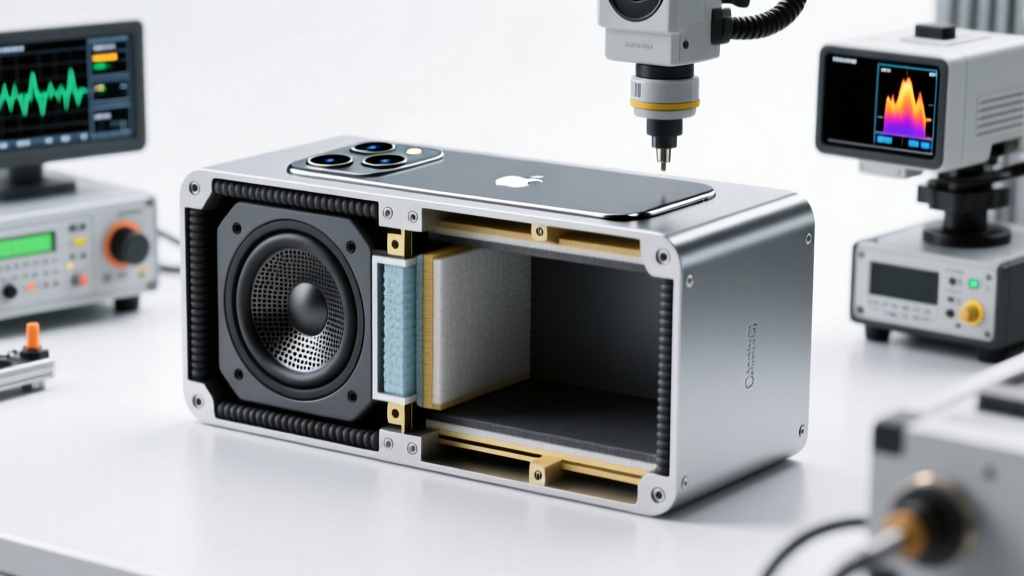
Types of Battery Case Moulds
A battery case mould is a crucial manufacturing tool used to shape, design, and produce durable external enclosures for various types of batteries. These moulds ensure that battery cases provide essential physical protection, structural integrity, and environmental resistance while accommodating internal components such as cells, circuitry, and thermal management systems.
Well-designed battery case moulds enhance safety, improve performance, and extend the operational lifespan of batteries. They are engineered to meet specific requirements based on battery chemistry, application, and environmental conditions. Below are the most common types of battery case moulds used in modern manufacturing.
Lithium-Ion Battery Case Moulds
Designed specifically for lithium-ion (Li-ion) batteries, these moulds produce cases for one of the most widely used rechargeable battery types today.
Advantages
- Supports high energy density packaging
- Enables integration of thermal management features
- Allows space for built-in battery management systems (BMS)
- Ideal for mass production with tight tolerances
Considerations
- Requires precise venting for safety
- Sensitive to material degradation under heat
- Must prevent internal short circuits through design
Best for: Consumer electronics, power tools, e-bikes, and EVs
Lead-Acid Battery Case Moulds
Engineered for traditional lead-acid batteries, these moulds create robust, heavy-duty cases capable of withstanding the weight and corrosive nature of lead and sulfuric acid.
Advantages
- High structural strength and impact resistance
- Excellent chemical and corrosion resistance
- Sealed designs prevent electrolyte leakage
- Cost-effective for large-scale automotive use
Limitations
- Bulkier and heavier than modern alternatives
- Limited design flexibility due to material thickness
- Lower energy-to-weight ratio
Best for: Automotive starting batteries, backup power systems, industrial applications
Lipo (Lithium Polymer) Battery Case Moulds
Used to fabricate lightweight, flexible enclosures for lithium polymer (LiPo) batteries, which are known for their slim profile and custom form factors.
Advantages
- Enables ultra-thin and flexible designs
- Lightweight construction ideal for portability
- Customizable shapes for unique device integration
- Good space efficiency in compact devices
Limitations
- Less rigid, requiring additional protective layers
- More sensitive to punctures and swelling
- Requires careful sealing to prevent moisture ingress
Best for: Drones, RC vehicles, smartphones, wearables, and portable gadgets
NMC Battery Case Moulds
Tailored for Nickel Manganese Cobalt (NMC) oxide batteries, these moulds support high-performance applications requiring a balance of energy density, power output, and longevity.
Advantages
- Supports complex thermal regulation systems
- High mechanical strength for vibration resistance
- Optimized for modular battery pack assembly
- Durable sealing for long-term reliability
Challenges
- Higher tooling and design complexity
- Premium material costs for thermal stability
- Requires precision alignment for cell stacking
Best for: Electric vehicles, energy storage systems, industrial EVs
Prismatic Battery Case Moulds
These moulds are used to produce rectangular, flat-shaped enclosures for prismatic lithium-ion cells, offering efficient space utilization and structural stability.
Advantages
- Maximizes space efficiency in battery packs
- Provides excellent stacking and alignment
- Easier thermal management due to flat surfaces
- Strong structural integrity with minimal dead space
Limitations
- Less flexible in shape customization
- Can be more expensive than cylindrical alternatives
- Swelling over time may affect fitment
Best for: EVs, home energy storage, UPS systems, and commercial battery packs
| Type | Material Strength | Design Flexibility | Thermal Management | Primary Applications |
|---|---|---|---|---|
| Lithium-Ion | High | High | Excellent | Electronics, EVs, Tools |
| Lead-Acid | Very High | Low | Fair | Automotive, Industrial |
| Lipo | Medium | Very High | Good | Drones, Wearables, RC |
| NMC | Very High | High | Excellent | EVs, Energy Storage |
| Prismatic | High | Medium | Excellent | EVs, Home Storage, UPS |
Expert Tip: When designing battery case moulds, always incorporate features like overmolding, integrated seals, and ventilation channels to enhance safety and longevity. For high-performance applications, consider using engineering plastics like PPS or PBT that offer superior heat and chemical resistance.
Important Features of Battery Case Moulds
For manufacturers and businesses investing in battery production, understanding the critical components and engineering principles behind battery case moulds is essential. These moulds play a pivotal role in ensuring the structural integrity, precision, and efficiency of battery enclosures used in electric vehicles, portable electronics, and energy storage systems. Selecting the right mould design and technology directly impacts production speed, part quality, and long-term cost-effectiveness.
Below are the most important features of battery case moulds that should be thoroughly evaluated before any investment in injection moulding equipment or tooling.
Material Selection
The choice of material for battery case moulds is fundamental to their performance and lifespan. High-grade tool steels (such as P20, H13, or S136) and aluminum alloys are commonly used due to their excellent thermal conductivity, mechanical strength, and resistance to wear and corrosion.
Steel offers superior durability and is ideal for high-volume production runs, withstanding the repeated stress of injection cycles at elevated temperatures and pressures. Aluminum, while less durable, provides faster heat dissipation and is often used for prototyping or low-volume manufacturing due to easier machinability and lower cost.
Material selection must also consider environmental factors such as exposure to moisture, chemicals, or abrasive additives in the plastic resin. Proper surface treatments like nitriding or chrome plating can further enhance corrosion resistance and extend tool life.
Cooling System
An efficient cooling system is crucial for maintaining consistent cycle times and ensuring uniform part quality in battery case production. Poor cooling can lead to warping, sink marks, or incomplete filling of the mould cavity.
Modern battery case moulds typically incorporate conformal cooling channels—custom-shaped water lines that follow the contour of the mould cavity—maximizing heat transfer and reducing cooling time by up to 30% compared to traditional straight-drilled channels.
Other common methods include cooling plates and baffles, which help regulate temperature across large or complex geometries. Effective cooling not only improves surface finish and dimensional accuracy but also increases overall productivity by shortening each cycle.
Hot Runner Systems
Hot runner systems are widely adopted in battery case moulding to minimize material waste and optimize flow dynamics. Unlike cold runner systems, where excess plastic solidifies in the delivery channels and must be recycled, hot runners keep the plastic molten throughout the delivery path using heated manifolds and nozzles.
This results in near-zero runner waste, improved gate control, and consistent injection pressure—critical for producing thin-walled, high-precision battery enclosures. Additionally, hot runners allow for precise temperature zoning, enabling better control over material viscosity and reducing cycle times.
While more expensive upfront, hot runner systems offer significant long-term savings in material costs and energy consumption, especially in high-volume production environments.
Mould Design
The design of the battery case mould directly influences the functionality, aesthetics, and manufacturability of the final product. It involves precise engineering of the cavity and core to replicate the exact shape and internal features of the battery housing.
Key design elements include reinforcing ribs for structural rigidity, snap-fit joints for easy assembly, venting channels to prevent air traps, and textured surfaces for branding or grip. Draft angles are carefully calculated to facilitate part ejection without damage.
Designers must adhere to strict dimensional tolerances (often within ±0.05 mm) to ensure compatibility with battery cells and sealing components. Advanced CAD/CAM software and simulation tools are used to optimize wall thickness, gate location, and shrinkage compensation before physical tooling begins.
Injection System
The injection system governs how molten plastic is delivered into the mould cavity and plays a vital role in determining the density, strength, and consistency of the final battery case. It includes components such as the sprue, runners, gates, and injection unit controls.
Proper control over injection speed, pressure, and temperature ensures complete cavity filling without flash, short shots, or internal stresses. Multi-stage injection profiles are often used to balance filling, packing, and holding phases for optimal results.
For large or complex battery housings, sequential valve gating may be employed to control the flow front and reduce weld lines. The system must be precisely matched to the mould design and material properties to achieve repeatable, high-quality output.
| Feature | Impact on Production | Best Practices |
|---|---|---|
| Material Selection | Determines tool life, thermal performance, and maintenance frequency | Use hardened steel for high-volume runs; aluminum for prototypes; apply anti-corrosion coatings |
| Cooling System | Reduces cycle time, prevents defects, enhances surface quality | Implement conformal cooling for complex shapes; maintain clean channels; monitor coolant flow |
| Hot Runner System | Minimizes material waste, improves consistency, reduces cycle time | Select based on production volume; use temperature controllers; perform regular nozzle maintenance |
| Mould Design | Ensures dimensional accuracy, functionality, and ease of manufacturing | Use simulation software; incorporate adequate draft angles; design for manufacturability (DFM) |
| Injection System | Controls part quality, density, and defect rate | Optimize gate location; use pressure sensors; fine-tune injection profile |
Important: Investing in high-quality battery case moulds requires careful evaluation of technical specifications, production volume, and long-term maintenance needs. Cutting corners on material quality or design can lead to frequent downtime, poor part quality, and increased operational costs. Always consult with experienced mould engineers and conduct thorough testing during the prototyping phase to ensure reliability and performance.
Commercial Uses of Battery Case Moulds
Battery case moulds play a pivotal role in modern commercial manufacturing by enabling the production of durable, safe, and application-specific enclosures for various battery technologies. These precision-engineered moulds ensure consistent quality, structural integrity, and environmental protection across industries that rely on reliable power storage. From electric transportation to portable electronics and industrial systems, battery case moulds support innovation, efficiency, and safety in energy solutions.
Automotive Industry
Battery case moulds are fundamental in the design and mass production of enclosures for electric vehicle (EV) battery packs. These cases protect sensitive lithium-ion or solid-state cells from physical impact, moisture ingress, thermal fluctuations, and electrical short circuits.
- Designed to meet rigorous safety standards (e.g., IP67, ISO 12405) for crash resistance and thermal management
- Integrated cooling channels and fire-retardant materials enhance operational safety
- Modular designs allow scalability across vehicle platforms, from sedans to commercial EVs
- Lightweight composite or reinforced plastic materials improve vehicle efficiency and range
Key benefit: Ensures long-term reliability and passenger safety in high-voltage automotive systems
Consumer Electronics
In smartphones, tablets, laptops, and wearable devices, battery case moulds enable the creation of slim, secure housings that maximize energy density while minimizing footprint.
- Precision moulding allows seamless integration into compact device chassis
- Materials like polycarbonate blends offer impact resistance and electrical insulation
- Phone battery cases are engineered for repeated charge cycles and user safety
- Anti-static and flame-retardant properties reduce risks of overheating or combustion
Design focus: Balancing aesthetics, safety, and space efficiency for end-user satisfaction
Renewable Energy Systems
For solar and wind energy storage, battery case moulds produce robust enclosures for large-scale lithium iron phosphate (LFP), lead-acid, or flow batteries used in residential, commercial, and grid-level applications.
- Cases are weatherproof (UV-resistant, corrosion-protected) for outdoor deployment
- Thermal regulation features prevent overheating in extreme climates
- Modular stacking designs simplify installation and maintenance in energy farms
- Supports smart monitoring integration (sensors, BMS connectivity)
Critical function: Enhances system longevity and energy security in off-grid and backup power setups
Portable Power Solutions
Power banks, emergency chargers, and mobile power stations rely on battery case moulds to deliver lightweight, ergonomic, and durable designs tailored for consumer mobility.
- Custom shapes and sizes accommodate diverse form factors and capacities
- Durable ABS or PC/ABS blends withstand daily wear and drop impacts
- Integrated cable management and LED indicators enhance usability
- Child-safe locking mechanisms and overcharge protection built into housing
Market advantage: Enables rapid product iteration and branding differentiation in competitive markets
Industrial Equipment
Heavy-duty machinery such as forklifts, automated guided vehicles (AGVs), and uninterruptible power supply (UPS) systems use battery case moulds to produce rugged enclosures capable of withstanding harsh environments.
- Vibration-dampening designs protect cells during operation on uneven surfaces
- Chemical-resistant materials guard against oils, solvents, and cleaning agents
- Reinforced latches and gaskets ensure secure closure in high-movement settings
- Standardized dimensions allow compatibility with existing charging infrastructure
Operational impact: Reduces downtime and maintenance costs in mission-critical industrial operations
Motorcycles and E-bikes
As two-wheel electric mobility grows, battery case moulds enable sleek, lightweight enclosures that integrate seamlessly into frame designs without compromising performance or safety.
- Compact, aerodynamic shapes fit within tight frame geometries
- Water and dust resistance (IP65+) ensures reliability in all weather conditions
- Quick-release mechanisms allow easy removal for charging or theft prevention
- Thermal vents and heat sinks manage temperature during extended rides
Innovation driver: Facilitates modular battery platforms across e-mobility product lines
Industry Insight: The demand for customizable, high-precision battery case moulds is accelerating due to the global shift toward electrification and sustainable energy. Manufacturers who invest in advanced moulding technologies—such as injection moulding with multi-cavity tooling and in-mould labeling—gain a competitive edge through faster production cycles, improved part consistency, and enhanced branding opportunities.
| Industry | Primary Battery Type | Key Case Requirements | Material Examples |
|---|---|---|---|
| Automotive (EVs) | Lithium-ion / Solid-State | Crash protection, thermal management, modularity | Reinforced polyamide, PBT, composite plastics |
| Consumer Electronics | Lithium-polymer | Thin profile, electrical insulation, drop resistance | Polycarbonate, ABS, PC/ABS blends |
| Renewable Energy | LFP, Lead-Acid | Weatherproofing, stackability, ventilation | UV-stabilized PP, HDPE, fiberglass-reinforced plastics |
| Portable Power | Lithium-ion | Lightweight, ergonomic, impact-resistant | ABS, TPU, silicone-coated polymers |
| Industrial Equipment | Flooded/AGM Lead-Acid, Li-ion | Vibration resistance, chemical protection, durability | Polypropylene, polyethylene, reinforced thermoplastics |
| Motorcycles & E-bikes | Lithium-ion | Compact size, water resistance, quick-release | Engineering plastics, aluminum-composite hybrids |
Additional Considerations in Battery Case Mould Design
- Sustainability: Increasing adoption of recyclable thermoplastics and bio-based polymers reduces environmental footprint
- Manufacturing Precision: Tight tolerances ensure perfect sealing and alignment, critical for waterproof and dustproof performance
- Regulatory Compliance: Cases must meet international standards (UL, IEC, UN38.3) for transportation and safety certification
- Thermal Expansion: Mould designs account for material behavior under temperature extremes to prevent warping or cracking
- Integration Features: Built-in mounts, cable ports, and sensor cutouts streamline final assembly and system integration
How to Choose the Right Battery Case Mould: A Comprehensive Guide for Business Owners
Selecting the appropriate battery case mould is a critical decision for manufacturers and business owners involved in battery production or housing assembly. The right mould directly impacts product quality, production efficiency, longevity of equipment, and overall operational costs. While the term "mounting template" may be used informally, the correct technical term is mould (or die), which refers to the precision tool used in injection or compression moulding processes to shape battery enclosures.
Important Note: A "battery case mould" is not a mounting template—it is a high-precision manufacturing tool used to form plastic or composite battery enclosures. Ensuring you are sourcing the correct industrial component prevents costly procurement errors and production delays.
Key Factors to Consider When Choosing a Battery Case Mould
- Quality of Materials
Battery case moulds are typically constructed from high-grade steel or aluminium alloys due to their strength, thermal stability, and resistance to wear. Steel moulds—especially those made from hardened or pre-hardened tool steels like P20 or H13—are preferred for high-volume production because they withstand repeated thermal cycling and mechanical stress. Aluminium alloys, while lighter and easier to machine, are better suited for prototyping or low-volume runs. Investing in high-quality materials ensures dimensional stability, reduces maintenance frequency, and produces consistently smooth, burr-free battery housings.
- Customisation Options
Battery designs vary significantly across industries—ranging from compact consumer electronics to large-scale electric vehicle (EV) packs. Therefore, customisable moulds are essential. Look for suppliers who offer tailored cavity designs, adjustable parting lines, and modular inserts that allow for variations in battery shape, size, venting, mounting points, and internal ribbing. Customisation ensures your final product meets exact client specifications, complies with safety standards (e.g., IP ratings for dust/water resistance), and integrates seamlessly into end-use applications.
- Injection System Design
The injection system plays a pivotal role in determining the consistency and quality of the final product. Most battery cases are produced using plastic injection moulding, where molten thermoplastic (such as ABS, PC, or PP) is injected under high pressure into the mould cavity. For optimal results, choose moulds equipped with a hot runner system over traditional cold runners. Hot runners reduce material waste by eliminating sprues and runners, maintain consistent melt temperature, and enable faster cycle times. This leads to improved part uniformity, reduced post-processing, and lower material costs over time.
- Efficient Cooling Mechanism
Cooling is one of the most time-consuming phases in the injection cycle. An effective cooling system significantly reduces cycle time and prevents defects such as warping, sink marks, or uneven shrinkage. High-performance moulds incorporate strategically placed water-cooling channels or, in some cases, air cooling, designed using conformal cooling techniques that follow the contour of the part. Additionally, moulds with quick-disconnect cooling lines simplify maintenance, allow for faster changeovers, and reduce downtime during cleaning or repairs.
- Durability and Long-Term Performance
Given the high initial investment, durability is a top priority. A well-constructed battery case mould should last for hundreds of thousands—or even millions—of cycles without significant degradation. Opt for moulds made from hardened steel with surface treatments like nitriding or chrome plating to enhance wear and corrosion resistance. Pay attention to the quality of seals, ejector pins, and guide bushes, as these components are prone to wear from repetitive motion. Robust construction ensures consistent part quality, minimizes unplanned maintenance, and maximizes return on investment.
| Selection Factor | Recommended Features | Benefits | Common Trade-offs |
|---|---|---|---|
| Material Quality | Hardened steel (P20, H13), corrosion-resistant coating | Long lifespan, high precision, thermal stability | Higher initial cost, longer machining time |
| Customisation | Modular inserts, adjustable cavities, CAD/CAM design support | Adaptability to different battery formats, faster prototyping | Increased complexity, potential for higher tooling cost |
| Injection System | Hot runner with temperature control | Less waste, consistent fill, faster cycles | Higher maintenance, more complex setup |
| Cooling System | Conformal cooling channels, quick-disconnect fittings | Reduced cycle time, improved part quality | More expensive to design and manufacture |
| Durability | Hardened components, premium seals, precision machining | Lower long-term costs, fewer breakdowns | Higher upfront investment |
Expert Tip: Before finalizing a mould purchase, request a sample run or prototype from the supplier. This allows you to evaluate part quality, dimensional accuracy, surface finish, and ejection performance under real production conditions, helping avoid costly revisions later.
Additional Recommendations for Buyers
- Partner with experienced mould manufacturers who specialize in battery or electronic enclosures.
- Ensure the mould design includes proper draft angles and venting to prevent sticking and air traps.
- Verify compatibility with your existing injection moulding machines (clamping force, nozzle type, etc.).
- Ask for detailed documentation, including maintenance schedules and spare parts lists.
- Consider lifecycle costs—not just initial price—when comparing options.
Choosing the right battery case mould is a strategic decision that affects product quality, production speed, and profitability. By prioritizing material quality, customisation, advanced injection and cooling systems, and long-term durability, business owners can ensure reliable, efficient manufacturing operations. Always consult with engineering experts or mould designers to tailor the solution to your specific production needs and industry standards.
Frequently Asked Questions About Battery Case Moulds
Q1: How do battery case moulds affect the manufacturing process?Battery case moulds play a crucial role in shaping the final product and directly influence the efficiency, consistency, and quality of the manufacturing process. These precision-engineered tools determine how molten material is formed into durable, functional battery enclosures.
- Production Speed: Moulds equipped with advanced cooling channels or hot runner systems significantly reduce cycle times by enabling faster solidification and eliminating material waste.
- Design Flexibility: Customisable cavity designs allow manufacturers to produce a wide range of shapes, sizes, and configurations—enabling adaptation for various battery chemistries (e.g., lithium-ion, NiMH) and applications.
- Part Consistency: High-precision moulds ensure uniform wall thickness, accurate dimensions, and smooth surface finishes across thousands of units, reducing defects and post-processing needs.
- Automation Integration: Well-designed moulds can be seamlessly integrated into automated production lines, improving throughput and reducing labor costs.
In essence, the quality and engineering of the mould directly impact overall production scalability, cost-efficiency, and product reliability.
Q2: What are the most typical materials used in making battery case moulds?The selection of mould material is critical to performance, longevity, and cost-effectiveness. The two most widely used materials are steel and aluminum alloys, each offering distinct advantages based on production requirements.
| Material | Advantages | Best For | Lifespan |
|---|---|---|---|
| Tool Steel (e.g., H13, P20) | Excellent wear resistance, high thermal stability, and long service life under repeated use. | High-volume production runs (100,000+ cycles), complex geometries, and demanding environments. | 500,000+ cycles with proper maintenance |
| Aluminum Alloys (e.g., 7075, 6061) | Lightweight, easier to machine, faster heat dissipation, and lower initial cost. | Rapid prototyping, low-to-medium volume production, and design validation phases. | 25,000–100,000 cycles |
Additional materials like pre-hardened steels or beryllium-copper inserts may be used for specific thermal management zones. Material choice ultimately balances upfront investment, production volume, and desired part quality.
Q3: Are there commercial applications for battery cases that are not related to vehicles?Absolutely. While electric vehicles (EVs) and hybrids represent a major market, battery cases are essential across a broad spectrum of non-automotive industries:
- Consumer Electronics: Compact, precision-moulded cases in smartphones, laptops, tablets, smartwatches, and wireless earbuds ensure safety, durability, and sleek integration.
- Portable Power Solutions: Rechargeable power banks, portable lighting systems, and emergency backup units rely on robust enclosures to protect internal cells.
- Industrial Equipment: Battery cases power forklifts, automated guided vehicles (AGVs), warehouse robotics, and heavy-duty tools requiring rugged, impact-resistant designs.
- Renewable Energy Storage: Home energy storage systems (e.g., solar battery banks) and grid-scale storage units use large-format battery enclosures designed for thermal regulation and safety compliance.
- Medical Devices: Portable diagnostic equipment, infusion pumps, and wearable health monitors require hermetically sealed, biocompatible battery housings.
- Telecommunications: Backup power systems for cell towers and network infrastructure often use modular battery enclosures designed for scalability and environmental resilience.
This diversity drives innovation in mould design, pushing for miniaturization, enhanced thermal management, and multi-material integration.
Q4: How do cooling systems in battery case moulds improve production efficiency?Cooling systems are one of the most impactful features in injection mould design, directly influencing cycle time, part quality, and operational costs.
- Reduced Cycle Time: Efficient cooling channels extract heat rapidly from the moulded plastic, allowing earlier demoulding. This can cut cycle times by 20–40%, significantly increasing output per hour.
- Improved Part Quality: Uniform cooling minimizes warpage, sink marks, and internal stresses, resulting in dimensionally stable, high-integrity battery cases that meet tight tolerances.
- Energy Efficiency: Optimized coolant flow reduces energy consumption by maintaining consistent mould temperatures without excessive cooling or reheating.
- Extended Mould Life: Controlled thermal cycling reduces thermal fatigue and wear on the mould surface, prolonging service life and reducing downtime.
- Advanced Techniques: Conformal cooling—where channels follow the contour of the part—offers superior heat transfer compared to traditional straight-drilled lines, especially for complex battery case geometries.
Investing in intelligent cooling design not only boosts productivity but also enhances the consistency and reliability of the final product.
Q5: What features are integral when designing battery cases for electronic products?Designing battery cases for electronic devices requires a multidisciplinary approach that balances mechanical protection, thermal performance, electrical safety, and aesthetic integration. Key design considerations include:
- Precision Dimensional Accuracy: Cases must fit precisely within tight device enclosures, often with tolerances under ±0.1 mm, to avoid interference and ensure structural integrity.
- Thermal Management: Integrated heat dissipation features—such as ribbing, venting, or thermally conductive materials—prevent overheating during fast charging or high-drain operations.
- Material Selection: Flame-retardant (e.g., UL94 V-0 rated), impact-resistant plastics like polycarbonate (PC) or PC/ABS blends ensure safety and durability.
- Sealing and Protection: IP-rated sealing (e.g., IP67) protects against dust and moisture, especially in mobile and outdoor devices.
- Assembly Integration: Snap-fits, screw bosses, alignment guides, and EMI shielding contacts are often moulded directly into the case to streamline assembly and enhance functionality.
- Injection Moulding Efficiency: Streamlined gate design, balanced runners, and optimized wall thickness reduce material waste, cycle time, and defects like short shots or air traps.
- Sustainability: Design for recyclability, minimal material usage, and compatibility with automated disassembly is increasingly important in eco-conscious product development.
Ultimately, the mould must translate these functional requirements into a high-quality, repeatable manufacturing process that supports both performance and scalability.