Smartphones are among the most frequently touched objects in our daily lives. From morning alarms to late-night scrolling, we interact with them hundreds of times a day—often without washing our hands first. Given this constant contact, concerns about germs on phones have grown, especially after global health events that heightened hygiene awareness. Enter the UV phone sanitizer: a sleek, compact device promising to eliminate 99.9% of bacteria and viruses using ultraviolet light. But is this technology genuinely beneficial, or is it simply capitalizing on consumer anxiety with little scientific backing? Let’s examine the facts, functionality, and real-world necessity of UV phone sanitizers.
The Science Behind UV-C Light Disinfection
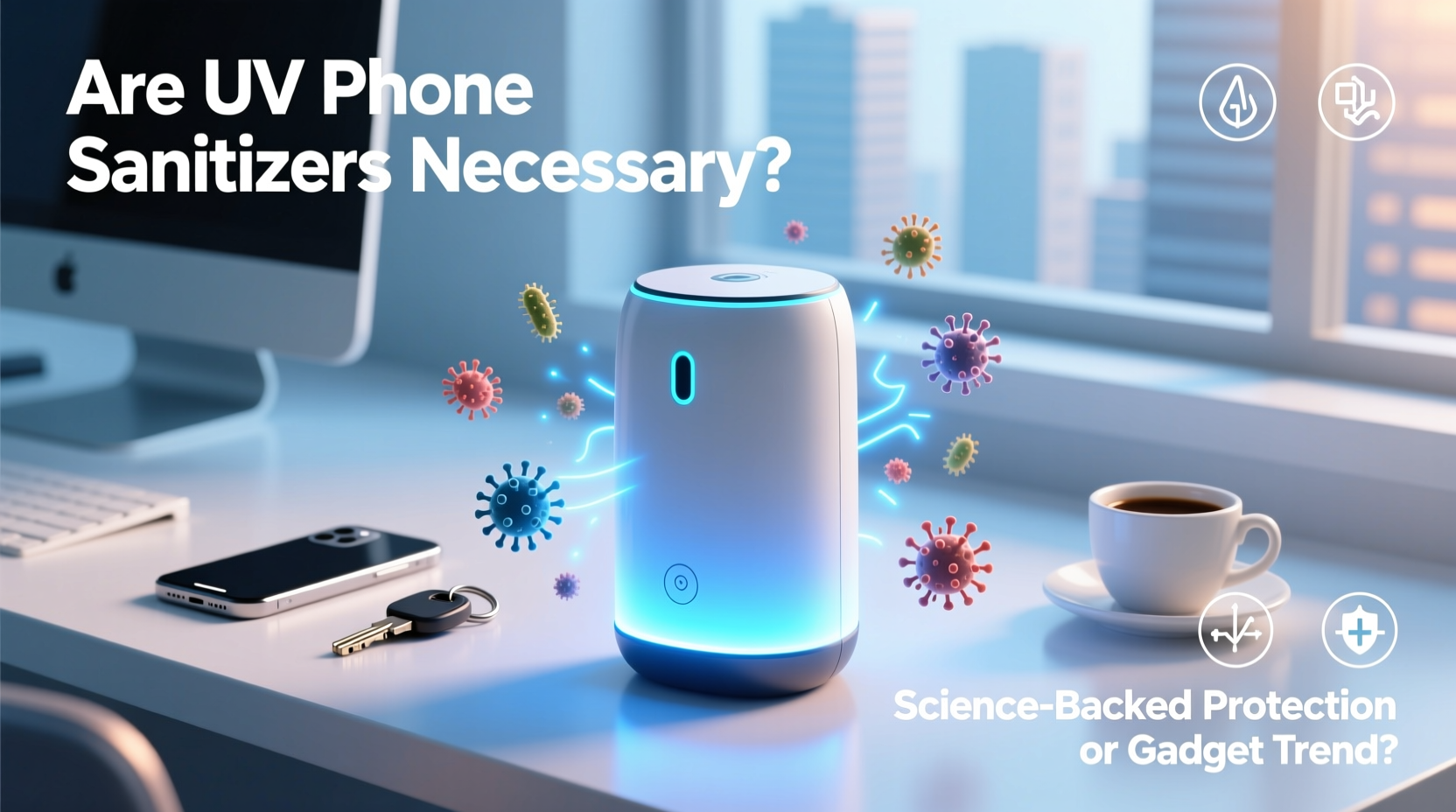
UV light has long been used for disinfection in medical and laboratory settings. Specifically, UV-C light (wavelengths between 200–280 nanometers) disrupts the DNA and RNA of microorganisms, rendering them unable to replicate and effectively killing them. Hospitals use UV-C towers to sanitize operating rooms, and water treatment plants employ it to purify drinking water. So, the underlying principle is scientifically sound.
When applied to consumer devices like phone sanitizers, small UV-C lamps are enclosed within a chamber where the phone is placed for a set period—typically 3 to 10 minutes. Manufacturers claim these devices can neutralize common pathogens such as E. coli, Salmonella, and even certain strains of influenza and coronaviruses.
However, not all UV light is equally effective. Some budget sanitizers may emit weak or improperly filtered UV-A or UV-B light, which lacks germicidal power. Additionally, shadowing—areas blocked from direct exposure by camera bumps, cases, or crevices—can reduce effectiveness. The success of a UV sanitizer depends heavily on intensity, duration, wavelength accuracy, and full surface coverage.
“UV-C is a proven disinfectant when used correctly, but consumer-grade devices vary widely in performance.” — Dr. Lena Patel, Microbiologist and Public Health Researcher
How Dirty Is Your Phone, Really?
Multiple studies have confirmed that smartphones harbor significant microbial loads. A study published in *The Journal of Applied Microbiology* found that mobile phones carry more bacteria per square inch than toilet seats. Common contaminants include Staphylococcus aureus, Streptococcus, and fecal coliforms—especially if users handle their phones after using the restroom without proper handwashing.
While most of these microbes aren’t harmful to healthy individuals, they can pose risks in vulnerable populations—such as those with compromised immune systems, young children, or elderly adults. In shared environments like offices, schools, or hospitals, contaminated phones can act as vectors for cross-contamination.
Yet, it's important to contextualize the risk. Everyday exposure to microbes is normal and often beneficial for immune development. The human body is equipped to handle moderate bacterial loads. The real concern arises when pathogenic organisms accumulate and transfer repeatedly without intervention.
Tip: Wipe your phone daily with a 70% isopropyl alcohol wipe—this simple step removes most surface germs effectively and safely.Do UV Sanitizers Outperform Traditional Cleaning Methods?
Traditional cleaning methods—like using disinfectant wipes or sprays—are accessible, inexpensive, and generally effective. Apple and other manufacturers recommend using soft cloths slightly dampened with soap and water or alcohol-based solutions (with no abrasive chemicals) to clean screens and exteriors.
UV sanitizers offer a different advantage: they don’t require physical wiping, reducing the risk of liquid damage or screen scratches. They also provide a consistent, automated process. However, they do not remove visible grime, oils, or dust. A phone can be “sanitized” by UV light but still be physically dirty.
In head-to-head comparisons, lab tests show mixed results. High-quality UV sanitizers with verified UV-C output can achieve up to 99.9% reduction in microbes under controlled conditions. But real-world performance often falls short due to inconsistent placement, low-intensity bulbs, or poor design.
Moreover, UV light degrades materials over time. Repeated exposure can yellow plastic, weaken adhesives, and damage oleophobic screen coatings. This trade-off between cleanliness and device longevity must be considered.
Comparative Effectiveness: UV vs. Manual Cleaning
| Method | Effectiveness Against Germs | Removes Visible Dirt? | Risk of Device Damage | Cost & Accessibility |
|---|---|---|---|---|
| UV Sanitizer (High-Quality) | High (99.9% in ideal conditions) | No | Moderate (UV degradation over time) | $$$ (One-time investment, $50–$120) |
| UV Sanitizer (Low-Quality) | Low to Moderate (unverified claims) | No | Low | $$ (Often under $40) |
| Alcohol Wipes (70% IPA) | High (when applied properly) | Yes | Low (if used correctly) | $ (Inexpensive, widely available) |
| Dry Cloth Only | Very Low | Limited | None | $ |
Real-World Use Case: A Hospital Worker’s Routine
Sarah, a nurse in a busy urban hospital, adopted a UV phone sanitizer during the peak of the pandemic. Her shift involves constant patient interaction, frequent glove changes, and reliance on her phone for communication and record checks. Despite strict hand hygiene protocols, she noticed her phone became grimy and occasionally emitted a faint odor after long shifts.
She purchased a reputable UV-C sanitizer that claimed clinical-grade disinfection. After three months of daily use (3-minute cycles post-shift), she reported improved peace of mind. Lab swabs taken from her phone before and after use showed a measurable drop in bacterial load—particularly in Staphylococcus and Pseudomonas colonies.
However, she also observed that the edges of her phone case began to discolor after two months. She now combines UV cycles with weekly manual cleaning and periodic case replacement. For Sarah, the device added value—but only as part of a broader hygiene strategy, not as a standalone solution.
What Experts Recommend
Public health professionals emphasize that hygiene begins with behavior, not gadgets. Frequent handwashing, avoiding phone use during meals or in restrooms, and regular manual cleaning are more impactful than any single device.
Dr. Alan Torres, an infectious disease specialist, notes: “A UV sanitizer isn’t essential for most people. If you wash your hands and wipe your phone occasionally, you’re already ahead of the curve. These devices can help in high-risk settings, but they shouldn’t replace basic habits.”
The FDA does not currently regulate UV phone sanitizers as medical devices unless specific health claims are made. As a result, many products operate in a gray area, relying on third-party lab reports that may not reflect real-world usage.
Tip: Look for sanitizers with independent lab testing, clear UV-C wavelength specifications (around 265 nm), and safety certifications (e.g., FCC, CE).When a UV Sanitizer Might Be Worth It
For the average user, a UV phone sanitizer may be more novelty than necessity. However, there are specific scenarios where the investment makes practical sense:
- Healthcare workers who handle patients and use phones in clinical environments.
- Parents of young children who share devices or whose kids frequently touch phones after playing.
- Frequent travelers exposed to high-touch public surfaces and uncertain hygiene practices.
- Immunocompromised individuals seeking to minimize infection risks at home.
- Shared device users in offices, retail, or educational institutions.
In these cases, a high-quality UV sanitizer can serve as a supplementary tool in a comprehensive hygiene routine—not a replacement for manual cleaning or good habits.
Step-by-Step: Building an Effective Phone Hygiene Routine
- Remove the case and clean both the phone and case separately to reach hidden areas.
- Wipe the screen and body with a soft microfiber cloth slightly dampened with 70% isopropyl alcohol.
- Air dry completely before reassembling or placing in a UV sanitizer.
- Place phone in UV chamber, ensuring the screen faces the light source for maximum exposure.
- Run full cycle (follow manufacturer instructions, typically 3–10 minutes).
- Store phone in a clean pocket or bag to minimize recontamination.
- Repeat 2–3 times per week, or daily in high-exposure environments.
FAQ: Common Questions About UV Phone Sanitizers
Can UV phone sanitizers kill the coronavirus?
Studies show that UV-C light can inactivate SARS-CoV-2 on surfaces under controlled conditions. However, effectiveness depends on exposure time, distance, and intensity. While some sanitizers may reduce viral load, they should not be relied upon as the sole protection against COVID-19.
Are UV phone sanitizers safe for my device?
Prolonged or frequent use may degrade plastics, discolor cases, and wear down screen coatings. Most manufacturers advise limiting use to once per day. Avoid cheap models that may emit unfiltered UV light, which can increase material stress.
Do I still need to clean my phone manually if I use a UV sanitizer?
Yes. UV light does not remove fingerprints, oils, or debris. A physical wipe is necessary to maintain screen clarity and tactile quality. Think of UV sanitizing as germ-killing and manual cleaning as dirt-removal—they complement each other.
Conclusion: Practical Advice for Smart Consumers
UV phone sanitizers are not inherently unnecessary, but their value is highly situational. For most people practicing basic hygiene—regular handwashing and occasional phone wiping—the added benefit of UV disinfection is marginal. The technology works, but only when implemented correctly and consistently.
Before purchasing, assess your actual risk level and daily habits. If you work in healthcare, care for vulnerable individuals, or travel extensively, a well-reviewed UV sanitizer could be a worthwhile addition. But if you're buying one solely because it seems “high-tech” or was trending online, reconsider. Real hygiene starts with behavior, not gadgets.
Instead of investing in a $100 UV box, spend $5 on alcohol wipes and commit to cleaning your phone twice a week. Pair that with hand hygiene, and you’ll achieve similar—or better—results. Technology should enhance smart habits, not substitute for them.
🚀 Ready to make smarter hygiene choices? Evaluate your routine, prioritize evidence-based practices, and share this article to help others cut through the marketing hype.