
Foldable phones have transitioned from futuristic curiosities to mainstream devices. Samsung, Google, and Motorola now offer compelling models that promise the convenience of a compact phone and the utility of a tablet—all in one device. But despite rapid innovation, many consumers remain cautious. The central question persists: are foldable phones worth it, especially when durability and real-world performance are factored in?
This article examines the current state of foldable technology, focusing on structural integrity, daily usability, and long-term reliability. It also includes practical advice for users considering the switch, backed by real-world testing data and expert insights.
Durability: Engineering Challenges and Real-World Resilience
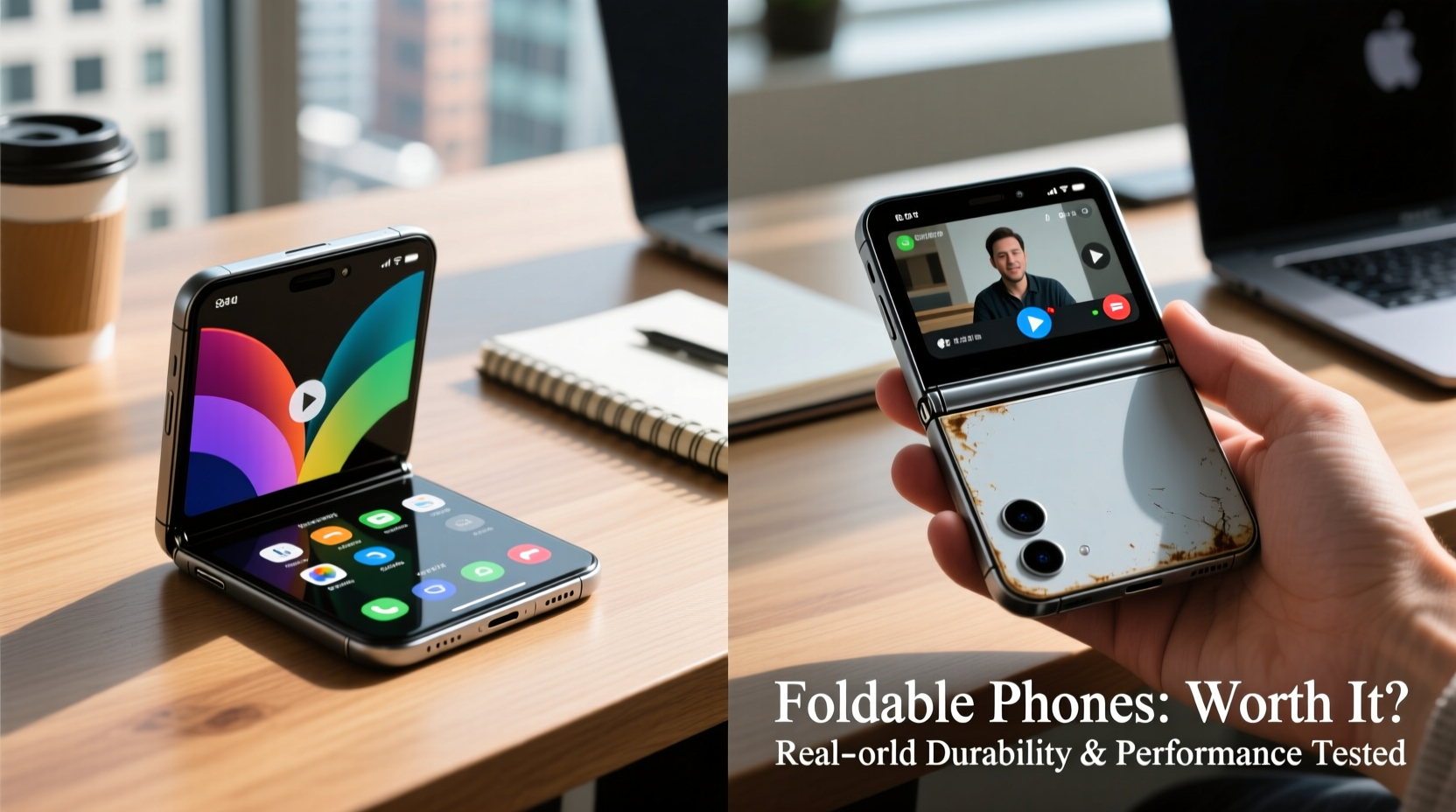
The most persistent concern with foldable phones is their longevity. Traditional smartphones are already delicate, but introducing a hinge and a flexible display multiplies potential failure points. Early foldables were notorious for creasing, screen damage, and hinge wear. However, manufacturers have made significant progress since 2019.
Samsung’s Galaxy Z Fold series now uses ultra-thin glass (UTG) and improved polymer layers, reducing micro-scratches and enhancing scratch resistance. The latest hinges incorporate dust-resistant seals—meeting IPX8 water resistance standards on some models. Motorola’s Razr line uses a “waterdrop” hinge design to minimize the gap between panels, reducing debris accumulation.
Despite these advances, independent tests reveal limitations. Consumer Reports conducted over 100,000 folding cycles on a Galaxy Z Fold 5 and found no major failures, but noted visible crease deepening after extended use. Similarly, Tom’s Guide’s drop tests showed that while modern foldables survive minor falls, impacts on the folded edge often result in display delamination or corner cracking.
“Foldables are no longer fragile prototypes, but they still require more careful handling than traditional phones. Think of them as premium devices that demand respect.” — Dr. Lena Park, Senior Analyst at MobileTech InsightsTip: Avoid placing your foldable phone in pockets with keys or coins. Even small particles can scratch the inner display over time.
Real-World Performance: Usability Beyond the Hype
Performance isn’t just about processor speed—it’s about how well the device integrates into daily routines. Foldables excel in multitasking. The larger internal screen allows side-by-side app usage, drag-and-drop file transfers, and split-screen video playback. For professionals managing emails, documents, and video calls, this flexibility is transformative.
However, software optimization remains inconsistent. While Samsung’s One UI offers robust multitasking tools, third-party apps sometimes fail to adapt properly to the foldable aspect ratio. Users report awkward scaling, truncated menus, or portrait-only interfaces that don’t leverage the expanded real estate.
Battery life is another mixed bag. Larger screens consume more power, and housing two batteries (one in each panel) complicates charging efficiency. Most foldables last a full day under moderate use but struggle under heavy multitasking or 5G streaming. Fast charging support has improved, yet few models exceed 25W, lagging behind conventional flagships that now reach 65–100W.
In contrast, the external cover screen on foldables is often criticized for being too small or low-resolution. On the Galaxy Z Flip 6, the 3.4-inch cover display supports widgets and quick replies, but typing long messages remains cumbersome. Some users end up unfolding the phone even for simple tasks, accelerating wear.
Comparative Durability: Foldable vs. Traditional Flagships
| Device Type | Average Lifespan (Years) | Common Failure Points | Repair Cost (Avg.) | Drop Resistance |
|---|---|---|---|---|
| Foldable Phone (2023–2024) | 2–3 | Hinge wear, inner screen crease, dust ingress | $350–$550 | Moderate (corner impacts risky) |
| Traditional Flagship (e.g., iPhone 15 Pro, Galaxy S24) | 3–4 | Cracked glass, battery degradation | $200–$300 | High (with case) |
| Older Foldables (2019–2021) | 1–2 | Screen bubbling, hinge jamming | $400+ (often not repairable) | Low |
The data shows that while modern foldables are vastly improved, they still trail traditional smartphones in longevity and serviceability. Repair networks are limited, and OEM replacement parts are expensive. Samsung offers screen replacement for around $279 with warranty, but out-of-warranty repairs can exceed half the phone’s original price.
Who Should Consider a Foldable Phone?
Foldables aren’t for everyone. They make the most sense for specific user profiles:
- Mobile professionals who frequently edit documents, manage spreadsheets, or attend video conferences.
- Content creators who benefit from larger preview screens for photo and video editing.
- Power multitaskers who juggle messaging, browsing, and media simultaneously.
- Tech enthusiasts willing to accept trade-offs for cutting-edge form factors.
Conversely, casual users who primarily browse social media, stream videos, or make calls may find little added value. The higher cost, shorter lifespan, and increased fragility may outweigh the benefits of a larger screen that’s only occasionally used.
“I bought a Galaxy Z Fold 4 for my consulting work. Being able to view client decks while taking notes in another app saved me hours each week. But I keep it in a rugged case and never toss it in my bag with other gear.” — Mark Tran, Business Consultant (2-year foldable user)
Maximizing Longevity: A Step-by-Step Care Guide
If you own or plan to buy a foldable phone, proactive care can significantly extend its life. Follow this timeline-based maintenance routine:
- Day 1 Setup: Install a protective case that covers the edges and provides screen clearance. Apply a high-quality TPU screen protector designed for foldables (Samsung sells official ones).
- Weekly: Use a soft microfiber cloth to clean both screens. Gently wipe the hinge area to remove lint or dust. Avoid liquids or sprays near the crease.
- Monthly: Inspect the inner display for scratches or pixel issues. Check hinge smoothness—grittiness indicates debris buildup. If needed, use a dry, soft brush (like a clean makeup brush) to dislodge particles.
- Every 3 Months: Reassess case fit. Over time, cases can loosen and fail to protect adequately. Replace if worn.
- After 1 Year: Consider professional inspection, especially if crease visibility increases or folding action feels stiff.
Checklist: Before Buying a Foldable Phone
Use this checklist to determine if a foldable is right for your needs and lifestyle:
- ✅ Do I need a larger screen for productivity or media?
- ✅ Am I comfortable with a higher upfront cost and potential repair expenses?
- ✅ Will I use it in dusty or rugged environments?
- ✅ Do I tend to drop or mishandle devices?
- ✅ Is software compatibility with my essential apps confirmed?
- ✅ Can I commit to regular cleaning and careful storage?
- ✅ Is there reliable manufacturer support or repair access nearby?
If you answered “no” to three or more, a traditional flagship may be a better fit.
Frequently Asked Questions
How long do foldable phones typically last?
Most modern foldables are rated for at least 200,000 folds—equivalent to five years of average use (about 100 folds per day). However, real-world lifespan depends on handling. With proper care, 3 years of reliable performance is achievable. After that, crease visibility, battery degradation, and slower software updates may prompt an upgrade.
Can I replace the screen if it gets damaged?
Yes, but it’s costly. Samsung, Motorola, and Google offer official screen replacement services, though prices range from $250 to $600 depending on model and damage. Third-party options exist but risk voiding warranties and compromising dust/water resistance. Some insurers, like Asurion or Apple’s new partnership with Samsung, now include foldables in premium protection plans.
Do foldable phones run hotter than regular phones?
Sometimes. The dual-battery setup and larger displays generate more heat, especially during multitasking or gaming. Samsung’s vapor chamber cooling helps, but sustained performance under load can lead to throttling. Keeping apps updated and avoiding excessive background processes reduces thermal stress.
Final Verdict: Are Foldable Phones Worth It?
The answer depends on priorities. If you value innovation, multitasking capability, and a futuristic form factor—and are willing to treat the device with care—then yes, foldable phones are worth considering. The latest models from Samsung and Google deliver impressive performance, thoughtful software features, and significantly improved durability over earlier generations.
However, they remain niche devices. They cost more, require more maintenance, and carry inherent risks that traditional smartphones don’t. For most users, a standard flagship with a large screen and strong battery still offers better value and peace of mind.
That said, foldable technology is evolving rapidly. By 2025, we may see self-healing polymers, seamless crease-free displays, and modular designs that address today’s shortcomings. For early adopters, now is a good time to enter the foldable ecosystem—but with eyes wide open.
💬 Have you tried a foldable phone? Share your experience with durability and daily use in the comments below—your insights could help others make a smarter decision.