
When a bearded dragon stops eating, it’s one of the most common concerns among reptile keepers. While many assume illness is the primary cause, the truth is often rooted in subtle but critical husbandry oversights. These small environmental or behavioral missteps can significantly impact appetite, digestion, and overall health. Unlike mammals, bearded dragons don’t vocalize discomfort, so they rely on changes in behavior—like refusing food—to signal distress. Understanding the hidden factors behind feeding refusal is essential for proactive care.
This article dives into the frequently missed husbandry elements that lead to appetite loss in bearded dragons. From lighting inconsistencies to improper hydration and social stressors, these issues are often invisible to even experienced owners. By identifying and correcting them early, you can restore your pet’s natural feeding rhythm and prevent long-term health decline.
1. Inadequate or Degraded UVB Lighting
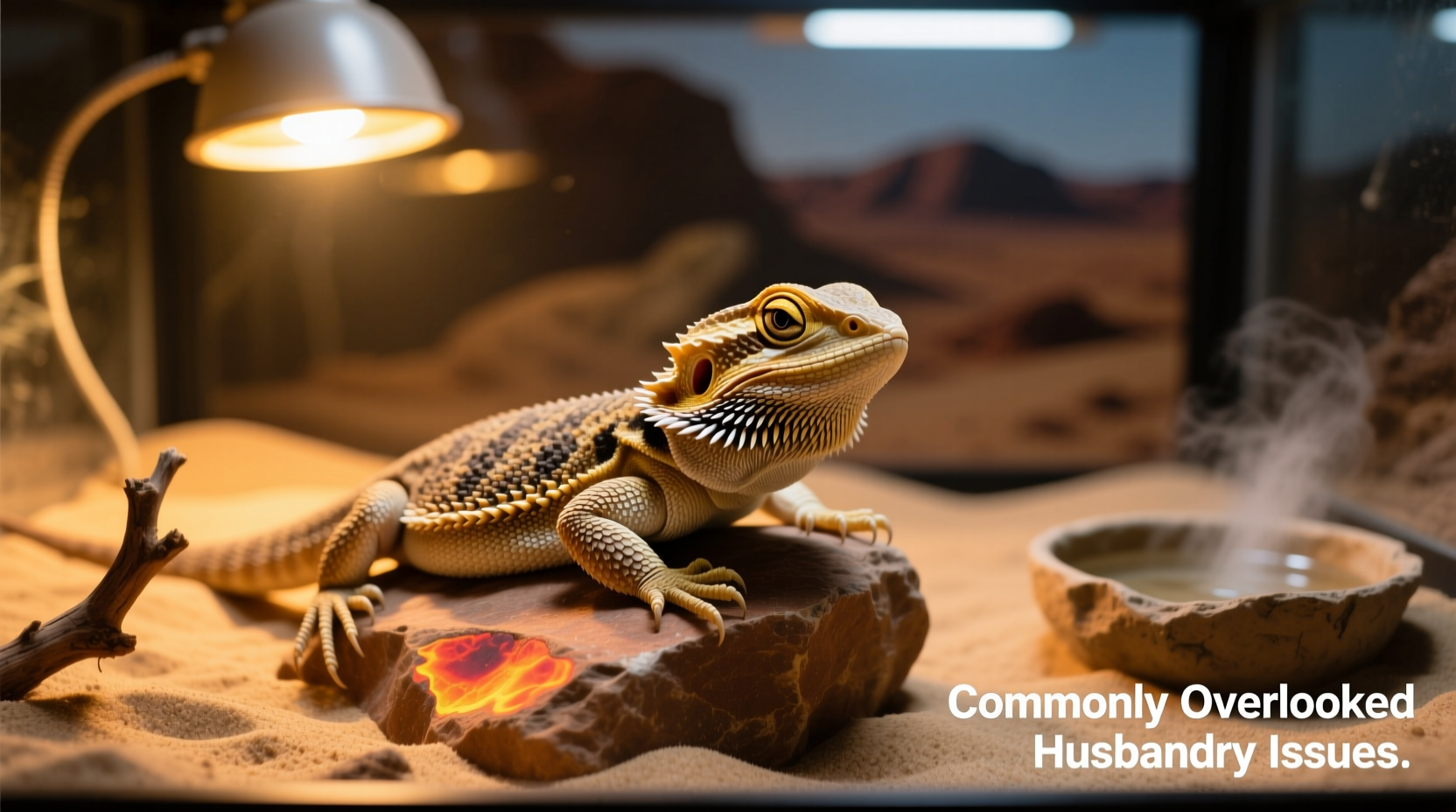
UVB light is non-negotiable for bearded dragons. Without sufficient UVB exposure, they cannot synthesize vitamin D3, which is required to absorb calcium from their diet. A deficiency leads to metabolic bone disease (MBD), a painful and potentially fatal condition. But more immediately, poor UVB affects appetite. Dragons become lethargic, lose interest in food, and may sit motionless under the basking lamp.
The problem lies not just in whether a UVB bulb is present, but in its quality, placement, and lifespan. Many owners use bulbs past their effective life—typically 6 to 12 months, depending on brand. After this time, UVB output drops significantly, even if the bulb still emits visible light. Additionally, mesh screens block up to 50% of UVB rays, reducing exposure if the fixture is mounted above a screened lid.
Tip: Replace UVB bulbs every 6–9 months and use a Solarmeter 6.5 to verify output. Position the fixture inside the enclosure (if safe) to avoid screen blockage.UVB Best Practices Checklist
- Use a linear T5 HO UVB bulb (e.g., Arcadia 12%, Zoo Med Reptisun 10.0)
- Ensure the bulb covers ⅔ of the enclosure length
- Mount the fixture 6–8 inches above basking area (T5) or 12 inches (T8)
- Replace every 6–9 months regardless of visible function
- Avoid plastic or glass between bulb and dragon—only mesh or open top
“UVB isn’t optional—it’s as essential as food and water. Chronic low exposure silently undermines health long before symptoms appear.” — Dr. Susan Brown, Exotic Animal Veterinarian
2. Temperature Gradients That Are Too Narrow or Incorrect
Bearded dragons are ectothermic—they depend on external heat sources to regulate body temperature and digestion. If the thermal gradient in the enclosure is too narrow or improperly set, food will sit undigested in the gut, leading to discomfort and eventual refusal to eat.
A common mistake is having both basking and cool zones too close in temperature. The ideal setup includes a basking spot of 95–105°F (35–40°C) and a cooler side around 75–80°F (24–27°C). Nighttime temps can drop to 68–75°F (20–24°C), but prolonged cold exposure halts digestion entirely.
Infrared thermometers (temp guns) are crucial here. Surface temperatures matter more than air readings. A dragon’s belly must reach at least 90°F to properly digest insects. If the basking rock or tile isn’t hot enough—even if the air feels warm—digestion stalls.
| Zone | Target Temp (°F) | Target Temp (°C) | Measurement Method |
|---|---|---|---|
| Basking Spot (Surface) | 95–105°F | 35–40°C | Infrared thermometer on surface |
| Cool Side (Air) | 75–80°F | 24–27°C | Digital probe thermometer |
| Night (Air) | 68–75°F | 20–24°C | Digital probe thermometer |
Another overlooked issue is using only under-tank heaters (UTHs). These warm the substrate but not the dragon’s core body temperature. Since bearded dragons bask with their bellies flat, radiant overhead heat from a halogen or ceramic heat emitter is far more effective.
3. Improper Hydration and Humidity Misconceptions
Many owners assume bearded dragons don’t need much water because they come from arid regions. While true in part, dehydration remains a silent cause of appetite loss. Dehydrated dragons have thicker digestive fluids, making it harder to process food. They also become sluggish and disinterested in feeding.
Hydration isn’t just about offering water bowls. Most bearded dragons won’t drink from standing water. Instead, they rely on moisture from food and occasional misting. Juveniles especially benefit from daily misting on the snout, which triggers licking behavior and fluid intake.
Humidity is another misunderstood factor. While average ambient humidity should stay low (30–40%), brief spikes during shedding (50–60%) help loosen old skin. Prolonged high humidity, however, encourages respiratory infections and mold growth, both of which suppress appetite.
Tip: Offer a shallow bath 2–3 times per week. Warm water (95–100°F) encourages drinking and defecation, aiding digestion and hydration.Hydration Action Plan
- Mist your dragon lightly on the head daily, especially juveniles
- Provide 15-minute warm baths 2–3 times weekly
- Feed hydrating veggies like cucumber, zucchini, and bell pepper (in moderation)
- Always remove uneaten greens after 4 hours to prevent bacterial growth
- Check for signs of dehydration: dry skin, sunken eyes, slow skin recoil test
4. Substrate and Gut Health Connection
The choice of substrate impacts more than just safety—it influences digestion and stress levels. Loose substrates like sand, coconut fiber, or walnut shell pose impaction risks, especially in juveniles. Even partial impactions can cause bloating, pain, and appetite loss without obvious symptoms.
But beyond physical blockages, some substrates contribute to chronic low-grade stress. Bearded dragons instinctively avoid loose materials that mimic unstable desert dunes. This subtle anxiety reduces feeding motivation over time.
Experts increasingly recommend solid, non-particle substrates such as tile, reptile carpet, or paper towels—especially for young dragons. These are easier to clean, eliminate ingestion risk, and provide secure footing.
“We’ve seen a dramatic drop in impaction cases since recommending tile or mats over sand—even ‘safe’ sands. Simplicity wins in substrate choice.” — Dr. Melissa Kaplan, Reptile Care Researcher
Additionally, gut health is tied to diet consistency. Sudden changes in insect type or vegetable variety can disrupt intestinal flora. Always introduce new foods gradually. Over-reliance on high-oxalate greens (like spinach) binds calcium and indirectly affects appetite by contributing to nutritional imbalances.
5. Social Stress and Environmental Overstimulation
Bearded dragons are solitary by nature. Housing two dragons together—especially males—creates chronic stress. Signs include hiding, blackening of the beard, reduced movement, and refusal to eat. Even visual contact with another dragon through a tank wall can trigger territorial behavior.
Other environmental stressors include excessive noise, foot traffic, or vibrations near the enclosure. Placing a tank in a high-activity area like a living room or kitchen may seem ideal for interaction, but constant stimulation exhausts the animal. A stressed dragon conserves energy by eating less.
Lighting cycles also play a role. Inconsistent day/night schedules confuse circadian rhythms. Use a timer to maintain a consistent photoperiod: 12–14 hours of light in summer, 10–12 in winter. Sudden changes in light duration can mimic seasonal shifts, triggering brumation-like behaviors—even in young dragons not ready to brumate.
Mini Case Study: Leo the Lethargic Dragon
Leo, a 1-year-old male bearded dragon, stopped eating for over two weeks. His owner reported normal temps, fresh food, and no visible illness. A vet visit found no parasites or infection. Upon reviewing husbandry, it was discovered that:
- The UVB bulb was 14 months old and placed above a mesh lid
- The basking surface temp was only 88°F due to a weak halogen bulb
- Leo shared a 40-gallon tank with another male
- The enclosure was in a busy hallway with constant foot traffic
After separating Leo, replacing the UVB and heat bulbs, and relocating the enclosure to a quieter room, he ate within 48 hours and resumed normal activity within a week. No medication was needed—just corrected husbandry.
Step-by-Step: Troubleshooting Your Dragon’s Appetite Loss
If your bearded dragon isn’t eating, follow this systematic approach before assuming illness:
- Verify temperatures: Use an infrared thermometer to check basking surface temp. Ensure cool side is below 80°F.
- Inspect UVB bulb age and placement: Replace if older than 9 months. Confirm it’s not blocked by mesh.
- Assess hydration: Bathe your dragon and offer misting. Check for sunken eyes or dry skin.
- Review substrate: Switch to tile or paper towels if using loose material.
- Eliminate stressors: House alone, reduce noise, ensure consistent light cycle.
- Fast briefly: Stop feeding for 2–3 days if impaction is suspected; increase warmth and hydration.
- Consult a vet: If no improvement after 7–10 days of corrected husbandry, seek an exotic vet for fecal tests and exam.
Frequently Asked Questions
How long can a bearded dragon go without eating?
Adults can safely fast for 1–2 weeks, especially during brumation. Juveniles should not go more than 3–4 days without food. Prolonged fasting outside of brumation requires investigation.
Can cold room temperatures affect my dragon’s appetite?
Yes. If ambient room temperature falls below 65°F at night or stays cool during the day, your dragon may not reach proper basking temps. This slows metabolism and digestion, leading to food refusal.
Should I feed vegetables if my dragon isn’t eating insects?
Yes. Offer nutrient-rich greens like collard, mustard, and dandelion leaves. These provide hydration and fiber, supporting gut health even if protein intake is low temporarily.
Conclusion: Small Adjustments, Big Results
A bearded dragon’s refusal to eat is rarely about pickiness. It’s a signal that something in their environment isn’t aligned with their biological needs. The most impactful fixes are often the ones overlooked: a worn-out UVB bulb, a slightly cool basking spot, or a stressful location. These aren’t emergencies—they’re quiet deficits that accumulate until the dragon shuts down.
By methodically reviewing lighting, temperature, hydration, substrate, and social conditions, you can restore your pet’s appetite without medication or invasive procedures. Prevention is always better than treatment. Establish a monthly husbandry audit: check bulb dates, recalibrate thermometers, and observe behavior closely. Your attention today ensures a healthier, more vibrant companion tomorrow.
🚀 Take action now: Grab a notebook and inspect each element discussed—temperature, UVB, hydration, stress. Chances are, one small change will bring back your dragon’s appetite. Share your experience or questions in the comments to help others learn!








