Waking up to a glass of cold tap water only to be met with a sharp, metallic aftertaste can be unsettling. It’s not just unpleasant—it raises legitimate concerns about what’s in your water and whether it’s safe to drink. While a slight mineral flavor is normal, a distinct metallic taste often signals the presence of elevated levels of certain metals or aging infrastructure. The good news is that identifying the cause and implementing an affordable solution is entirely within reach for most households.
This article breaks down the science behind metallic-tasting tap water, explores common culprits, and provides practical, budget-friendly filtration options that deliver real results—without requiring a plumbing overhaul or expensive equipment.
What Causes Metallic-Tasting Tap Water?
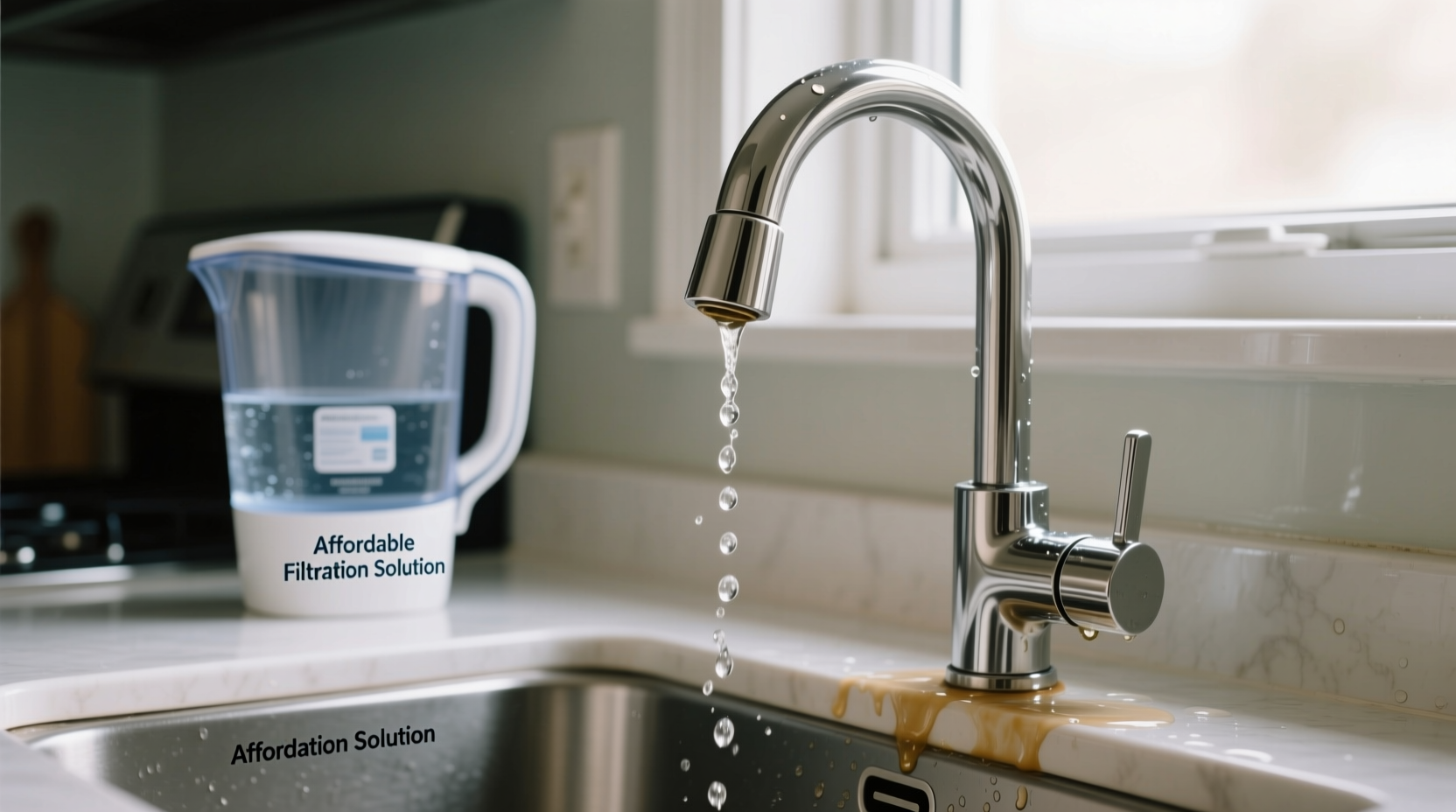
A metallic taste in tap water typically stems from dissolved metals leaching into the water supply. These metals may originate from natural sources in groundwater, municipal treatment processes, or household plumbing. The most common contributors include iron, zinc, copper, manganese, and lead—each with distinct causes and health implications.
- Iron: Naturally present in soil and groundwater, especially in rural or well-water areas. Excess iron gives water a rusty, blood-like taste and can stain sinks and laundry.
- Copper: Often leaches from aging copper pipes, particularly when water sits stagnant overnight. Acidic water accelerates corrosion.
- Zinc: Can enter water through galvanized steel pipes or deteriorating faucet components containing zinc alloys.
- Manganese: Found alongside iron in groundwater; even low concentrations affect taste and discolor water.
- Lead: A serious health hazard. Though less common today, lead can still leach from old solder, fixtures, or service lines, especially in homes built before 1986.
The taste threshold varies by metal and individual sensitivity. For example, some people detect copper at levels as low as 1 mg/L, while others may not notice until concentrations are much higher.
Tip: Run your tap for 30–60 seconds in the morning before drinking if you suspect pipe corrosion. This flushes out water that has sat in contact with metal overnight.How Plumbing and Water Chemistry Interact
Your home’s plumbing system plays a major role in water taste. Even if municipal water starts clean, internal piping can degrade over time, introducing metals into the final product. Corrosion occurs when water chemistry—particularly pH and mineral content—is unbalanced.
Acidic water (low pH) aggressively eats away at metal pipes and fittings. Homes with soft water are more prone to this issue because soft water lacks buffering minerals like calcium and magnesium. Over time, acidic water erodes copper and galvanized steel, releasing metal ions into the flow.
Conversely, hard water (high in calcium and magnesium) tends to form protective scale inside pipes, which can reduce corrosion—but may also contribute to limescale buildup and reduced pressure.
“Corrosive water doesn’t just affect taste—it can compromise the integrity of your plumbing and introduce toxic metals like lead into your drinking water.” — Dr. Lena Patel, Environmental Health Scientist, EPA Water Quality Division
Signs Your Plumbing May Be Contributing
- Blue-green stains in sinks or tubs (indicative of copper)
- Brown or reddish water (iron oxidation)
- Pitting or green crust on faucets
- Taste changes only from certain taps (e.g., kitchen vs. bathroom)
Affordable Filtration Solutions That Work
You don’t need a whole-house reverse osmosis system to fix metallic-tasting water. Several cost-effective, point-of-use filters can significantly reduce metal content and improve taste. The key is matching the filter technology to your specific contaminant profile.
Types of Filtration Technologies
| Filtration Type | Effective Against | Cost Range | Lifespan | Best For |
|---|---|---|---|---|
| Activated Carbon Filter | Chlorine, VOCs, some lead, improves taste/odor | $20–$50 | 2–6 months | Basic improvement, city water |
| KDF (Kinetic Degradation Fluxion) | Copper, iron, chlorine, hydrogen sulfide | $30–$70 | 6–12 months | Metal reduction, works with carbon |
| Ion Exchange | Hardness (calcium/magnesium), iron, manganese | $50–$100 | 6–12 months | Well water, softening |
| Reverse Osmosis (RO) | Lead, copper, nitrates, fluoride, >95% of contaminants | $150–$300 | Filters: 6–12 mo; Membrane: 2–3 years | Comprehensive purification |
| Ceramic Filters | Sediment, bacteria, some heavy metals | $40–$80 | 6–12 months (cleanable) | Pre-filtration, off-grid use |
For metallic taste specifically, KDF filters are highly effective. They use a redox (oxidation-reduction) process to convert soluble metal ions into harmless, insoluble forms that are trapped in the media. Many pitcher and faucet filters combine KDF with activated carbon for dual-stage protection.
Top Budget-Friendly Options
- Aquasana AQ-4100+ Faucet Mount Filter – Uses KDF + carbon; reduces copper, lead, chlorine. Around $50, easy installation.
- Brita Longlast+ Pitcher – Reduces copper, mercury, cadmium, and lead. Lasts up to 120 gallons (~6 months). ~$35.
- ZeroWater Z-5 Pitcher – Five-stage filter including ion exchange; removes virtually all dissolved solids. TDS meter included. ~$40.
- Home Master TMAFC-ERP Under-Sink RO – Affordable under-sink RO with remineralization. Removes 98% of lead, copper, chromium. ~$200.
Step-by-Step Guide to Diagnose and Fix Metallic Taste
Follow this practical sequence to identify the source of your water’s metallic taste and implement a lasting solution.
- Determine if the taste is isolated or widespread. Test multiple taps. If only one faucet tastes metallic, the issue may be localized (e.g., aerator buildup).
- Inspect faucet aerators. Unscrew and clean them—they often trap rust and debris. Soak in vinegar to dissolve mineral deposits.
- Run water and retest. After flushing each tap for 30–60 seconds, sample again. If taste improves, stagnation was likely the culprit.
- Test your water. Use a home test kit ($15–$30) to check for iron, copper, lead, and pH. Or request a free report from your municipal supplier (under the EPA’s Consumer Confidence Rule).
- Choose a filtration method based on results. High copper? Opt for KDF or RO. Iron-heavy? Consider ion exchange or oxidizing filters.
- Install and maintain your filter. Replace cartridges on schedule. Ignoring maintenance can worsen water quality due to bacterial growth or media exhaustion.
- Retest after 4 weeks. Confirm improvements in taste and contaminant levels.
Real-World Example: The Smith Family’s Well Water Fix
The Smiths, living in a 1970s home in rural Pennsylvania, began noticing a metallic tang in their well water, along with blue-green stains in the bathroom sink. Their children complained about the taste, and they avoided drinking tap water altogether.
After testing, they discovered copper levels at 1.8 mg/L—above the EPA’s 1.3 mg/L action level—and slightly acidic water (pH 6.4). Their plumber explained that the copper was leaching from internal pipes due to corrosive water.
Instead of repiping, they installed a KDF/carbon combo filter on their kitchen tap for under $60. They also adjusted their water softener settings to increase alkalinity slightly, reducing pipe corrosion. Within days, the metallic taste disappeared. Follow-up tests showed copper levels dropped to 0.2 mg/L.
Their total investment: less than $100. No construction, no downtime—just cleaner, better-tasting water.
Common Mistakes to Avoid
- Assuming bottled water is safer. Bottled water isn’t always tested more rigorously than tap and contributes to plastic waste.
- Ignoring filter replacement schedules. Overused filters can release trapped contaminants back into the water.
- Using only boiling to treat metal-contaminated water. Boiling concentrates metals; it doesn’t remove them.
- Skipping water testing. Guessing the problem leads to ineffective or unnecessary solutions.
- Choosing filters without certification. Many generic brands make bold claims but lack third-party verification.
FAQ: Common Questions About Metallic-Tasting Water
Is metallic-tasting water dangerous?
Not always, but it can be. Iron and copper at moderate levels mainly affect taste and appearance. However, elevated copper can cause gastrointestinal issues, and lead—even at low levels—poses serious health risks, especially for children and pregnant individuals. Always test if the taste persists.
Can I fix this without a filter?
In some cases, yes. If the issue is caused by stagnant water, simply flushing the tap helps. Adjusting water pH via a neutralizing filter (e.g., calcite tank) can reduce pipe corrosion. But for consistent, safe results, filtration is the most reliable long-term strategy.
Do refrigerator filters remove metals?
Some do, but many only target chlorine and sediment. Check the specs: look for NSF 53 certification for heavy metal reduction. Most standard fridge filters are not designed for high metal removal.
Action Plan Checklist
“Clean water shouldn’t be a luxury. With the right knowledge and tools, every household can achieve safe, great-tasting tap water.” — Sarah Kim, Founder, Clean Water Now Initiative
Use this checklist to take control of your water quality:
- ☐ Identify which taps have the metallic taste
- ☐ Flush taps and clean aerators
- ☐ Conduct a water test (home kit or certified lab)
- ☐ Review municipal water quality report (if applicable)
- ☐ Choose a certified filter based on contaminants found
- ☐ Install and label the filter with replacement date
- ☐ Retest water after one month
- ☐ Share results with household members and adjust habits
Final Thoughts: Take Control of Your Water Quality
A metallic taste in your tap water is more than just a nuisance—it’s a signal. It tells you that something in your water or plumbing needs attention. But with straightforward diagnostics and accessible filtration technology, you don’t need to resort to bottled water or costly renovations.
Start small: clean your faucets, run a basic test, and invest in a quality pitcher or faucet filter. These steps alone resolve the issue in most homes. For persistent problems, consider under-sink reverse osmosis or professional consultation. The goal isn’t perfection—it’s progress toward safer, better-tasting water every day.
🚀 Ready to enjoy clean, great-tasting water? Pick one action from the checklist above and do it today. Share your experience in the comments—your solution might help someone else turn metallic water into pure refreshment.








